
Hundreds of hectares of sugarcane nearing harvest have been damaged by rats.
Despite the approaching harvest season, hundreds of sugarcane farmers in Quynh Thang commune, Nghe An province, are facing a devastating rat infestation. Across more than 500 hectares, rats have caused widespread damage, resulting in a 30-40% drop in yield and leaving farmers struggling to cover their expenses.
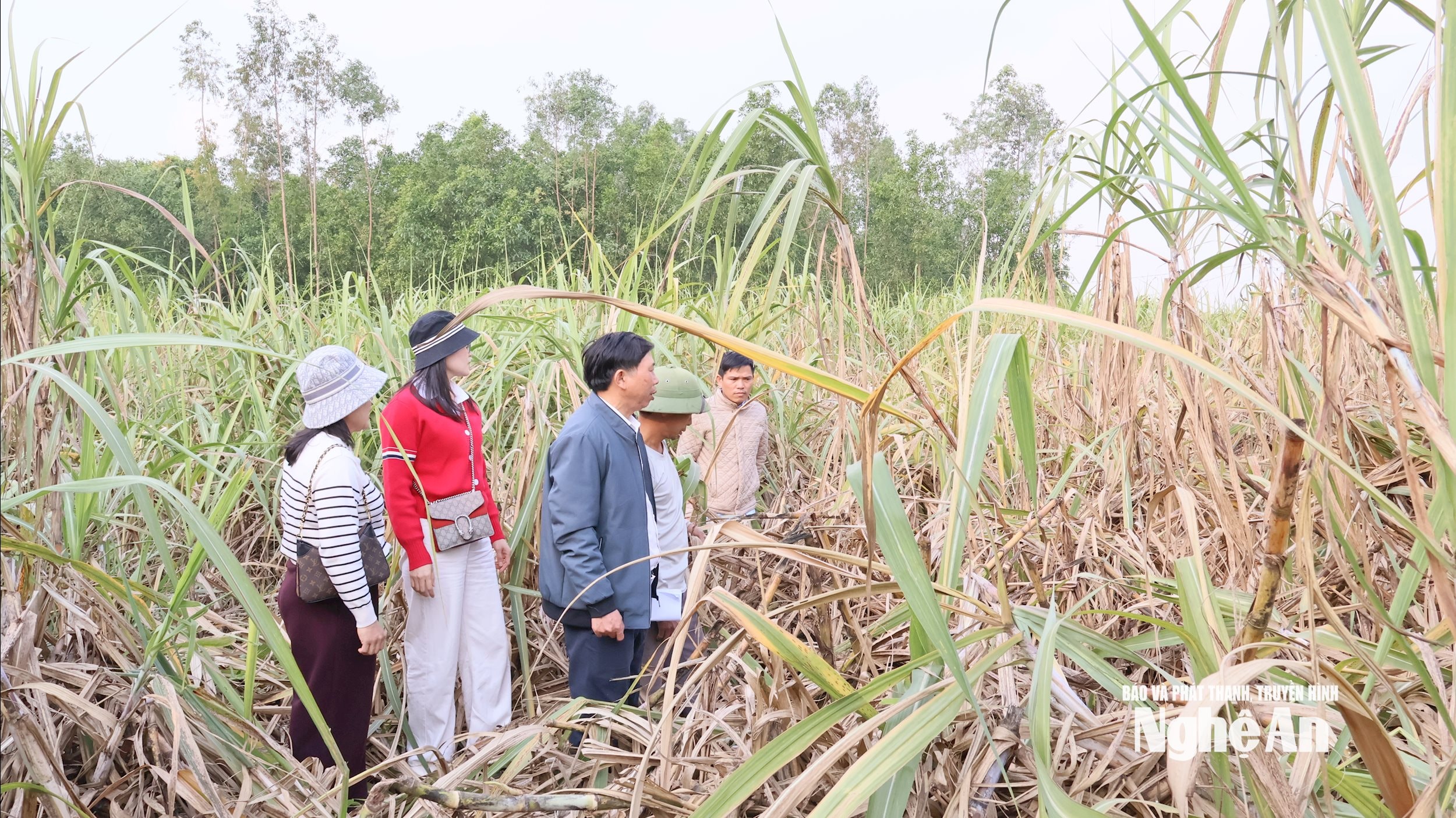
Risk of losing everything.
The family of Ms. Ho Thi Hien in Hamlet 8, Quynh Thang Commune, has 6 sao (approximately 0.6 hectares) of sugarcane currently ready for harvest. This is the result of over 15 million VND in investment and year-long labor. However, hopes for a successful harvest have vanished. Just as the sugarcane reached its peak sweetness, rats swarmed and gnawed at it. Looking at the sugarcane stalks damaged and destroyed by rats, Ms. Hien couldn't help but feel heartbroken: “This year, the sugarcane has all fallen over, and then swarms of rats came and gnawed at it. They ate any sweet stalks, and after eating them, the sugarcane rotted away. All the hard work and money we poured into this for a whole year, and now seeing the sugarcane fields like this, we are so heartbroken. The harvest won't even cover the cost of cutting and transporting the sugarcane.”
.jpg)
Sharing the same predicament, Mr. Nguyen Van Hong's family in Hamlet 8 is also worried as more than 1 hectare of their sugarcane is being extensively attacked by rats. Despite trying many methods, due to the extremely high density of rats and their rapid reproduction in the fallen sugarcane fields, prevention efforts have been almost ineffective.
Mr. Hong said: "There have never been so many rats as this year. We've tried everything – baiting, setting traps – but nothing works. The sugarcane crop was already damaged by the storms, and now with the rats destroying it, we've lost everything."
This situation is widespread in Dong Xuan village, villages 11 and 12, and the General Team area. With a total area of over 500 hectares – accounting for a large proportion of the commune's crop structure – the decline in yield has led to a sharp decrease in profit per hectare for farmers, from approximately 70 million VND to only 10 to 20 million VND.
Set traps, use bait, and harvest early.
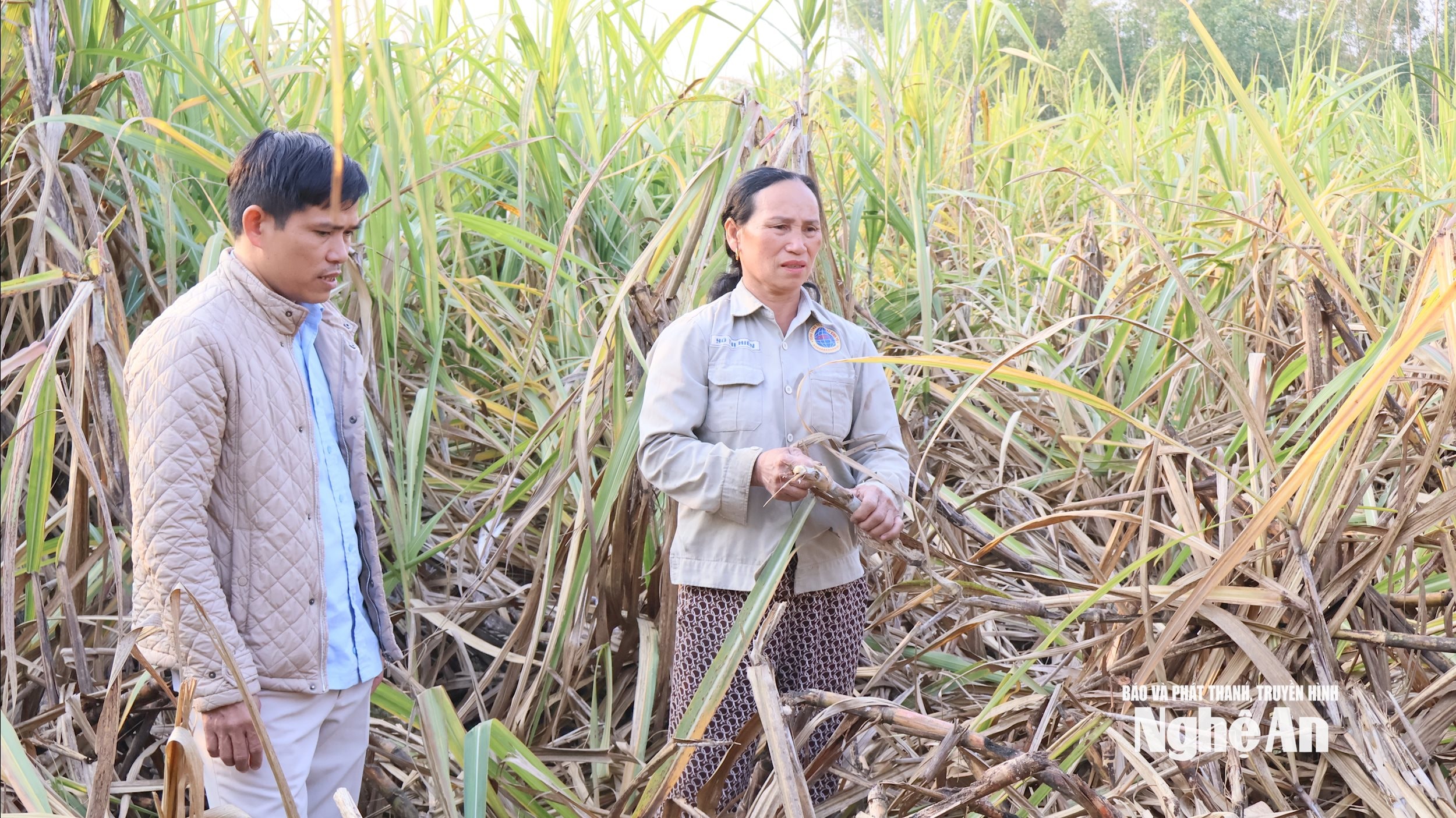
Given the complex pest situation, the Quỳnh Thắng commune government has directed the Commune Public Service Center to conduct on-site visits to work with local people in implementing emergency response measures.
Mr. Tran Minh Quan, in charge of the Public Service Center of Quynh Thang commune, said: “Through on-site inspection, the severe rat infestation is due to sugarcane being flattened after the storm, creating a favorable environment for them to take shelter. Currently, authorities are guiding farmers to eradicate rats en masse using crescent-shaped traps and biological bait. At the same time, the local authorities are also advising people to clear bushes, clean fields, and take advantage of harvesting early in areas that have already been harvested to minimize losses.”

For many years, sugarcane has been identified as a key crop, a means of poverty alleviation, and the main source of income for hundreds of households in Quynh Thang commune. The sharp decline in yield not only causes economic losses for farmers but also affects the supply of raw materials to sugar factories in the area. Currently, with technical support from relevant agencies, farmers in Quynh Thang are focusing on quickly harvesting the remaining area to salvage some of their capital, stabilize production, and prepare for the next crop season.


