
Hundreds of children are contracting the flu every day in Nghe An.
In recent days, Nghe An province has seen a significant increase in the number of children with influenza requiring medical examination and treatment. Many of these children have developed complications such as pneumonia.
Recently, the number of children with this condition has increased.broodingThe number of children seeking examination and treatment at Nghe An Obstetrics and Pediatrics Hospital has increased significantly. On average, the Outpatient Department receives 600-800 children for examination each day, with approximately 120-160 children diagnosed with influenza A and B. Among these, a relatively high percentage experience complications from influenza A and B. The most common complication is pneumonia. Around 60-80 children per day are hospitalized with influenza A and B.
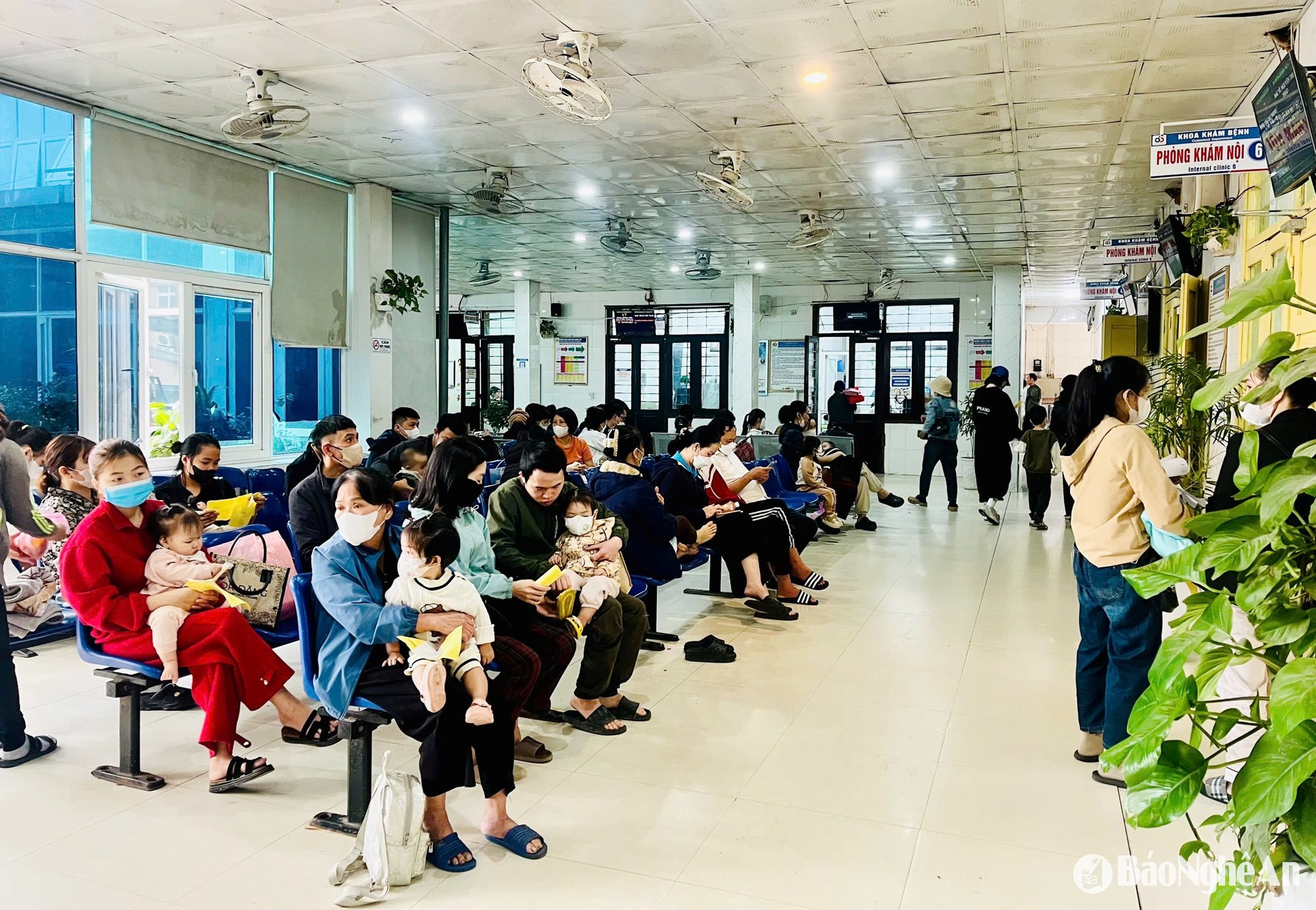
Present at Nghe An Obstetrics and Pediatrics Hospital on the morning of March 25th, we saw many parents bringing their children for examination. Among them was Ms. NTL (32 years old), from Nghi Huong ward, Vinh city, along with her son, TTA (3 years old). Ms. NTL said: "My son had a high fever for 3 days accompanied by a cough, so we brought him to the doctor. The doctor said he had influenza B, pneumonia, otitis media, and adenoiditis. The doctor also prescribed hospitalization for treatment."
The number of children examined and treated at Nghe An Obstetrics and Pediatrics Hospital shows that the number of children suffering from...broodingA, influenza B in Nghe An is very serious. (Nghe An Obstetrics and Pediatrics Hospital is the highest-level hospital in the province; currently, it is one of the medical facilities in the province that receives and treats children).
Regarding the reasons for the high number of children contracting influenza, Dr. Vuong Thi Minh Nguyet, Head of the Outpatient Department at Nghe An Obstetrics and Pediatrics Hospital, said: Among diseases caused by influenza viruses, there are four typical types: influenza A, B, C, and D. Influenza A and B are the most common.
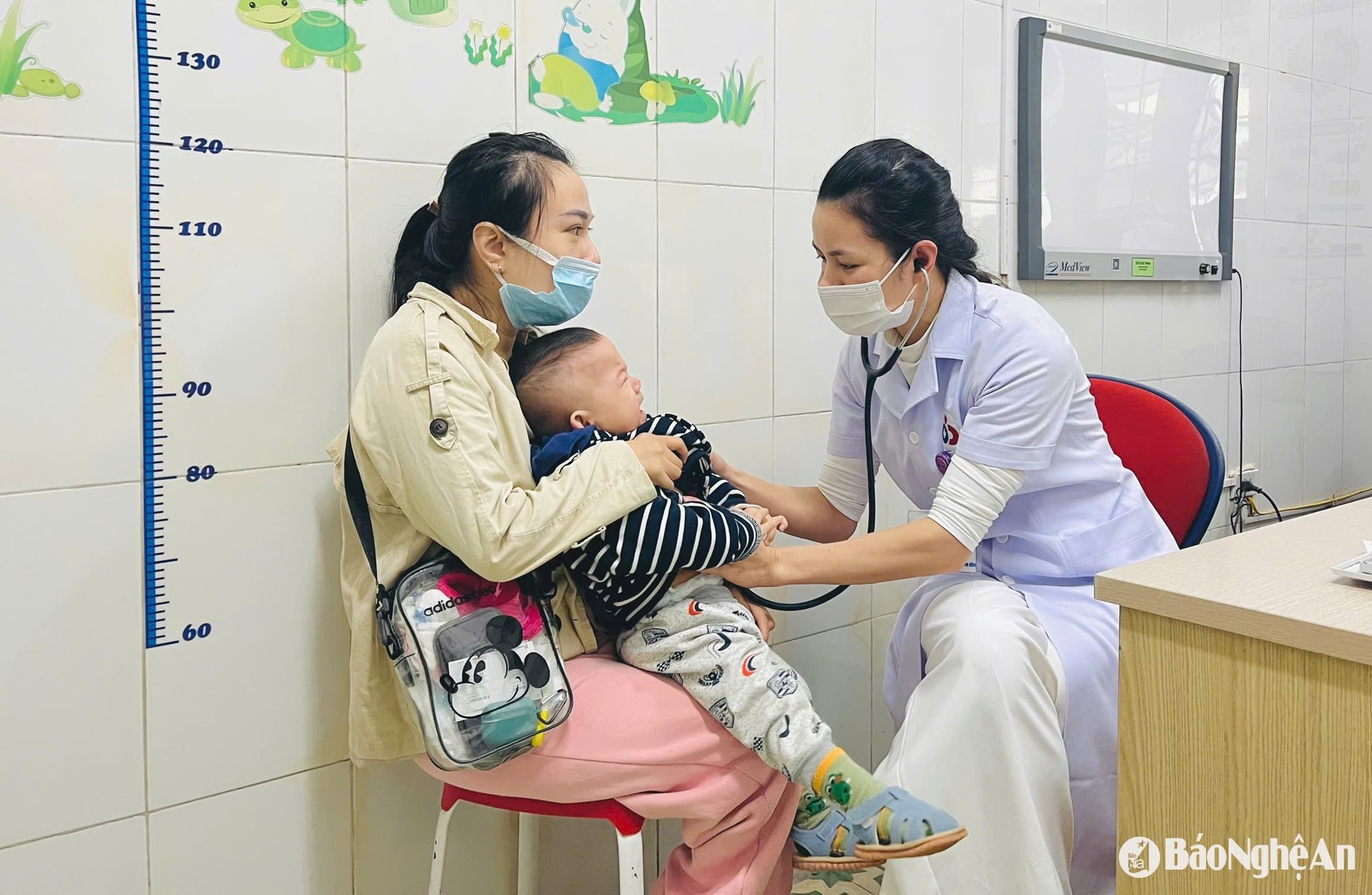
Recently, the weather has been constantly changing (cold in the morning, hot at noon, cold in the afternoon), and the humid environment has created favorable conditions for viruses to thrive, including the influenza virus. Children, with their weak immune systems, are very susceptible to illness during this period. In addition, the rate of children receiving influenza vaccinations is still low (influenza vaccine is not included in the national expanded immunization program).
Typically, children with influenza A or B who do not develop complications will have an illness lasting 5-7 days, with symptoms including high fever and cough. If a child has influenza A or B and develops pneumonia as a complication, the treatment duration will vary depending on the extent of lung damage.
To prevent colds and flu, parents need to boost their children's immunity by giving them supplements of micronutrients, minerals, and vitamins; eating plenty of fruits; and drinking plenty of water.
Maintain personal hygiene; keep the home, classroom, and surrounding environment clean. Parents should dress their children appropriately (dress them warmer in the morning; lighter clothes at noon; and warm clothes again in the evening) to prevent them from catching a cold.
Parents should avoid taking children to crowded places; if it is unavoidable, children should wear masks to prevent the spread of influenza and other viruses. Children should receive all necessary vaccinations.
When children suddenly develop a high fever, parents should take them to a medical facility immediately for examination and timely treatment to prevent complications.Doctor Vuong Thi Minh Nguyet, Specialist Level 2
Head of the Outpatient Department, Nghe An Obstetrics and Pediatrics Hospital


