
Hanh Lam, a borderland region, is bursting with new life...
Established after the merger of administrative boundaries, the newly formed Hanh Lam commune has gone through challenging times: severe natural disasters, rampant epidemics, and significant economic fluctuations. However, with resilience and a spirit of consensus, the Party Committee and the people of this area have paved the way for development, confidently entering the 2025-2030 term with high expectations for change.
The border region is vast and extensive...
In the history of the Vietnamese Revolution and the history of the Nghe An Provincial Party Committee, Hanh Lam is a place of special significance. Its old name was "Man Lam," meaning dense forest, a remote border region with majestic mountains. In the early 20th century, it was densely populated, even showing early signs of industry with lime kilns owned by the bourgeois landlord Nguyen Truong Vien, commonly known as Ky Vien. The intense conflict between the people and the plantation owners created the conditions for the early formation of a Communist Party cell, leading the masses in their struggle.
On May 1, 1930, hundreds of farmers from Hanh Lam rose up, burning down the Ky Vien plantation, gathering at Thuong Village communal house to present their demands and bravely resisting the brutal repression of the colonial and feudal regimes. Along with the strike of workers at the Truong Thi – Ben Thuy factory, this event is considered the starting point of the Nghe Tinh Soviet Uprising, and also the first rehearsal of the Vietnamese Revolution. The tradition of defiance, the upright spirit, and the aspiration for progress of our ancestors have become the spiritual foundation for the Party Committee and people of Hanh Lam today to move forward with confidence.
On the administrative map of Thanh Chuong district, Hanh Lam stretches like a green strip embracing the undulating mountain range on the Vietnam-Laos border. After merging the former Thanh Duc and Hanh Lam communes, the new commune has a natural area of over 274 km² – the largest in the district – and a population of nearly 14,000 people. This geographical location brings both unique advantages and numerous challenges.
To the east, Hanh Lam connects Cat Ngan and Tam Dong, where National Highway 46C runs like a red thread to the Ho Chi Minh Trail. To the west is Anh Son, to the north it borders Yen Xuan, and to the south it stretches across Son Lam and borders Laos with a border tens of kilometers long. This is a "gateway to the border," a strategic point for national defense and security, as well as a bridge for trade and friendly cooperation.
Despite its advantages, Hanh Lam still faces challenges. The terrain is predominantly mountainous, with a harsh climate: scorching summers and floods and landslides during the rainy season. The people mainly rely on agriculture and forestry, with small-scale production and low competitiveness. Attracting investment in industry and services remains limited due to its distance from economic centers. However, amidst these difficulties, Hanh Lam still holds great potential: vast land suitable for commercial agriculture and forestry, rich forest reserves, and beautiful scenery ideal for developing eco-tourism and cultural tourism linked to the Soviet revolutionary tradition.
In that remote border region, the people's unwavering commitment to the land and forest is like that of ironwood and teak trees standing firm against storms. It is this spirit that has helped Hanh Lam gradually overcome difficulties, opening up fruitful harvests for today and tomorrow.
Dguava changein the revolutionary land
The years 2020-2025 can be considered a pivotal period for Hanh Lam commune after the merger. The entire commune faced a double challenge: stabilizing the organizational structure while simultaneously confronting the COVID-19 pandemic and severe natural disasters. Land was left fallow due to drought, and African swine fever left many households penniless, causing instability in people's lives. However, thanks to the decisive leadership of the Party committee and the unity of the people, Hanh Lam has created positive changes.
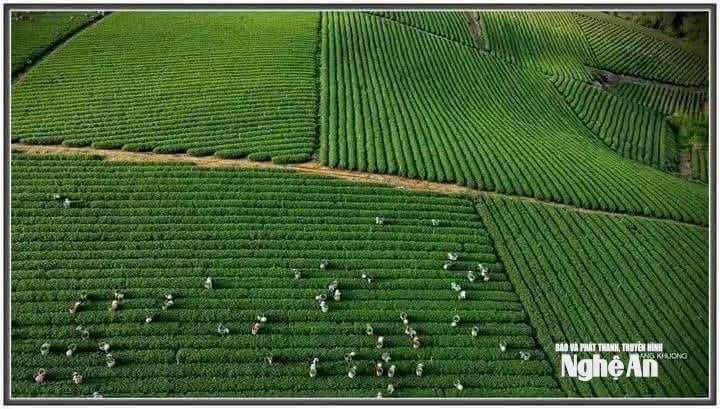
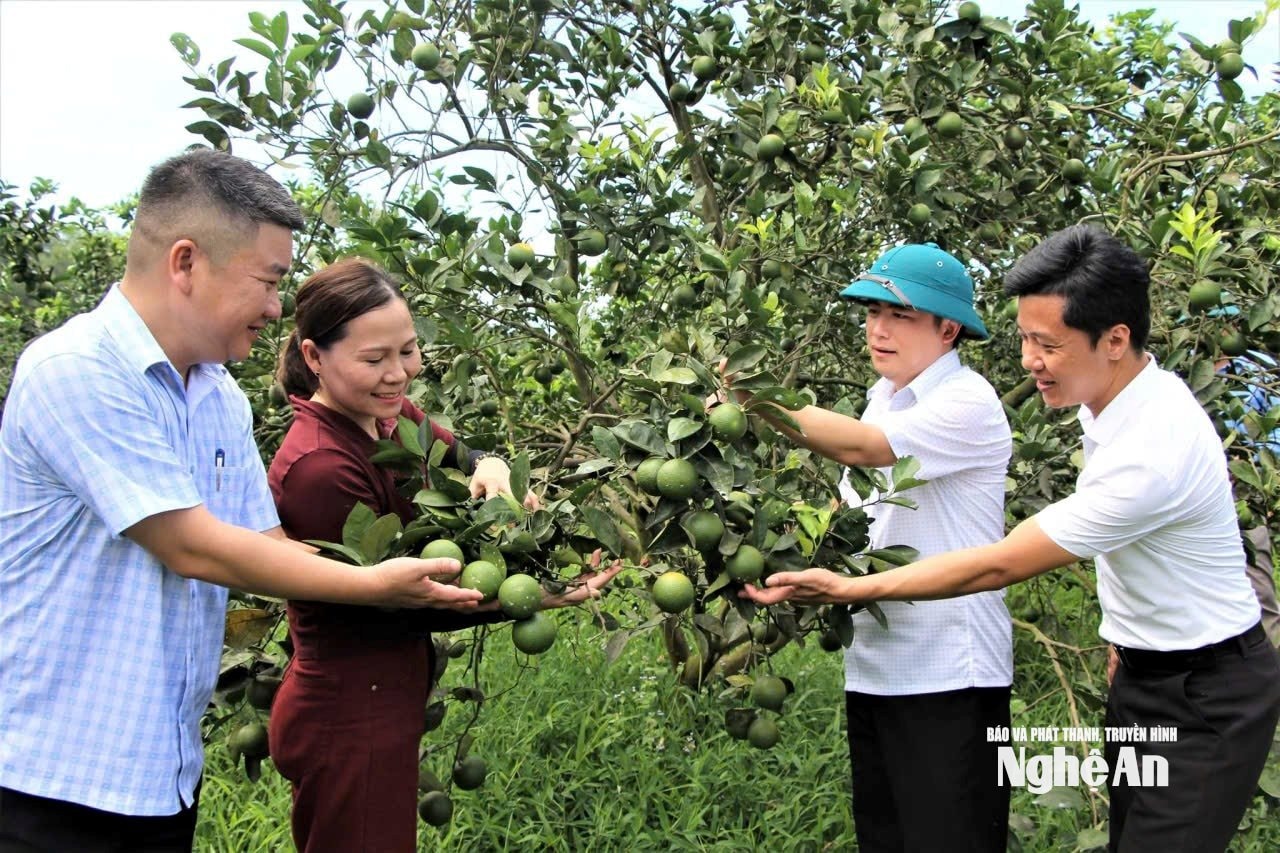
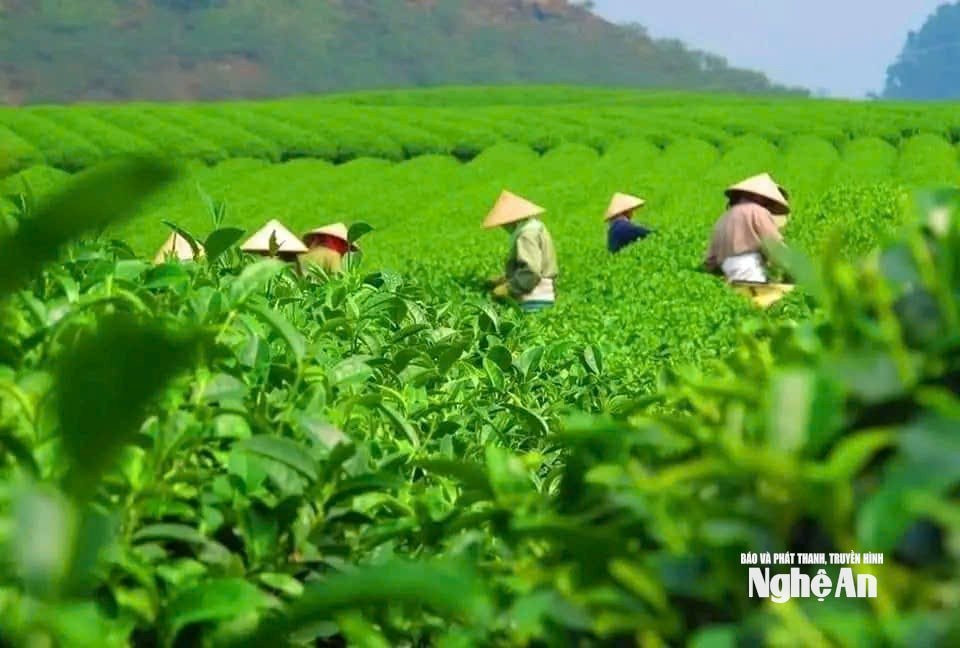
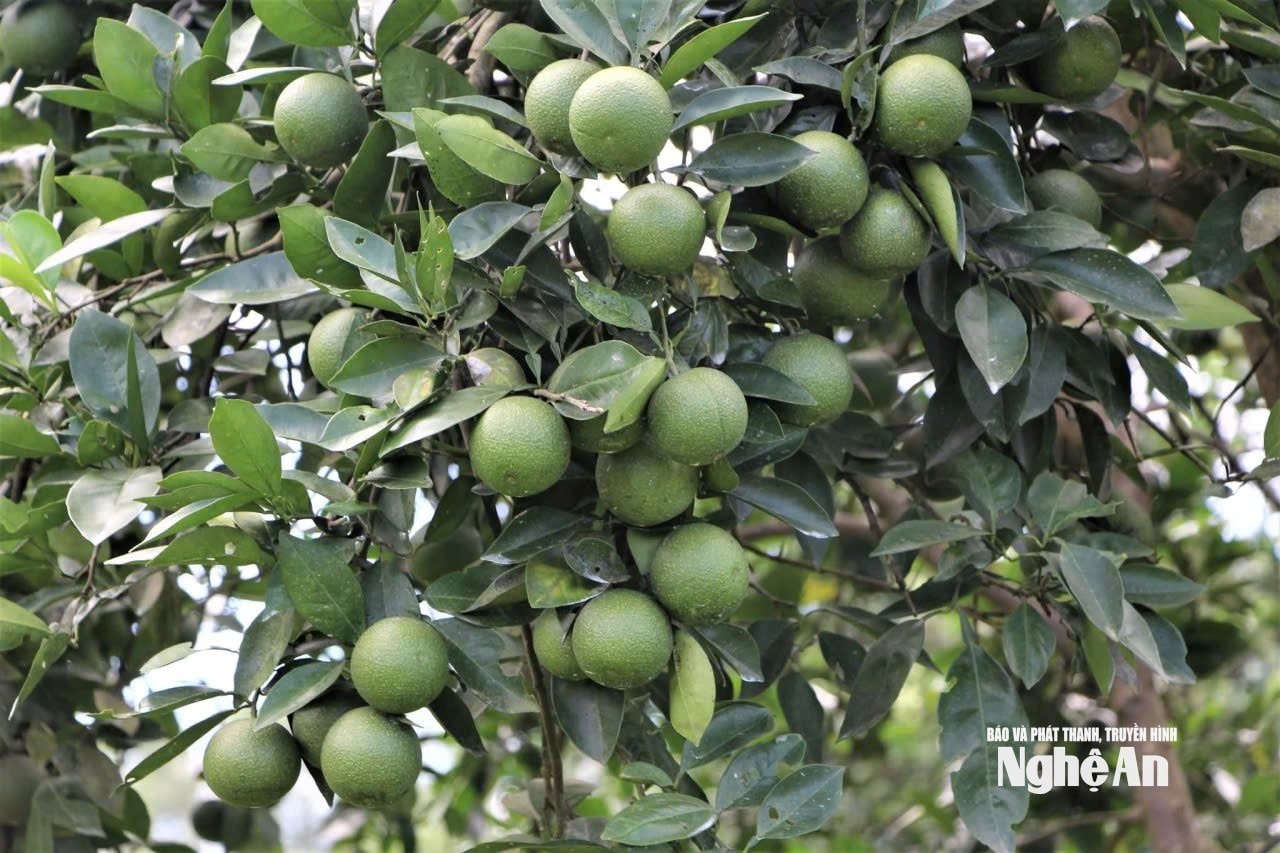
The economy has maintained an average growth rate of 10% per year. Per capita income has risen from 37.6 million VND in 2021 to over 63 million VND in 2025. These dry figures actually reflect a whole process of transformation: the lush green organic orange orchards at Dr. Khanh's farm, the tea and pumpkin gardens interspersed in the Lam Tap valley, or the large-scale pig and chicken farms in the villages. To date, the entire commune has 11 standard farms, dozens of small family farms, and hundreds of households engaged in production and business, all working together to create a new face of a transforming rural area.
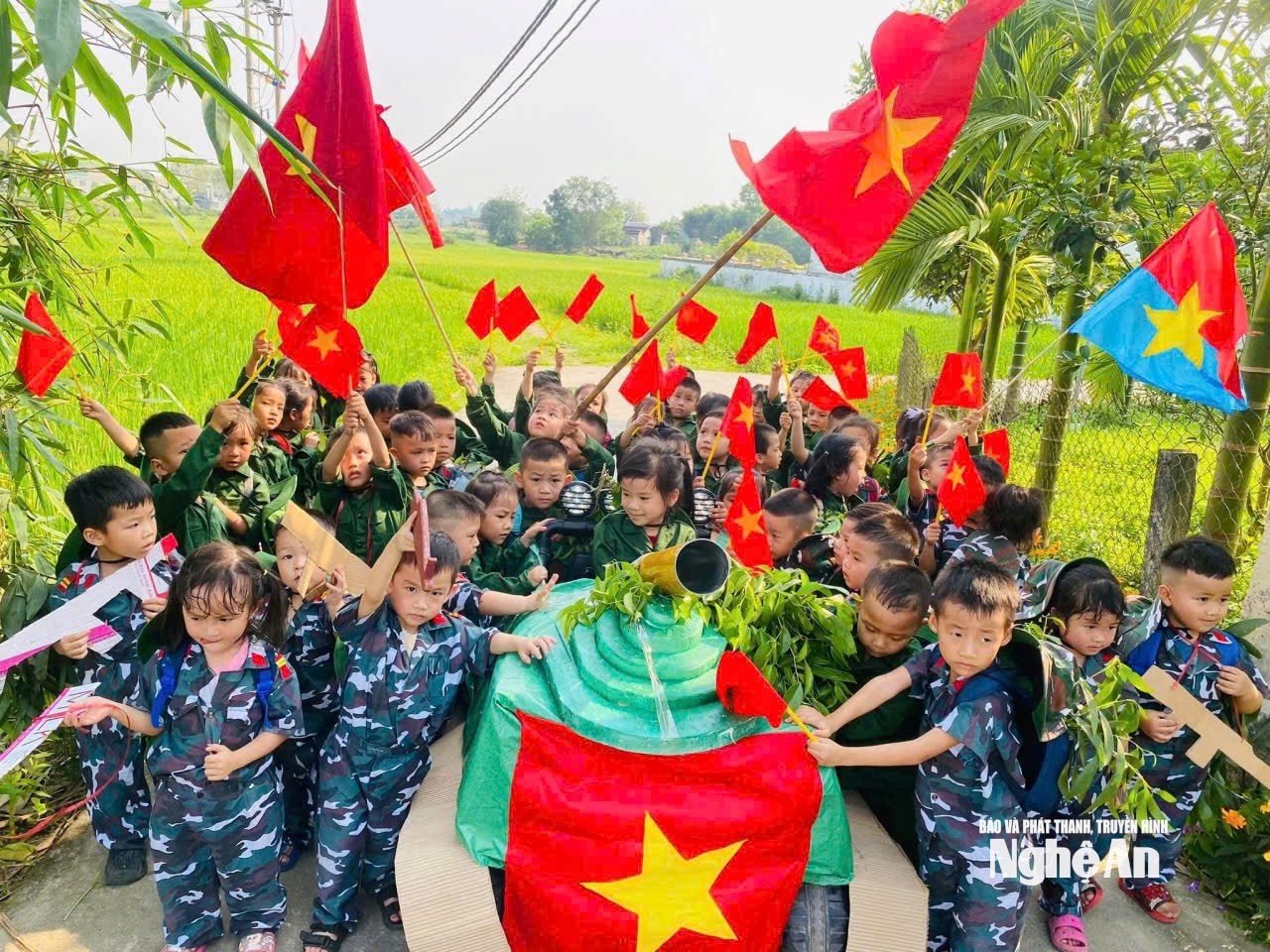
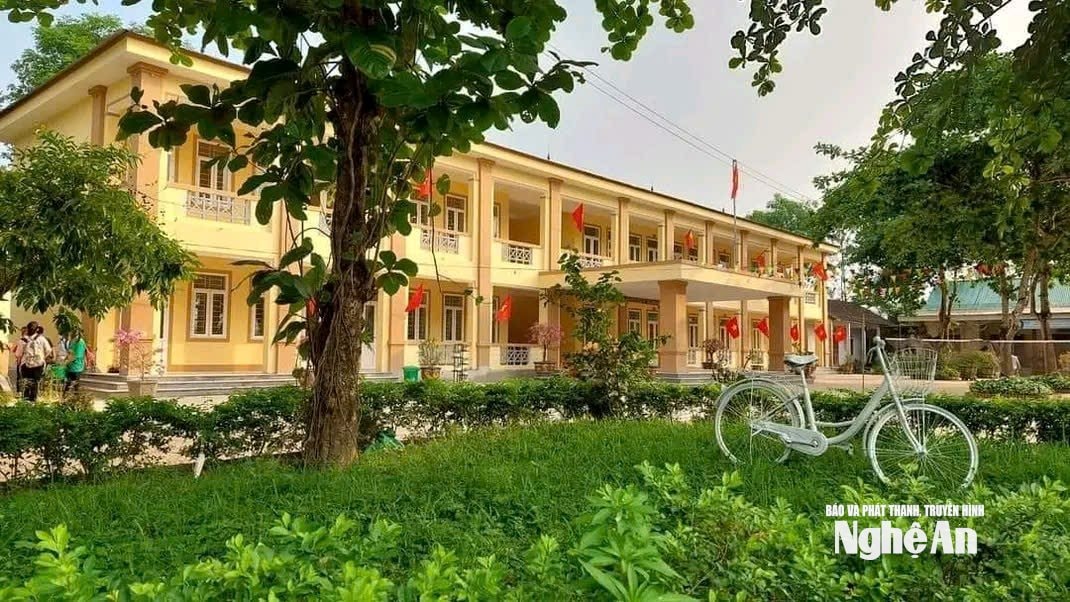
In particular, the new rural development movement has become a source of pride for Hanh Lam. While Thanh Duc achieved the new rural development standard in 2023, just one year later, Hanh Lam became the first border commune in Nghe An to achieve the advanced new rural development standard. Smooth concrete roads stretching through the villages, spacious schools, and brightly lit village cultural centers have turned long-held dreams into reality. Today, people travel on these new roads with evident joy, and children attend school in sturdy two-story buildings—all affirming the achievements of unity and collective effort.
Socio-cultural aspects have also seen positive changes. All six schools have met national standards, and many students from disadvantaged areas have risen above their circumstances, becoming a source of pride for their families and hometowns. The promotion of education and talent development has spread, with many clans and communities maintaining a lifelong learning movement. Healthcare and social security are ensured, and the poverty rate has decreased to below 2%.
In border regions, maintaining security and social order is always a crucial task. Throughout the term, Hanh Lam maintained a drug-free area, a stable border, and closely coordinated with border guard posts to firmly protect border markers and the border line. This peace has laid the foundation for socio-economic development.
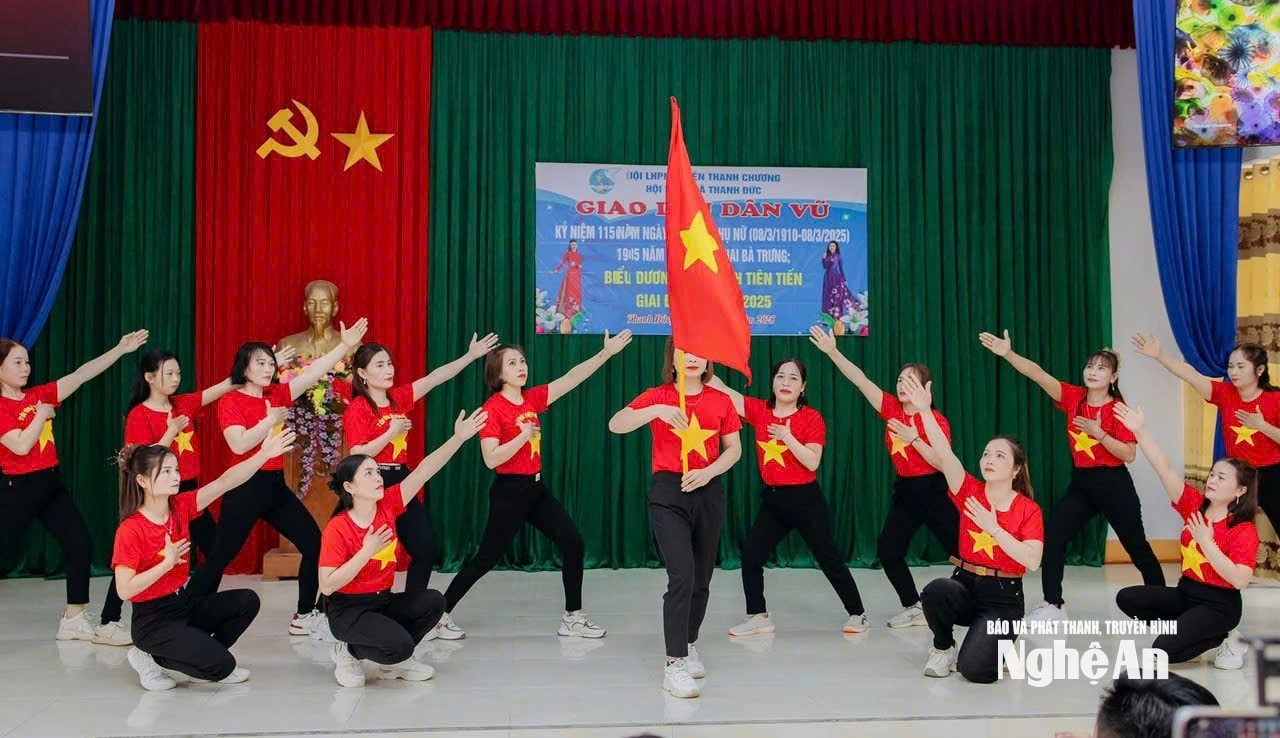
The past term has been a testament to Hanh Lam's strong progress. Although it still faces challenges that need addressing – inadequate infrastructure; some targets not yet met; income primarily from agriculture (over 90%); lack of large-scale concentrated livestock farming areas; services and trade mainly concentrated in the five-way intersection market area, with a very low percentage; industry mainly consisting of a few tea processing factories, operating inefficiently; and the continued existence of a passive mindset among some residents… above all, the achievements have affirmed a resilient, capable, and ambitious Hanh Lam.
KThe song echoes far and wide...
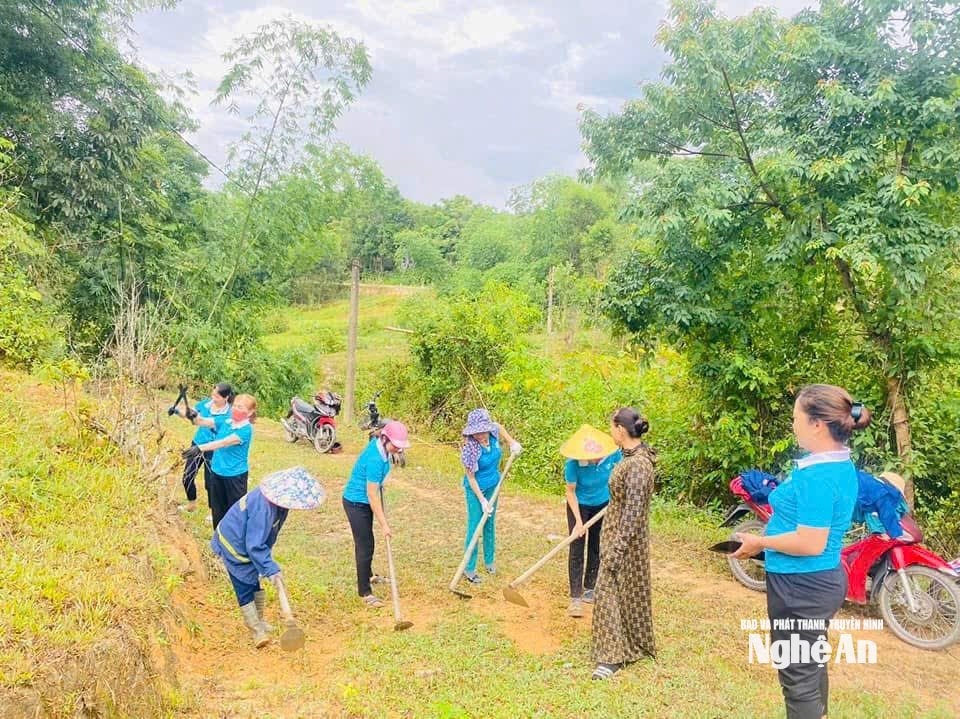
The first Party Congress of Hanh Lam commune, for the term 2025-2030, opens in the context of the country entering the era of digital transformation and deep integration. Hanh Lam clearly defines: It must transform potential into advantages, turn difficulties into motivation, and awaken the aspiration to rise up for rapid and sustainable development.
The biggest goal is for Hanh Lam to achieve advanced new rural standards by 2028. Simultaneously, per capita income will increase to 90-95 million VND/year; the economic structure will shift significantly with agriculture, forestry, and fisheries accounting for approximately 49%, industry and construction 23%, and services 28%; 100% of commune-level roads will be paved; all citizens will have access to clean water; 95-100% will have health insurance; a general plan will be established dividing the area into four zones (administrative-healthcare-school zone; commercial-service-industrial zone; industrial and fruit tree zone; large-scale concentrated livestock zone), with each zone potentially having multiple sub-zones; and a plan will be developed to build infrastructure and attract investment to achieve the goals set out in the resolution.
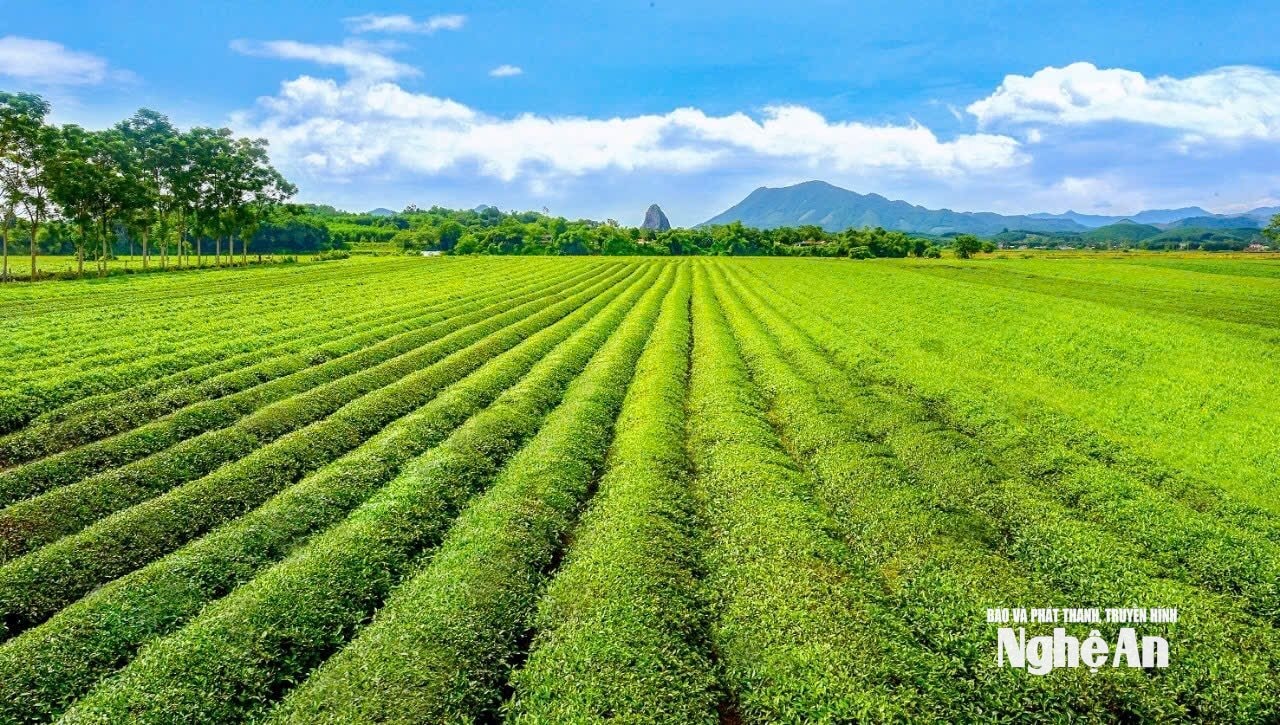
To achieve that goal, the Party Committee of the commune has proposed many comprehensive solutions. First and foremost is building a streamlined and effective political system, promoting the pioneering and exemplary role of cadres and Party members. Simultaneously, it focuses on developing the economy based on digital transformation and applying science and technology to production. Models like "digital agriculture – digital farmers – digital rural areas" will no longer be a distant concept, but will become a method to improve the productivity and quality of agricultural products, bringing Hanh Lam's OCOP products to a wider market.
Another key highlight is the expansion of regional connectivity. Once the Vinh – Thanh Thuy expressway is operational, Hanh Lam will no longer be "far" from the center, but will become an important trading hub. Products such as oranges, tea, plantation timber, and OCOP (One Commune One Product) products will easily reach consumers both within and outside the province. At the same time, the commune will leverage mechanisms and policies supporting border areas to attract investment, exploit the advantages of forest land and ecological landscapes, and aim towards developing community tourism linked to Soviet culture.
Culture and social affairs continue to receive attention, with the goal of 100% of schools meeting national standards, improving the quality of primary healthcare, and achieving sustainable poverty reduction. National defense and security are strengthened, with the people's support closely linked to the all-people border defense, firmly protecting border sovereignty and building friendship with neighboring villages in Laos.
That aspiration is not just a resolution; it is kindling faith in the hearts of every official, Party member, and citizen of Hanh Lam. It is the aspiration to transform this difficult border region into a prosperous, civilized, and culturally rich homeland, radiating colors of warmth, abundance, and happiness.
📊Impressive figures for Hanh Lam during the 2020-2025 term.
- Natural area:274.57 km², population 13,699 people.
- Party member:563 people, organized into 27 party branches.
- Economic growth:On average, 10.02% per year.
- Average income per capita:From 37.6 million VND (2021) to 63.2 million VND (2025).
- Economic structure:Agriculture, forestry, and fisheries 51%; Industry and construction 22.19%; Services 26.81%.
- Investment value in building new rural areas:165.8 billion VND; of which the people, expatriates, and businesses contributed 27.8 billion VND.
- Transportation infrastructure:50.62 km of new rural concrete roads have been completed.
- Education:All 6 schools meet national standards, and the enrollment rate for 5-year-olds in kindergarten and 1st grade is 100%.
- Poverty reduction:The poverty rate decreased from 3.2% (2021) to 1.77% (2025).
- OCOP products:Six products achieved 3-4 star ratings at the provincial level.
- National defense and security:The border area has maintained stability and has been recognized as "drug-free".


