
The consequences of driving a car with almost empty fuel.
Driving until you run out of gas, or only refueling when the tank is nearly empty, not only puts you at risk of having to push your car on the road but also damages the fuel pump.
The car only refuels when the tank is completely empty.
Many people have a habit of driving until the fuel tank is almost empty before going to a gas station to refuel. This not only puts you at risk of having to push your car along the road, but it can also damage your vehicle, prevent it from starting even after refueling, require roadside assistance, and cost a lot of time and money due to this carelessness and driving habit that needs to be abandoned.
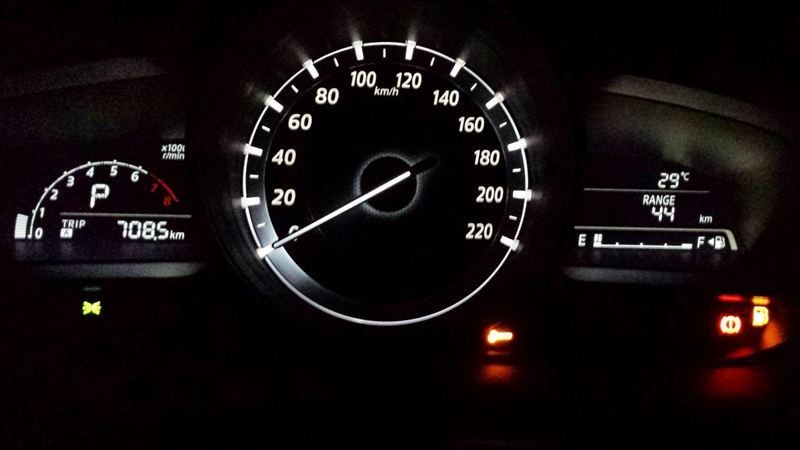 |
Always ensure you have a high fuel level in the tank, especially on long journeys or when driving on steep mountain roads. |
This malfunction occurs because when the fuel level in the tank is low, air enters and sucks into the fuel pump and fuel injector components, making it difficult for the system to resume operation even after refueling.
In addition, the fuel pump and filter components are designed to be submerged in fuel, so when the fuel level drops, they are easily affected by air. These types of damage are usually more severe in diesel engines than in gasoline engines.
Furthermore, after a period of use, a certain amount of sediment and impurities will accumulate in the fuel tank. When the fuel in the tank runs low, these impurities will be stirred up and sucked into the fuel filter, fuel pump, or fuel injectors, causing blockages and damage to the systems. This will result in significant costs to fix the damage caused by carelessness during vehicle use.
Therefore, it's essential to always maintain a high fuel level in the tank, especially on long journeys or driving on steep mountain roads, to avoid having to stop midway to refuel and to ensure the safety of the vehicle's fuel pump system.


