
Iran's short-range suicide drone ecosystem: The effectiveness of asymmetric tactics.
Analyzing Iran's short-range, highly maneuverable kamikaze drones, this study reshapes infantry firepower and tactics for neutralizing modern air defenses.
In modern warfare, the rise of suicide drones (UAVs) is reshaping Iran's asymmetric military strategy. Short-range suicide UAVs, with a range of under 150km, are specifically designed for direct combat support of infantry units. According to the International Institute for Strategic Studies (IISS), the most outstanding technical characteristic of this segment is its high maneuverability and optimal size for personal carrying or deployment from small mobile launchers.
Squad-level weapons: Meraj-521 and Sina
Typical examples of combat capabilities at a range of approximately 5km are the Meraj-521 and Sina UAVs. These are compact designs that utilize self-shaped penetrating explosive warheads (EFPs) weighing from 300g to 1kg, allowing for personalized guided firepower on the battlefield.
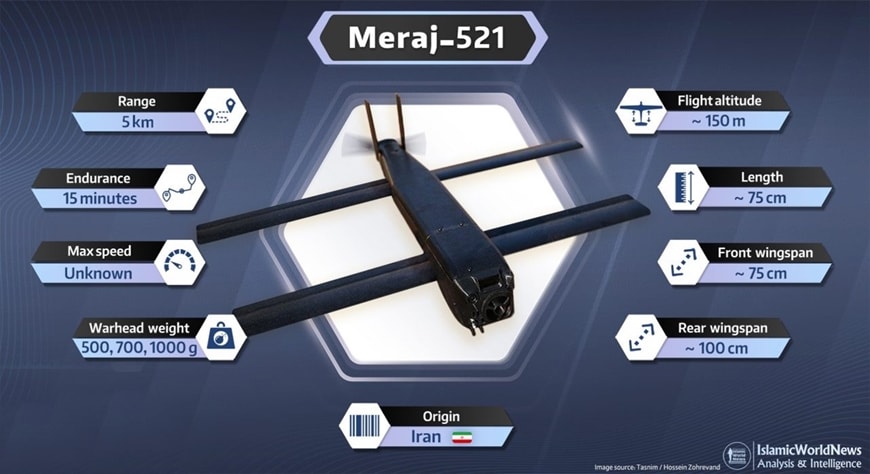
Data from the Tasnim news agency indicates that the Meraj-521 and Sina have folding wing assemblies, allowing them to be compactly housed within lightweight composite launch tubes. Weapons are propelled by cold compressed air before activating a micro-electric motor. The use of lithium batteries suppresses noise and thermal signals, allowing the UAVs to hover at altitudes of several hundred meters for 8-15 minutes searching for targets using electro-optical/ir (EO/IR) reconnaissance systems.
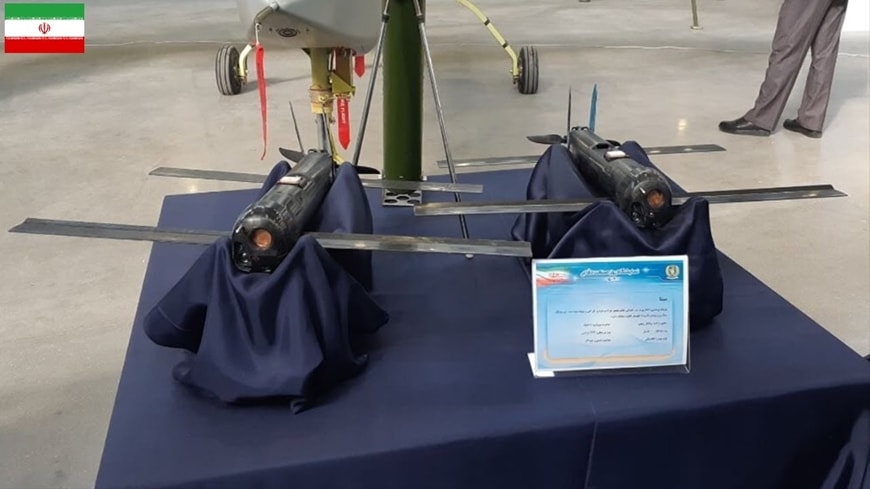
During border operations in 2022-2023, Iranian forces used the Meraj-521 to eliminate sniper positions and blind spots without artillery support.
Zhubin: A solution for an attack from a distance of 30km.
The Zhubin UAV series is an important addition to infantry firepower at ranges under 30km. Weighing approximately 5kg, the Zhubin can carry high-explosive or thermobaric warheads. Although detailed specifications have not been fully released, OSINT experts believe the Zhubin shares similarities with the Polish Warmate series in terms of plastic construction and electric motor.
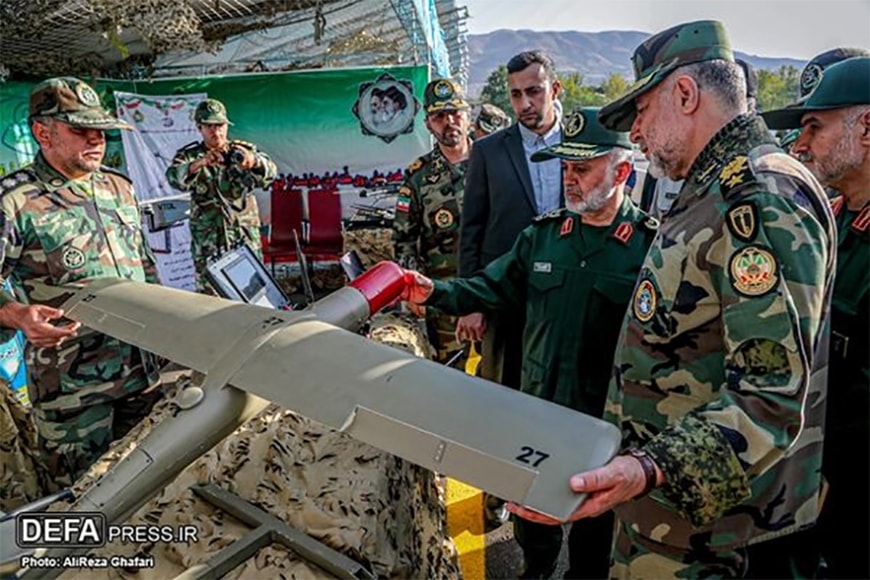
Notably, Zhubin was also observed participating in Iranian naval exercises, demonstrating its deployment capabilities from warships and submarines.
Ababil-2: A symbol of short-range combat with a 150km range.
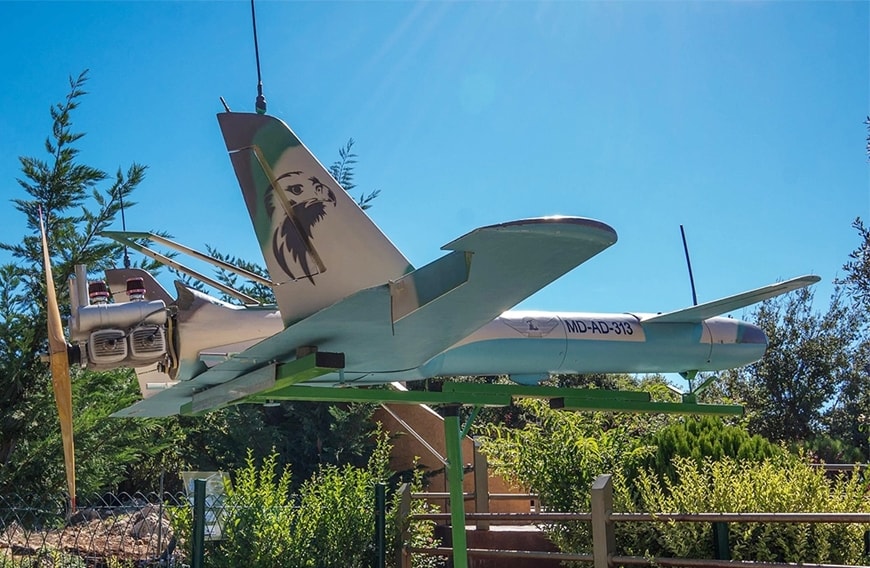
Extending the combat range to 100-150km is the Ababil-2 series. According to Jane's magazine, this UAV model has a cylindrical body, with a rear wing span combined with a front canard to increase stability and maneuverability. Weighing approximately 80kg and with a top speed of over 300km/h, the Ababil-2 can carry a payload of 40kg, including a camera or explosives.
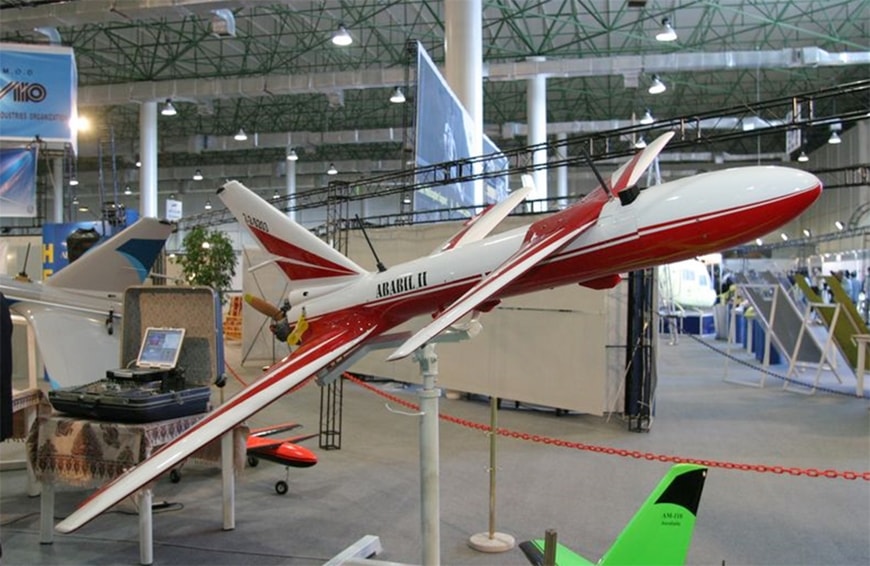
The Ababil-2 guidance system combines GPS and inertial navigation systems (INS). Variants of this series, such as Mirsad-1 (Hezbollah) and Qasef-1/2K (Houthi), have proven highly effective in regional conflicts.
Tactics to neutralize air defenses
In Yemen, Houthi forces have employed an innovative tactic with the Qasef drone. Instead of direct attacks, the drones are programmed to fly low along mountain passes to avoid early warning radar, then approach and detonate their fragmentation warheads directly above the antennas of Patriot PAC-3 air defense systems. This "blinding" method facilitates subsequent missile attacks, inflicting significant damage on expensive defense systems.


