
The MADIS system transforms JLTV into a close-range drone defense shield.
The US Marine Corps has introduced the MADIS system, mounted on the JLTV vehicle, which combines Stinger missiles, a 30 mm cannon, radar, and electronic warfare capabilities to counter drones and various types of low-flying aircraft.
The U.S. Marine Corps is deploying the Marine Air Defense Integration System (MADIS), a short-range air defense system mounted on a Joint Light Tactical Vehicle (JLTV), to enhance its ability to counter drones and other airborne threats. The new system allows for more mobile air defense deployment, replacing the previous approach which relied heavily on shoulder-fired missile systems.
Overview of MADIS and the need for close-range air defense.
The conflict between Ukraine and Russia has shown that the ability to counter drones and low-flying targets is a key element in modern warfare. Based on this reality, the U.S. Marine Corps developed and began mass production of MADIS in early fall of this year, following training and live-fire exercises.
The first live-fire exercise of MADIS took place as part of joint US-Philippines training in early 2025. Through training and trial deployments, the system is considered to fill a gap in the low-altitude air defense capabilities of the force, especially in the context of the increasing threat from small UAVs.
Configuring MADIS on the JLTV platform
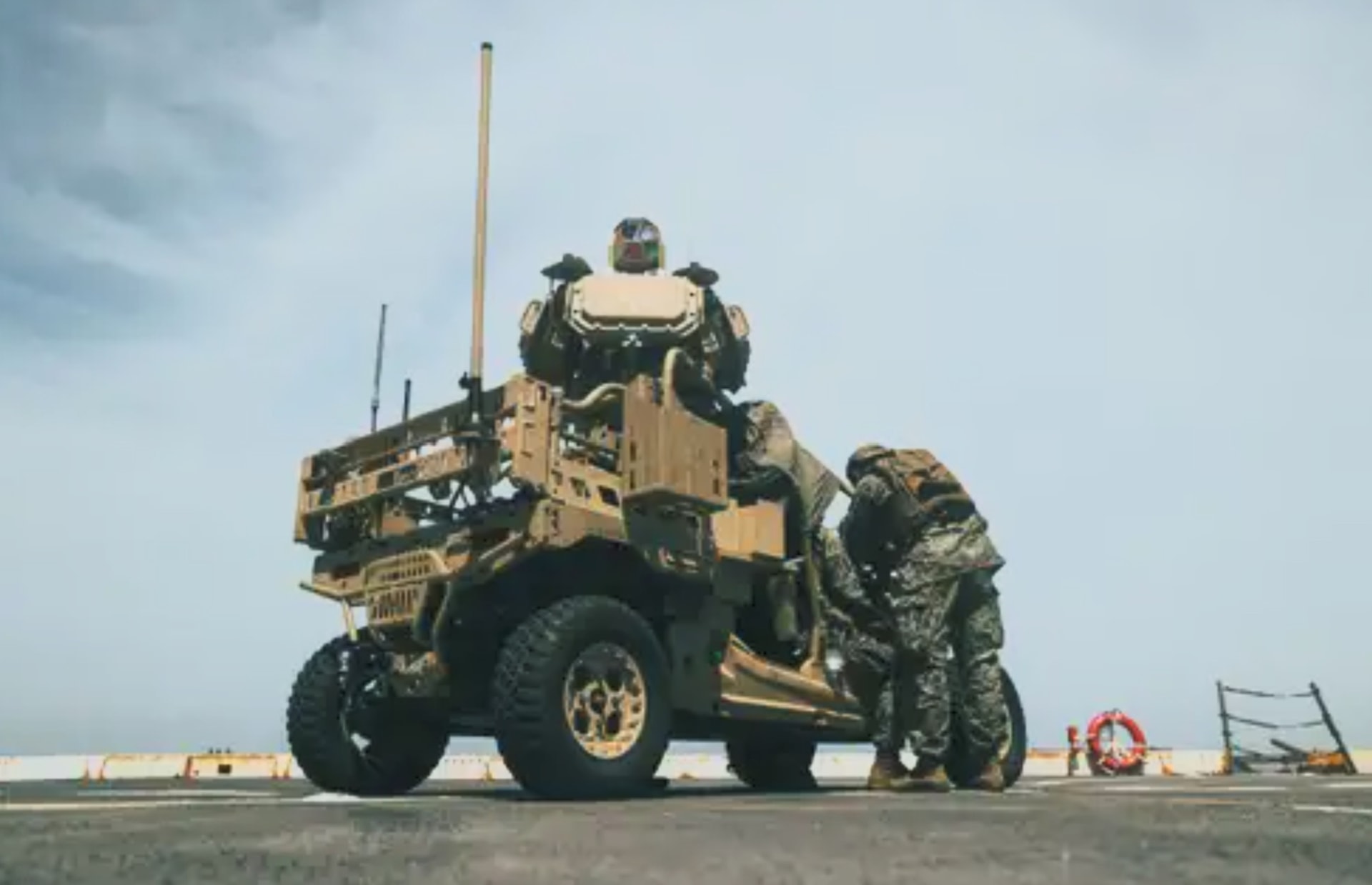
MADIS is mounted on top of a pair of JLTV vehicles, transforming these two light-medium vehicles into a unified ground-based short-range air defense system. The two vehicles operate in coordination: one focuses on countering drones, while the other specializes in countering helicopters and fixed-wing aircraft.
Fixed-wing aircraft are heavier-than-air aircraft that use fixed wings and forward velocity to generate lift. They are the most common type of aircraft, unlike helicopters which use rotary wings and require a runway for takeoff and landing.
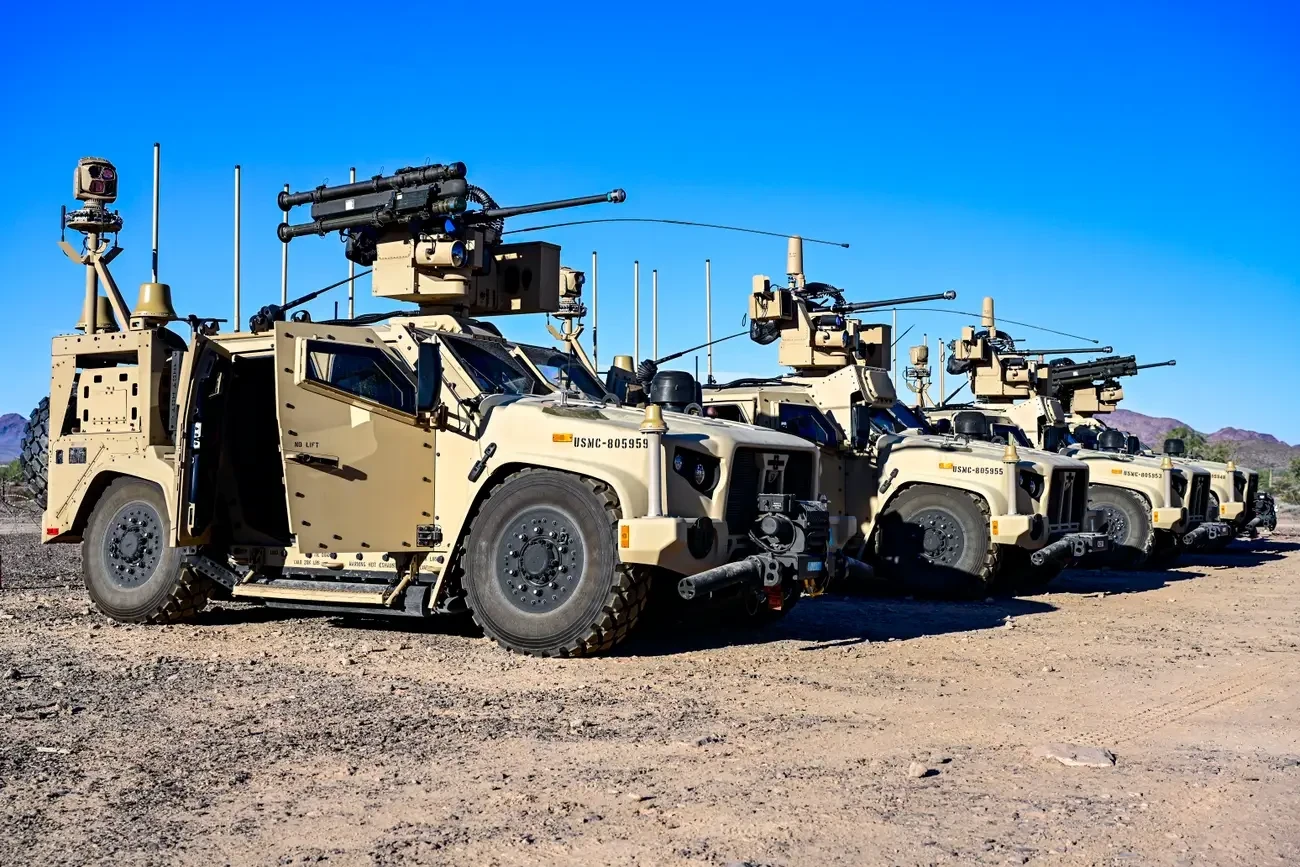
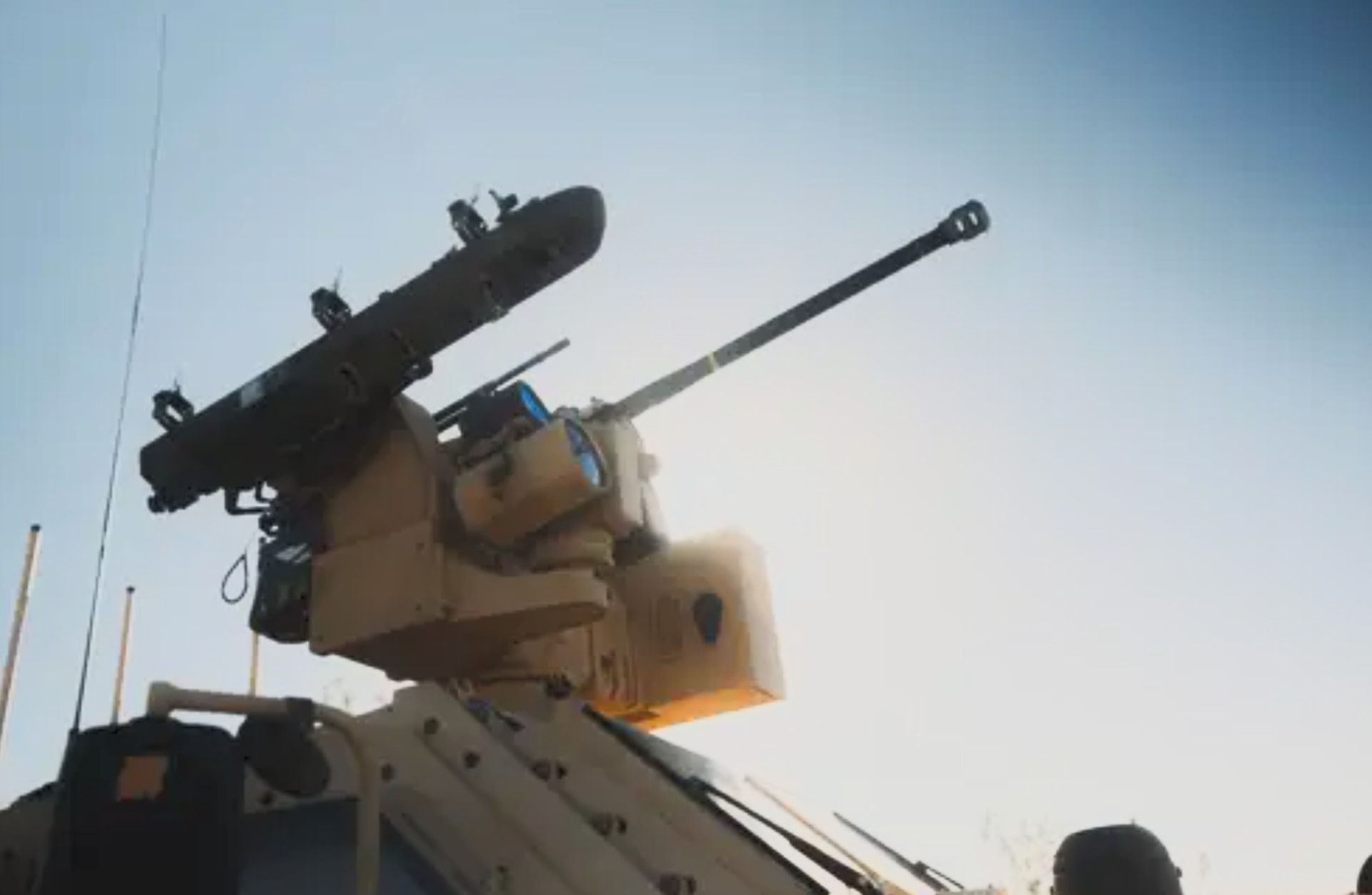
In terms of firepower, MADIS uses Stinger missiles in combination with a 30 mm cannon to destroy targets. The system is equipped with radar and electronic warfare equipment, allowing it to detect, track, and jam or suppress several types of airborne targets. Marines can operate MADIS while the vehicle is moving, creating a mobile air defense layer that closely follows the combat formation.
Comparing MADIS with the MANPAD man-portable missile.
MADIS is considered a significant upgrade over the Man-Portable Air Defense System (MANPAD) that was widely used in the U.S. Marine Corps.
| Criteria | MANPAD | MADIS on JLTV |
|---|---|---|
| Implementation method | Soldiers carrying supplies had to leave their vehicles to fire. | Mounted on a JLTV vehicle, it can operate directly from the vehicle. |
| Main weapon | Stinger shoulder-fired missile | Stinger missiles + 30 mm cannon |
| Sensors and support | It relies heavily on visual observation and handheld equipment. | Integrated radar, sensors, and electronic warfare systems. |
| Tactical mobility | Depends on infantry speed | Mobility at JLTV speed, suitable for mechanized formations. |
According to the U.S. Marine Corps, MADIS allows soldiers to complete the entire chain of engaging airborne targets: from detection and identification to firing, without relying on multiple separate systems as before.
Stinger missile in MADIS
The Stinger is a short-range anti-aircraft missile developed by the United States, originally used in a shoulder-fired configuration and now integrated into MADIS. The system uses an infrared seeker to track the heat source from the target engine. After launch, the missile automatically locks onto the target and flies to intercept it; no further control by the operator is required.
The Stinger is designed to attack low-flying targets such as helicopters, attack aircraft, and drones. The Stinger has a range of approximately 4-8 km depending on the version, with the ability to intercept targets at altitudes up to several kilometers. The missile carries a high-explosive warhead, using contact and proximity fuses, powerful enough to destroy or severely damage small and medium-sized aircraft.
Evolution and upgrades of MADIS
MADIS was developed by Kongsberg Defense & Aerospace (Norway) and has undergone several versions since its initial prototype. The current mass-produced version is described by the US Marine Corps as having improved sensors, algorithms, and maneuverability, which shortens the time to detect, target, and destroy targets.
Recent training and live-fire exercises have provided real-world data, leading to major upgrades to the system, particularly in the control software and the coordination between two JLTV vehicles within a MADIS system.
The operational role of MADIS in the island chain scenario.
One of the major challenges facing the U.S. Marine Corps is how to defeat small unmanned aerial vehicle (UAV) systems in potential future conflicts. With its high maneuverability and multi-layered sensor integration, MADIS offers a new protection option for forward-deployed forces.
As this force restructures for operations across the first island chain, from Japan to Taiwan and the Philippines, it needs systems that can move quickly, deploy flexibly, and provide more powerful firepower to counter a variety of airborne threats. MADIS is designed to meet those requirements, including scenarios involving confrontations with sophisticated adversaries such as China.
JLTV – a mobile platform for air defense systems.
The JLTV is a light-to-medium military vehicle developed to partially replace the Humvee, which has served for decades. It is designed to maintain the high mobility of a light vehicle while enhancing protection against modern threats.
In terms of protection, the JLTV is better armored than the Humvee, capable of withstanding infantry rounds, artillery shrapnel, and especially mines and improvised explosive devices (IEDs). The level of protection can be adjusted depending on the mission, helping to balance safety and weight.
In terms of mobility, the JLTV utilizes an advanced independent suspension system, allowing for stable movement across desert, mountainous, or rough terrain, while maintaining high speeds on paved roads. This enables units to quickly approach or withdraw from combat zones.
The JLTV is built as an "open platform." A variety of weapons, sensors, and electronic systems can be mounted on the same chassis, ranging from machine guns, automatic cannons, and anti-tank missiles to radar, sensors, and electronic warfare equipment. This allows the JLTV to perform multiple roles: troop transport, command and control, reconnaissance, air defense, or medical evacuation.
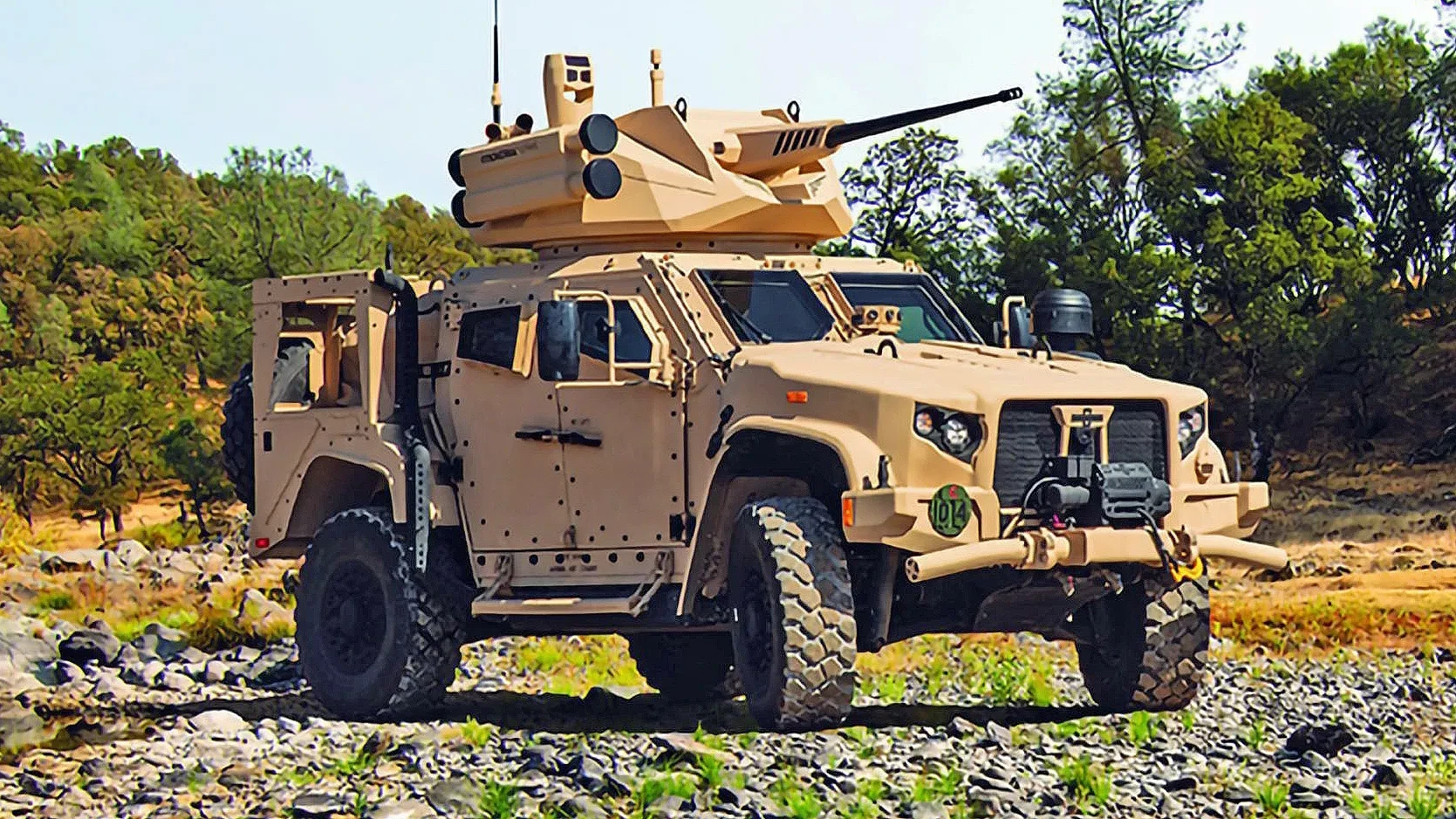
Currently, the JLTV is widely used in the US Army and Marine Corps, and has also been exported to several allies. The combination of the JLTV platform and the MADIS system creates a mobile close-in air defense layer, suitable for the dispersed, high-speed, and technologically advanced nature of modern conflicts.


