
The US Air Force's identification system: Multi-layered technology and data synchronization challenges.
The U.S. Air Force combines radar, IFF systems, and secure data links to distinguish allies on the battlefield, while also developing software to integrate the data.
In modern air operations, aircraft identification relies not on a single technology but on a combination of multiple layers of sensors and interconnected data systems. The core objective is to build a "common battle picture," where all forces monitor a unified battlefield in real time to accurately distinguish between allies and adversaries.
Identification layers in modern air warfare
The most basic tool in the identification process is radar, which uses radio waves to determine the distance, direction, and speed of a target. However, conventional radar can only confirm the presence of a flying object, not its identity. To address this problem, the Friend or Foe Identification (IFF) system is deployed as a critical layer of security. Upon receiving an inquiry signal, allied aircraft respond with encrypted identification codes.
In parallel with IFF, data links such as Link 16 play a crucial role in sharing target information and combat status between multiple platforms, from fighter jets to early warning aircraft. With advanced aircraft, the MADL (Multifunction Advanced Data Link) system provides a highly secure communication channel, minimizing the possibility of enemy jamming. Additionally, the IRST passive sensor allows for target detection via thermal signatures, particularly useful when operating in complex electronic warfare environments without the need for radar transmission.
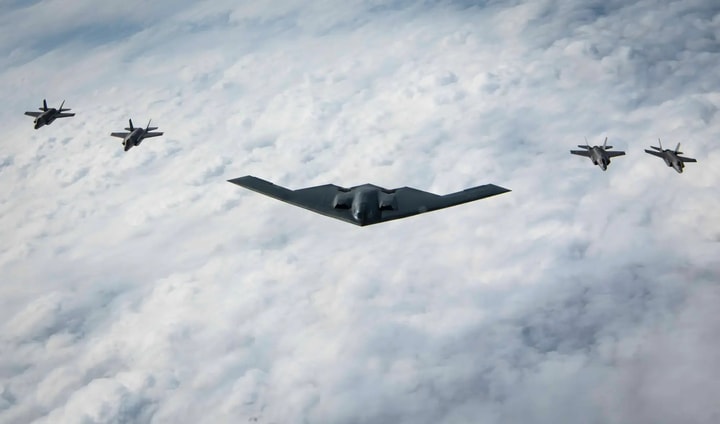
Causes of information mismatch and the risk of accidental shooting.
Despite their multi-layered design, identification systems still have vulnerabilities. When the IFF code fails to respond correctly or data is not shared promptly, the aircraft may be mistaken for an unidentified target. In fact, some F-15E Strike Eagle fighters and KC-135 Stratotanker refueling aircraft have experienced identification failures due to transponder malfunctions or outdated avionics systems that are not fully compatible with modern platforms.
Data fragmentation occurs when each platform has a different "view" of the battlefield. In electronic warfare environments, where signals can be spoofed or jammed, a lack of synchronized data significantly increases the risk of making wrong decisions. This demonstrates that military superiority lies not only in weapons but also in the ability to process information accurately.
Towards a consistent digital battlefield map.
To address existing gaps, U.S. defense officials are accelerating the development of a unified data software system. This system aims to create a single "digital battlefield map," integrating all information from radar, satellites, aircraft, and ground forces into a single, continuously updated interface.
Synchronizing the understanding between pilots and ground commanders is a crucial step in the trend towards data-driven warfare. Comprehensive connectivity not only minimizes the risk of friendly fire but also enhances the efficiency of inter-service coordination. In the future, processing and sharing information faster than the enemy will become the deciding factor in complex conflict situations.


