
The Patriot system faces challenges from Iran's saturation tactics.
Coordinated attacks involving inexpensive UAVs and advanced missiles from Iran are exposing the technical and economic limitations of the Patriot air defense system in the Middle East.
The Patriot air defense system, a symbol of America's missile shield, is facing significant pressure from suicide drone and missile attacks from Iran. Battlefield realities reveal vulnerabilities, with the system failing to successfully intercept all targets, sparking debate about the effectiveness of this expensive weapon against new attack tactics.
Interception incident at Al Udeid base
In a recent report, the Patriot's ability to defend against large-scale attacks has been questioned. At Al Udeid Air Base in Qatar on February 28th, data recorded that three Patriot interceptor missiles were launched to counter an Iranian missile but failed to destroy the target. These instances of interceptor missiles missing their targets or falling to the ground highlight the psychological and technical pressures of maintaining constant readiness.
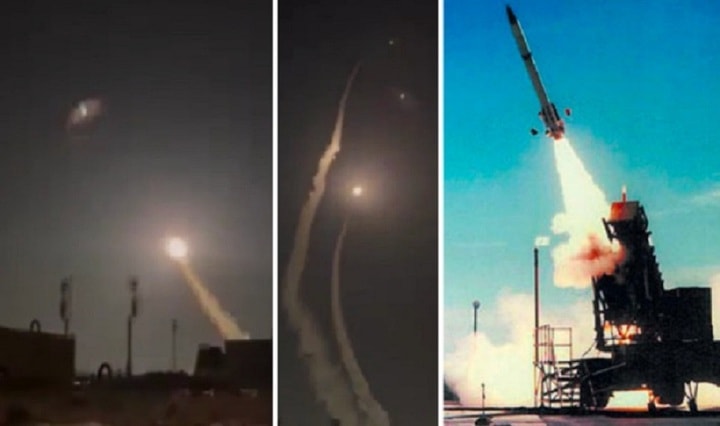
Saturation tactics and the depletion problem
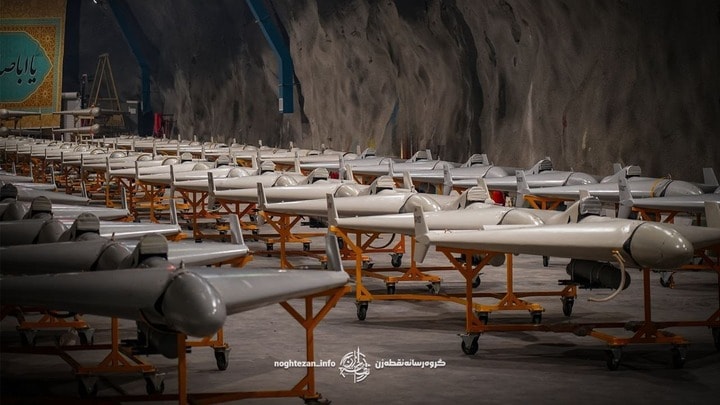
The primary reason for Patriot's difficulties lies in its saturation attack strategy. By deploying hundreds of attack vehicles simultaneously, Iran forced the defense system to disperse its resources. In the UAE, defense agencies reported having to deal with 174 ballistic missiles, 8 cruise missiles, and nearly 700 UAVs in the early stages of the conflict. When the number of targets exceeds the simultaneous processing capacity of the radar and launchers, the system's effectiveness is significantly reduced.
Furthermore, the cost disparity creates an unfavorable war of attrition. While an Iranian suicide drone costs only tens of thousands of dollars, each Patriot interceptor missile costs several million dollars. Using high-tech weapons to intercept inexpensive targets not only wastes budget but also risks depleting interceptor missile stockpiles in prolonged conflicts.
Limitations of radar against low-flying targets.
The Patriot system is optimized to intercept fast-flying, high-altitude targets such as fighter jets or ballistic missiles. However, Iranian UAVs often fly at very low altitudes and slow speeds, making them difficult for air defense radars to distinguish from background noise or resulting in delayed detection. In Kuwait, a UAV attack that penetrated the air defense network caused casualties, demonstrating the shortened response time when dealing with small drones.
Improvements in technology and bait
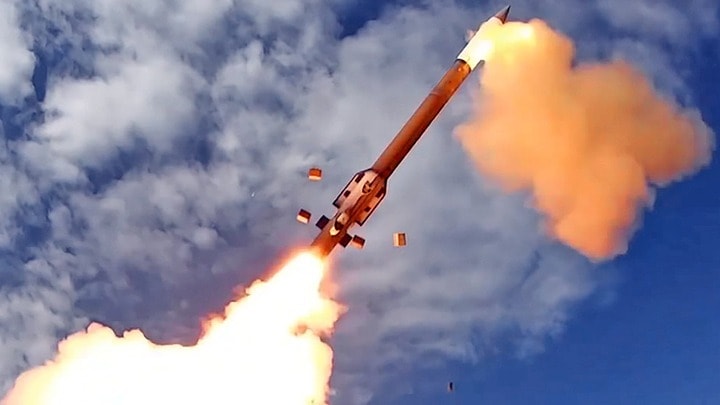
Beyond UAVs, Iran's new ballistic missile variants are also changing their approach to targets. Some are capable of flying on semi-ballistic trajectories or changing direction in the terminal phase, complicating the guidance calculations of the Patriot system. The use of radar decoys and dummy targets also confuses defense systems, leading to wasted ammunition on unimportant targets. These changes indicate that modern warfare is shifting towards prioritizing low-cost weapons with intelligent tactical deployments to neutralize expensive defense systems.


