
UAE air defense systems intercepted a series of missiles and UAVs from Iran in the Strait of Hormuz.
UAE air defenses have activated a system to intercept targets from Iran amid the US-Iran conflict in the Strait of Hormuz threatening the ceasefire agreement.
The United Arab Emirates (UAE) Ministry of Defence announced on May 8th that its air defense forces successfully intercepted a series of missiles and unmanned aerial vehicles (UAVs) launched from Iran. This incident occurred amidst significantly heightened military tensions in the Middle East, particularly along the shipping lanes of the Strait of Hormuz.
UAE activates large-scale air defense system.
According to an official announcement on social media platform X, the UAE confirmed that interceptor explosions were recorded in various areas across the country. However, military officials have not released details about the specific number of targets or the exact timing of the attacks. There are currently no reports of casualties or property damage following the incident.
To ensure safety, the UAE advises citizens to absolutely refrain from approaching, photographing, or touching any debris that falls after the interception. This is a standard safety procedure to avoid risks from leftover explosives or chemicals from enemy missiles and UAVs.
Direct conflict between the US and Iran in the Strait of Hormuz.
The attack on the UAE occurred just hours after intense clashes between US and Iranian forces in the Strait of Hormuz on the evening of May 7th. The US Central Command (CENTCOM) confirmed it successfully thwarted attacks targeting three US Navy warships operating in the area.
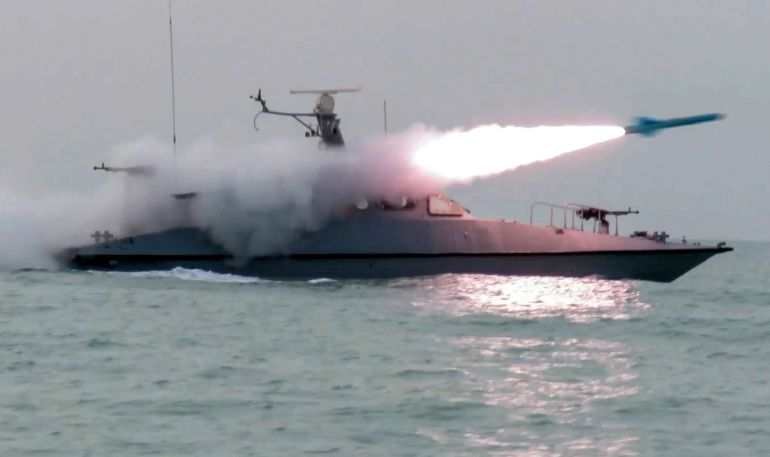
CENTCOM confirmed that no US warships were damaged. The US responded with self-defense strikes targeting Iranian military facilities. President Donald Trump said that despite the tense situation, the ceasefire, which took effect on April 8, was still in place, but he also warned Iran would face serious consequences if a final agreement was not reached.
Maritime control measures and legal risks
Alongside its military actions, Iran established the "Persian Gulf Strait Management Authority" with the aim of reviewing and collecting fees from ships passing through the area. International maritime law experts warn that this move shows signs of violating international law, particularly the right of peaceful passage for ships in international straits.
Analyzing the current situation, Donald Jensen, a former US diplomat, described it as a strategy of "controlled escalation." According to him, both Washington and Tehran are using military force to increase their leverage at the negotiating table, focusing on securing freedom of navigation before addressing more complex issues such as the nuclear program.


