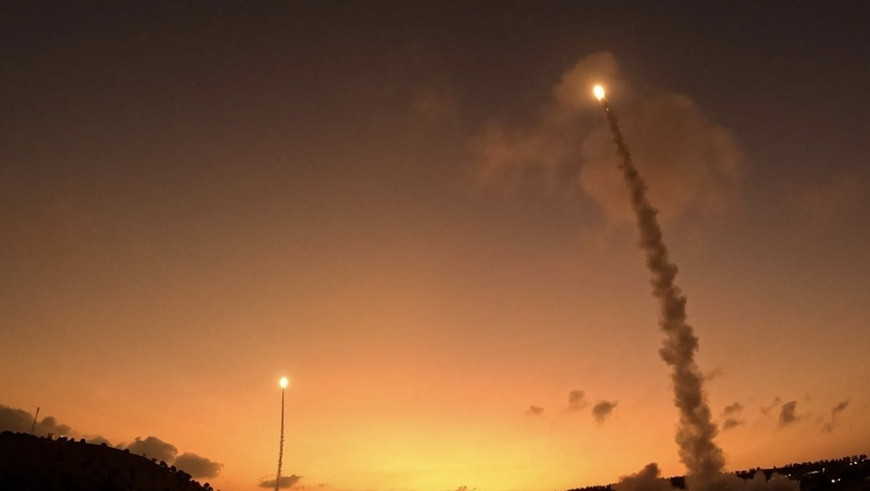
Arrow air defense system: A strategic shield protecting Israeli airspace.
As the highest level of defense in the multi-layered network, Arrow specializes in intercepting long-range ballistic missiles outside the atmosphere, with a projected combat success rate of 86% by 2025.
In Israel's multi-layered missile defense architecture, the Arrow system serves as the top-tier shield, designed to detect and intercept long-range ballistic missiles before they reach its territory. With variants ranging from Arrow-2 to Arrow-4, the system currently represents a strategic line of defense against some of the most dangerous missile threats in the region.
History of development and context of origin
The origins of the Arrow date back to the end of the Cold War, when Israel recognized the urgent need for a long-range missile shield. This urgency increased after Iraq launched a barrage of Scud missiles at Israel during the Gulf War, exposing gaps in its defense capabilities. On May 6, 1986, the United States and Israel signed a memorandum of cooperation under the Strategic Defense Initiative (SDI) to develop an extra-atmospheric interceptor missile.
A significant breakthrough was achieved in 1994 when Arrow-1 successfully destroyed a simulated target, paving the way for Arrow-2. Israel deployed its first Arrow-2 battery at Palmachim base in October 2000 and a second battery near Haifa in 2002. By March 2017, Arrow-2 recorded its first combat engagement when it intercepted a surface-to-air missile from Syria.
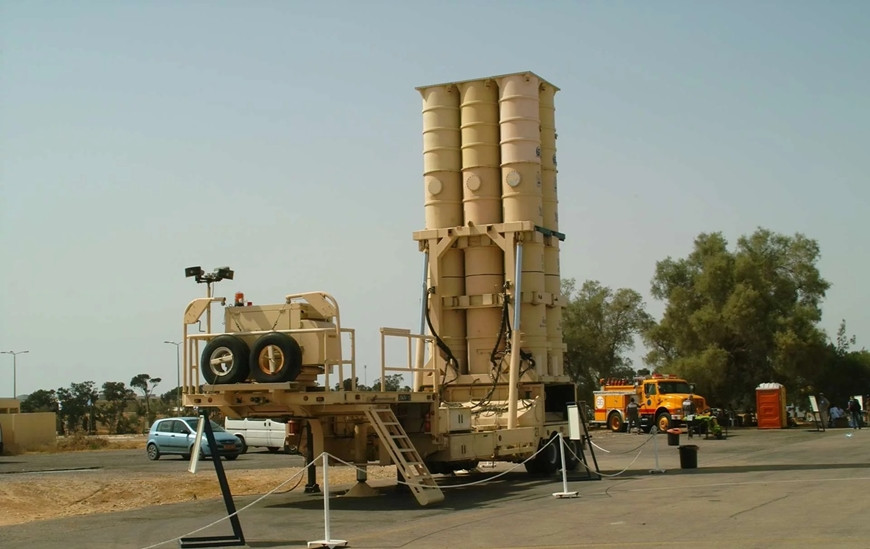
The evolution of the Arrow-3 and Arrow-4 generations.
The Arrow-3 program began in 2007 and was officially commissioned into the Israeli Air Force in January 2017. Unlike the Arrow-2, which uses a fragmentation warhead, the Arrow-3 employs hit-to-kill technology. This missile is lighter, more maneuverable, and capable of intercepting targets at altitudes above 100km with a range of up to 2,400km.
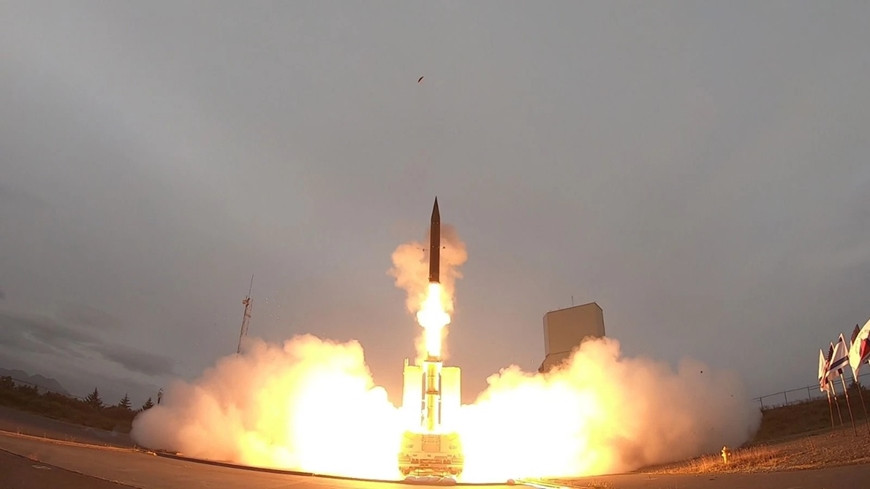
In February 2021, Israel and the United States announced the development of Arrow-4 to replace Arrow-2 in intra-atmospheric missions. Arrow-4 is designed to counter maneuverable warheads and hypersonic glide vehicles. The core difference of Arrow-4 lies in its guidance architecture, which incorporates artificial intelligence (AI) and machine learning algorithms, allowing for highly accurate data processing and target locking on hypersonic targets.
Unified combat network structure
Despite passing through many generations, the Arrow system has maintained its three main components: sensors, a command center, and interceptor missiles. The Green Pine radar acts as the "all-seeing eye," capable of detecting targets from a distance of 500km and tracking flying objects traveling at speeds exceeding 3,000 meters per second.
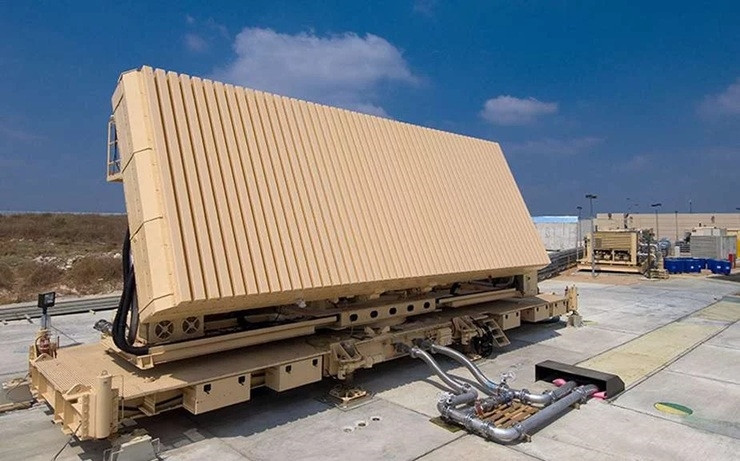
Data from the radar is transmitted to the Golden Citron combat management network. This system is capable of automatically processing 14 targets simultaneously, coordinating the launchers (each containing 6 vertical launch tubes) to respond quickly to complex attack scenarios.
Actual combat effectiveness
The technical specifications of the different versions vary significantly in order to optimize each layer of defense:
| Parameter | Arrow-2 | Arrow-3 |
|---|---|---|
| Mechanism of destruction | directional fragmentation warhead | Direct collision (Hit-to-kill) |
| Interceptor altitude | Approximately 50km | Over 100km (Outside the atmosphere) |
| Interception range | 90km | 2,400km |
| Maximum speed | 11,000 km/hour | Over 11,000 km/h |
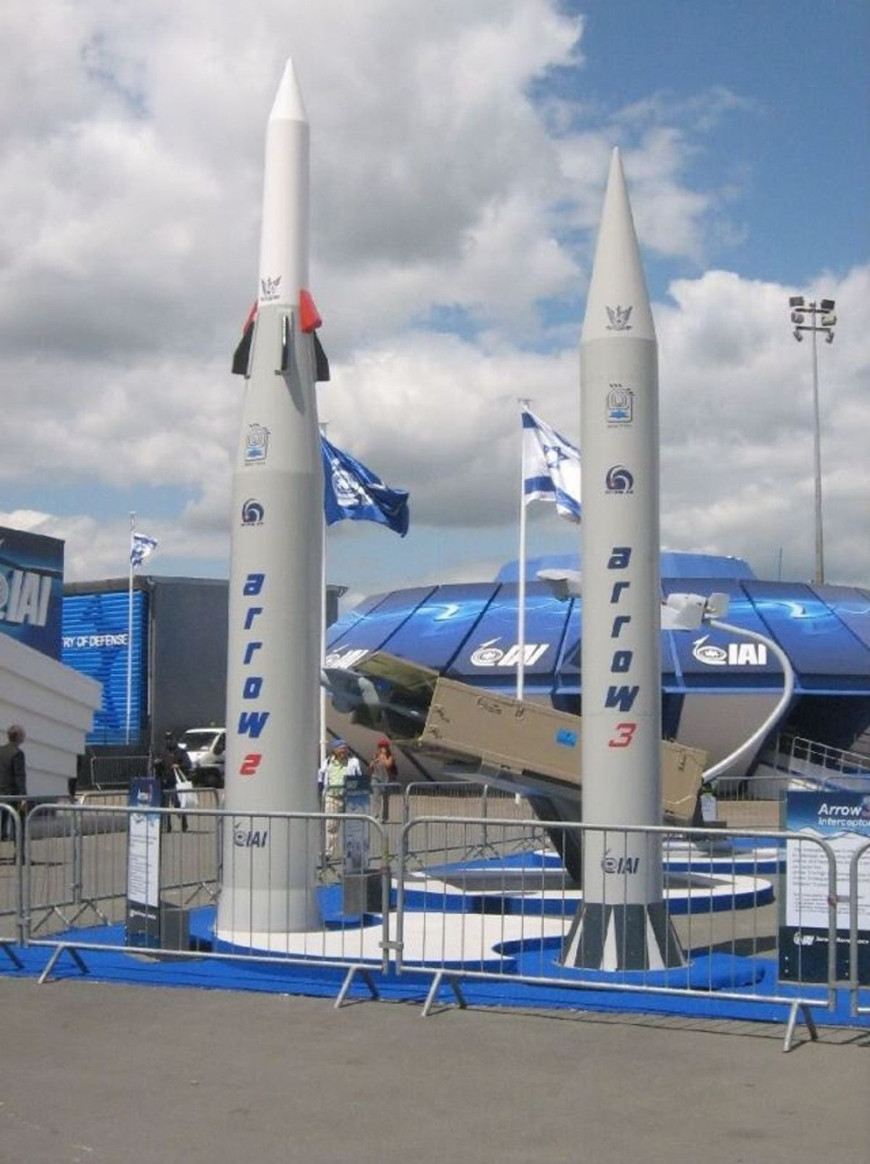
According to data from the Israeli Ministry of Defence, the Arrow system demonstrated its strategic value during confrontations in 2024 and 2025. Specifically, in Operation "Rising Lion," which took place from June 13 to 23, 2025, the system achieved an 86% interception rate against ballistic missiles launched by Iran. This figure confirms Arrow's pivotal role in a multi-layered defense network, protecting Israeli airspace from geopolitical fluctuations.