
Russia's Iskander missile system and the challenge to Western air defense networks.
With its orbital maneuverability and supersonic speed, the Iskander system significantly reduces the effectiveness of air defense systems like Patriot in combat.
By 2026, the 9K720 Iskander operational-tactical missile system had established itself as one of the most important weapons in the Russian military. After rigorous combat testing, the system demonstrated technological advantages that prompted Western military experts to comprehensively reassess current missile defense capabilities.
Supersonic technology and variable orbits
The key to Iskander's ability to overcome modern air defense systems lies in its combination of supersonic speed and unpredictable flight trajectory. The Iskander-M version, using the 9M723 missile, can reach speeds of Mach 6 to Mach 7 (approximately 2,100–2,600 m/s) at its peak altitude of 50 km.
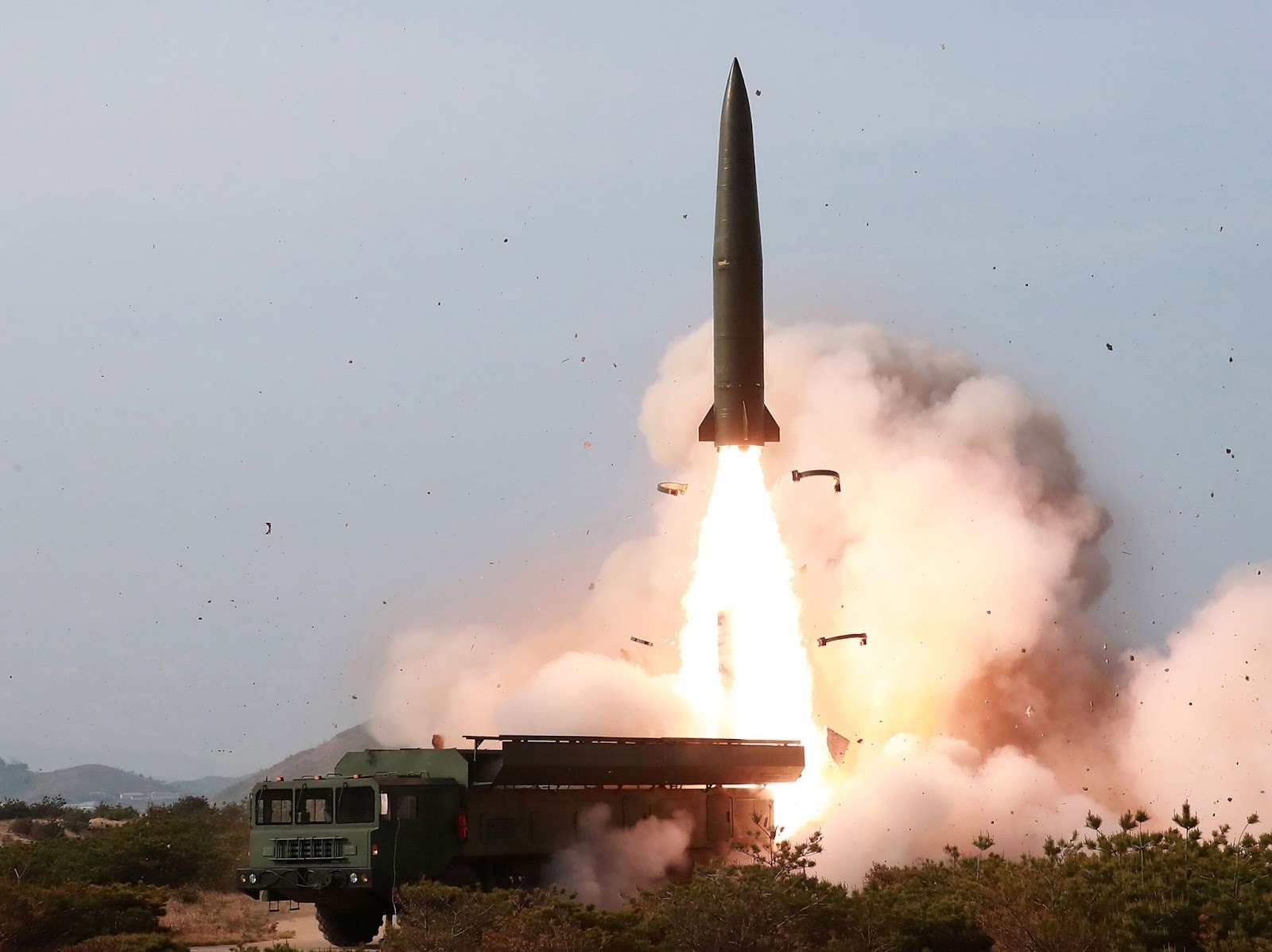
Unlike traditional cruise missiles that fly along a fixed parabolic trajectory, the Iskander, in its final stage, plunges vertically at almost a 90-degree angle. During this process, the missile continuously performs simulated maneuvers with a gravitational overload of up to 30g, creating a false trajectory that renders interception calculation systems ineffective.
Patriot system performance has declined.
The US Patriot system is based on kinetic interception technology, requiring interceptor missiles to physically collide directly with the target. Military analyst Alexey Leonkov believes that accurately hitting a target with a constantly changing trajectory like the Iskander is nearly impossible.
The reality on the battlefield shows that air defense performance has seriously declined. While the ballistic missile interception rate reached 37% in August 2025, by September of the same year, this figure had dropped to only 6%. One of the main reasons is believed to be that Russia updated its guidance software, allowing missiles to perform sudden evasive maneuvers just before impact.
Iskander-1000 Project: Next Generation
Although the Russian Ministry of Defense has not officially confirmed it, open-source intelligence data is focusing on a variant known as the Iskander-1000. This is considered a deep modernization aimed at increasing the system's firepower and range.
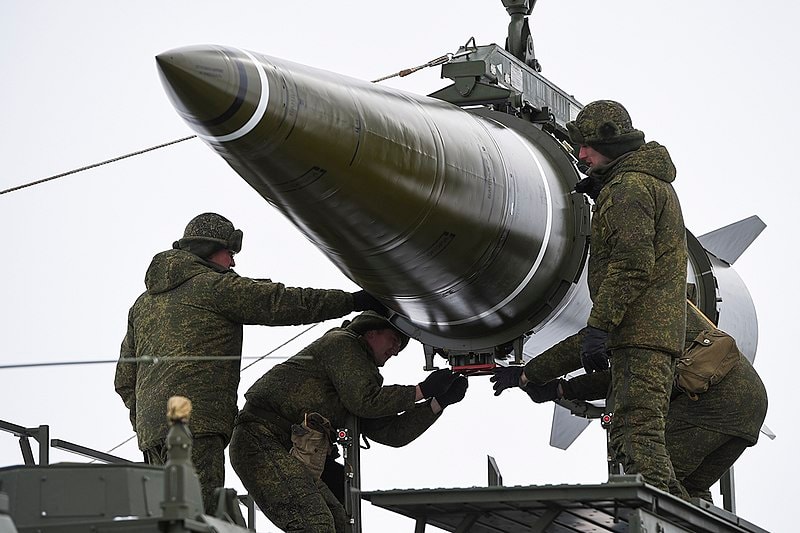
The planned improvements to the Iskander-1000 include:
- Range:The range can be increased from 500 km to 1,000 km or 1,300 km thanks to engine optimization and a 15% increase in solid fuel volume.
- Speed:It is expected to reach Mach 9–10 (approximately 2,700–3,100 m/s).
- Accuracy:The Circular Error Probability (CEP) is reduced to just 5-7 meters thanks to the multimodal navigation system.
The emergence of this variant created a strategic element of surprise, shortening the time to reach targets in Europe to just 7-10 minutes. At the same time, intercepting mobile ground-based launchers always presents a greater challenge compared to other long-range launch vehicles.
Economic barriers and economies of scale
Despite its impressive technical specifications, the Iskander system still faces economic challenges. The ability to mass-produce it in sufficient quantities to maintain a high attack density and compensate for interception losses remains a major question for the Russian defense industry.
Overall, the development of the Iskander missile series shows that Russia has officially overcome the limitations of old arms control treaties. This forces NATO to confront the difficult problem of protecting key areas from highly maneuverable hypersonic targets.


