
THAAD system: America's high-altitude missile shield supporting Israel in countering Iran.
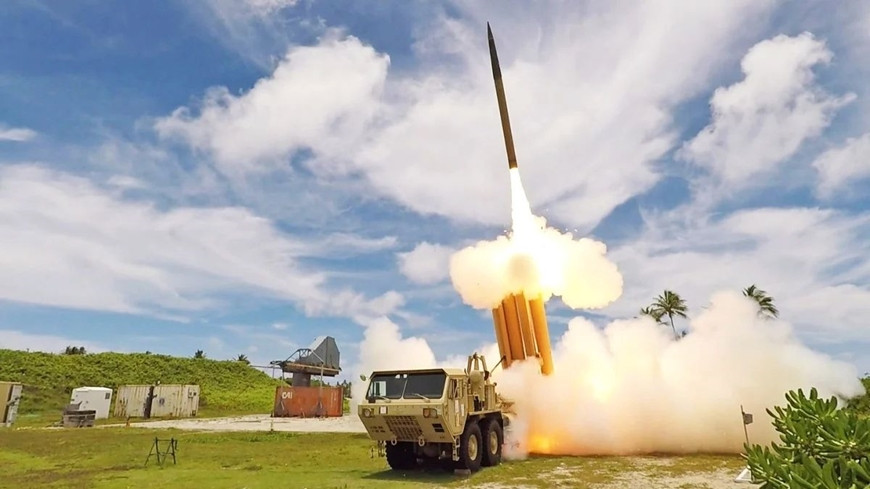
The THAAD system plays a key role in the multi-layered defense network in the Middle East, specializing in intercepting ballistic missiles in the terminal phase using kinetic impact technology.
Amid escalating conflict in the Middle East, the US and Israel have deployed a sophisticated multi-layered missile defense system to deter attacks from Iran. In this system, the Terminal High Altitude Area Defense (THAAD) system serves as a specialized layer of protection, filling gaps that other systems have not been able to effectively address.
Kinetic collision interception mechanism
THAAD is a missile defense system designed to destroy ballistic targets in the upper atmosphere of the Earth. According to data from the US military, this system is capable of intercepting targets at altitudes of 150km to 200km. The core difference between THAAD and conventional tactical missile defense systems lies in its method of target destruction.
Instead of using fragmentation warheads, THAAD missiles employ kinetic impact (hit-to-kill) technology. The warhead directly impacts the target at extremely high speed, using pure kinetic energy to destroy the enemy missile. This method is particularly effective at high altitudes, where active optical-thermal imaging seekers can accurately track targets at close range.
Surveillance radar systems and operating costs
THAAD's strength lies in its AN/TPY-2 radar system, which boasts extremely high sensitivity and a wide operating range. In focused defense mode, the radar can collect and track targets at a range of up to 3,000 km. When operating in terminal interception mode, the system ensures early target detection from a distance of 1,700 km.
Economically, THAAD is one of the most expensive defense systems currently available. A standard system, consisting of six launch vehicles (each carrying eight missiles), costs approximately $2.3 billion. In addition, the accompanying AN/TPY-2 radar is estimated to cost around $574 million. This system typically does not operate independently but integrates shared data from the mobile surveillance radars of the U.S. Army and Navy to optimize its operational capabilities.
Filling gaps in multi-layered defense systems.
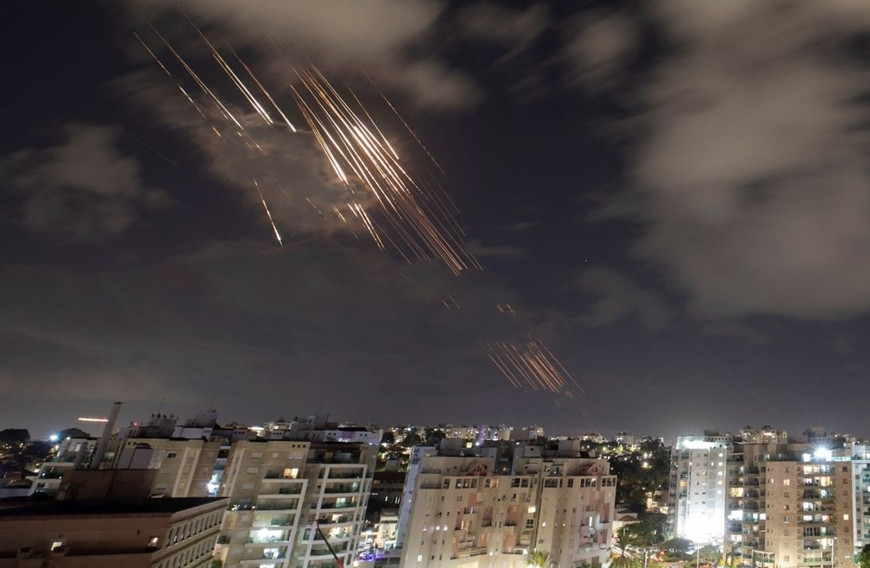
THAAD is designed to intercept ballistic missiles as they begin their re-entry phase (re-entering the atmosphere). This is the stage where the warheads accelerate to hypersonic speeds and have high potential energy, making it very difficult for systems like Patriot or Iron Dome to handle.
While Israel's long-range defense systems like Arrow-3 or David's Sling focus on intercepting missiles in outer space or during their mid-course phase, THAAD will act as a barrier when the missile enters the approach phase to its target. According to the Center for Strategic and International Studies (CSIS), in testing, the THAAD prototype achieved an absolute success rate in intercepting targets during this phase.
Challenges from low-level threats
While powerful in countering high-altitude ballistic missiles, THAAD reveals weaknesses against low-flying targets. The system is not designed to defend itself against unmanned aerial vehicles (UAVs) or suicide drones. In recent conflicts, there have been reports of UAVs attempting to directly attack THAAD's radar guidance system. For modern air defense systems, disabling the radar means the entire system is rendered inoperable.


