
Vietnam-US Trade Agreement: A historic handshake
On July 11, 1995, U.S. President Bill Clinton officially announced the normalization of diplomatic relations with Vietnam. This landmark event opened up a new chapter of cooperation, gradually promoting bilateral relations towards comprehensive collaboration, establishing a Comprehensive Partnership in 2013 and upgrading it to a Comprehensive Strategic Partnership for Peace, Cooperation, and Sustainable Development in September 2023.
As part of the ongoing series of activities commemorating the 30th anniversary of the establishment of diplomatic relations between Vietnam and the United States, reporters from Nghe An Newspaper and Radio and Television had an interview with Mr. Nguyen Dinh Luong - former Head of the negotiating team for the Vietnam-US Bilateral Trade Agreement (BTA) - about issues surrounding this negotiation process.
PV:Sir, what difficulties did Vietnam encounter during the BTA negotiations?
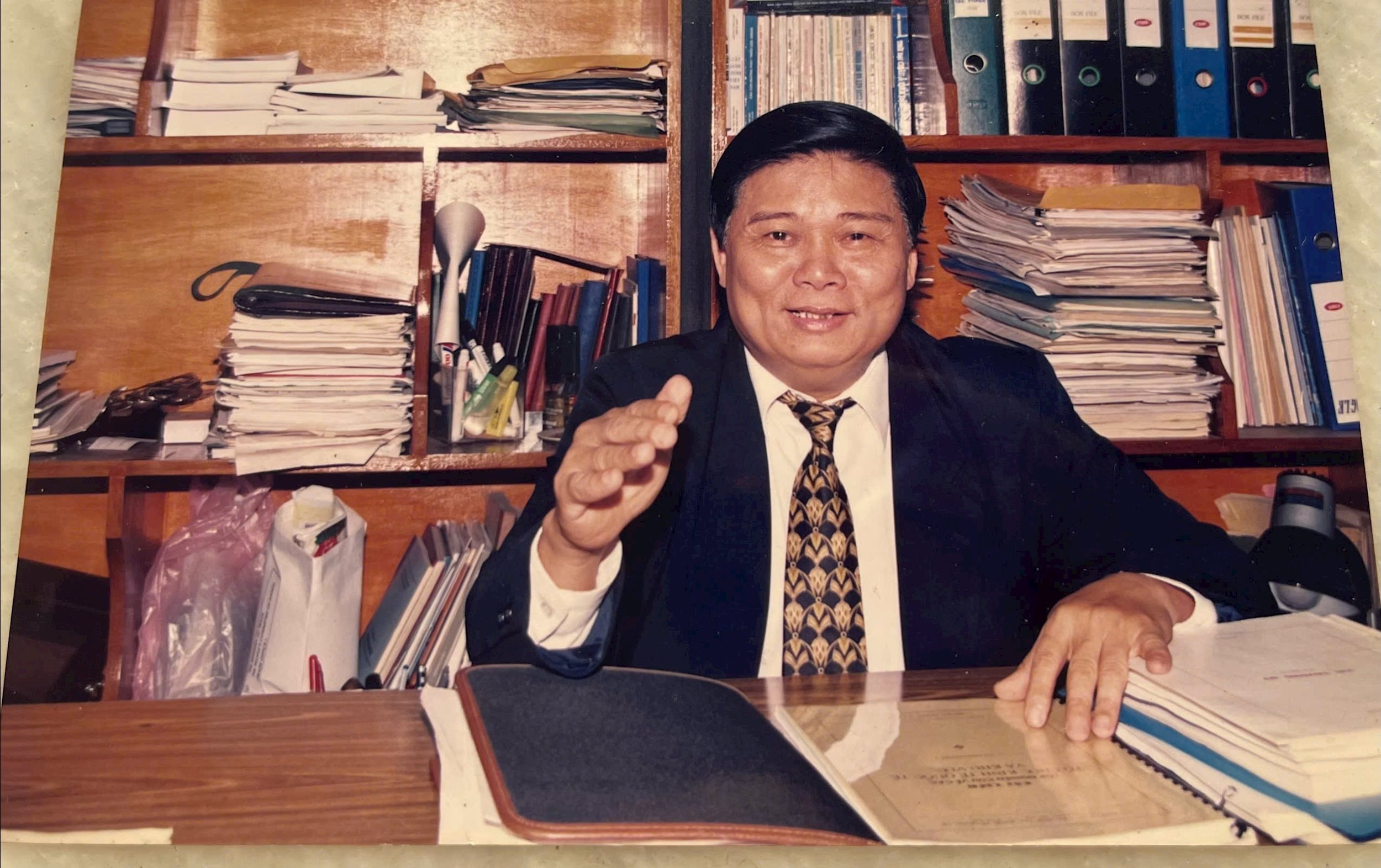
Mr. Nguyen Dinh Luong:At that time, although the two countries had normalized diplomatic relations, they still viewed each other as "former enemies," distrusting and suspecting each other. Vietnam did not allow Americans to do business there. The two economies were also vastly different. They had a market economy, while we had a centrally planned economy. Our GDP was only $33 billion, while theirs was over $10 trillion. They had a developed science and technology sector, while we were still poor.
PV:What motivated you to succeed in economic negotiations with the US?
Mr. Nguyen Dinh Luong:After years of research and study, we realized that America is very wealthy, the American market is open, anyone can enter, and any goods are accepted, as long as they are competitive. The whole world is vying to enter America to get rich. China, South Korea, Japan, Taiwan, Singapore, Malaysia, and even Western Europe… are all trying to exploit this opportunity. China signed a trade agreement with the US in 1979; at that time, China's exports to the US were only $49 million, but by 2000 they had exceeded $400 billion, and now they have reached $600-700 billion.
Our country was poor at that time and needed to develop, so we had to sign the BTA agreement to exploit the American market. That's why we tried our best to sign it, despite the hardships and difficulties, and in the end, we succeeded.
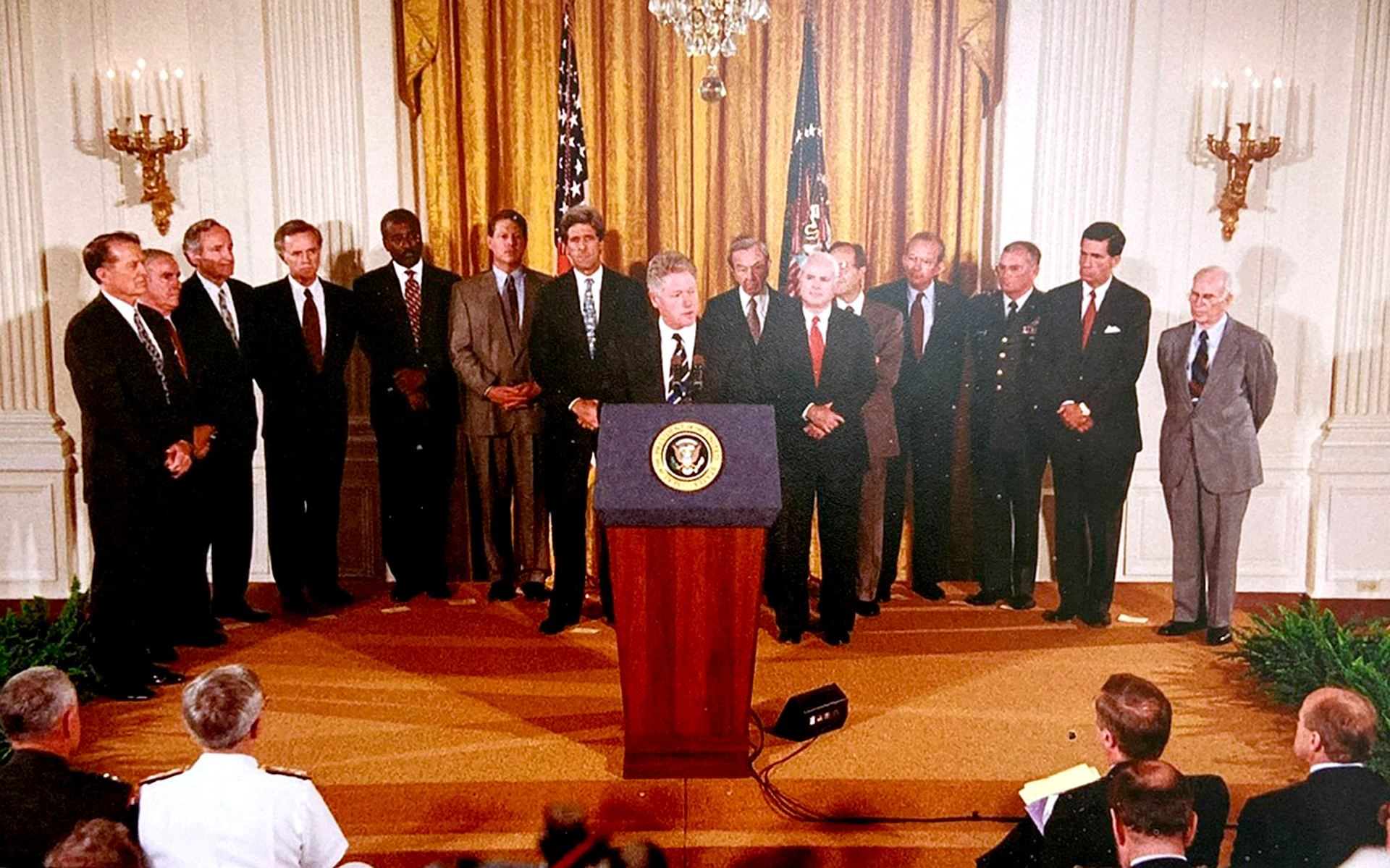
PV:Some argue that the BTA contributed to the elimination of subsidies and the establishment of a market economy. What are your thoughts on this, sir?
Mr. Nguyen Dinh Luong:During negotiations, the US side demanded that the Bilateral Trade Agreement (BTA) must ensure the principle of "mutual benefit," which we accepted because it is a universal and fair principle. To ensure "mutual benefit," we must adopt the standards of the global market. Only by accepting the standards of the global market can the US enter the Vietnamese market, and Vietnam enter the US market, and only then can Vietnam exploit the global market. This is the path for Vietnam to join the World Trade Organization (WTO), where only market economies exist.
PV:Could you tell us about the differences in the BTA negotiations?
Mr. Nguyen Dinh Luong:The principle of negotiators is to find and agree on principles that do not conflict with the existing legal system, and we have long done so. But the Vietnam-US trade agreement is different. The US itself is a market economy, so Vietnam must abandon its subsidized economy and establish a market economy to align with the US and the world. This isn't about us losing and the US winning, but about abandoning or gradually phasing out anything that contradicts international standards and market principles, to pave the way for national development.
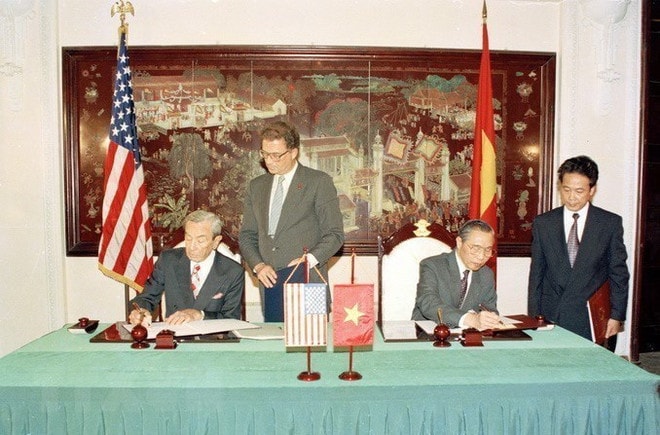
PV:According to the BTA, what should we do and what should the US do, sir?
Mr. Nguyen Dinh Luong:The US economy itself is a typical market economy, and the US has already made commitments within the WTO; it doesn't need to do anything more. For Vietnam, the BTA is a roadmap to eliminate subsidies and build a transparent market economy.
We must eliminate monopolies, discrimination, and subsidies in our legal system. After the BTA, we must review our legal system to plan for lawmaking. During the 2001-2005 National Assembly term, we had to amend and revise 135 legal documents, including the Civil Law, Criminal Law, Commercial Law, Investment Law, and Intellectual Property Law, and we had to write new laws in service sectors such as finance, banking, telecommunications, transportation, and tourism... which previously did not exist. We had to build a tariff system, which previously only included import and export taxes and agricultural taxes... When building and amending laws according to market mechanisms, we must ensure three requirements:
1. Laws must be transparent, clear, easy to understand, and easy to enforce.
2. Before passing laws, it must be ensured that citizens and businesses, both domestic and foreign, have the opportunity to participate and provide feedback.
3. Enhancing the people's status: Previously, people had to ask permission to do any business they wanted, and could only do what the State allowed. Now, people and businesses are free to do anything that the State does not prohibit.
PV:Could you share more about the factors that contributed to the success of the BTA trade negotiations?
Mr. Nguyen Dinh Luong:To succeed in negotiations, negotiators must meet three conditions:
1. It is essential to thoroughly understand your partner, including their people, history, culture, economy, and politics.
2. It's crucial to understand the rules of the game at the negotiating table. You need to understand why trade agreements include chapters on investment, trade, intellectual property, and services. Trade agreements are typically only 4 or 5 pages long, while BTAs (Bilateral Trade Agreements) have 150 pages in Vietnamese and 150 pages in English. Why does the investment chapter use the provisions of the NAFTA (North American Agreement) as a benchmark? Why do other chapters use WTO standards? And many other issues.
3. We must compare these issues with Vietnam's current legal system to find solutions that promote national development. We have modified many of the US requirements and proposed new things in the investment and service chapters, which they have accepted and welcomed.
PV:Some argue that the US should wait to see how well Vietnam implements the BTA before agreeing to Vietnam's accession to the WTO.
Mr. Nguyen Dinh Luong:At that time, the WTO was dominated by the US. Vietnam negotiated with 28 countries at the WTO, but the most challenging and difficult negotiations were primarily with the US.
Vietnam signed the BTA and implemented it seriously. The US also spent $300,000 to establish a project, located in Hanoi, to oversee and assist in amending the law. Once Vietnam built a legal system based on market mechanisms, and seven years later joined the WTO, subsequent bilateral and multilateral FTAs were signed on the basis of Vietnam being a market economy.
Interviewer: Thank you very much!
Born in 1940 in Nam Dan district, Nghe An province, Nguyen Dinh Luong dreamed of becoming a mechanical engineer to help the people of Nghe An province reduce their hardships. However, life led him to become a negotiator with extensive knowledge, professionalism, and unwavering courage, resilience, flexibility, dedication, diligence, and trustworthiness.
For over two decades as a government-level trade negotiator, Mr. Nguyen Dinh Luong directly participated in negotiating agreements with the Soviet Union, socialist countries, Singapore, Canada, Norway, Switzerland… and finally the Vietnam-US Bilateral Trade Agreement (BTA), which lasted for five years from 1995 to 2000.Thirty years after the establishment of diplomatic relations between Vietnam and the United States, bilateral relations have made significant progress, aligning with the aspirations of the people of both countries and contributing positively to peace, stability, and development in the Asia-Pacific region and the world. By the end of 2024, US direct investment in Vietnam was estimated at $11.94 billion across over 1,400 projects. Most major US corporations have a presence and invest effectively in Vietnam. On the Vietnamese side, there are 252 investment projects in the US, totaling over $1.36 billion, ranking 6th out of 83 countries investing abroad. Vietnam is the 8th largest trading partner and the 4th largest export market for the United States in the ASEAN region.


