
The effectiveness of the VietGapHP livestock farming model is linked to product consumption.
To meet the increasing demands of the market and promote biosecure pig farming, Nghe An province has developed the VietGaHP farming practice process for wider implementation.
A new model for implementing livestock farming practices.
The application of good animal husbandry practices in Vietnam, abbreviated as VietGAHP (Vietnamese Good Animal Husbandry Practices), issued by the Ministry of Agriculture and Environment, is an inevitable trend. The process, requiring production to be linked with product consumption, is considered a suitable solution to improve efficiency, minimize risks, and move towards sustainable livestock development. With support from the National Agricultural Extension Project for the period 2025-2027, in mid-2025, the Nghe An Agricultural Extension Center, in coordination with the Ha Tinh Agricultural Extension Center, implemented the "Building a model of VietGAHP-certified pork production linked with product consumption." Accordingly, the project was implemented at two locations, with a scale of 220 pigs raised by two participating households: Ms. Vu Thi Que's household in Hamlet 9, Quynh Thang Commune (Nghe An Province) raising 120 breeding pigs, and Ms. Nguyen Thi Nhung's household in Dat Do Hamlet, Truong Luu Commune (Ha Tinh Province) raising 100 breeding pigs.
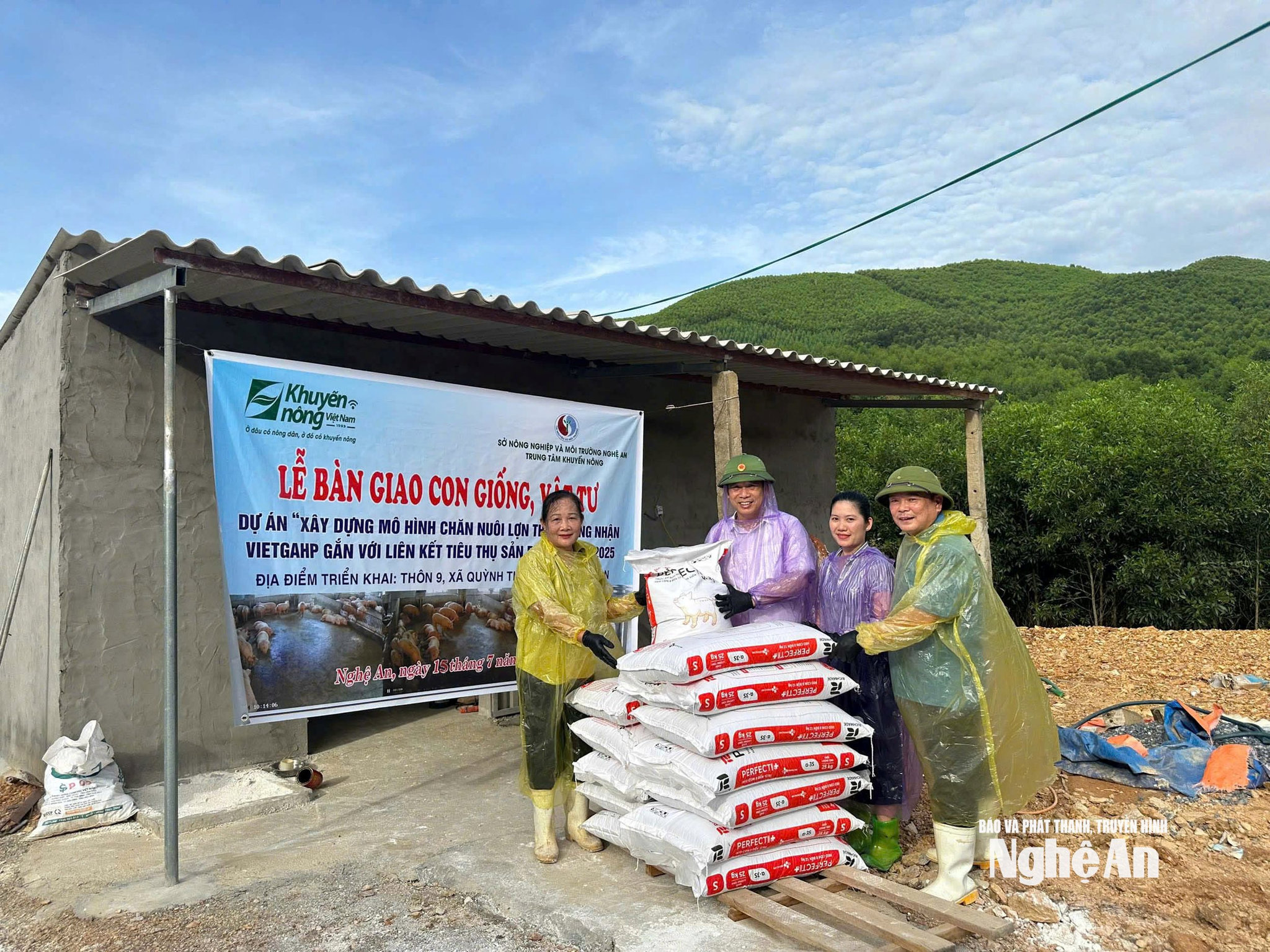
Throughout the model implementation process, the Agricultural Extension Center strictly adhered to the criteria for selecting locations and participating households. This ensured the selection of households with livestock farming experience, adequate facilities, and a commitment to strictly implementing the VietGAHP process. Simultaneously, experienced and specialized staff from the Provincial Agricultural Extension Center were assigned to directly supervise, monitor, and guide the entire implementation process, ensuring technical standards were met and data was recorded and compiled for project evaluation.
For participating households, upon registration, they receive 50% financial support for purchasing breeding stock, vaccines, disinfectants, antiparasitic drugs, and biological products, and 40% support for the cost of mixed feed. After completing the bidding and contract awarding procedures, and signing contracts for the supply of breeding stock, feed, and materials in a transparent and compliant manner, all breeding stock and materials are distributed by the relevant units according to schedule, quality, and quantity, enabling the model owners to implement the plan.
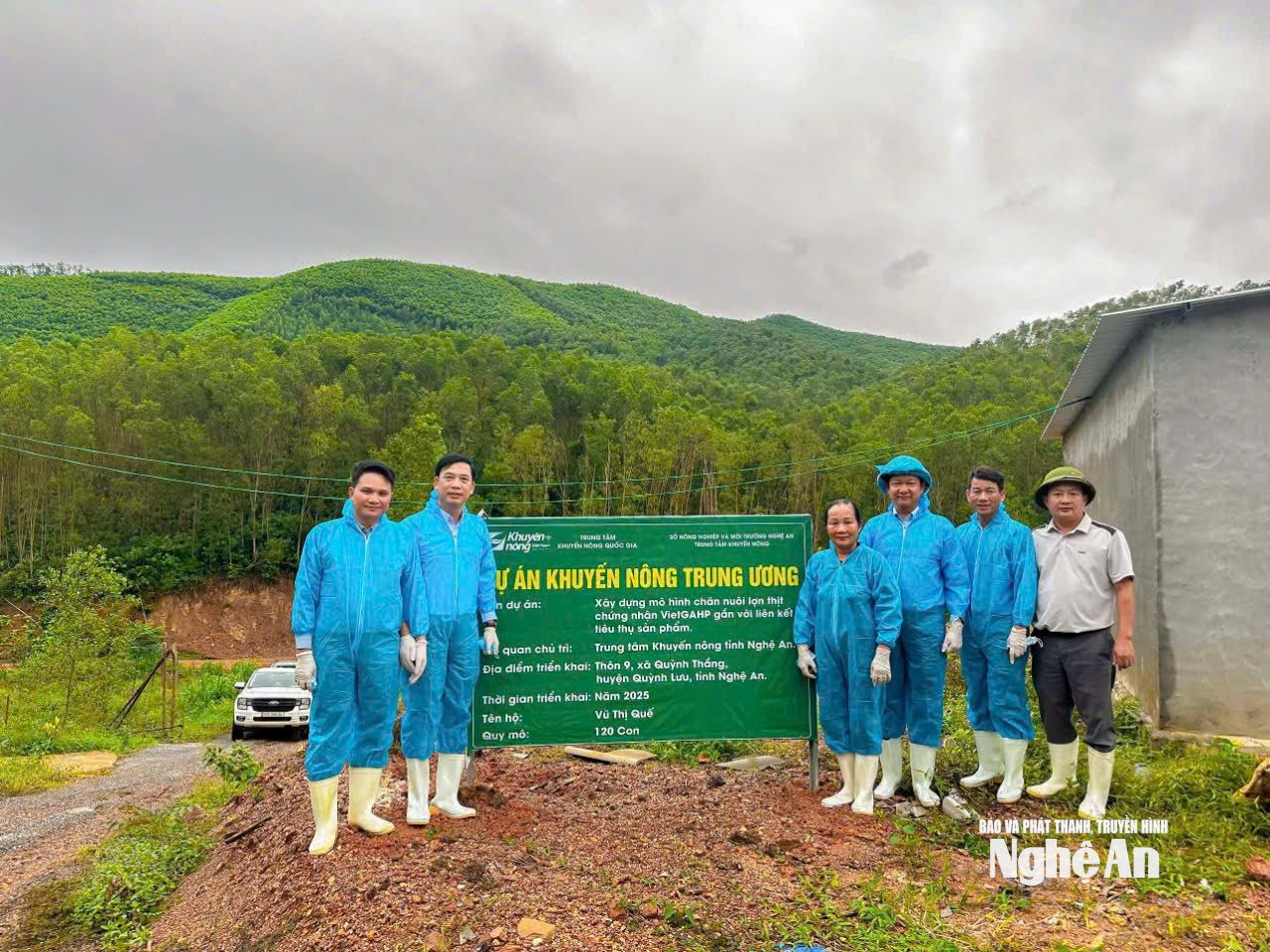
This is a model project demonstrating livestock farming practices according to VietGAHP standards. During implementation, the project organized two technical training courses for 60 participants, including households participating in the model and potential livestock farmers. Simultaneously, it organized three training courses for 90 participants from outside the model and members of the community agricultural extension group. The project also constructed a promotional billboard at the demonstration site; organized two workshops and model site visits with 120 participants, including representatives from specialized agencies, local authorities, and potential livestock farmers; and held two model review meetings with 140 delegates.
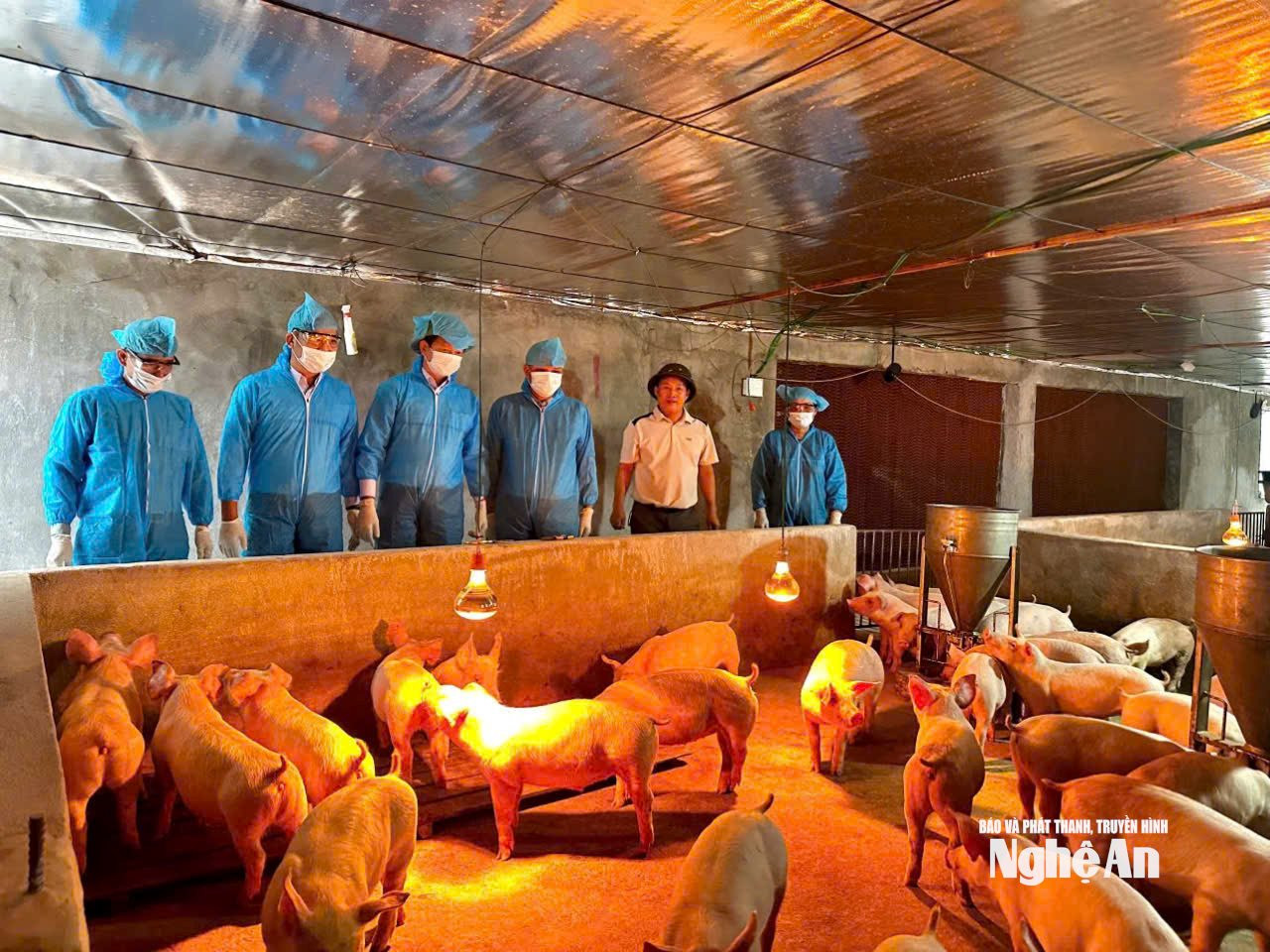
Through training activities both within and outside the model, and field trips and workshops, officials and livestock farmers have been able to access and master the process of raising pigs for meat according to VietGAHP standards, environmental management, disease prevention and control, feed management, record keeping, and product consumption linkages. In particular, through the preliminary project evaluation, the parties shared experiences, assessed the effectiveness and superiority of the project, thereby contributing to raising awareness of VietGAHP livestock farming linked to product consumption for sustainable livestock development and high economic efficiency.
Economic efficiency and scaling-up solutions
After nearly a year of implementation, the project has completed its objectives and contents as planned and achieved effectiveness in economic, social, and environmental indicators. Monitoring of technical indicators shows that the model has met and exceeded the set plan. With a scale of 220 pigs, after 4 months of rearing, the survival rate reached 100%, 1.8% higher than the 98.2% outside the model. The average weight gain reached 798.6g/pig/day, exceeding the target by 11.4%; the feed conversion ratio was 2.36 kg/kg of weight gain, a decrease of 9.1% compared to the project requirements. These are important indicators reflecting the effectiveness of applying the VietGAHP process in current practical livestock farming conditions.
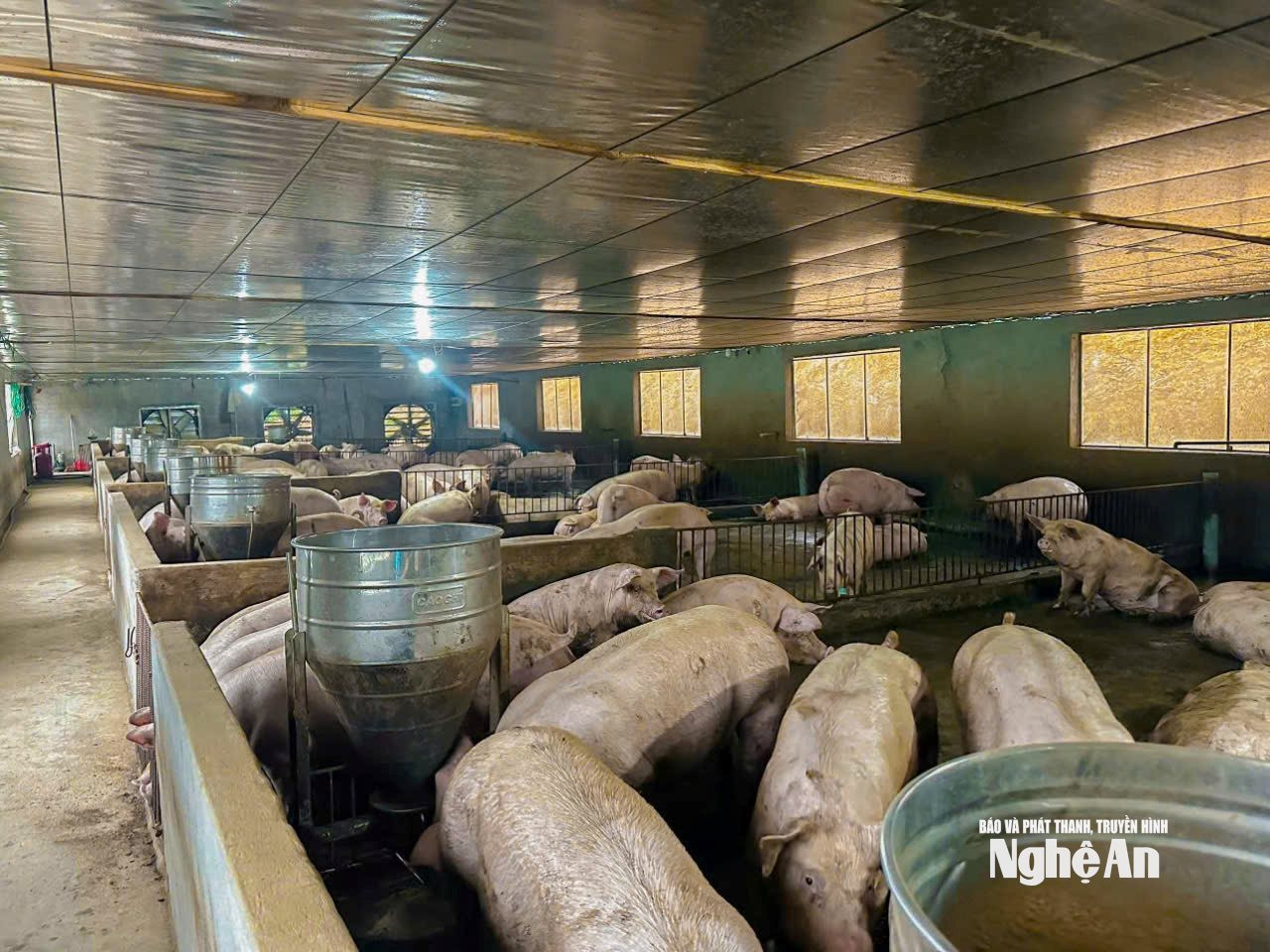
A key highlight of the project is the organization of product consumption linkages. 100% of the pork produced by the model is purchased under contract by the Quynh Thang Livestock Cooperative (Nghe An province) and the Ha Tinh Agricultural Supplies Company Limited at prices 8-10% higher than the market price. This linkage contract helps farmers feel secure in their production, reduces price risks, decreases dependence on traders, and gradually forms a safe pork value chain.
Furthermore, through the practical implementation of the model, livestock farm owners are also evaluated and certified with VietGAHP standards by the consulting unit, in accordance with the Decision of the Ministry of Agriculture and Environment. This is an important foundation for enhancing the reputation of pork products and expanding the consumer market in the future.
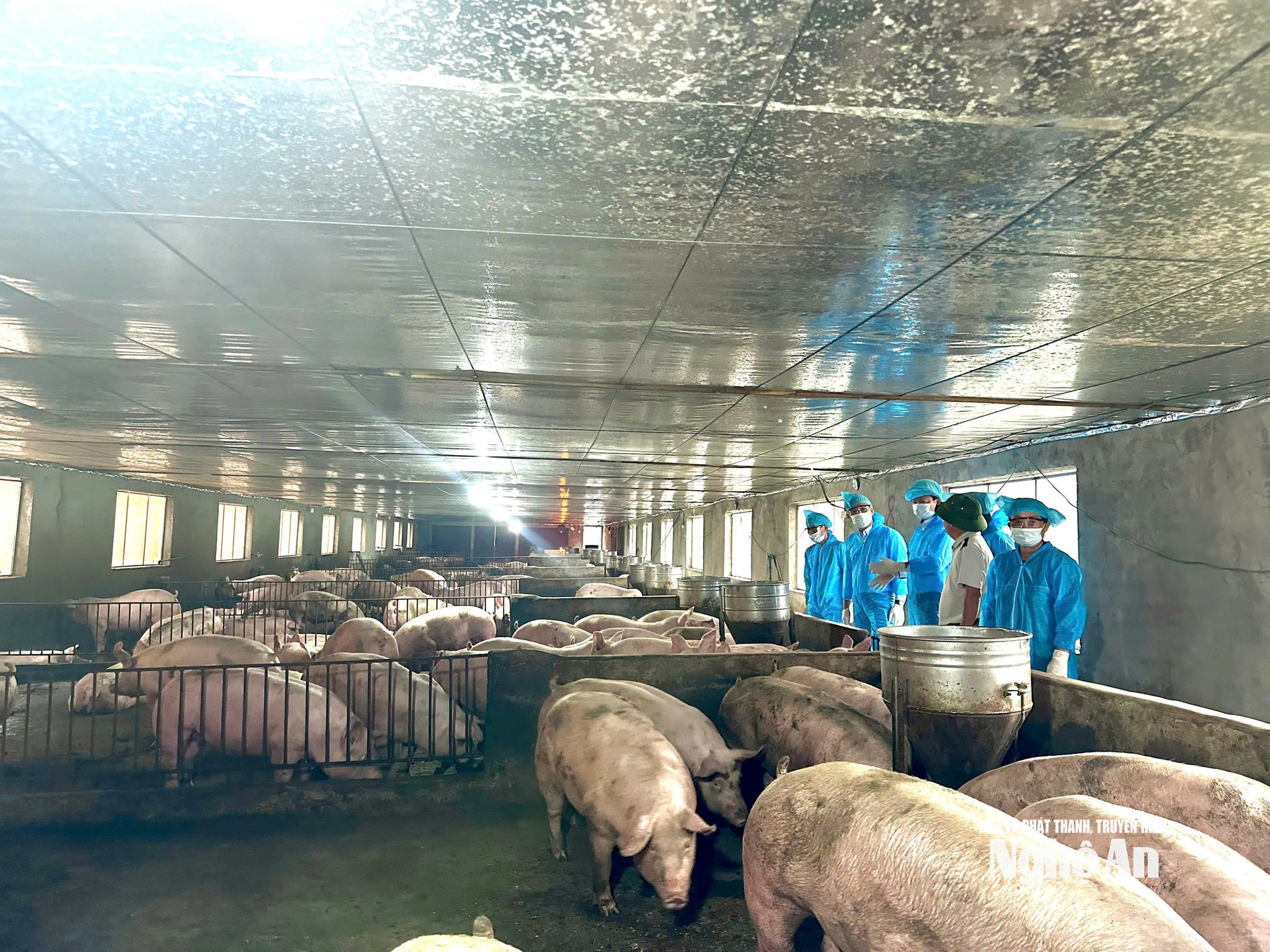
In terms of economic efficiency, feed costs decreased by 8-10% compared to traditional farming; meat prices were 3-5% higher than the market price, and profits reached VND 215.661 million per model, 15.7% higher than outside the model. This demonstrates that applying the VietGAHP pig farming process in conjunction with product consumption has optimized feed rations, controlled diseases, reduced risks, and lowered unexpected costs, especially in the context of responding to the complex developments of African swine fever.
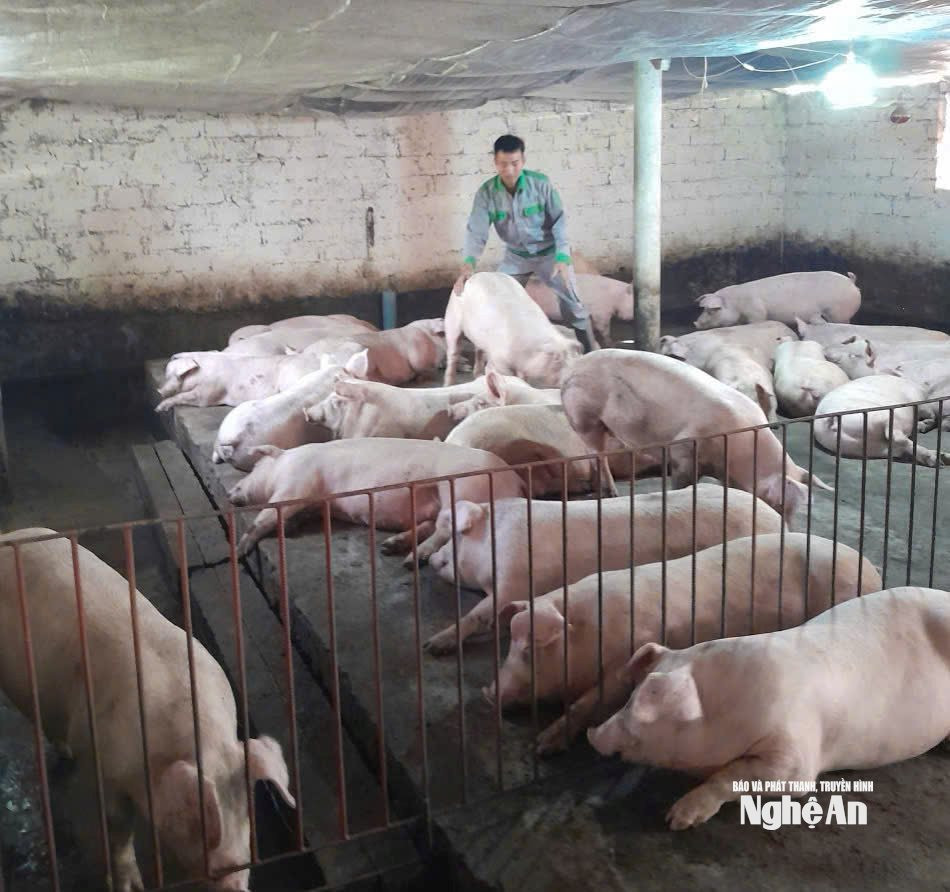
The linkage model implemented in areas such as Quynh Thang (Nghe An province) and Truong Luu commune (Ha Tinh province) are communes with large natural areas and great potential for large-scale livestock farming. Therefore, livestock farming is an advantage that can be maintained and developed in a concentrated manner; improving the quality and value of products, creating more jobs, increasing income, protecting the environment, and building consumer confidence in safe pork products.
The large-scale, VietGAHP-standard pig farming model not only achieves economic efficiency but, with the support of the Provincial Agricultural Extension Center, also provides environmentally friendly farming techniques and reduces disease risks, giving farmers greater peace of mind amidst complex disease outbreaks. Furthermore, by utilizing feed waste to produce organic fertilizer, the facility effectively meets the requirement of reducing environmental waste; generating additional income, aligning with the strategy of sustainable agricultural development and reducing emissions in livestock farming.
Mr. Ho Anh Thang - Chairman of the People's Committee of Quynh Thang Commune
Thanks to its high effectiveness, after the project ended, two participating households committed to expanding the model by restocking and increasing their herds by 50-100% compared to the initial scale. Specifically, three households applied the model to expand with 250 pigs, including two households in Nghe An with 100 pigs each and one household in Ha Tinh with 50 pigs each, an increase of 113.6%. In addition, 20 other livestock farming households have registered to apply VietGAHP-certified pig farming practices linked to product consumption in the near future.
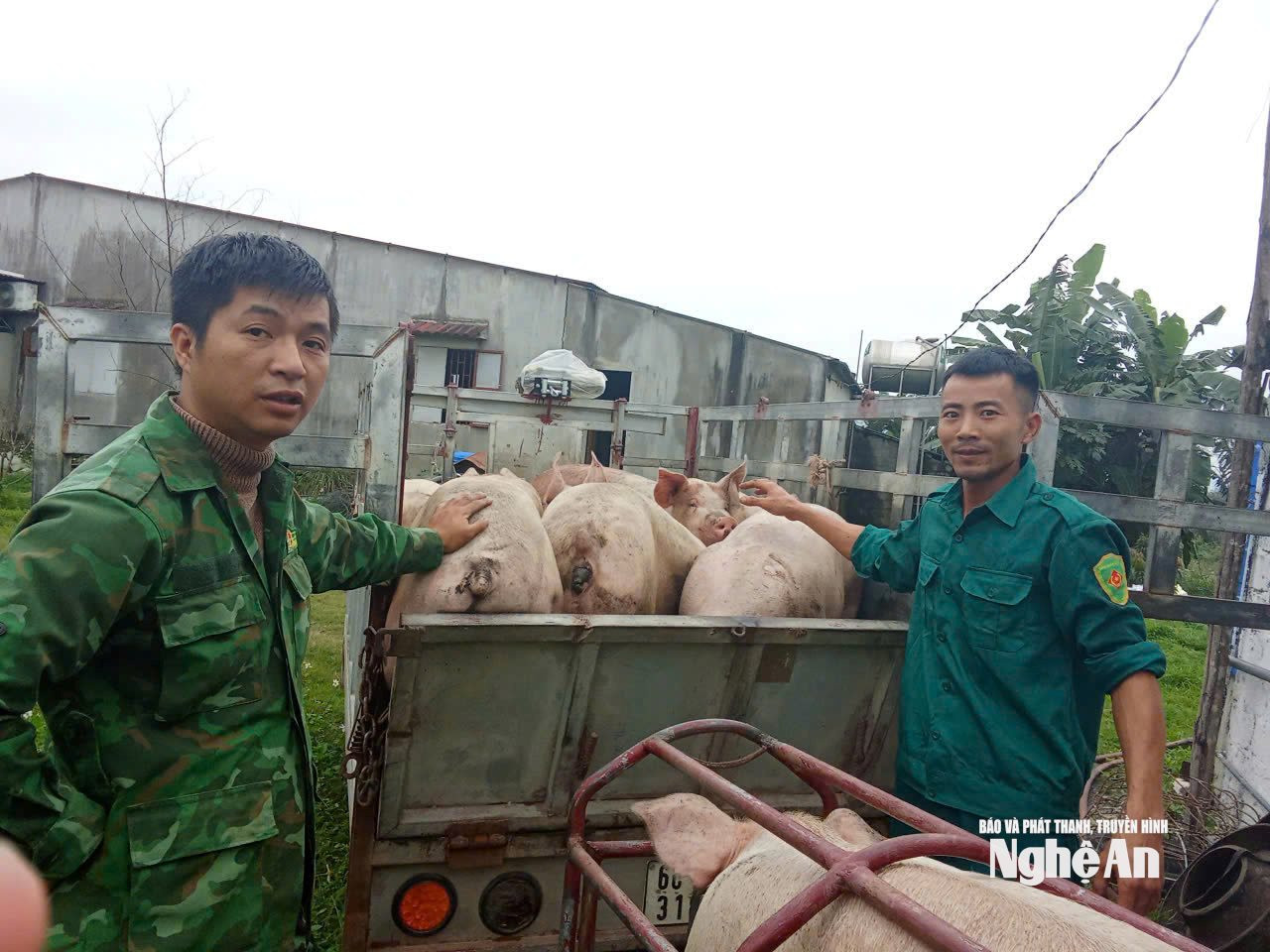
At the model evaluation conference, representatives from the People's Committees of Quynh Thang and Truong Luu communes also shared: The project was successfully implemented, bringing clear economic benefits and absolute safety in terms of disease control, especially with VietGaHP-certified livestock facilities and strong links to product consumption, creating confidence in restocking, increasing herd size, and stabilizing product output for livestock farmers. This will serve as a model for the locality to guide, promote, and advise livestock farmers to gradually transition from small-scale farming to concentrated farming, applying comprehensive biosafety measures, practicing good livestock farming according to VietGaHP standards, and boldly participating in product consumption chains to achieve high and sustainable economic efficiency.
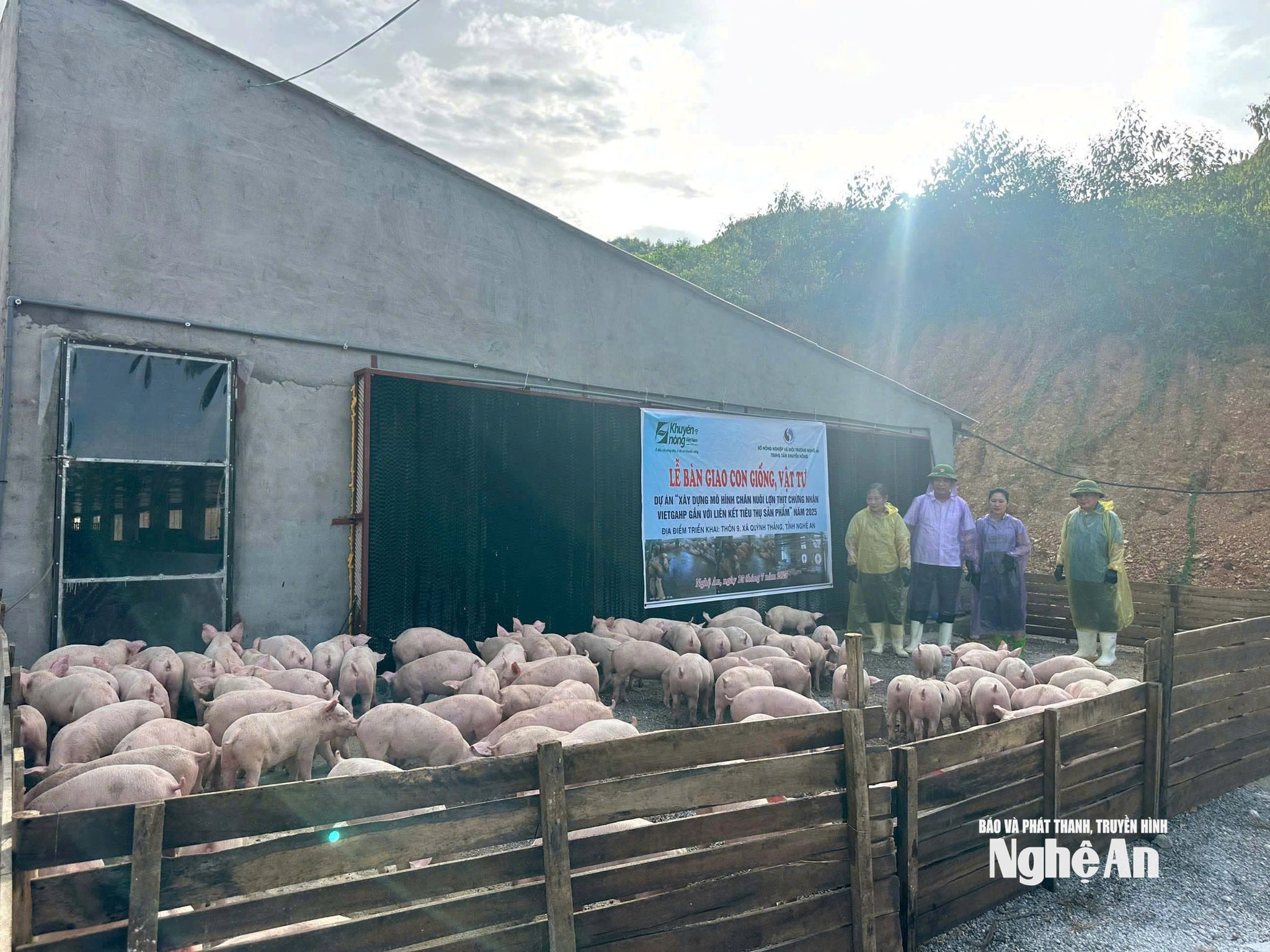
Based on the results achieved, The project was assessed as highly feasible, sustainable, and aligned with the local orientation for developing safe and modern agriculture, as well as the goals set by the National Agricultural Extension Center. It meets market demands and is suitable for the practical needs of livestock farmers. In particular, the product consumption linkage has contributed to stabilizing output, increasing product value, and creating motivation for farmers to invest and develop production with confidence. The success of the project is an important basis for all levels and sectors to continue promoting and encouraging the replication of the model, gradually forming concentrated, bio-secure pig farming areas linked to consumption chains, contributing to the efficient and sustainable development of the pig farming industry in the future.


