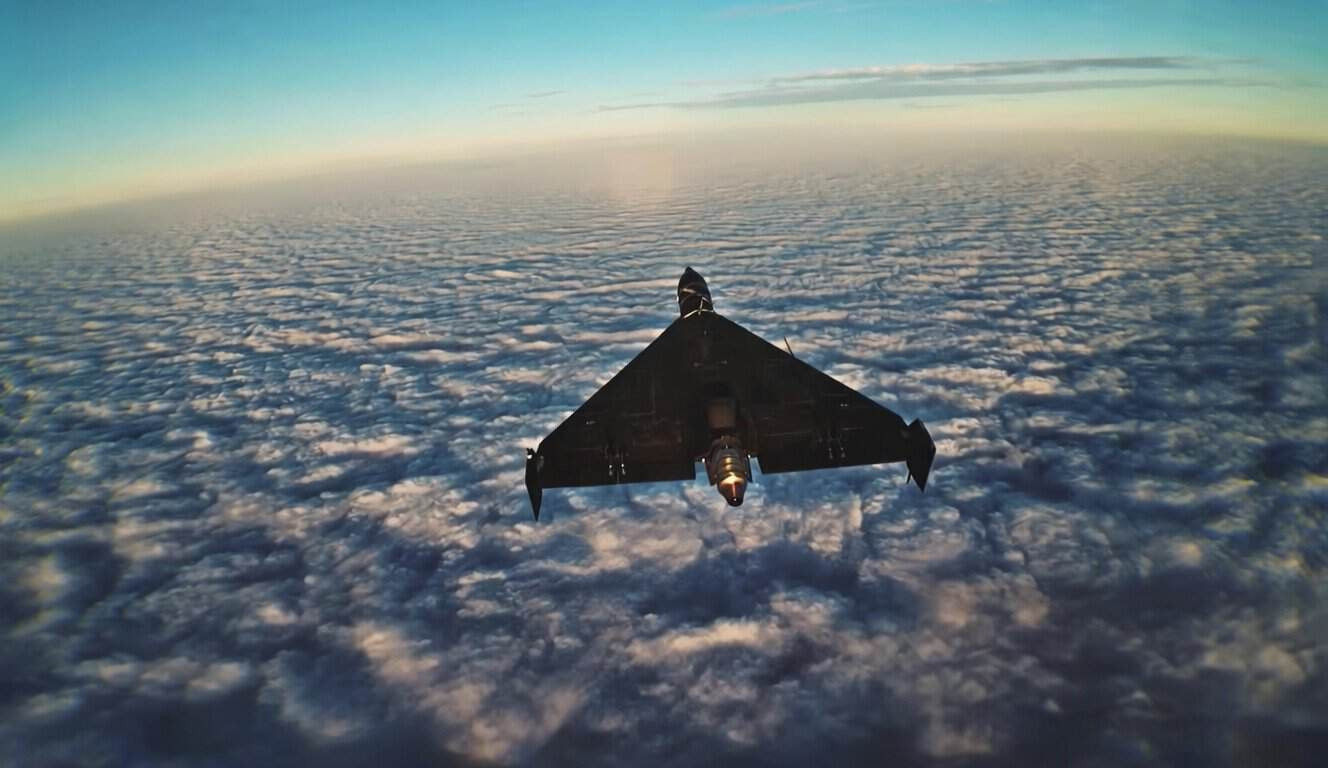
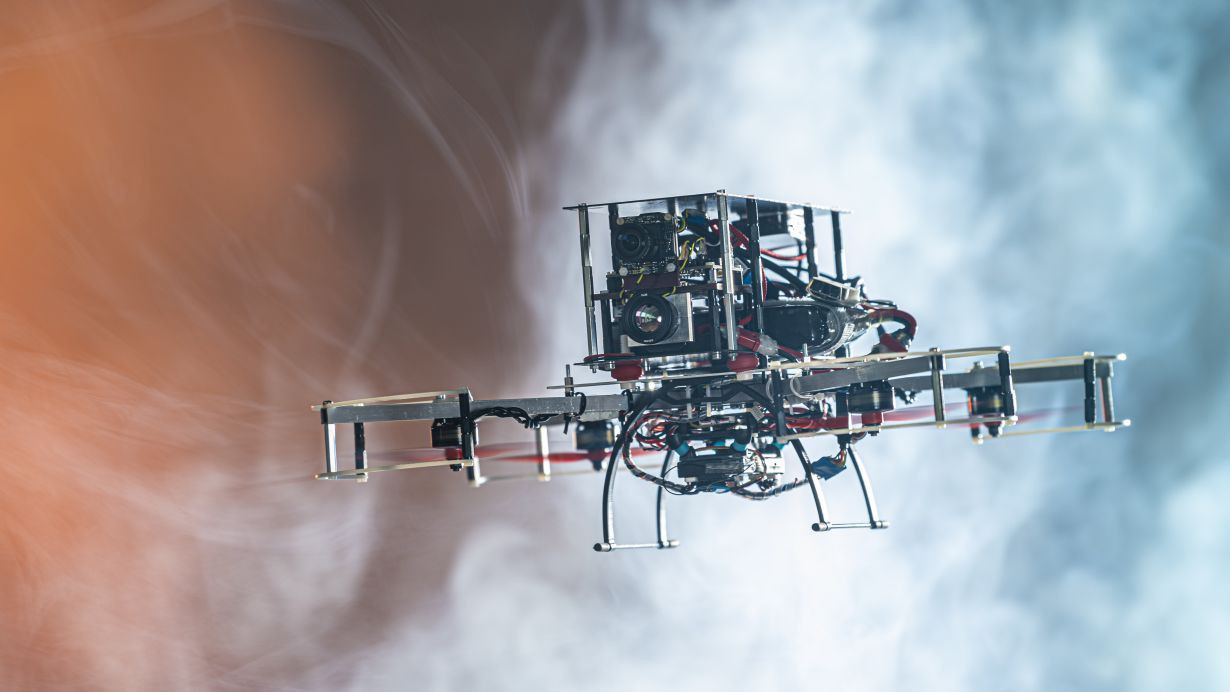
The combat effectiveness of the Skynex air defense system in Ukraine.
The German-made Skynex air defense system is facing doubts about its reliability following reports of technical malfunctions and underwhelming UAV interception performance in Ukraine.
The Skynex air defense system, a modern product of the German defense group Rheinmetall, was once expected to be the optimal solution to help Ukraine counter Russia's attrition tactics using unmanned aerial vehicles (UAVs). However, recent combat data is raising serious questions about the system's ability to operate stably in a high-intensity combat environment.
Designed to protect fixed targets such as energy infrastructure, military bases, and airfields, Skynex represents a philosophy of close-range defense using artillery fire instead of expensive missiles. Given Russia's frequent use of inexpensive suicide drones to deplete Ukraine's anti-aircraft missile stockpiles, an automated artillery system like Skynex is seen as a low-cost, last-resort defense.
Programmable ballistic missile interception technology
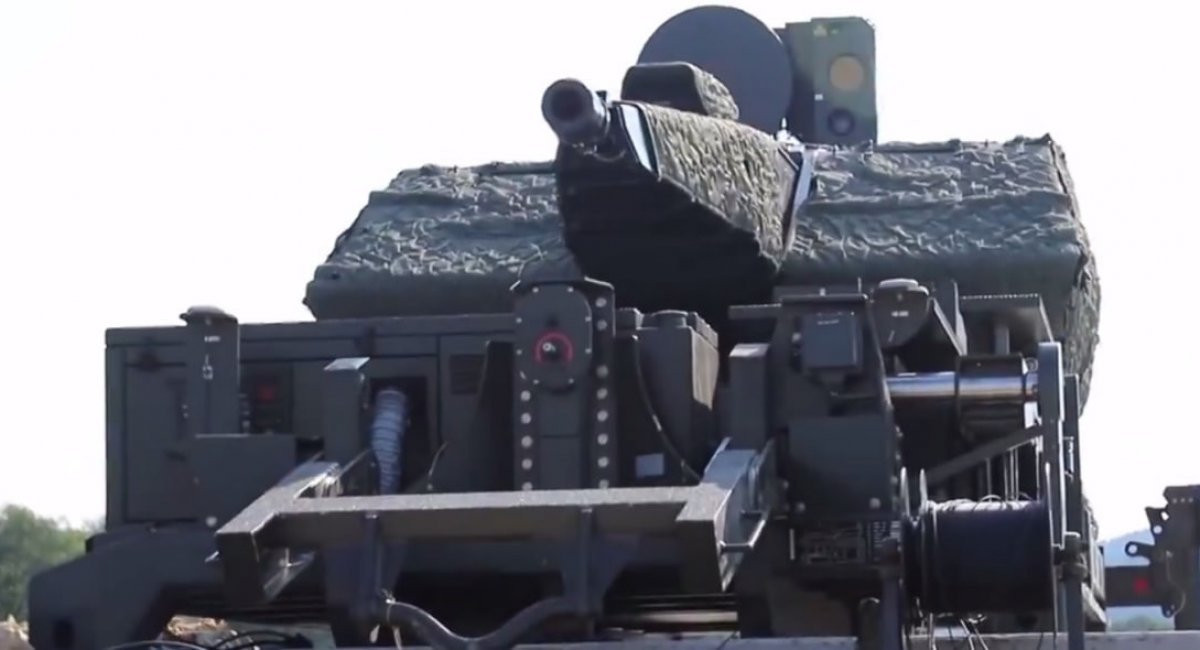
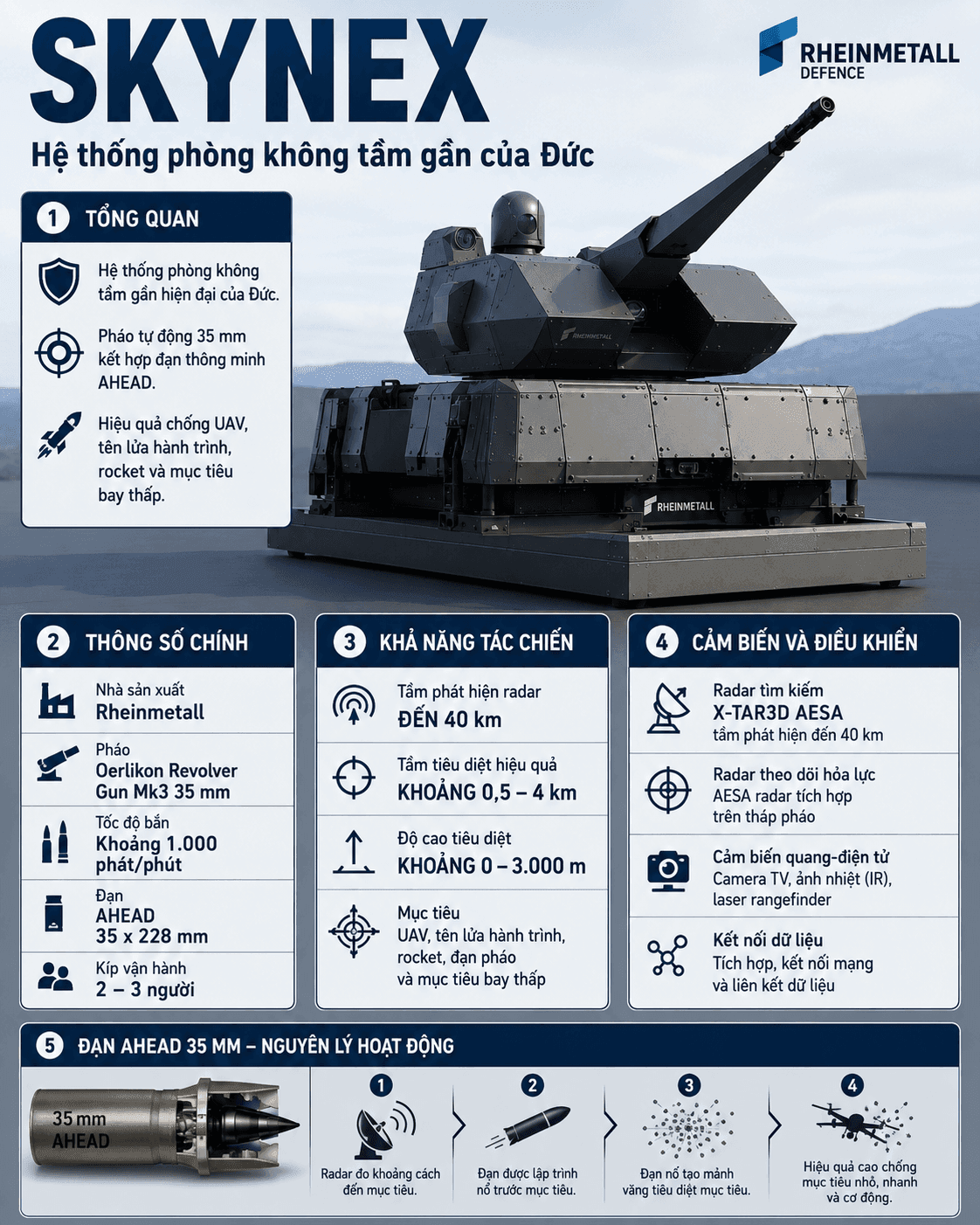
The core of the Skynex is the Oerlikon Revolver Gun Mk3 35mm cannon. This weapon uses AHEAD (Advanced Hit Efficiency And Destruction) ammunition – a type of smart ammunition with programmable detonation timing. Upon leaving the barrel, the rounds are programmed to detonate just before the target, creating a cloud of hundreds of tungsten fragments to destroy UAVs, cruise missiles, or other small flying objects.
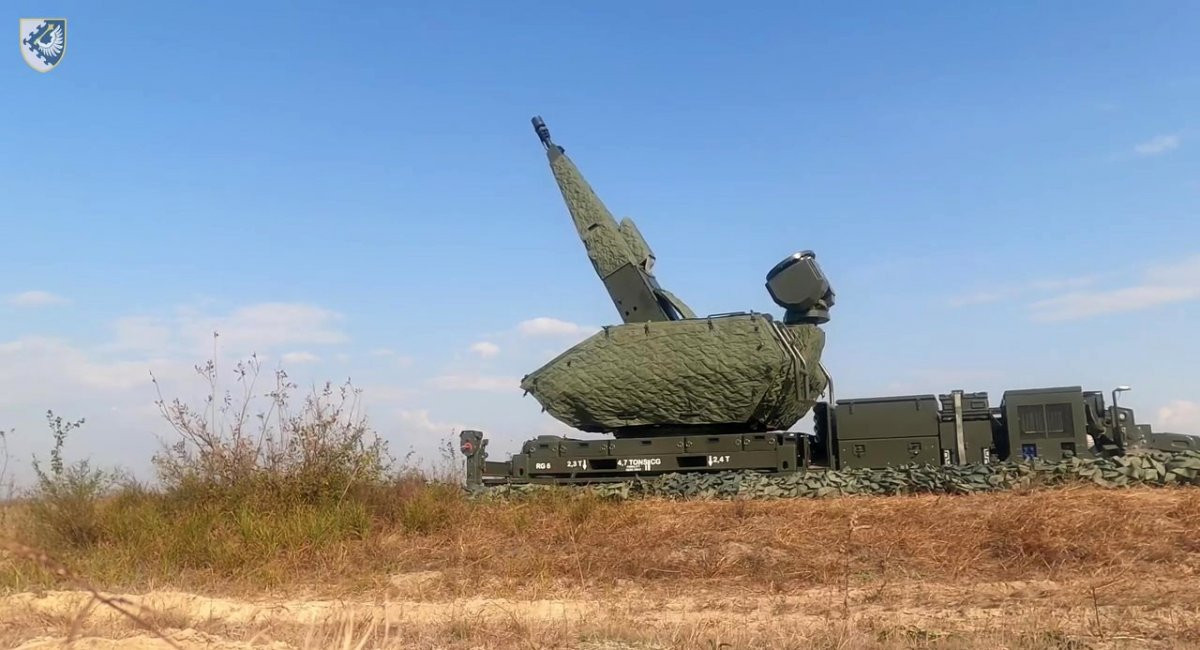
The system is capable of network connectivity between multiple artillery modules, the X-TAR3D reconnaissance radar, and a fire control center. Its rapid response capability and significantly lower firing cost compared to missile systems like IRIS-T or Patriot are theoretical advantages that make Skynex an important component in Ukraine's multi-layered air defense network.
Questions about reliability based on real-world testing.
Despite its impressive specifications, the magazine report...Stern(Germany) citing Ukrainian military sources indicates that Skynex failed to complete its mission during an actual attack. Specifically, on April 1st, an industrial facility in western Ukraine was attacked by Russian UAVs despite being protected by two Skynex batteries (including 8 artillery modules, 2 radars, and 2 command centers).
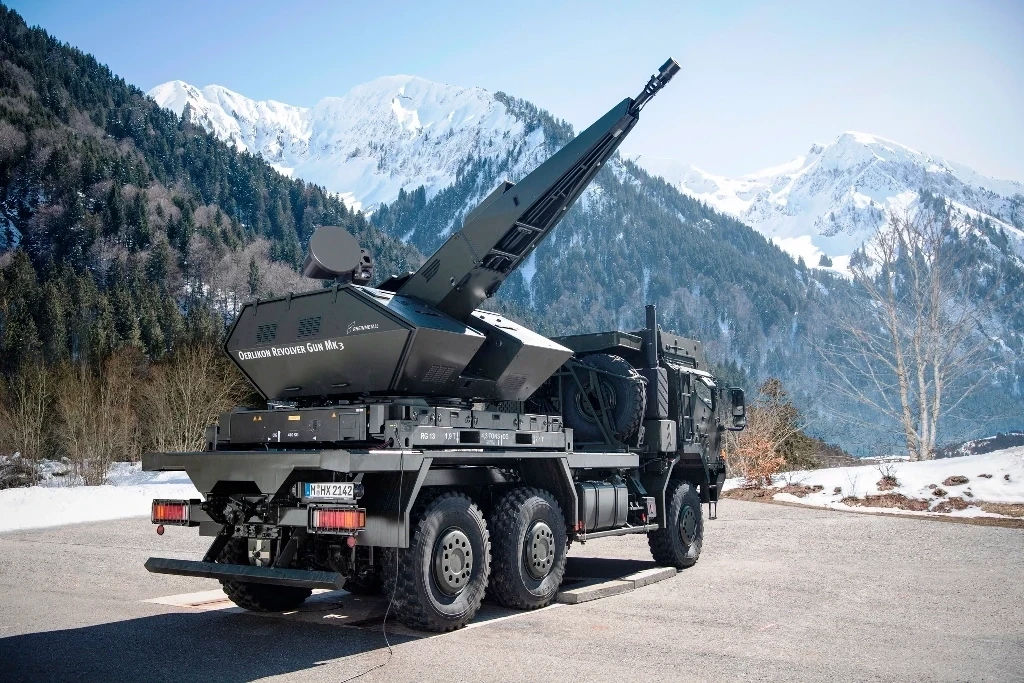
Radar data showed the system detected two Russian UAVs at a distance of 20 km. However, as the targets entered the firing zone, the system only recorded a single shot, which missed the target. As a result, one UAV crashed into the target infrastructure and exploded. More notably, the report indicated that three of the eight artillery modules experienced technical malfunctions related to the hydraulic system, radar tracking errors, and ammunition loading mechanism within the first few minutes of the attack.
The challenge of attrition warfare
The incident in Ukraine illustrates the gap between specifications on paper and battlefield reality. In a harsh combat environment, where UAVs can fly low and use terrain to evade radar, any minor hardware or software malfunction can lead to interception failure. The fact that an expensive system (approximately 60 million euros per battery) suffers from basic operational errors such as loading or hydraulic issues is a serious problem for Rheinmetall.
Representatives from Rheinmetall affirmed that Skynex remains operational and that a single incident does not reflect the system's full capabilities. Military experts also noted that the failure could stem from various objective factors such as maintenance procedures, the skill level of the operating crew, or the sophistication of the enemy UAV's flight path.
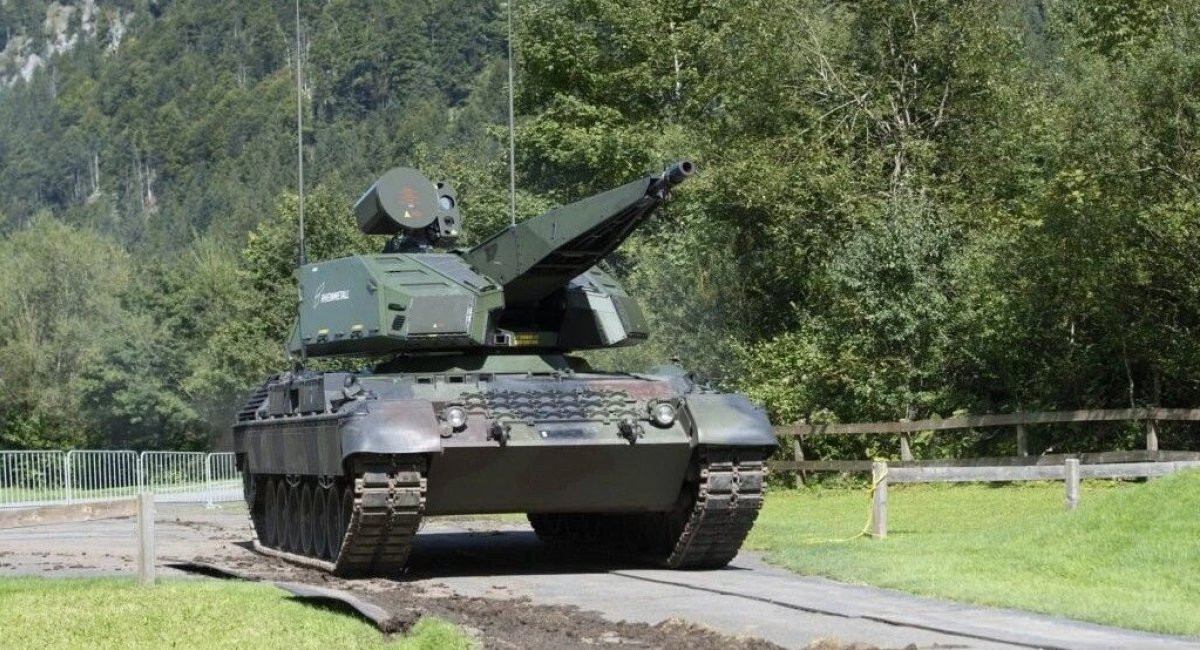
The controversy surrounding Skynex also affected the acceptance of similar systems such as the Skyranger 35 – a self-propelled anti-aircraft gun intended to be mounted on a Leopard 1 tank chassis for aid to Ukraine. If issues with tracking radar and technical stability are not thoroughly addressed, the effectiveness of these new generation short-range air defense systems will continue to be under close scrutiny.
The war in Ukraine is becoming the most rigorous testing ground for modern Western weapons. For Ukraine, ensuring the reliability of its low-level defenses is vital to protecting its economy and civilian infrastructure from Russia's protracted drone offensive.