
The actual effectiveness of the Patriot PAC-3MSE against Iskander-M missiles in Kharkiv.
The Patriot PAC-3MSE air defense system is having difficulty intercepting Iskander-M ballistic missiles and Geran-2 UAVs in Kharkiv due to limitations in radar and attack trajectories.
The advanced Patriot PAC-3MSE air defense system failed to prevent a coordinated attack by Iskander-M ballistic missiles and Geran-2 unmanned aerial vehicles (UAVs) on the Kharkiv region. Despite its high kinetic interception capabilities, limitations in radar and the enemy's attack tactics pose a significant challenge to Ukraine's defense network.
Developments in the attack in the Kharkiv region
According to reports from the field on January 11, Russian armed forces carried out a coordinated strike targeting strategic objectives in northeastern Ukraine. A critical energy infrastructure near the village of Eskhar, southeast of Kharkiv, was severely damaged after bombardments by 9M723-1 missiles from the Iskander-M system and Geran-2 suicide drones.
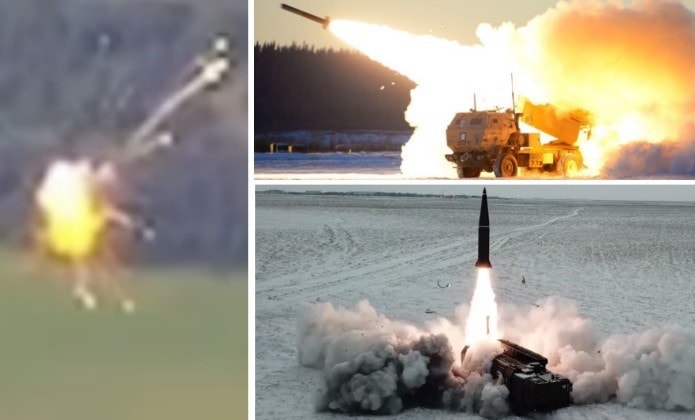
The deployment of the Patriot PAC-3MSE system in this area was confirmed by fragments of MIM-104F interceptor missiles found on the ground. This is part of a military aid package that Germany transferred to Ukraine to enhance its air defense capabilities against ballistic threats.
Technical limitations of the MPQ-53/65A radar
One of the main reasons Patriot is at a disadvantage compared to Iskander-M lies in its radar guidance system. The Patriot units supplied to Ukraine still use the older generation MPQ-53 or MPQ-65A radars. These systems reveal weaknesses when engaging ballistic targets with large dive angles or attacks from behind.
Specifically, the MPQ-53/65A radar is not capable of effectively tracking targets at dive angles greater than 83 degrees. Meanwhile, the Iskander-M missile typically uses complex trajectory algorithms, penetrating air defenses by exploiting these "blind spots." According to military experts, the Iskander's successful penetration rate against Patriot systems that have not been upgraded to the LTAMDS radar can reach up to 70%.
The economic and operational efficiency dilemma
Besides technical factors, cost is also a major obstacle. A single MIM-104F interceptor missile costs up to $4 million. Using this expensive weapon to shoot down cheaper targets such as FAB-500 glide bombs equipped with the UMPK module or Geran-2 UAVs is considered economically inefficient.
Although the PAC-3 MSE (Missile Segment Enhancement) variant boasts high maneuverability and an extended range, its overall combat effectiveness remains limited without the support of more modern radar surveillance systems. Deploying these systems in Kharkiv in the current context seems to have more psychological and communication significance than a real change in the tactical landscape of the region.


