
Ho Chi Minh – A guiding light
The year 2026 marks a historic milestone linked to important turning points in the life and revolutionary career of President Ho Chi Minh: the 115th anniversary of his departure to seek a path to national salvation, and the 85th anniversary of his decision to return to Vietnam to directly lead the Vietnamese revolution.
.png)
Content: Thanh HuyenButPresent: Hong Toai •20/8/2026
*****
The year 2026 marks a historic milestone linked to important turning points in the life and revolutionary career of President Ho Chi Minh: the 115th anniversary of his departure to seek a path to national salvation, and the 85th anniversary of his decision to return to Vietnam to directly lead the Vietnamese revolution.
Throughout the long journey from Nha Rong Wharf to sun-drenched Ba Dinh Square, from the historic days of September 2, 1945, to April 30, 1975, or over 50 years since national reunification, the Vietnamese people have continued to write the story of peace through political stability, international standing in foreign relations, economic, cultural, social, and national defense and security... The 79 years of his life and his timeless ideas remain ever-present, radiating light, illuminating and guiding the Vietnamese revolution to build new chapters in history.
The history of Vietnam in the Ho Chi Minh era began with his departure on June 5, 1911 – a journey that determined the destiny of the entire nation.
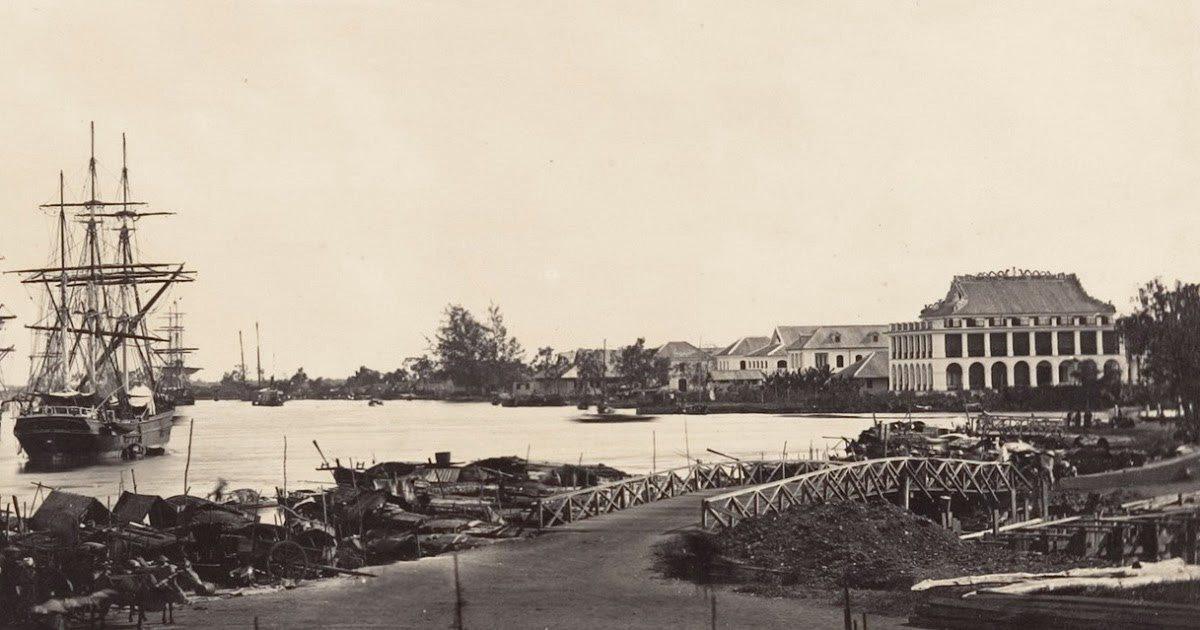
In the early years of the 20th century, Vietnam was under a double yoke of oppression. Many revolutionary movements broke out but failed, and countless talented and heroic individuals sacrificed themselves for the greater good. However, the entire nation had yet to find the right revolutionary path. From Phan Boi Chau, Phan Dinh Phung, Phan Chu Trinh to Hoang Hoa Tham, Nguyen Thai Hoc… they were all true patriotic scholars, harboring the aspiration for national liberation, but all rose up only to fall or retreat: “even if they didn't succeed, they still became heroes.” The crisis in ideology and organization kept Vietnam perpetually mired in the dark ages of slavery. The emergence of Nguyen Tat Thanh at that time proved the truth: each historical period produces historical figures, “circumstances create heroes.” This 21-year-old patriotic youth possessed not only profound patriotism, the will and ambition to save the country and its people, but also a vision that transcended familiar limitations. Instead of following the paths taken by his predecessors, as reality showed those paths had not led the nation to independence, he decided to "seek the image of the nation" in countries considered progressive, countries that, in the name of enlightenment, were oppressing and exploiting other nations. And so he began a 30-year journey far from his homeland to fulfill his mission of "finding a path for the nation to follow."
That journey took Nguyen Ai Quoc through many countries and continents. From the practical experiences of the workers' movement and the national liberation movement around the world, he came to Marxism-Leninism, finding in it the solution to the problem of liberating colonial nations through the path of proletarian revolution.
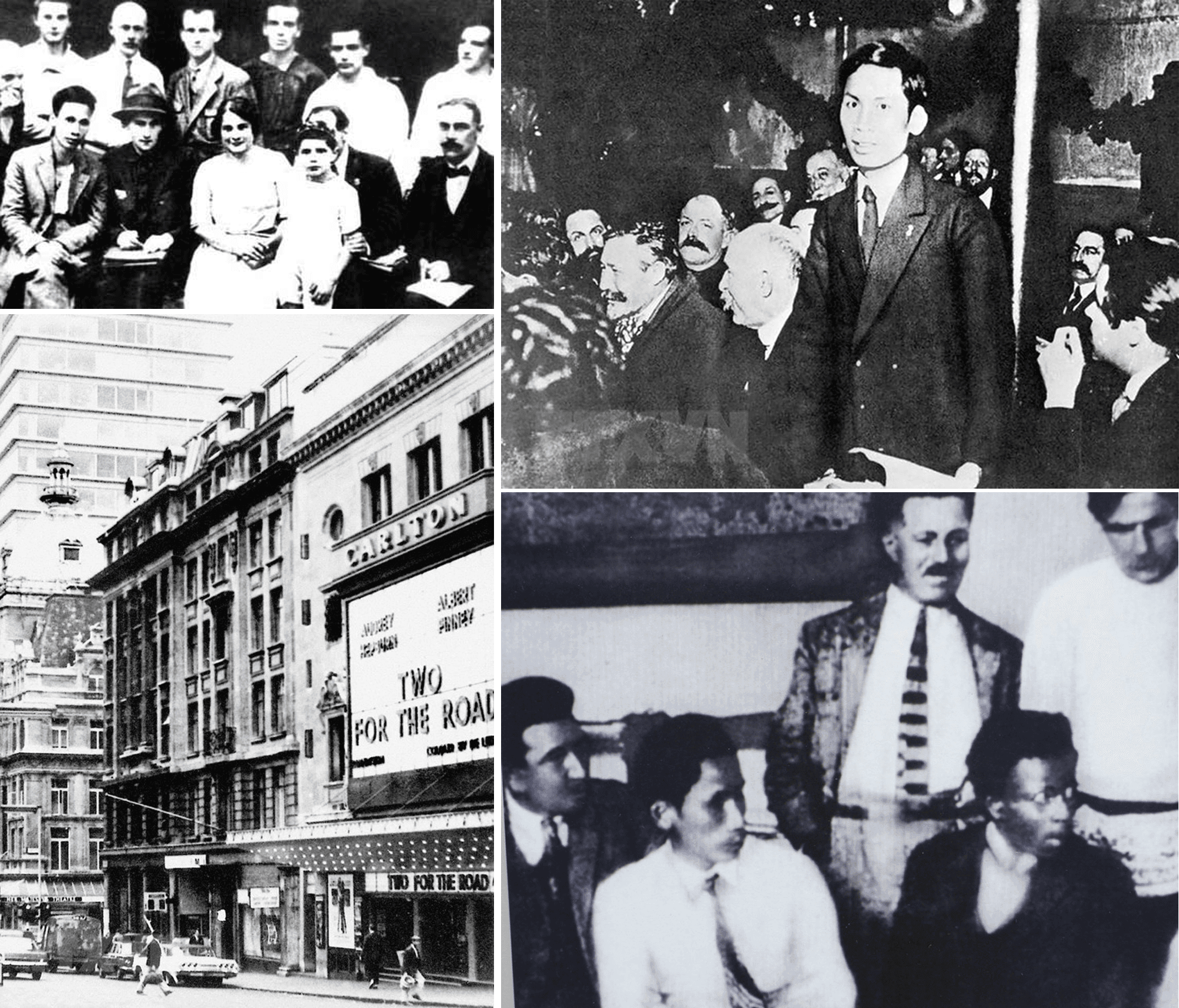
But what made Ho Chi Minh's stature was not just the discovery of a doctrine. More importantly, he creatively applied the principles of the era to the specific conditions of Vietnam, placing the task of national liberation at the center, while establishing a profound concept: national independence must be linked to the freedom and happiness of the people. That was the starting point of a great ideology. Independence is not just about establishing territorial sovereignty on a map. Independence is about giving the people sovereign rights, the right to be masters of their own country, to live in freedom, and to enjoy the fruits of development.
For thirty years, my feet never tired!
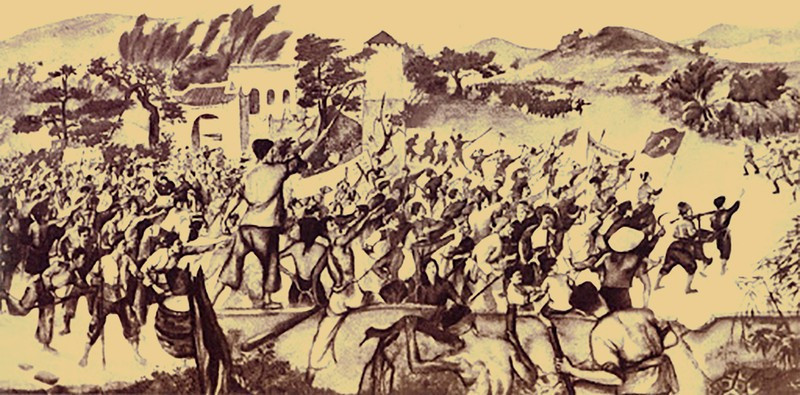
In 1941, after three decades of revolutionary activity across the globe, Nguyen Ai Quoc found the path to national salvation for the Vietnamese people in the light of Marxism-Leninism and the proletarian revolution. He also established the organizational foundation and political core leading the revolution: the Communist Party of Vietnam. Within the country, the patriotic movement continued to develop widely, with the Party's leadership and mobilization of forces. The Vietnamese people, including those in Nghe Tinh, experienced two large-scale armed drills: the Nghe Tinh Soviet Uprising (1930-1931) and the democratic movement (1936-1939). Recognizing that the opportune moment had arrived in the world, domestically, and in Indochina, Nguyen Ai Quoc decided to return to his homeland to directly lead the Vietnamese revolution.
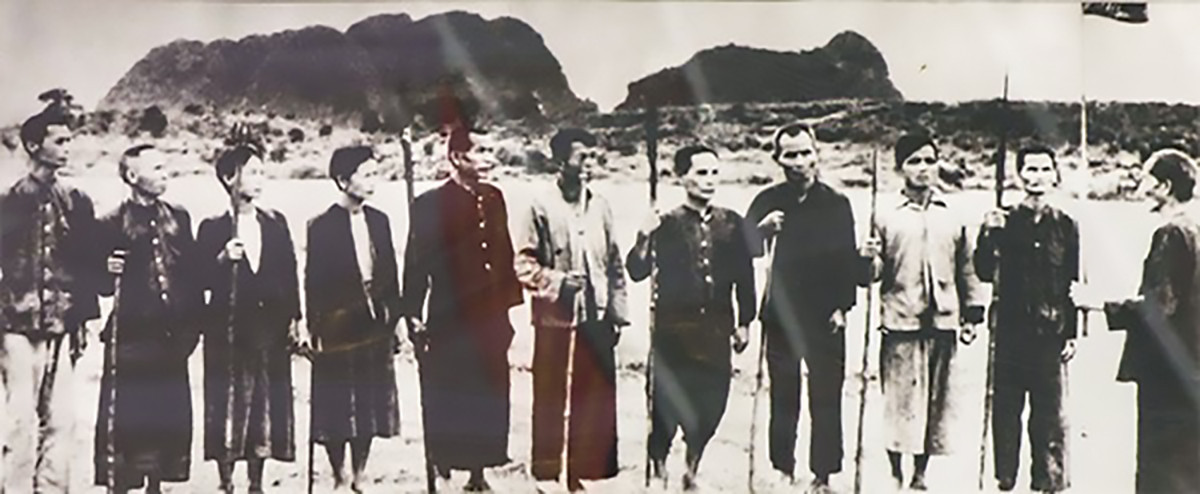
Looking back at the period from 1941 to 1945, one can clearly see a remarkable talent of President Ho Chi Minh: transforming ideology into policies, policies into organizations, organizations into the strength of the masses, and that strength into revolutionary action. He placed particular emphasis on building national unity. Because revolution is not the work of a single group of people. Revolution is the cause of the people. From the Viet Minh, from the Vietnam Propaganda and Liberation Army, from the national salvation organizations, from the revolutionary bases built among the people, a vast force gradually formed. When the opportunity arose, that force converged into a revolutionary torrent. This is precisely the art of seizing opportunities that Ho Chi Minh demonstrated with his strategic vision.
The success of the August Revolution was not a historical coincidence. It was the result of a long process of preparation in terms of forces, strategy, organization, and especially the enlightenment and mobilization of the people's strength. More importantly, it was the leading role of Nguyen Ai Quoc – Ho Chi Minh. In that decisive moment of history, President Ho Chi Minh saw that opportunity only becomes victory when a nation has prepared enough strength to seize it.
"Our nation, our people, our land and country gave birth to President Ho Chi Minh, and it is he who has brought glory to our nation, our people, our land and country."
General Secretary Le Duan
"Today, the morning of the second of September / The capital city is bathed in golden sunshine at Ba Dinh Square."
On September 2nd, 1945, President Ho Chi Minh, on behalf of millions of Vietnamese people, read the Declaration of Independence, solemnly declaring to the world: from now on, Vietnam is independent, and the Vietnamese people will enjoy freedom and happiness, and be masters of their own destiny.
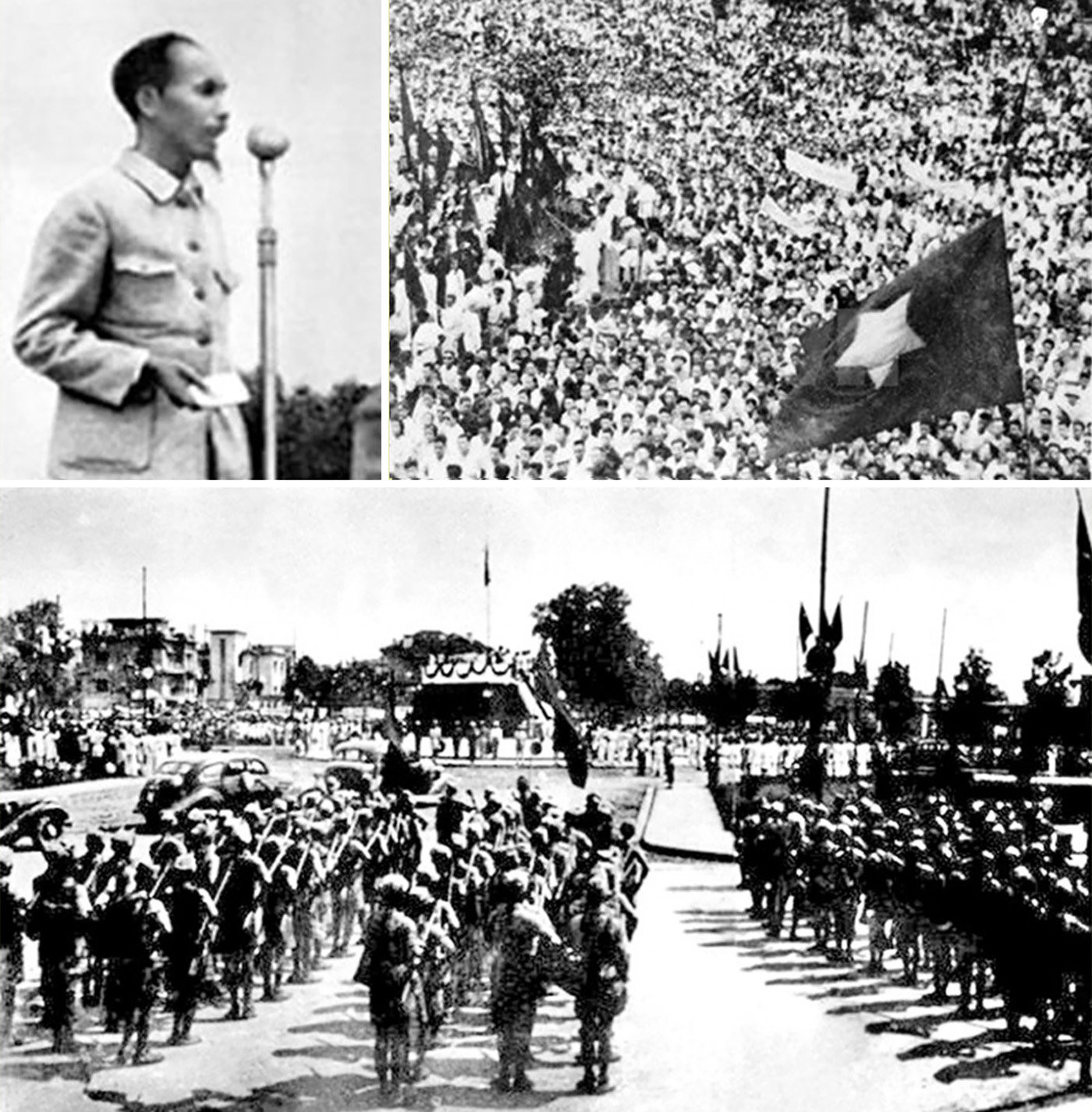
The significance of September 2nd lies not only in the birth of a new state, but also in the affirmation of a great truth: once a nation has the right to control its own destiny, no power can deny that right.
The autumn of 1945 thus became an immortal milestone in the nation's history. Behind that historic moment lies the overarching ideology of President Ho Chi Minh: the country must be independent, the people must be free; all power and revolutionary achievements must ultimately belong to the people, be by the people, and for the people. Therefore, rereading the Declaration of Independence today is not just about remembering a historical day. It is also an opportunity to ask ourselves: how have we preserved, nurtured, and developed that independence?
The year 2026 marks a special convergence of time. National Day, September 2nd, coincides with the anniversary of President Ho Chi Minh's passing, a day 57 years ago when "people shed tears, and the heavens poured rain" (July 21st in the lunar calendar). Amidst the joy of celebrating Independence Day, millions of Vietnamese people are deeply moved as they remember him. This coincidence, stemming from the passage of time, makes the remembrance of President Ho Chi Minh this autumn even more profound.
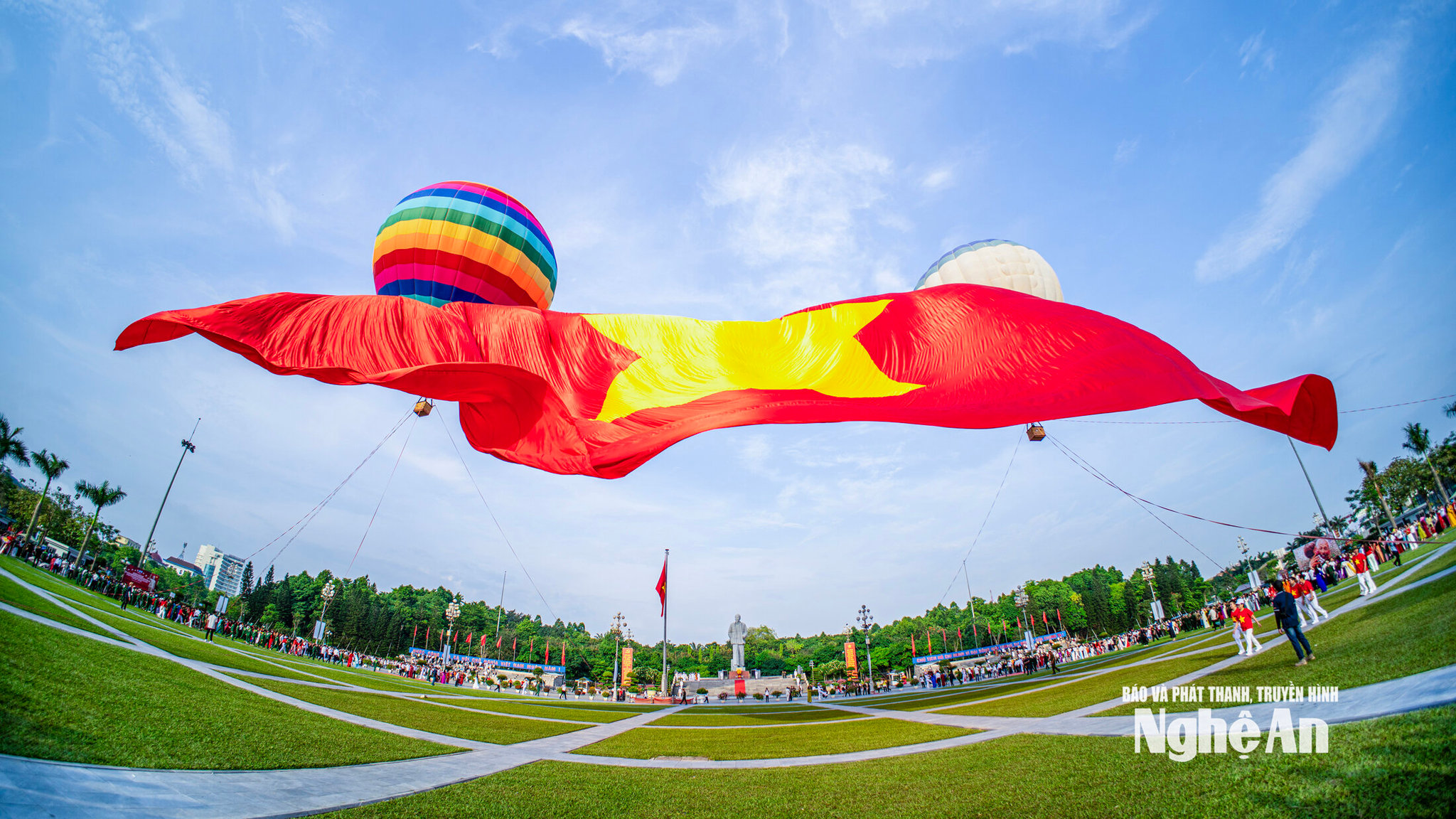
During his lifetime, he had only one wish: "for the country to be independent, for the people to be free, for everyone to have enough food and clothing, and for everyone to have access to education." These seemingly simple things contain a profound philosophy of development: ultimately, all national goals must revolve around the people. This is also the yardstick by which we can measure the achievements of our country today.
If in 1945, the greatest question facing the nation was how to regain independence, today Vietnam is confronted with a new question: How to build a strong, prosperous, civilized, and modern country; where independence and self-reliance go hand in hand with economic strength, science, technology, and international standing?
This is a new journey, a journey that the Party, State, and people of Vietnam have traversed for over 80 years, marked by glorious victories in the two wars of resistance against French colonialism and American imperialism, and by the hardships and struggles, yet full of resilience and aspiration, in the years of overcoming the consequences of war, rebuilding, and renewing the country. But regardless of the period and circumstances, the fundamental principles left by President Ho Chi Minh remain as valuable as ever.
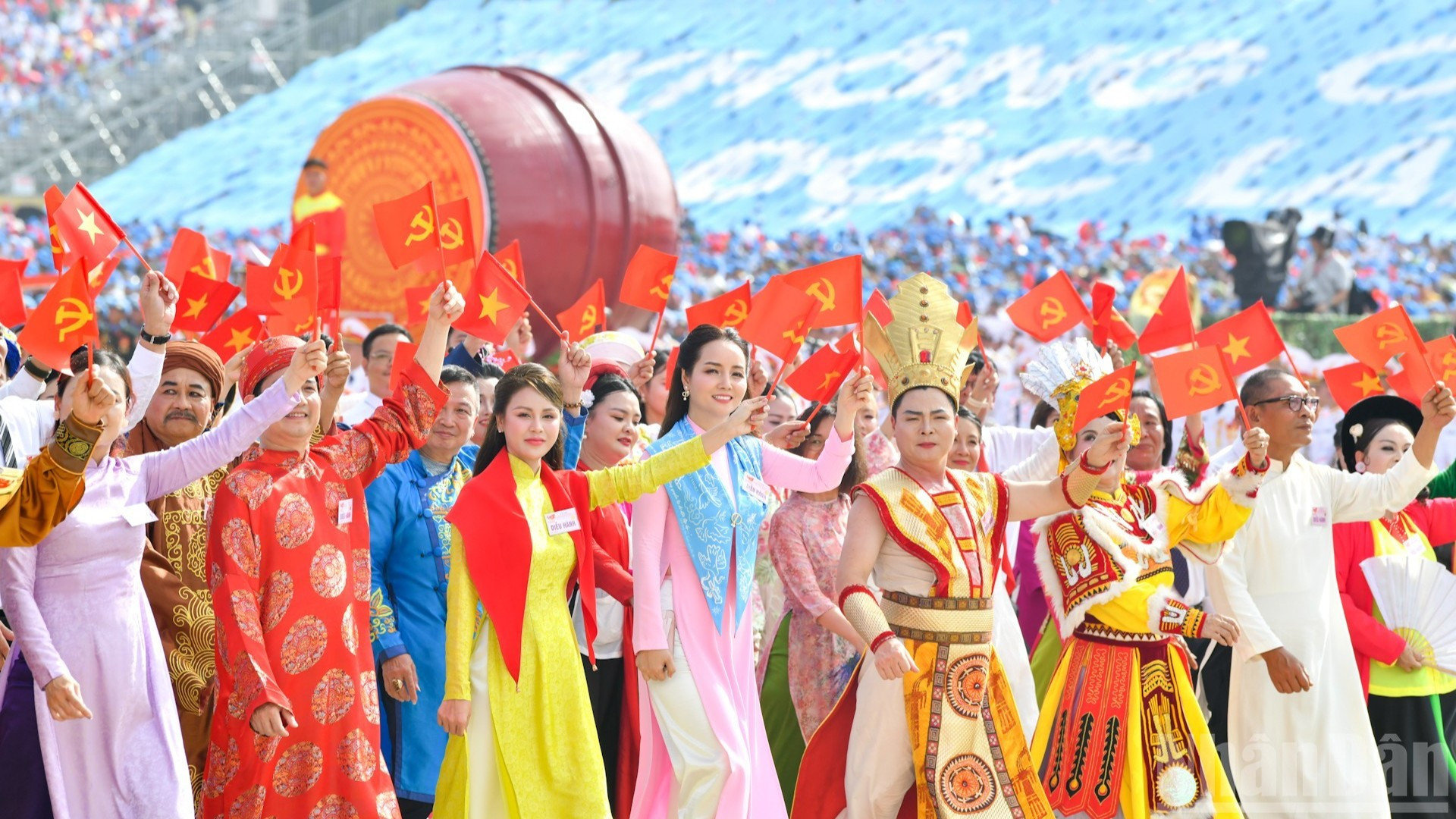
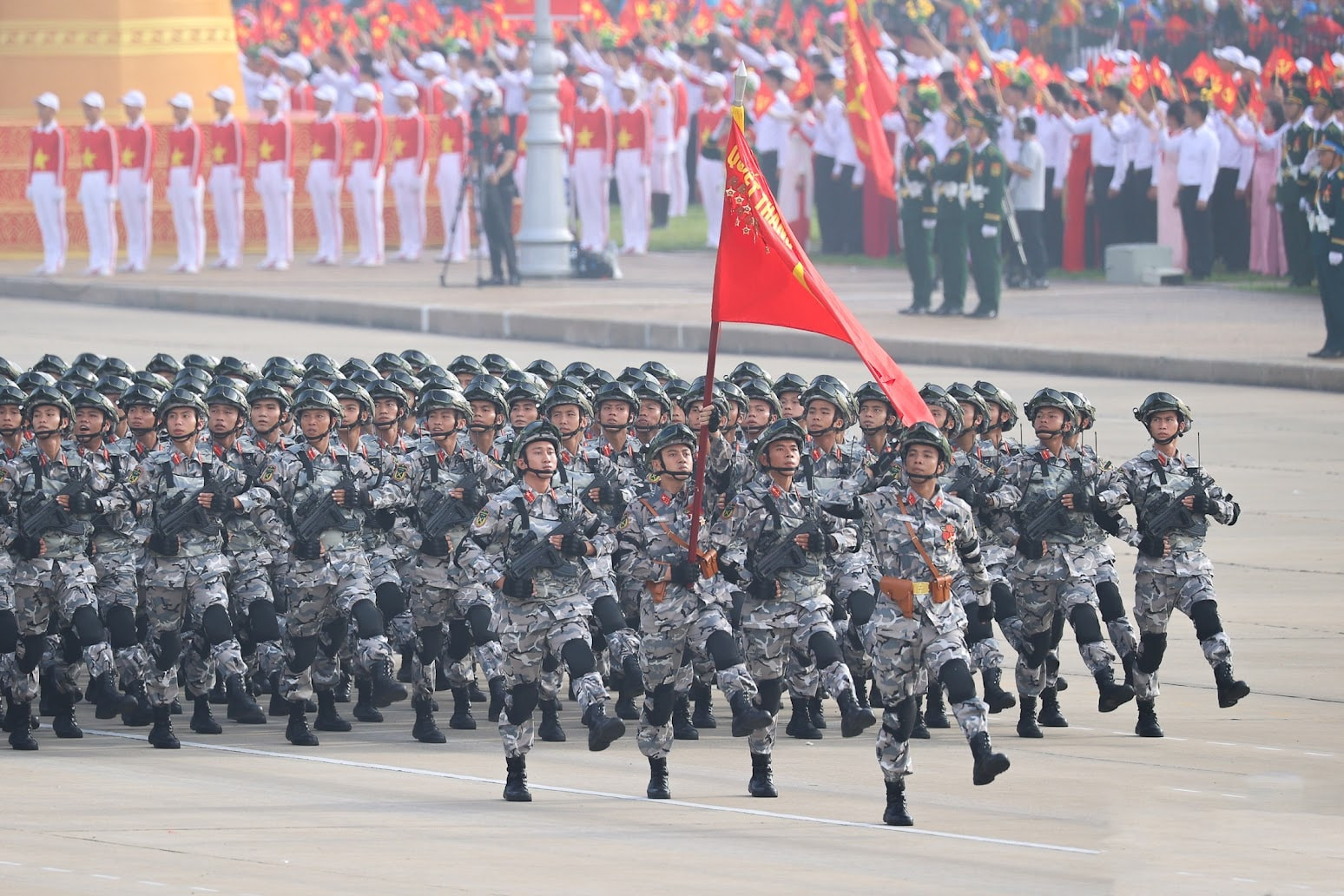
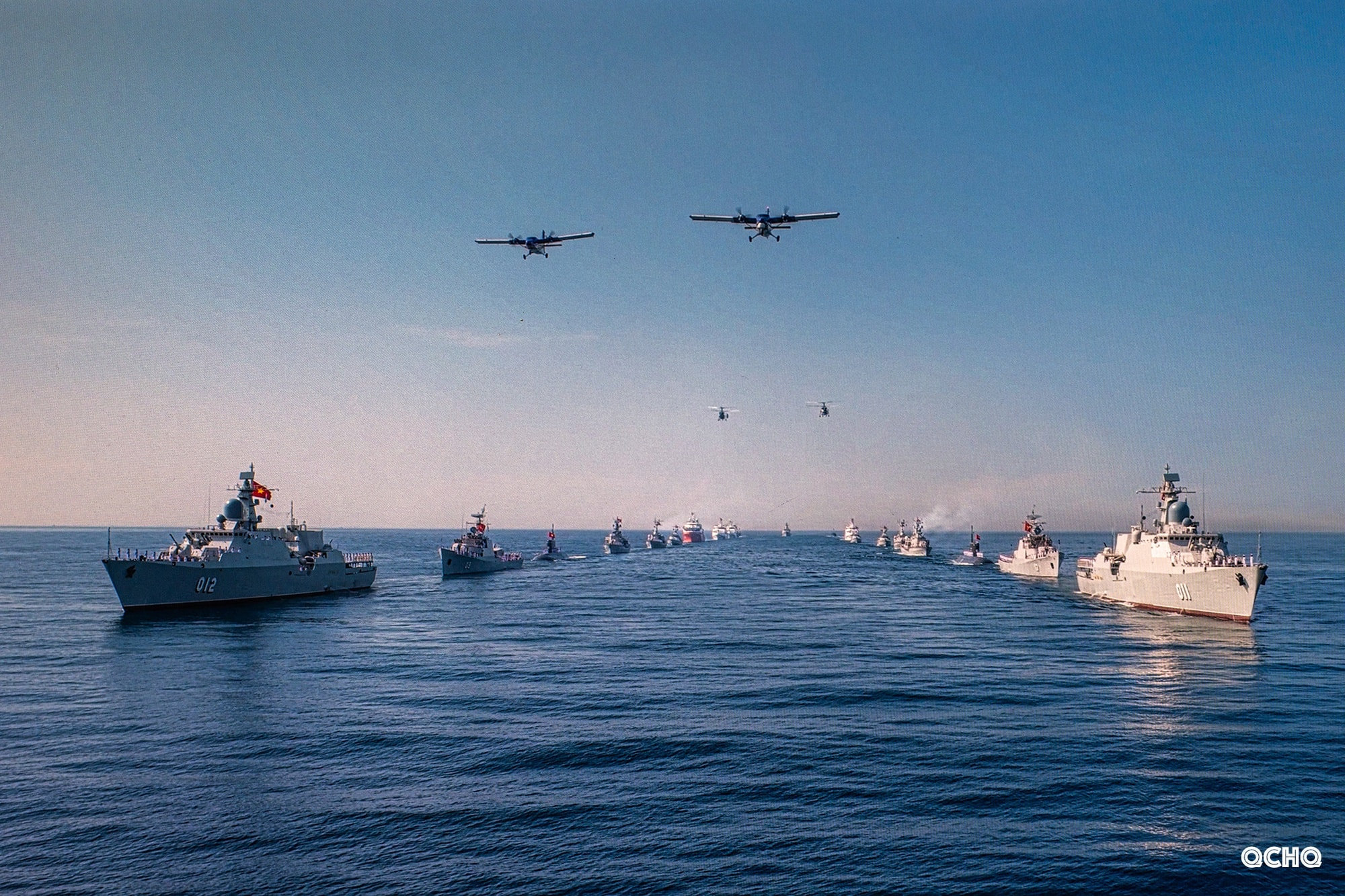
First of allindependence, self-relianceIn this era, on today's international stage, independence is not only measured by territorial sovereignty. It is also about economic, scientific, and technological self-reliance, the ability to adapt to external changes, and the capacity to master strategic resources of the future. That is why Vietnam must rise through knowledge, science and technology, innovation, digital transformation, and high-quality human resources.
Ho Chi Minh's ideology has always embodied an open-minded spirit: Vietnam is a part of the world, and must learn from the best of humanity, combining national strength with the strength of the times. In today's era, this is even more urgent. New technologies, artificial intelligence, the digital economy, the green economy, and global networks are opening up unprecedented opportunities. But opportunities only become strength when we have the courage to master them.

And above allpeopleRecently, at the 14th National Party Congress (January 2026), presenting the Report on the documents, along with many important strategic orientations aimed at propelling the country to prosperity and development in the new era, General Secretary To Lam once again emphasized President Ho Chi Minh's ideology of "putting the people first." The overarching idea in the documents of the 14th Party Congress, and also the source of strength for the Vietnamese revolution, is "The people are the foundation." And that is also the highest measure of all policy decisions.
A nation may have impressive growth figures, grand projects, and modern cities. But the ultimate goal of development must still be to improve the quality of life, expand opportunities for its people, so that everyone can live a better life. That is the spirit of "putting the people first" in the new form of the development era.
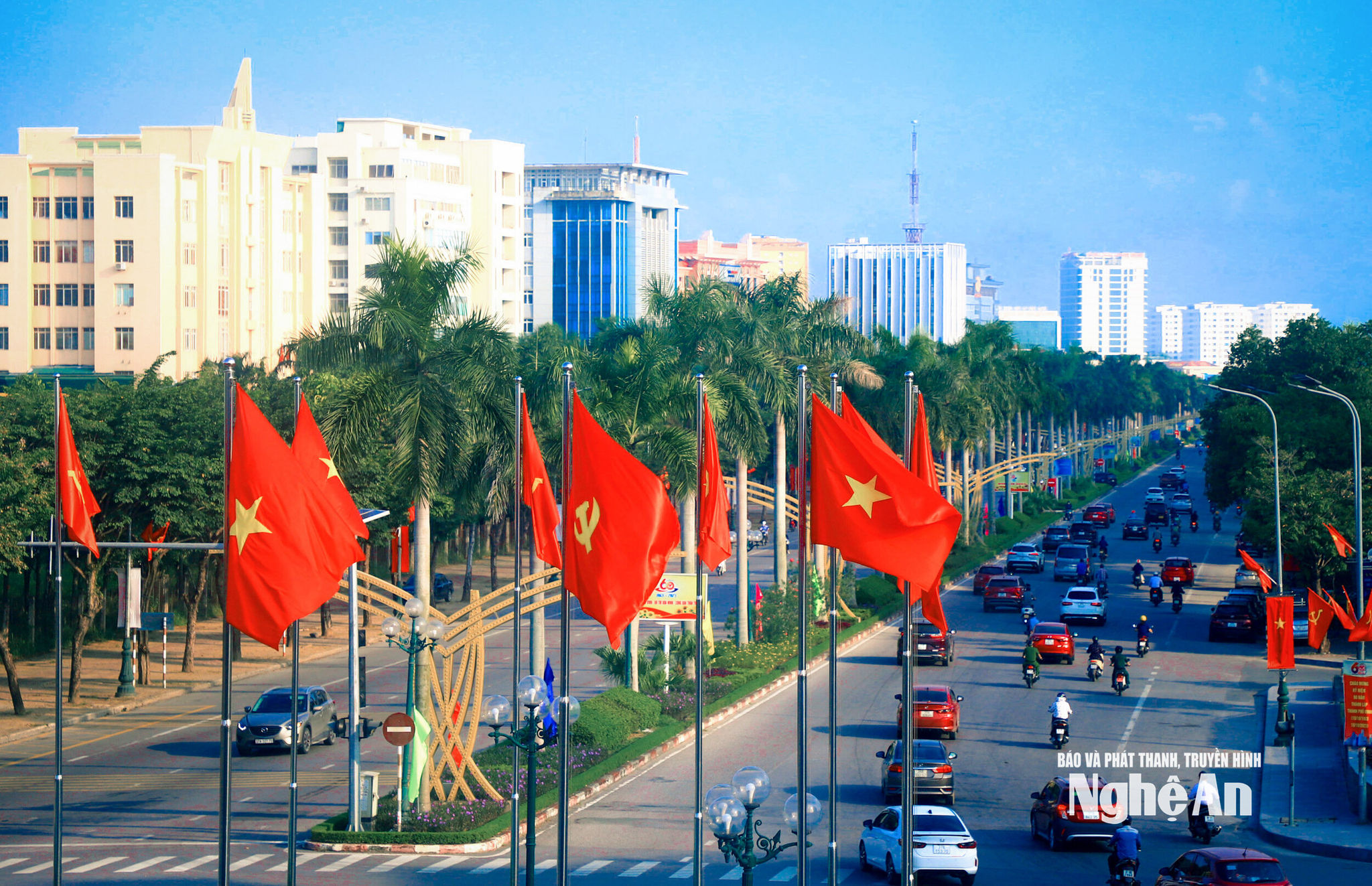
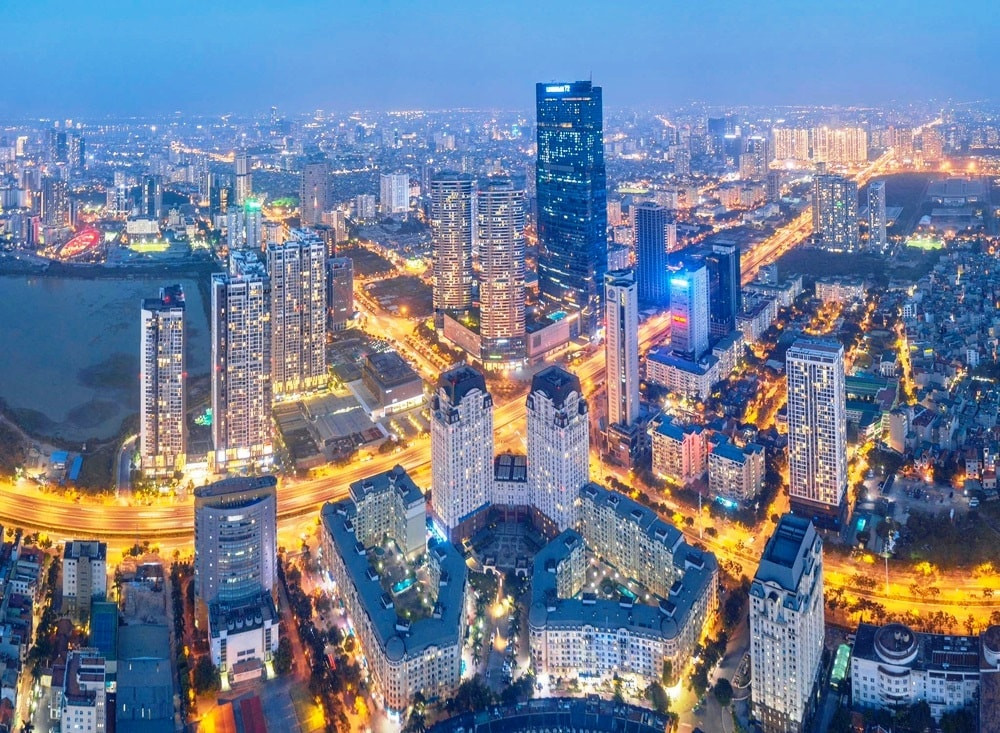
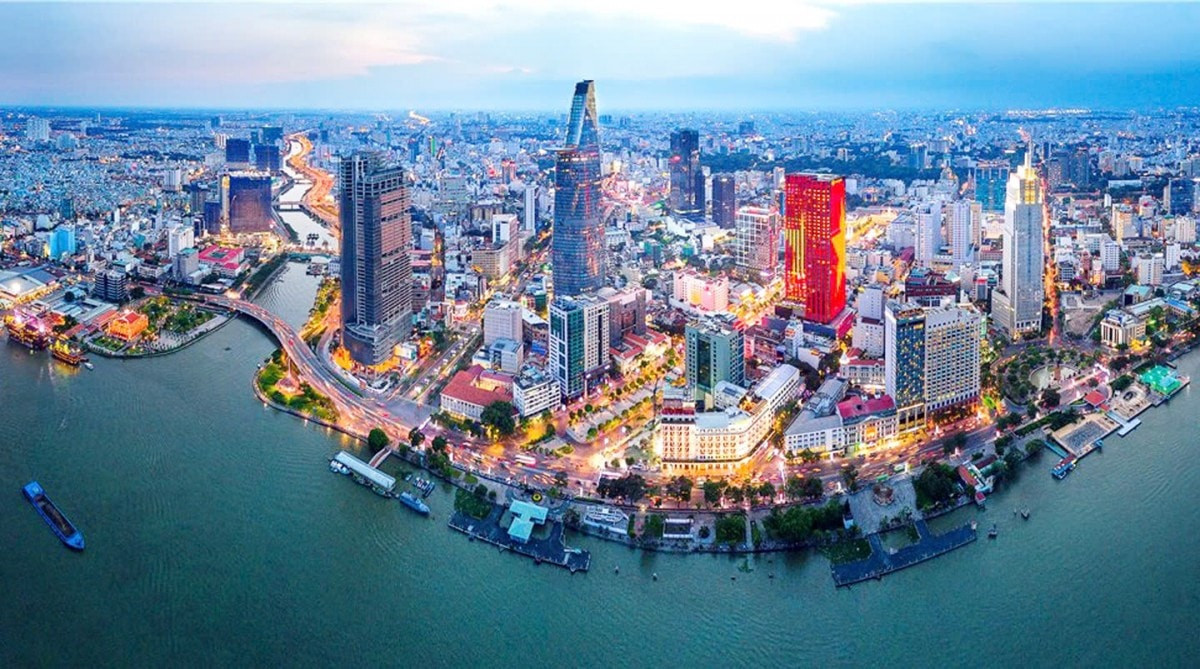
This autumn is different!
Eighty-one years have passed since President Ho Chi Minh's Declaration of Independence resounded in Ba Dinh Square. The country has undergone many changes. But the aspiration for an independent, free, happy, and prosperous Vietnam, as envisioned by him, remains a constant thread throughout the nation-building process.
The light of Ho Chi Minh shines not only on the past. That light has been and continues to shine on the present and the future, helping us understand the value of independence and see more clearly the path ahead. It shows humanity that, in the past, Vietnam not only rose up to gain independence and preserve its territorial integrity, but in the present and future, the Vietnamese people will continue to rise up with their wisdom, courage, and aspirations to build a strong, prosperous, and happy nation.


