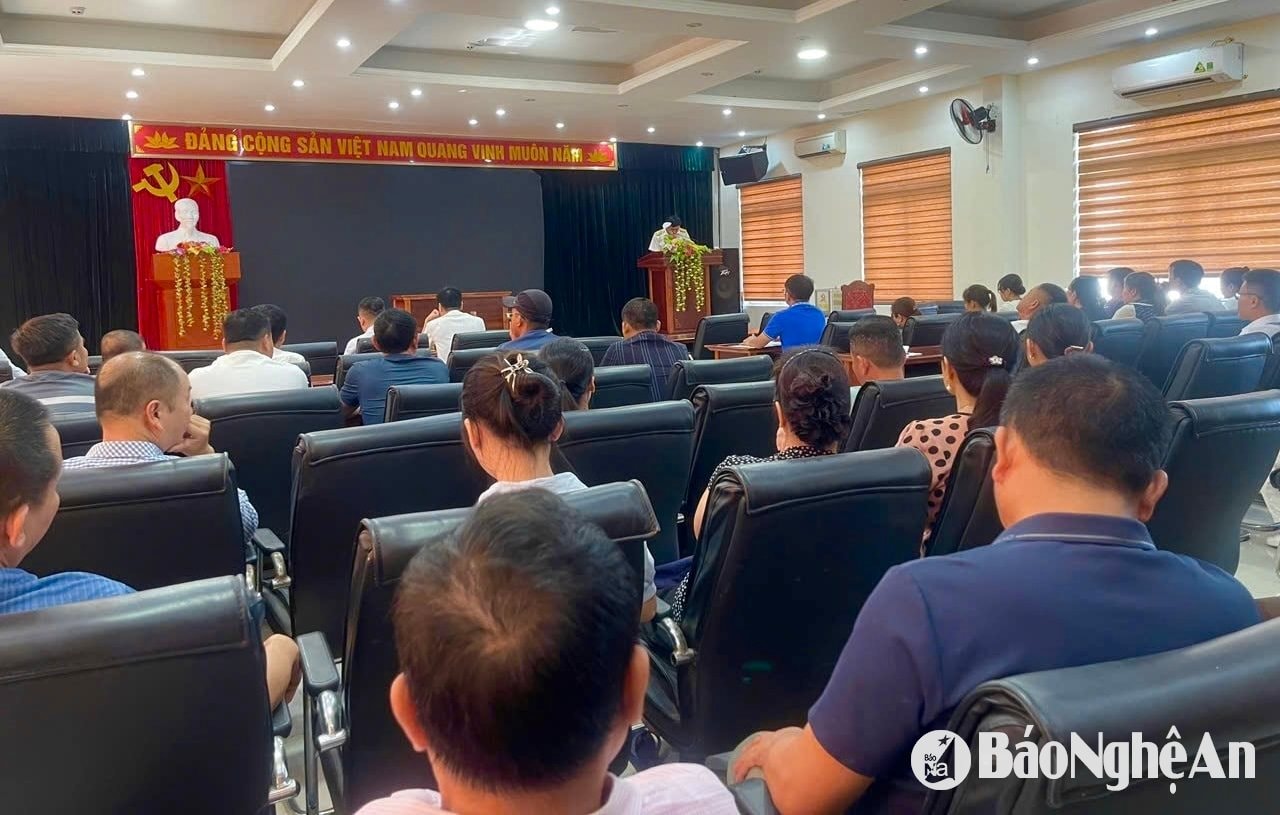
What three types of taxes do household businesses have to pay?
In the context of comprehensive digital transformation, particularly in the field of public finance, the Government and the tax sector are promoting policies to modernize management, aiming to improve the efficiency of supervision, tax collection, and transparency. The types of taxes that household businesses currently have to pay are a matter of concern for many people.
Household businesses with annual revenue of 100 million VND or more are subject to taxation.
According to the provisions of the 2019 Tax Administration Law and its implementing regulations, business households (including individual businesses) may have to fulfill three main tax obligations, including value-added tax (VAT), personal income tax (PIT), and business license fees, depending on the scale of revenue and business sector.
- First of allValue Added TaxHousehold businesses with annual revenue of 100 million VND or more are subject to VAT and the direct calculation method based on revenue will apply. The specific tax rates are stipulated in Article 51 of Circular 40/2021/TT-BTC of the Ministry of Finance. Specifically, the sale of goods is subject to a 1% VAT rate; services and construction without material procurement are subject to a 5% rate; and some other special types of services may have separate rates depending on the detailed regulations of the tax authorities. Household businesses should also pay attention to the regulations in Decree No. 70/2025 regarding invoices and supporting documents.

- Secondly, business households must pay taxHue personal income,According to Circular 40/2021/TT-BTC, business households with annual revenue of 100 million VND or more will also be subject to personal income tax using the lump-sum calculation method. The tax rate applied varies by industry: 0.5% for the sale of goods, 2% for services and construction (excluding materials), and 1% or 2% for some other types of services.
Households with annual revenue under 100 million VND are exempt from Value Added Tax (VAT) and Personal Income Tax (PIT), ensuring fairness and encouraging the development of small businesses.
- The third obligation that a household business must fulfill is to payBusiness license feeBusiness license fees are regulated by Decree No. 139/2016/ND-CP (amended by Decree No. 22/2020/ND-CP), calculated based on the revenue of the immediately preceding year.
Specifically, households with annual revenue from 100 million to under 300 million VND pay 300,000 VND/year; from 300 million to under 500 million VND pay 500,000 VND/year; and from 500 million VND or more pay 1,000,000 VND/year. Newly established businesses or those with annual revenue under 100 million VND are exempt from business license fees.
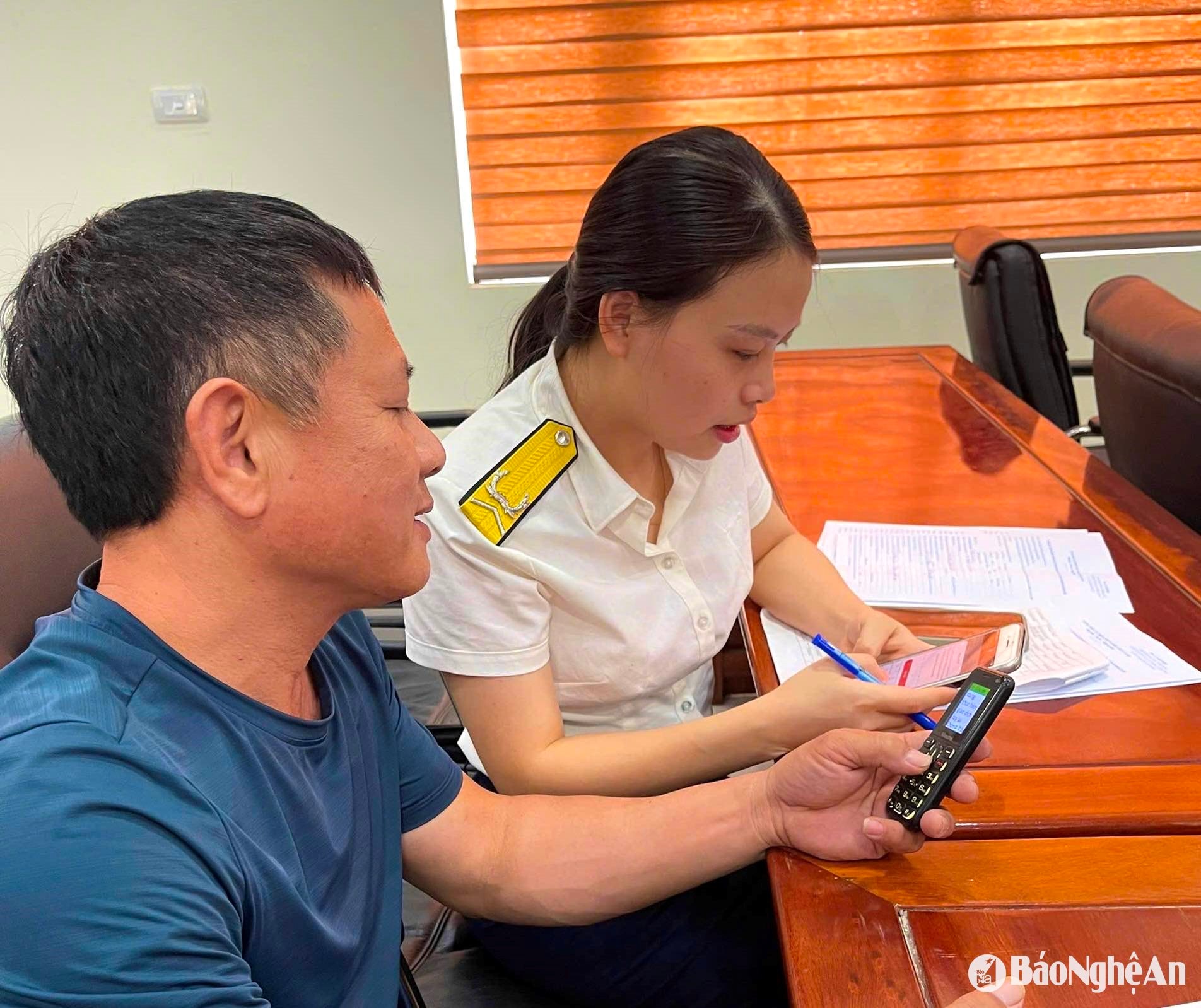
A pivotal change from June 1, 2025.
A landmark change, officially implemented from June 1, 2025, is the deployment of electronic invoices with tax authority codes generated from cash registers for business households with revenue of 1 billion VND or more and operating in certain specific sectors.
According to Decree No. 70/2025/ND-CP, business sectors with a high risk of revenue loss and direct transactions with consumers include:Retail trade, food and beverage services, restaurants, hotels, passenger transport, entertainment services such as cinemas, karaoke, spas…Electronic invoices will be mandatory, issued from cash registers connected to the tax authorities.
Electronic invoices generated from point-of-sale systems are invoices created at the time of sale using software on networked electronic devices, and capable of instant data transmission to the Tax Department. This type of invoice not only ensures accuracy and prevents revenue fraud but also facilitates storage, verification, and retrieval when needed. The adoption of this type of invoice is a crucial step in the digitalization of tax management, reducing reliance on traditional declaration methods which are inherently prone to errors.
However, alongside the benefits of financial transparency and management convenience, many businesses also face certain challenges. The biggest obstacle is the limited technological skills and the initial investment required to equip themselves with appropriate cash registers and electronic invoicing software. For businesses in remote areas lacking digital infrastructure, accessing and proficiently using electronic invoices remains a problem requiring technical support from relevant authorities.
In response to this situation, the Tax Department has implemented numerous support programs to ensure that business households can transition promptly and effectively. Notably, this includes collaborating with businesses providing electronic invoicing solutions to offer free or preferential software support to small business households. In addition, the tax authorities organize training courses, provide guidance through online materials and videos, and offer a 24/7 support hotline to assist citizens in implementing the new policy.
Mr. Nguyen Duy Nam, Team Leader of the Song Lam 1 inter-district tax team (Do Luong, Thanh Chuong, Tan Ky), said: In addition to households with revenue exceeding one billion VND, the team has assigned support groups to guide individual households on implementing policies, introducing software providers such as MISA, VNPT, Viettel... Currently, about 100 out of 140 households with high revenue under the team's management are operating the software well, while some households still have difficulties with invoice issuance and slow operation. Besides households that meet the criteria, the team also registers and connects invoices with the tax authorities for any households that wish to implement the policy.
Currently, in addition to using electronic invoices, the tax declaration and payment process has also been simplified and digitized by the tax authorities. Many tax management applications on smartphones have been deployed and integrated with online payment gateways, helping businesses pay taxes quickly without having to go directly to the tax office. Especially for businesses paying taxes under the lump-sum method, the tax authorities will proactively determine the lump-sum amount; businesses only need to confirm and pay on time, eliminating the need for complex accounting records.
To avoid legal risks and benefit from the best support policies, business households need to proactively review their annual revenue to determine their tax obligations, and contact the tax authority where they are registered for guidance on registering and using electronic invoices correctly.
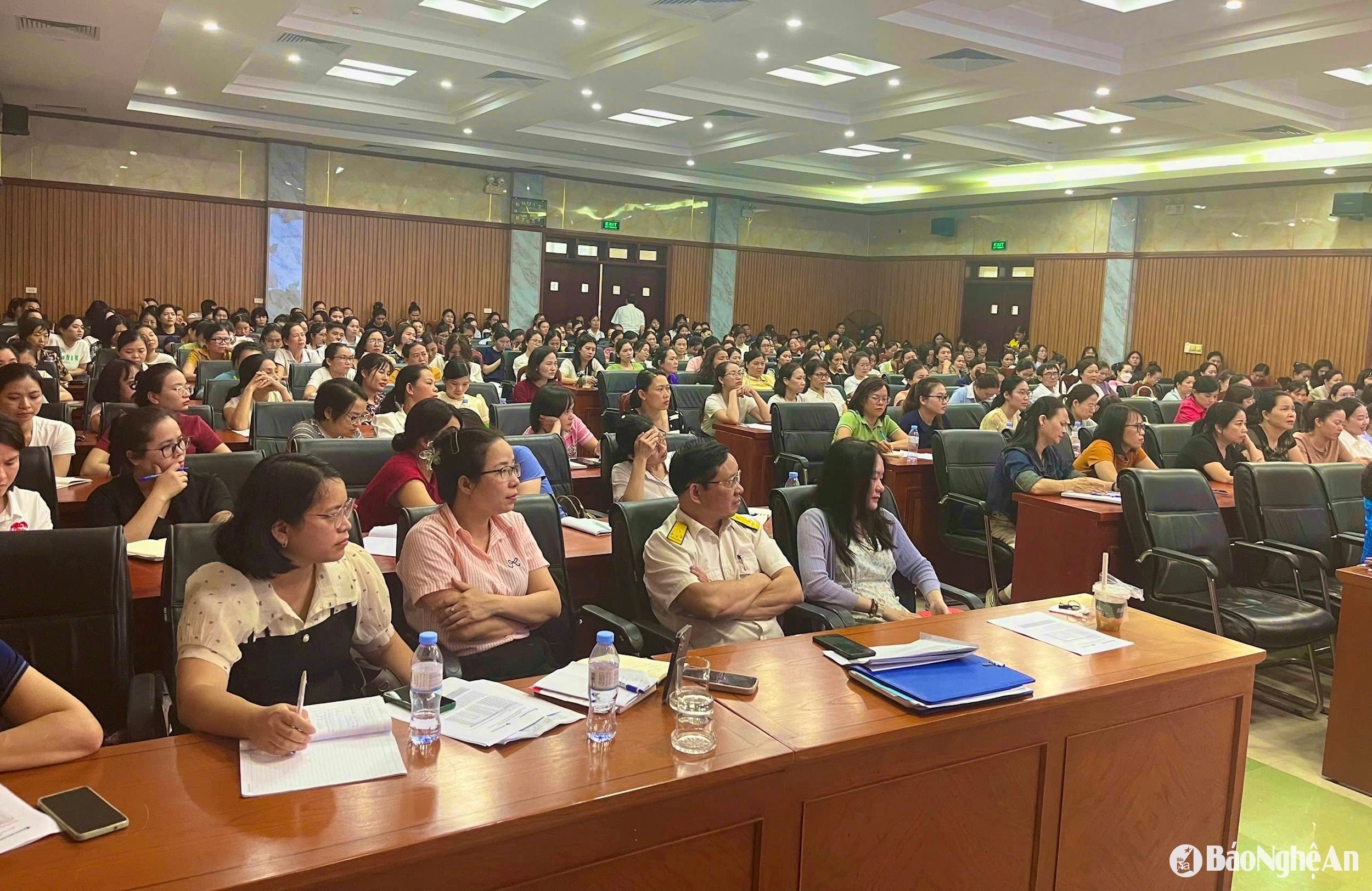
Household businesses must keep records of revenue, cooperate closely with state management agencies, and regularly update themselves on new regulations to help them maintain stable operations and sustainable development in an increasingly transparent and modernized business environment.
Adopting electronic invoices and complying with tax obligations is not only a legal requirement but also demonstrates professionalism in business, builds credibility, helps household businesses better access credit, expand their scale, and increase cooperation opportunities. In the long term, this is the inevitable path for household businesses to integrate and keep pace with enterprises and the national digital transformation network.
Some penalties for violations committed by business households:
From June 1st, 2025, business households with annual revenue of ≥ 1 billion VND are required to use electronic invoices from cash registers. Failure to do so will result in penalties according to Decree 125/2020 (and supplementary provisions of Decree 102/2021). Fines range from 10-20 million VND for failing to issue invoices when obligated. Furthermore, the business household must pay the entire amount of evaded tax plus late payment penalties; the penalty may be 100% of the evaded tax amount if there are mitigating circumstances.
Platforms (such as Shopee, Lazada, Tiki, etc.) are responsible for deducting and paying taxes on behalf of household businesses and individual entrepreneurs for each transaction (VAT and personal income tax). If the platform fails to do so, the household business must register, declare, and pay taxes themselves; otherwise, they will be penalized according to regulations on late declaration and tax evasion.