Improving policies and removing bottlenecks for agricultural insurance - Final part: Solutions to activate insurance and protect "agriculture, farmers, and rural areas"
Nghe An province has over 80% of its population living in rural areas, and the majority of their income depends on agricultural production. However, the risks of natural disasters, epidemics, and climate change are increasing in both frequency and severity. Therefore, how to protect farmers and ensure safety in agricultural production and fishing against unpredictable losses caused by natural disasters is a major issue that needs to be addressed.


Reporters TeamNovember 30, 2025
Nghe An province has over 80% of its population living in rural areas, and the majority of their income depends on agricultural production. However, the risks of natural disasters, epidemics, and climate change are increasing in both frequency and severity. Therefore, how to protect farmers and ensure safety in agricultural production and fishing against unpredictable losses caused by natural disasters is a major issue that needs to be addressed.

Agricultural insurance is considered a "shield" to help farmers overcome difficulties caused by natural disasters and diseases. However, many shortcomings remain, as clearly assessed in Resolution 19 NQ/TW, most notably the slow revision and supplementation of mechanisms and policies regarding agricultural insurance, which has prevented the full humanitarian role and significance of risk insurance from being realized.
To address this "bottleneck," one of the solutions being considered is strengthening credit insurance and agricultural insurance policies. Some banks have prioritized reducing loan interest rates when farmers participate in insurance schemes under Decision No. 150/QD-TTg.
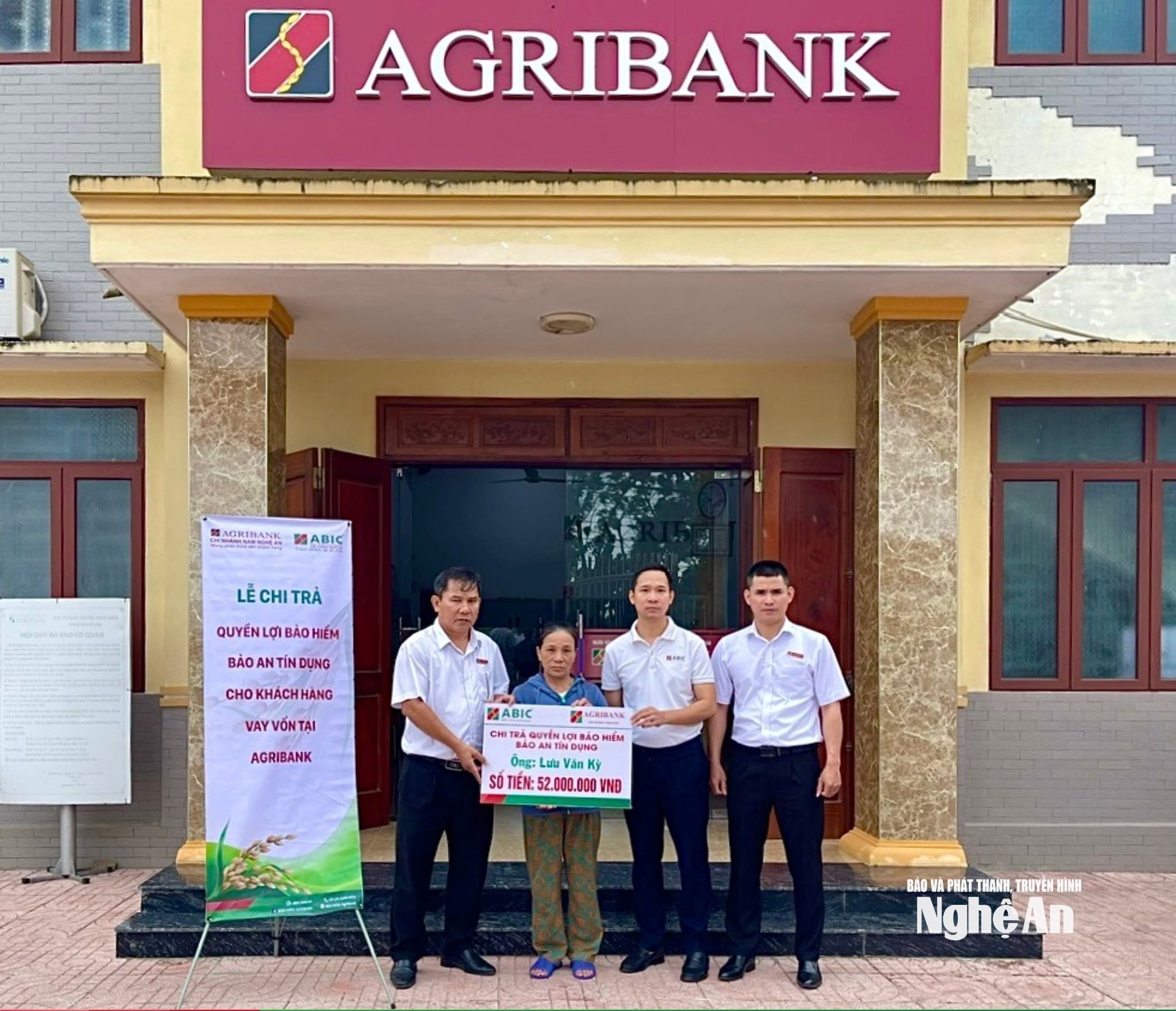
Agribank Insurance (ABIC) is considered an active unit, implementing both policy-based agricultural insurance and various flexible commercial insurance options. Mr. Pham Van Tuyen - Director of ABIC Nghe An shared: “In the agricultural sector, many farmers purchase credit security products from ABIC Insurance. If they unfortunately encounter misfortune, and if they meet all the legal requirements and procedures, they will receive compensation and support, thus basically resolving the debt problem. In my opinion, it is necessary to create a coordination mechanism between banks, farmers' associations, cooperatives, businesses supplying agricultural inputs, and insurance companies to create a value chain that helps farmers feel secure in their agricultural production from input to output.”
In my opinion, it is necessary to create a coordination mechanism between banks, farmers' associations, cooperatives, agricultural input suppliers, and insurance companies to create a value chain that helps farmers feel secure in their agricultural production from input to output.”
Mr. PHAM VAN TUYEN - Director of ABIC Nghe An
Agricultural production is always subject to objective risks such as natural disasters, diseases, and market fluctuations, making credit security a major challenge. Mr. Hoang Anh Tuan, Director of Agribank's Tay Nghe An branch, stated: “Credit insurance helps banks confidently transfer policy capital to remote areas, supporting farmers in accessing production resources. In 2015 alone, Agribank Tay Nghe An had over 1,000 customers in Thai Hoa, Tuong Duong, and Anh Son districts who suffered losses of approximately 128 billion VND due to storms. We recognize that providing capital to the people in these areas, with credit insurance, will be a significant support in our unsecured lending activities. We always encourage and hope that farmers and customers will participate in insurance to manage risks.”
Risk insurance products for farmers during the loan process are crucial in ensuring production chain linkages, protecting agricultural production safety, and safeguarding farmers' well-being – issues emphasized in numerous Party and State resolutions on agriculture and rural areas. ABIC is creating a strong link between farmers, Agribank, and ABIC, but this link needs to be further expanded to include fertilizer suppliers, pesticide suppliers, agricultural machinery suppliers, transporters, processors, exporters, etc., in order to create a safe and sustainable ecosystem for agricultural production.
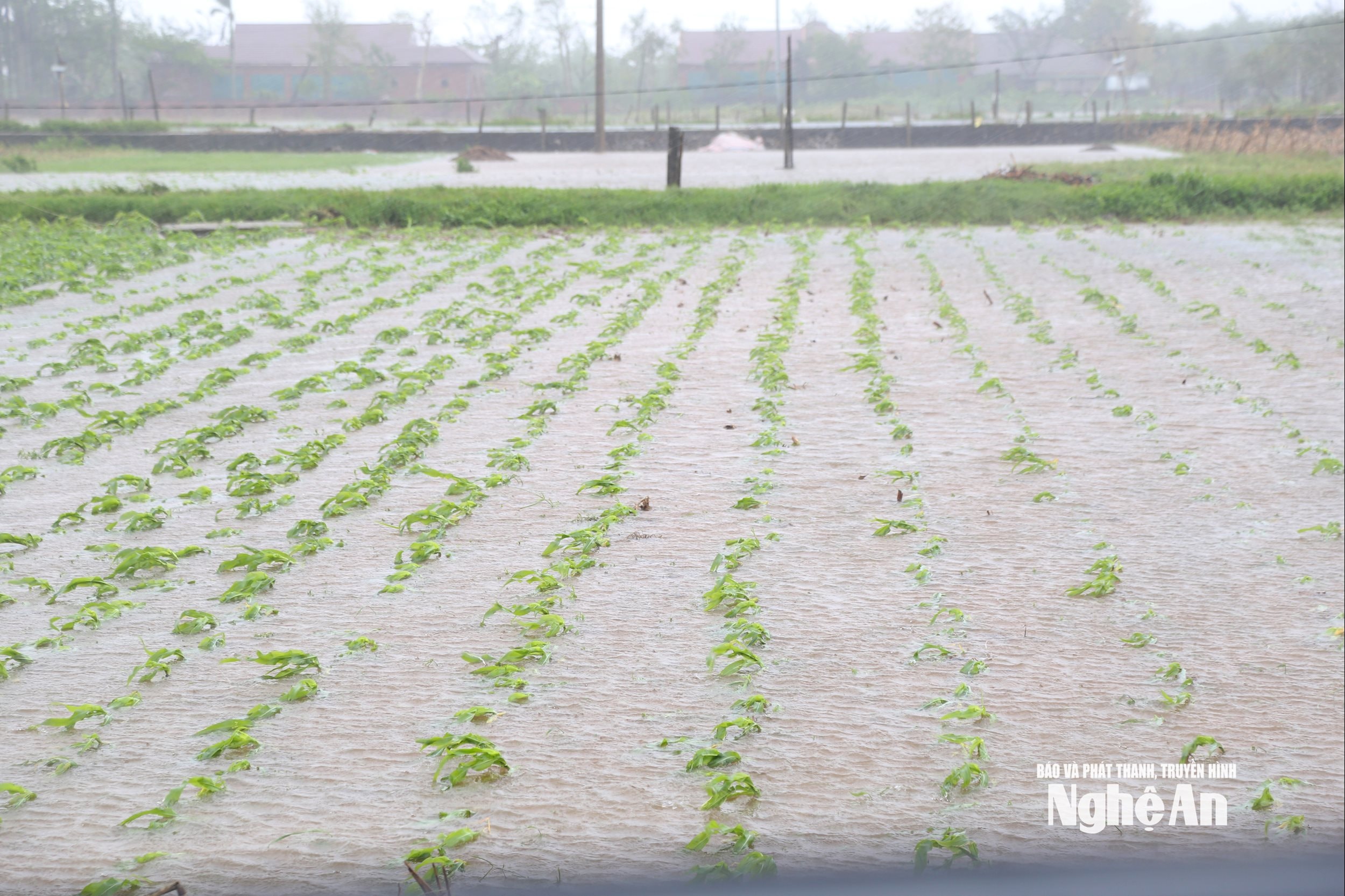
However, the number of credit insurance companies for the agricultural sector, as well as agricultural insurance, is not large; several legal barriers are making insurance difficult for people and businesses to access. Mr. Nguyen Quang Tung, former Chairman of the Provincial Farmers' Association, who has been closely associated with farmers for many years, shared: Currently, the participation rate of farmers is very modest, insurance revenue and benefit payments are very low, mainly covering only two main groups: rice and cattle. Insurance for fishing vessels is difficult to expand. Insurance for aquatic products has not yet been implemented. This shows that the scale and spread of agricultural insurance are still limited and not truly attractive. Therefore, the issue of reinsurance, where the original insurance company transfers a portion of its responsibility and risk to the reinsurance company, is also very limited. Very few reinsurers are keen to invest in this field.
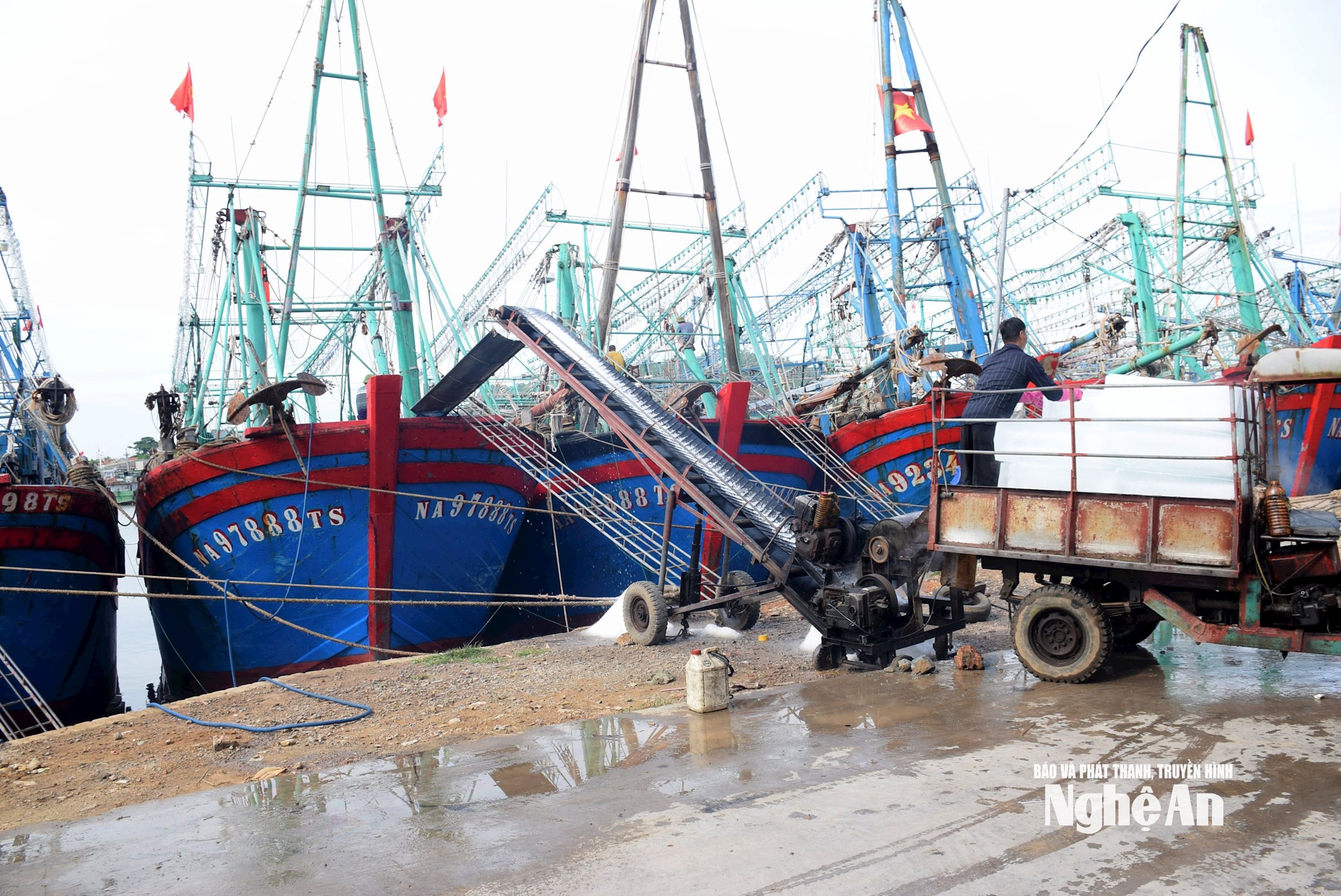
Regarding fishing vessel insurance, participating in vessel insurance is not a mandatory condition for fishermen to engage in fishing activities. However, like other types of risk insurance, fishing vessel insurance and crew insurance are extremely important for fishermen, helping to minimize losses and reduce costs whenever incidents occur at sea. Fisherman To Huy Hung from Quynh Phu commune, owner of fishing vessel NA 92888 TS, believes that the State should have a policy to subsidize a portion of fishing vessel insurance premiums for fishermen. Insurance companies also need to take responsibility for supporting fishermen whenever risks occur. Only then will it create an incentive for fishermen to participate in fishing vessel insurance.
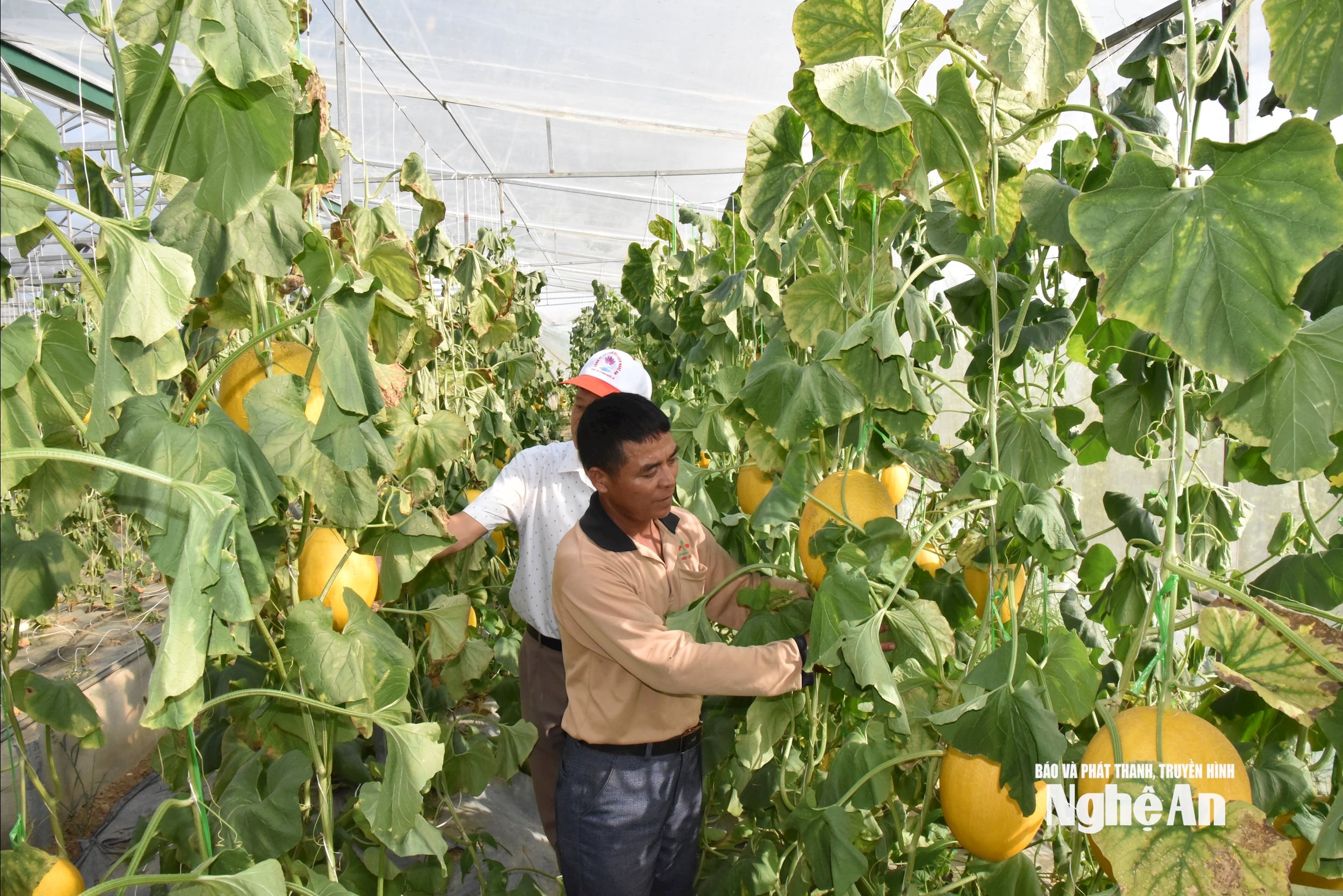
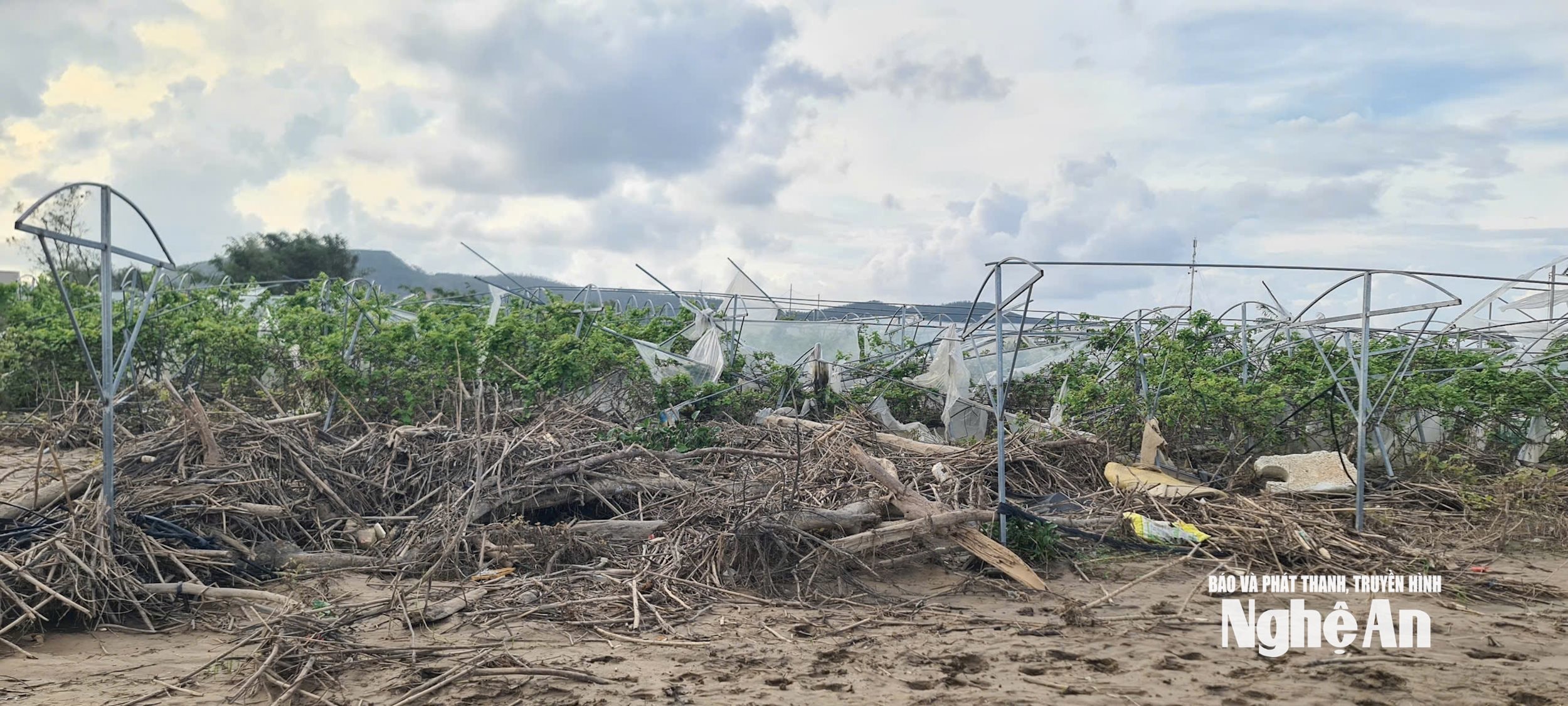
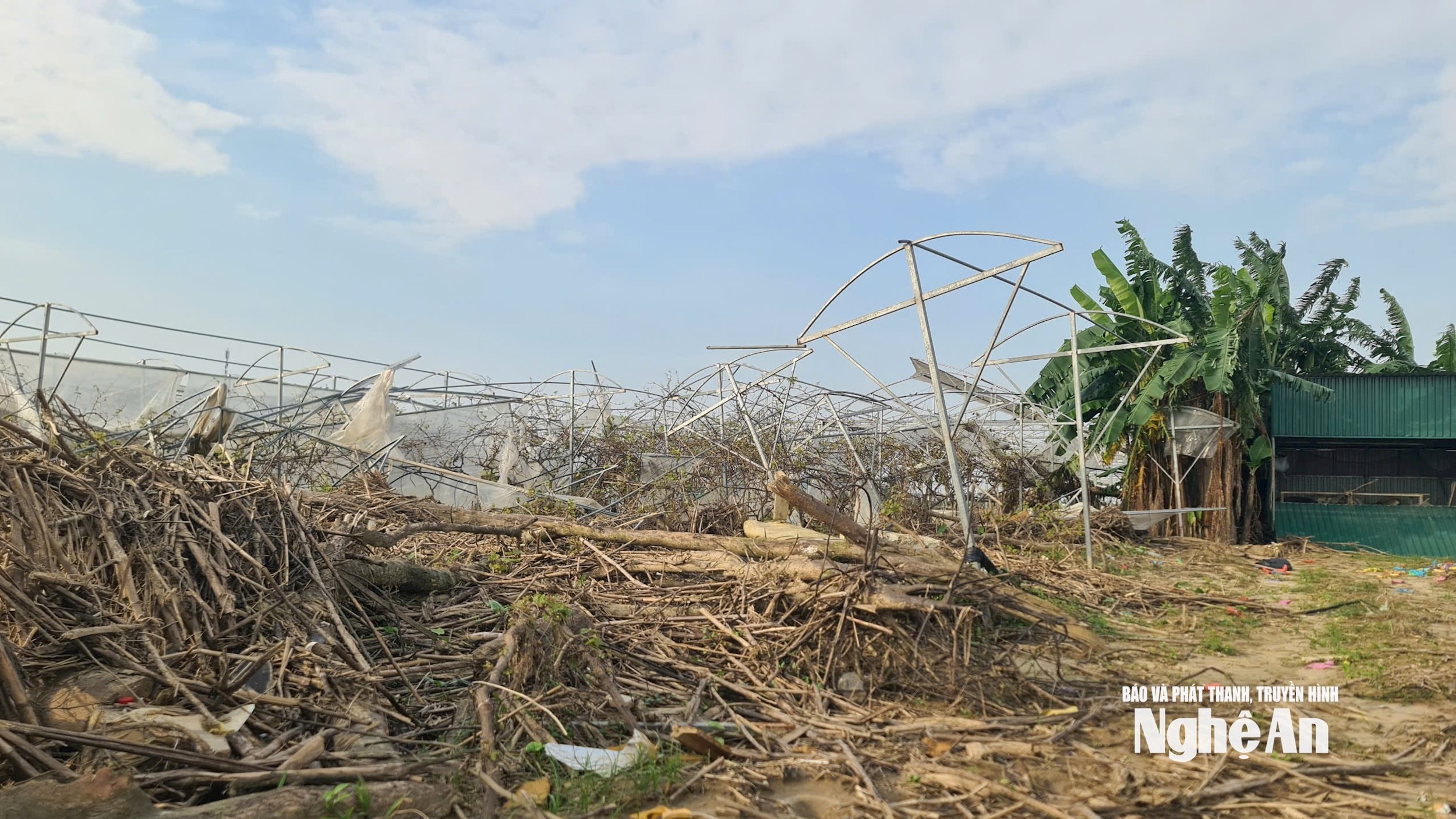
Typhoon No. 10 caused over 200 million VND in damage to the Phu Thinh Agricultural and Service Cooperative (Lam Thanh commune). This included damage to a 2,500m² greenhouse system.2The entire facility collapsed, with repair costs reaching nearly 140 million VND. Mr. Nguyen Van Son, Director of the Cooperative, stated that climate change is negatively impacting agricultural production, therefore, the development of agricultural insurance should be included in the action programs of localities and sectors. Many countries such as the UK, France, the US, and Australia have successfully implemented this model, and Vietnam can certainly learn from and apply it. "If agricultural insurance expands its scope, costs, and coverage levels to be suitable, the cooperative is ready to participate to confidently develop production," Mr. Son said.
"If agricultural insurance expands its scope, costs, and coverage levels to be suitable, cooperatives are ready to participate to confidently develop production."
Mr. NGUYEN VAN SON - Director of Phu Thinh Agricultural and Service Cooperative
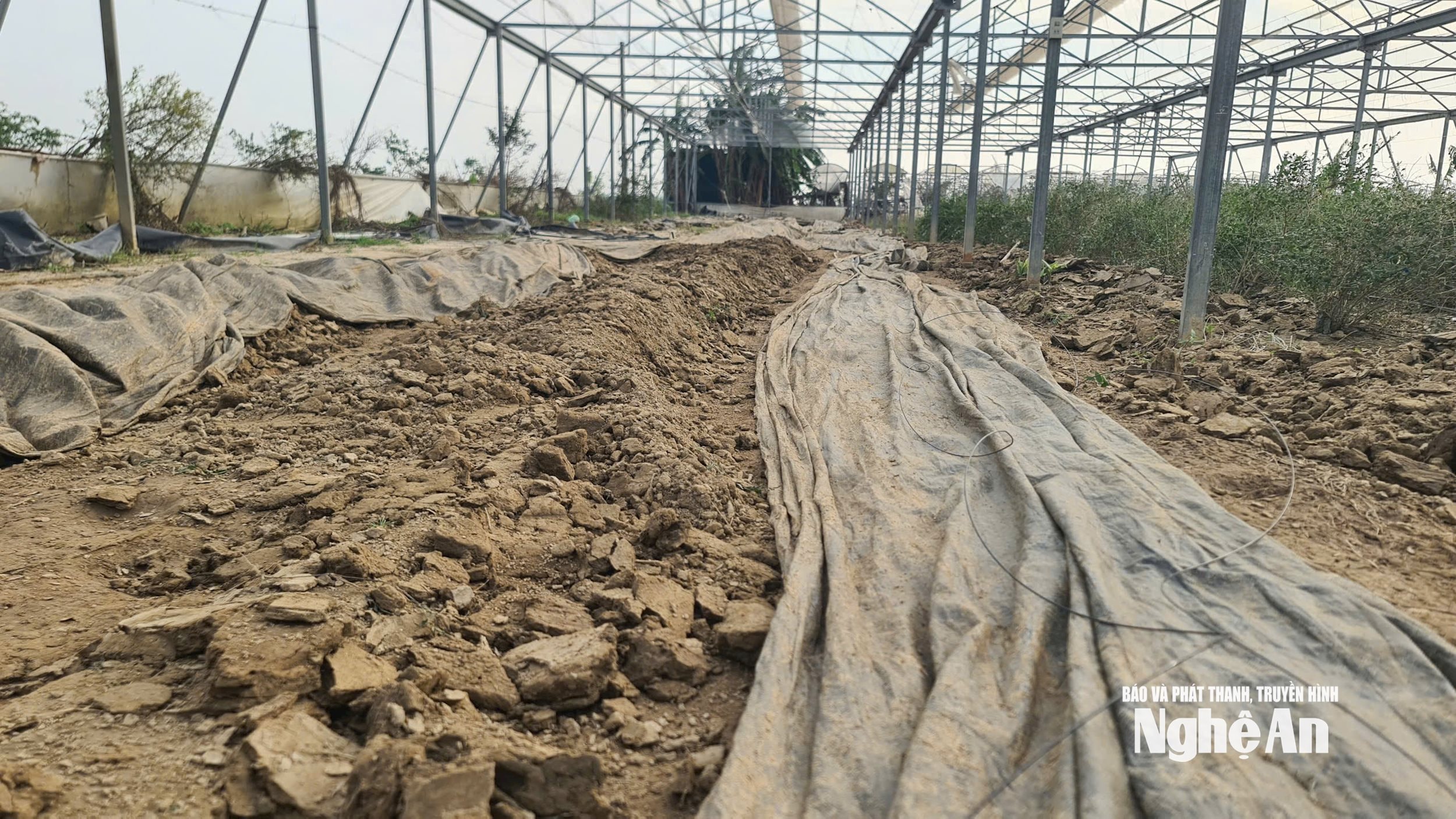

Nghe An remains a strong magnet for foreign direct investment (FDI), as investors continue to seek diversification in global supply chains. In 2025, FDI inflows are expected to continue to be one of the province's growth drivers. By October 30th, 2025, Nghe An had approved investment policies/issued investment registration certificates for 63 projects and adjusted 168 projects; the total newly approved and increased investment capital amounted to VND 37,039.0 billion. However, the agricultural sector in this central region of Vietnam continues to struggle to attract investors and insurance companies. The number of investors and the proportion of capital injected into the agricultural sector are extremely modest, lacking large enterprises, apart from TH Group, Vinamilk, Masan, etc. Therefore, without strong and synchronized solutions, attracting insurance companies to invest confidently in the area, expanding agricultural insurance coverage, protecting production, and protecting farmers—who are the most disadvantaged when natural disasters occur—will be a long and unresolved issue.
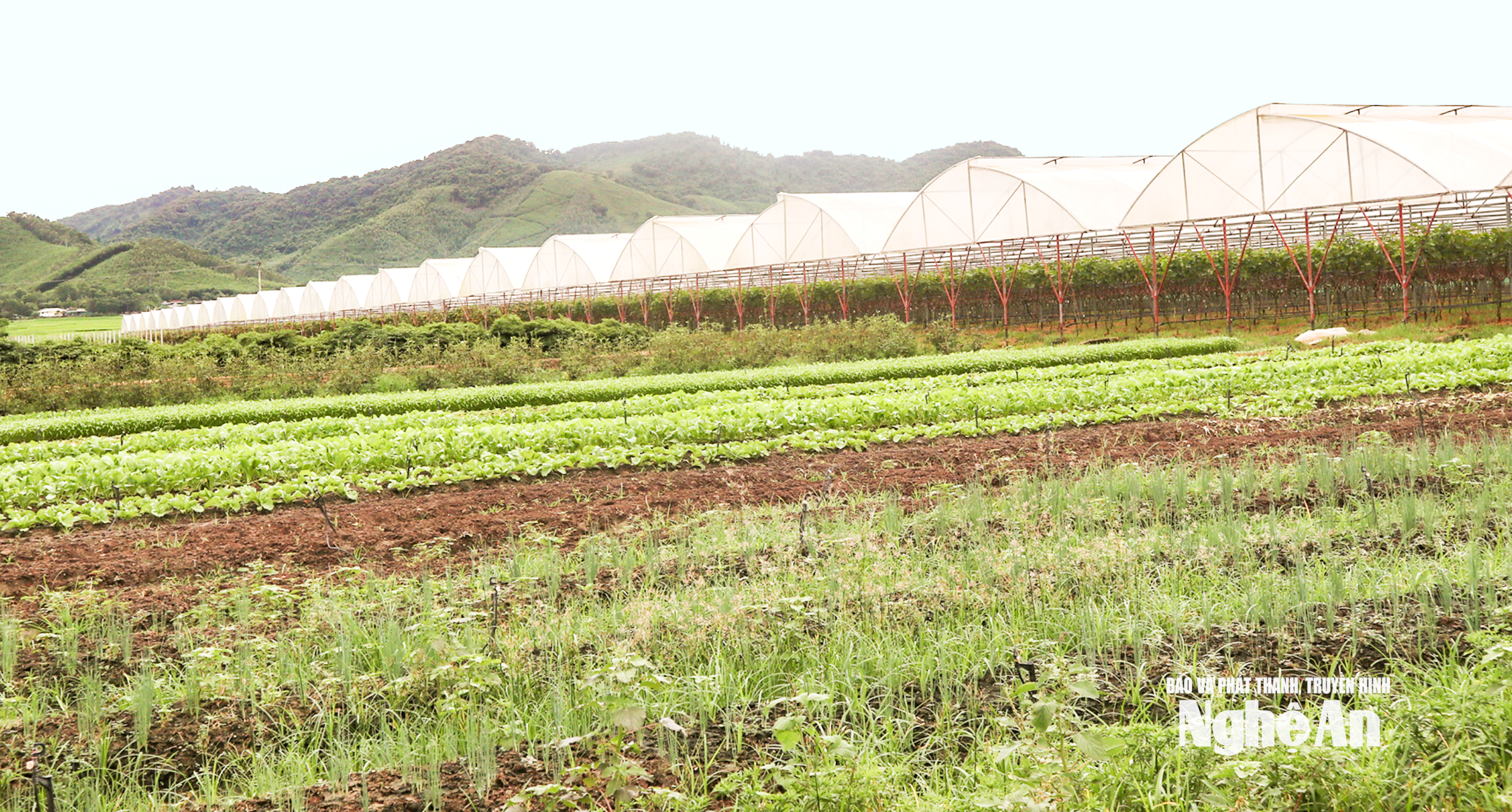
“Agricultural insurance is difficult to implement effectively without the role of farmers' groups and cooperatives,” shared Mr. Nguyen Quang Tung, former Chairman of the Provincial Farmers' Association. He added that implementing insurance for small-scale farmers is very difficult because assessing assets and yields is challenging; the same plot of land can have different yields, not to mention the difficulties in building technical dossiers for farmers, verifying losses from recording production diaries, and preserving documents and invoices for input materials. In this respect, implementing agricultural insurance through cooperatives, enterprises, and specialized production groups with highly specialized products will be easier to assess and access. And through that, local authorities can also effectively support the industries that are being encouraged.
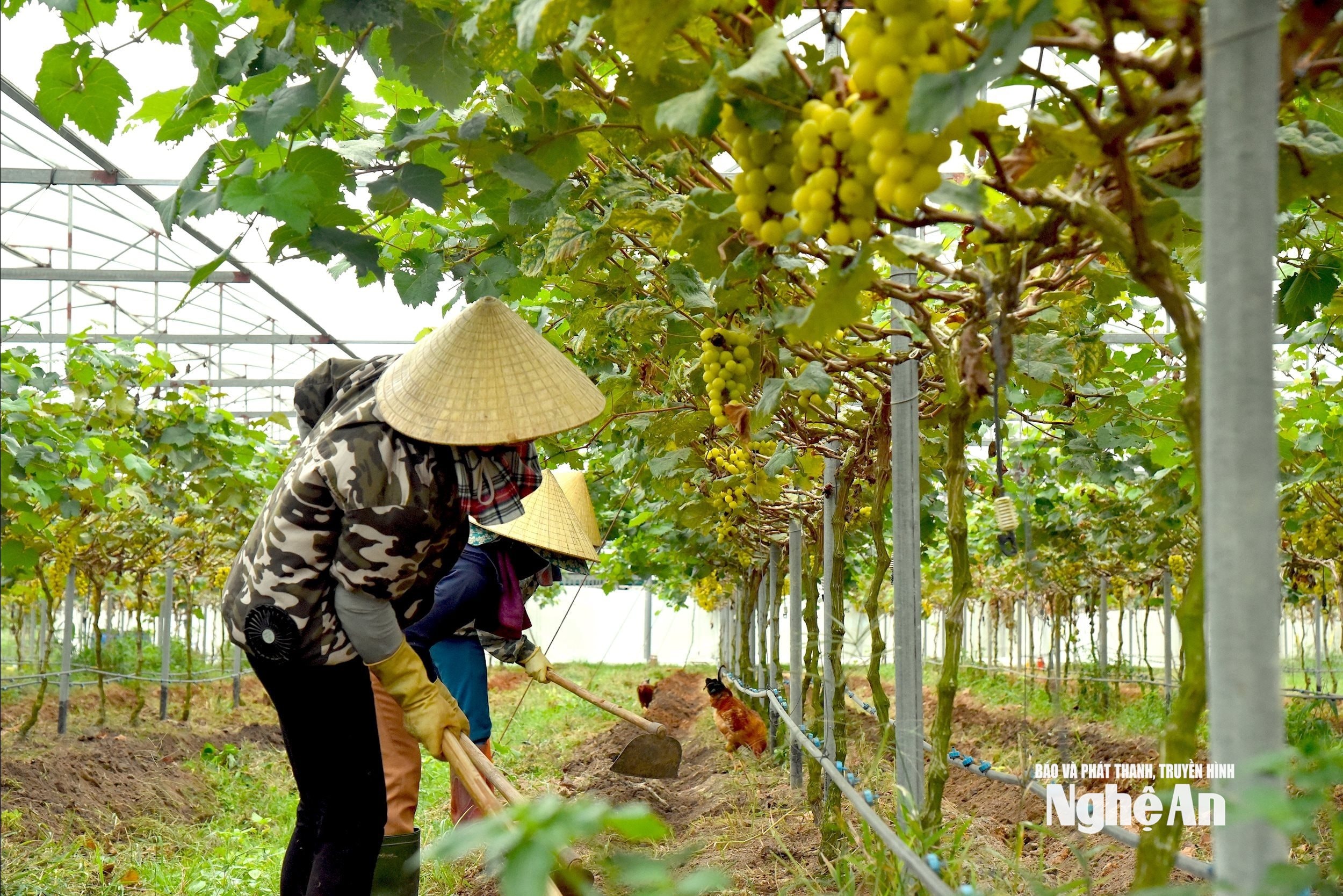
According to assessments, the infrastructure serving agricultural insurance is either non-existent or very limited, especially lacking a shared database on agricultural insurance such as production data, past risks at the commune and provincial levels, and weather index data. This leads to a lack of trust between insurance companies and farmers. Nghe An currently has nearly 900 cooperatives operating in diverse fields, accounting for 3.4% of the total number of cooperatives nationwide and ranking second in the North Central region. Many cooperatives have accessed digital technologies such as traceability, electronic logs, and accounting software, which can become effective partners for insurance companies. Implementing agricultural insurance through farmer groups and cooperatives will help reduce costs, increase farmer trust, and support objective and systematic monitoring and verification of losses.

Mr. Nguyen Thanh Binh, Deputy Director of Bao Viet Nghe An, expressed that insurance companies operate with a systematic and globally interconnected approach, therefore they always aim for advanced insurance models worldwide in risk assessment solutions, such as weather-based insurance instead of insurance based on actual damage. Applying this solution could address the issue of "individual crop failures" and the difficulties in on-site assessment that have been raised. However, to achieve this, in addition to the efforts of insurance companies, more effective support from the State, local authorities, and the people is needed for the policy to truly be effective.
Mr. Binh added that, in order for this advantageous policy to reach production and livestock farming households, especially in mountainous and remote areas, it is necessary to remove the "bottlenecks" in some regulations in Decree 58/2018/CP on the verification of poor and near-poor households to simplify administrative procedures and enhance the role of officials at the commune, village, and hamlet levels. At the same time, it is necessary to increase the effectiveness of coordination between the state and businesses in accompanying and supporting people in agricultural production, minimizing losses, especially in implementing the two-tiered local government model.
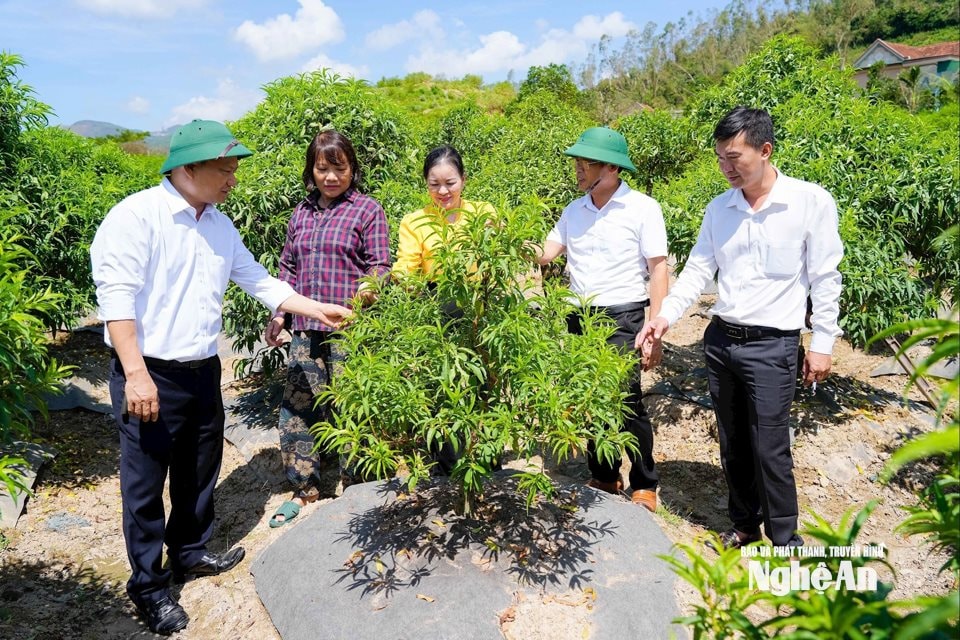
According to Ms. Vo Thi Nhung, Deputy Director of the Department of Agriculture and Environment, to develop agricultural insurance, a comprehensive solution is needed, along with research and development of suitable agricultural insurance models. This includes developing diverse insurance products that meet the needs of farmers and businesses, including insurance for crops, livestock, and aquaculture. The list of diseases and natural disasters covered by insurance should be expanded to make it more attractive and appealing to farmers. Simultaneously, expanding the number of insurance companies to implement insurance on a wider scale and increase competition among businesses will create favorable conditions for those participating in insurance.
Applying a public-private partnership model for agricultural insurance encourages competition among insurance companies while maintaining strict management to ensure insurance coverage. Improving the quality of assessment and claims services provided by insurance companies is crucial, as determining damages is currently very difficult and inadequate. Developing an online infrastructure and data system is essential to provide timely and reliable information, especially regarding insurance based on weather and disease indicators. This will allow farmers to access and check details of damages, insured amounts, and reasons for non-insurance (if any), thereby fostering greater consensus in program implementation.
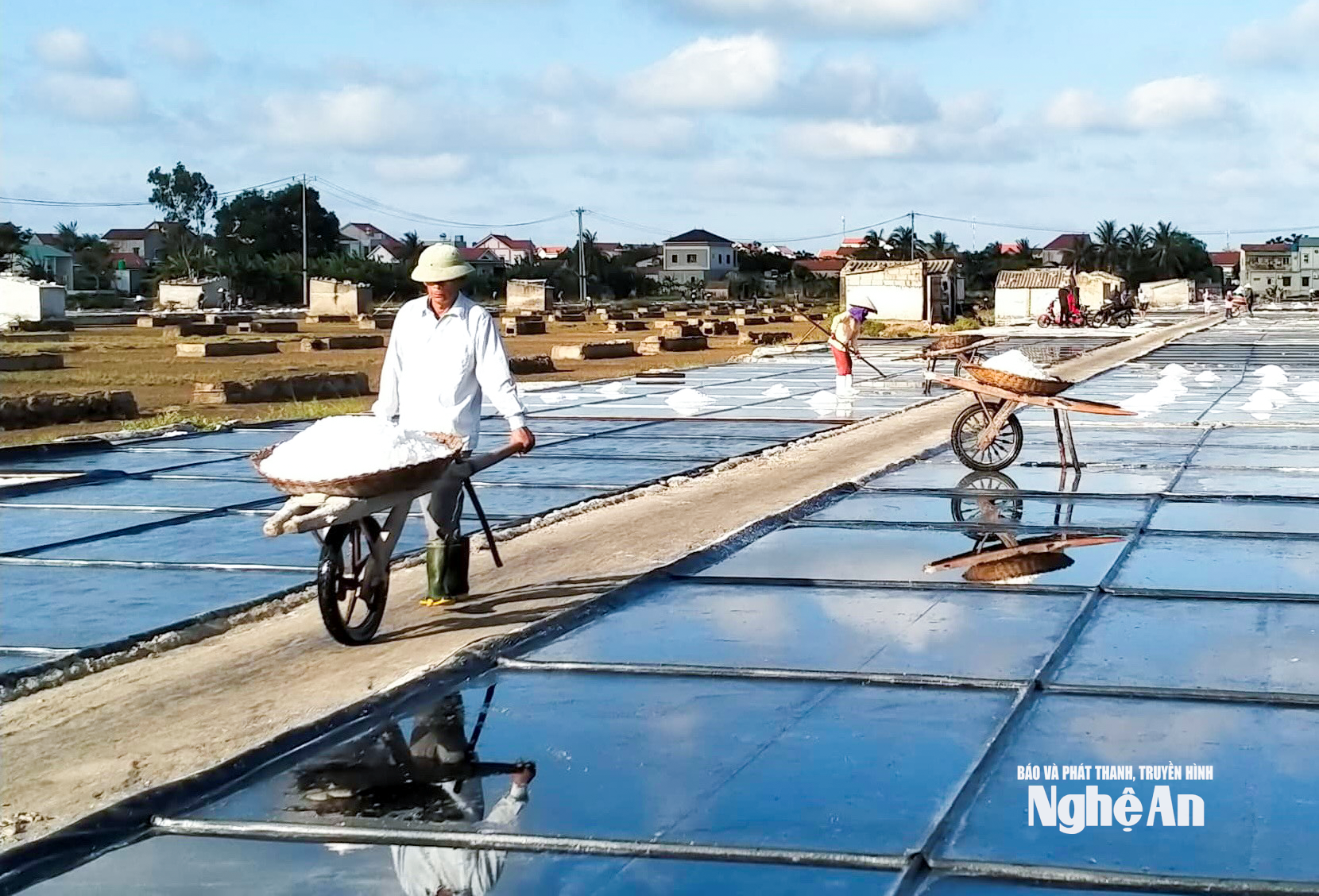
At the same time, it is necessary to strengthen propaganda to raise people's awareness of the benefits of agricultural insurance and how to participate. The State also needs a policy to expand the scope of those eligible for insurance premium subsidies to reduce the financial burden and increase insurance participation. Focusing only on supporting poor households, without paying attention to serving the development of large-scale commodity production, also creates difficulties and shortcomings. Not only individuals and poor households, but also businesses and cooperatives should be protected when natural disasters occur.
Finally, it is necessary to build and improve the legal system regarding agricultural insurance to create a legal basis for its implementation and development. Strengthening cooperation among stakeholders, including local authorities, organizations such as the Farmers' Association, cooperatives, insurance companies, farmers' organizations, and others, is crucial for the effective development of agricultural insurance.
In 2022, the Ministry of Agriculture and Environment advised the Prime Minister to issue Decision No. 150/QD-TTg approving the Strategy for Sustainable Agriculture and Rural Development for the period 2021-2030, which includes solutions to build and improve breakthrough mechanisms and policies for the widespread application and diversification of agricultural insurance products.
In response to the shortcomings of the State Insurance system, and in fulfillment of the task assigned by the Government in Resolution No. 26/NQ-CP dated February 27, 2023, the Ministry of Finance is studying amendments and additions to Decree No. 58/2018/ND-CP and will soon issue a document for public consultation. Based on this, the revised decree amending Decree No. 58/2018/ND-CP is expected to be submitted to the Government for promulgation in 2025.