
Boarding school students receive up to 10 million VND in food allowance each year.
According to government regulations, from July 1st, each boarding student will receive nearly 1.2 million VND for food, 15kg of rice per month, and additional personal items and school supplies.
The government has just issued Decree 188/2026 stipulating policies for students in boarding schools and boarding schools in land border communes.
Regarding meal allowances, the Decree stipulates that each student attending the boarding school at lunchtime will receive a monthly lunch allowance of 450,000 VND, for a maximum of 9 months per school year.
Each boarding student receives a monthly food allowance of 1.17 million VND, for a maximum of 9 months per academic year.
Regarding rice support, each boarding student receives 8kg of rice per month for a maximum of 9 months per school year.
Each boarding student receives a monthly allowance of 15 kg of rice, for a maximum of 9 months per school year.
Regarding support for personal and school supplies, each school year, boarding school students receive financial assistance to purchase two sets of uniforms and school supplies including notebooks, paper, pens, and other learning tools, with a budget of 2.05 million VND per student.
At each educational level, boarding students receive a one-time provision of items including blankets, mosquito nets, and other personal belongings, with a budget of 2.05 million VND per student.
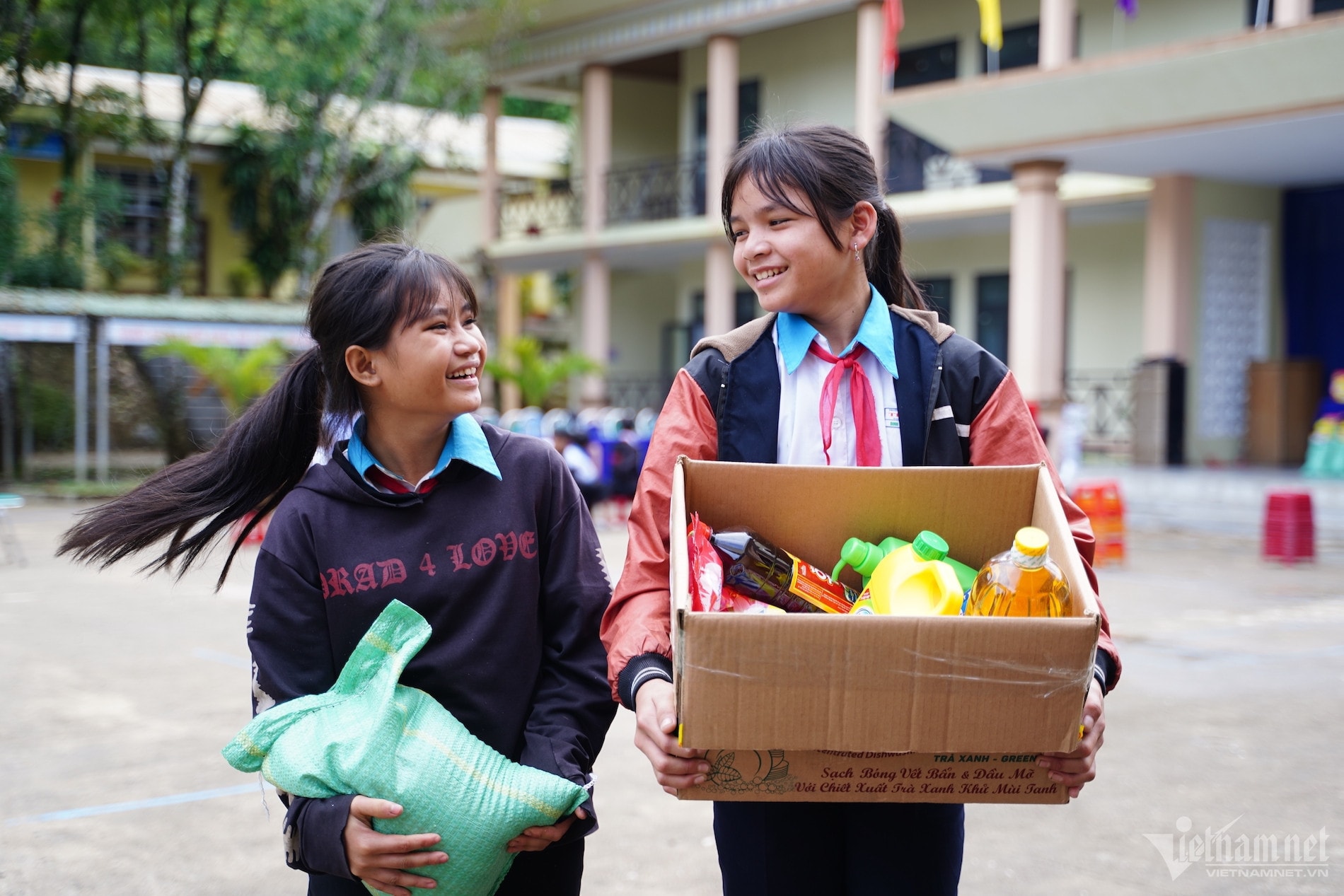
First-grade students from ethnic minority groups who studied Vietnamese before starting the first-grade program are entitled to an additional month of meal and rice support as mentioned above.
The decree states that boarding schools are given priority by the State in terms of infrastructure investment, procurement of modern and fully functional teaching equipment to serve learning, physical training, culture, arts, fostering ideals, ethics, patriotism, and living conditions, ensuring absolute safety and meeting infrastructure requirements.
Boarding schools are allocated funds to operate and maintain facilities, machinery, and equipment to ensure regular and long-term stable operation, at a rate of 100,000 VND per student per month, for a maximum of 9 months per school year.
In addition to the regular operating budget as stipulated, boarding schools also receive funding to carry out the tasks of a specialized school, such as funding for organizing annual health check-ups for students, establishing a shared medicine cabinet, and purchasing common medicines.
The government stipulates a support level of 540,000 VND per student per school year for organizing specialized educational, cultural, artistic, and sports activities, as well as for purchasing and supplementing equipment and supplies for student activities.
In addition, the school also receives funding for purchasing, supplementing, and repairing dining hall and kitchen equipment; funding for student ID cards and personal badges; enrollment at the beginning of the school year, graduation exams, and final exams; electricity and water for studying and living; funding for cooking and managing students outside of class hours…
Electricity and water costs for studying and living, cooking expenses, and expenses for managing students outside of class hours for boarding students are subsidized at 50% of the same support rate for boarding students.
According to the Decree, the approval of boarding students and students receiving lunch breaks is carried out during the enrollment period of boarding schools, and students are entitled to the policy until the end of their schooling. In cases where students voluntarily cease to receive the policy, their parents or guardians are responsible for notifying the school in writing.
The decree specifies in detail the process of organizing the distribution of rice to students, from developing a plan, reporting local needs, and the Ministry of Finance's decision on rice allocation, to the methods of transportation and delivery, delivery time, management of allocation and use of rice for students, the quality of rice allocated, and rice quality management...


