
The Munich Security Conference 2026 opens amidst "multiple crises".
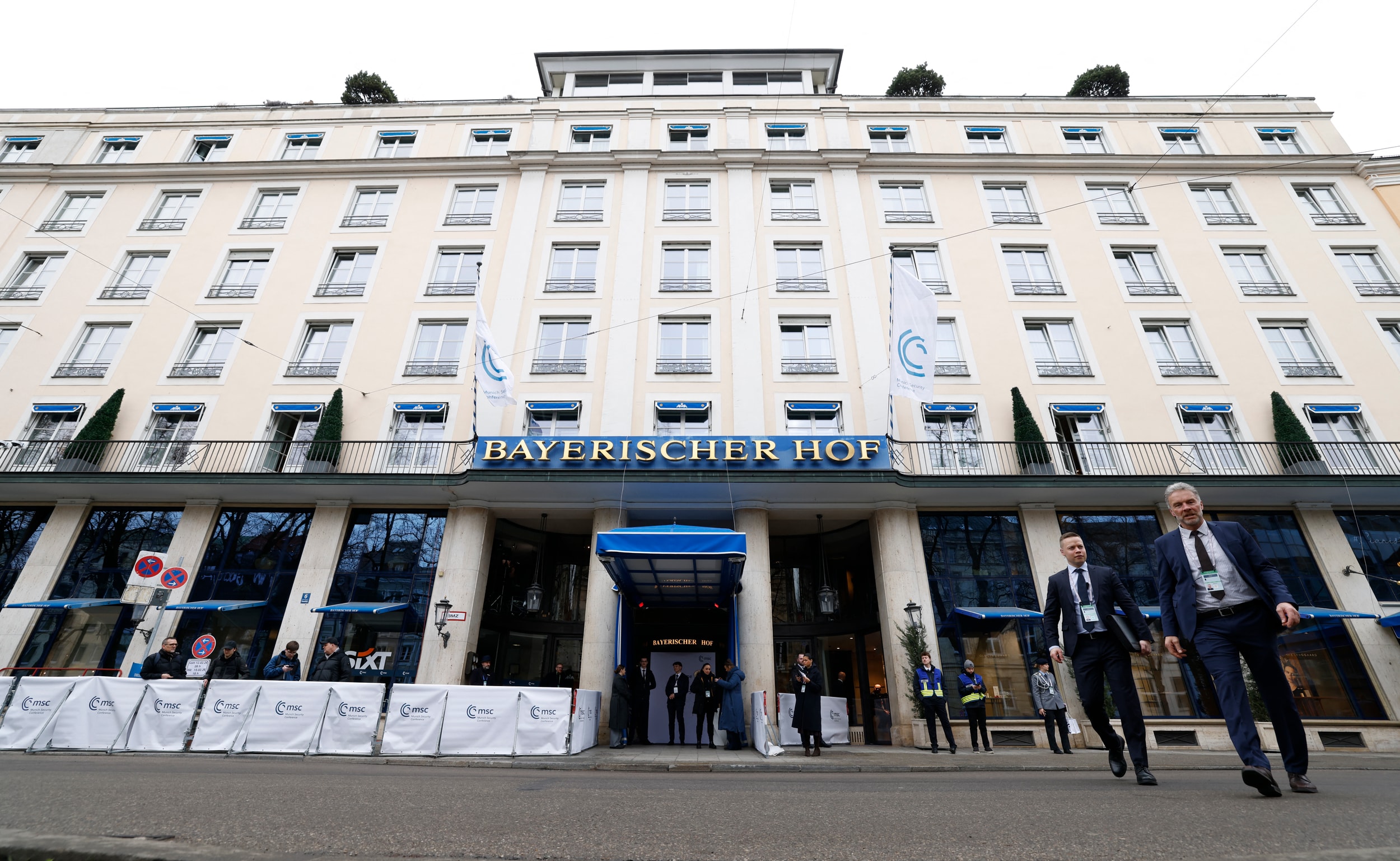
On February 13th, the Munich Security Conference (MSC) 2026 officially opened in Germany, bringing together a record number of heads of state amidst unprecedented global upheaval. The focus of this year's conference is not only on the conflict hotspots in Ukraine and Gaza, but also on efforts to mend the deep rifts in the US-European alliance.
"The Dumbbell Policy" and a Test for NATO
Exactly one year after US Vice President JD Vance's groundbreaking Munich 2025 speech – an event widely considered a turning point that triggered transatlantic confrontation – Washington's allies are striving for a more independent path.
Wolfgang Ischinger, president of the Munich Security Conference, described the current situation as a consequence of Washington's "dumbbell policy." According to him, instead of careful reforms, the US is carrying out "widespread destruction" of the international order that it itself helped to build.
Over the past year, the Trump administration has taken drastic measures: ousting the Venezuelan leader, threatening military intervention in Latin America, imposing tariffs on both friends and adversaries, and openly declaring its intention to annex Greenland.
The absence of Vice President JD Vance at this year's conference is seen as a sign of de-escalation. Instead, US Secretary of State Marco Rubio is leading the delegation and is expected to deliver a more conciliatory speech on February 14th.
Under pressure from Washington, German Chancellor Friedrich Merz – who will deliver the opening speech at the conference on the afternoon of February 13 – has emphasized the need for European autonomy.
For the first time in a long time, we see that Europe can be a force – based on values that we have not abandoned.
Chancellor Merz addressed the German Parliament late last month, alluding to Europe's opposition to US ambitions regarding Greenland.
He asserted that Europe is rediscovering "happiness that comes from self-respect," but also acknowledged that the continent needs to make greater efforts to ensure security and economic competitiveness.
Nevertheless, analysts believe that Europe's dependence on the American security umbrella will take many years to unravel, especially as the confrontation with Russia over Ukraine continues.
A convergence of records amidst "multiple crises"
This year's conference is taking place against the backdrop of simultaneous conflicts in Ukraine, Gaza, and Sudan. Ischinger acknowledged, "I can't recall a time when we've had so many wars, crises, and conflicts of this magnitude happening at the same time."
Around 70 heads of state and more than 140 ministers were present in Munich under tight security.
Notably, European Central Bank (ECB) President Christine Lagarde will be the first ECB leader to speak at this forum, emphasizing the close link between economic resilience and national security.
However, this year's conference did not include a Russian delegation. Furthermore, Iranian officials were also absent, following protests in their country last month.
On the US side, the congressional delegation attending this year is smaller than expected because many lawmakers have to remain in Washington for a crucial vote on the Department of Homeland Security's budget.
Claudia Major, Senior Vice President of the German Marshall Fund, noted that while the US tone might be softer in Munich, a fundamental shift in transatlantic relations remains. She pointed out that after Germany, US Secretary of State Marco Rubio will visit Hungary and Slovakia – countries with nationalist leaders and frequent disagreements with the EU on the Ukraine issue.
This year's Munich Conference is expected to be an opportunity for European allies to urge Washington to maintain its commitment to supporting Ukraine, particularly through security guarantees, in order to move toward a substantive ceasefire.
According to AFP, Secretary of State Marco Rubio led the US delegation to Munich instead of Vice President JD Vance (who delivered a controversial speech last year). While a softer diplomatic tone is expected, Rubio's core objective remains to pressure Europe to share the burden of defense and security.
The trip took place against a backdrop of strained transatlantic relations following the diplomatic incident involving Greenland and President Trump's stark warnings in his new National Security Strategy that Europe faced the risk of "civilization being wiped out" due to immigration.
Besides the Ukraine and Russia issues, the US is expected to criticize the EU's efforts to regulate large technology companies and combat disinformation.
After Germany, Rubio will visit Slovakia and Hungary – two countries led by nationalist politicians and enjoying strong support from the Trump administration.


