
Over 2,700 hectares of rice in Nghe An province have a high percentage of empty, green grains that fail to set.
After many consecutive years of bumper harvests, this spring's rice crop in Nghe An province has suffered yield losses in many areas, with an estimated 2,736 hectares of rice fields experiencing a high percentage of empty, green grains that failed to set. Notably, this situation is concentrated in areas considered key rice-producing regions of the province.
Unusual weather, prolonged cold spell.
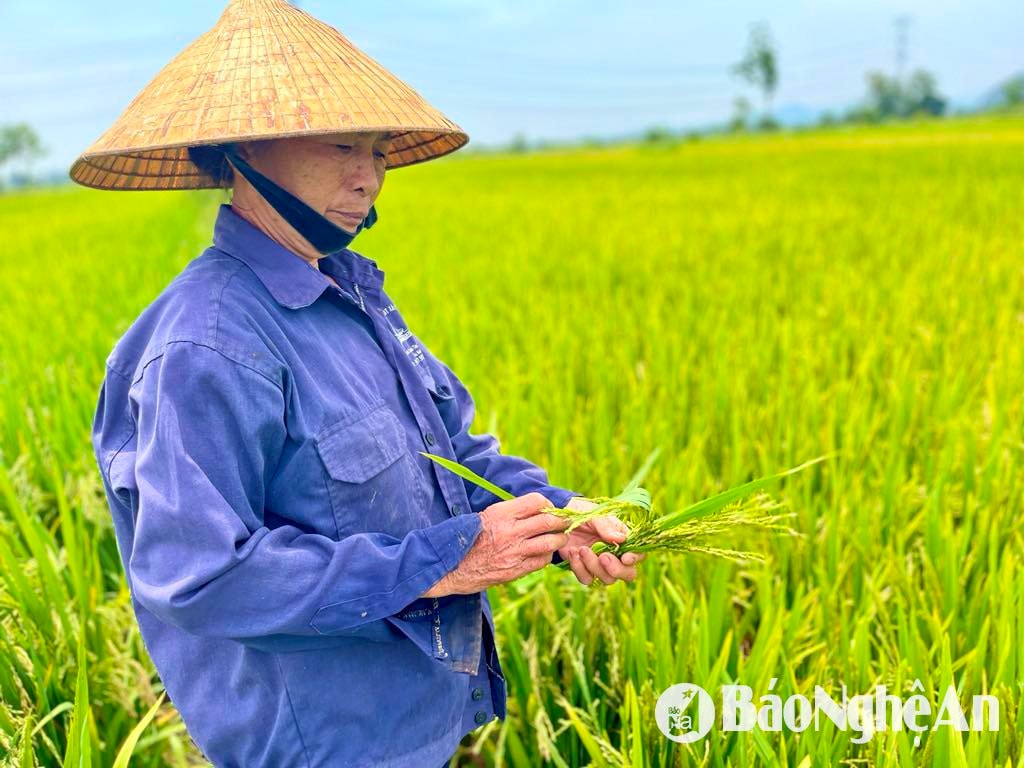
This spring, in many localities in Nghe An province, thousands of hectares of rice have suffered severe crop failure. Observations in key rice-producing districts such as Dien Chau, Yen Thanh, and Quynh Luu show that many fields, although the rice plants are still flowering, have stunted growth, empty grains, or even completely white, empty grains; many fields have been harvested by farmers to use as animal feed or for ratooning. Approximately 2,736 hectares of rice have a high percentage of empty grains.
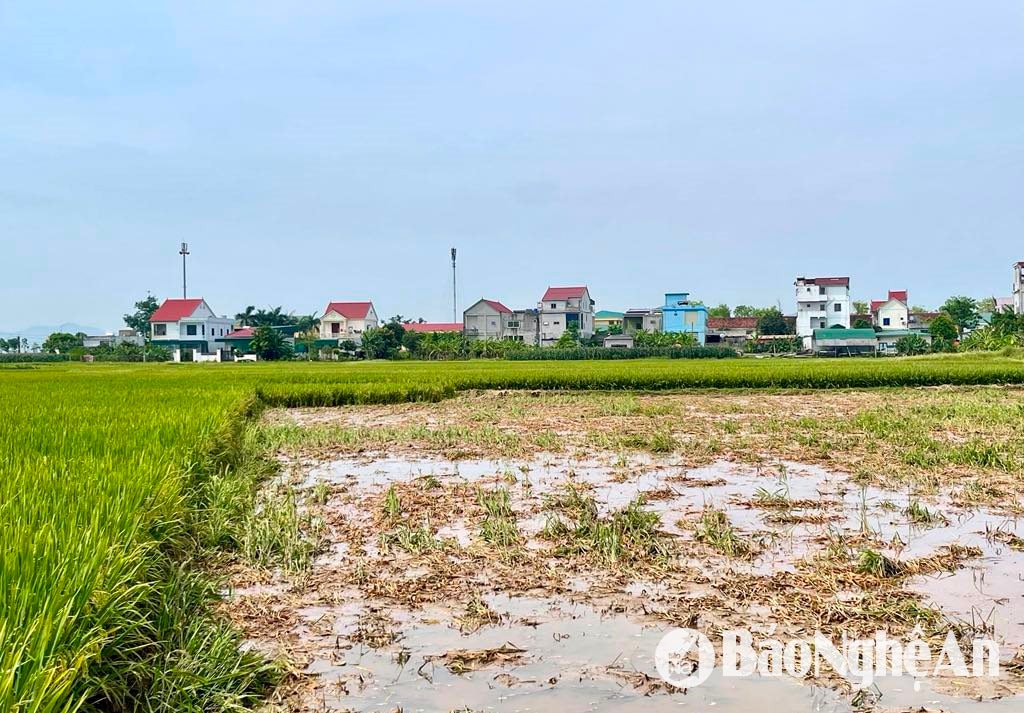
This year, unfavorable weather conditions persisted precisely during the flowering and panicle differentiation stages – crucial periods for rice yield. Not only were average temperatures lower, but the frequency of cold spells was also significantly higher than in previous years, with fewer sunny days and a low cumulative temperature.
Rice crops that bloomed before April 15th, especially those that bloomed before April 10th, experienced periods when average temperatures were 7-10 degrees Celsius lower than the optimal temperature, and average daily sunshine hours were 4.6-5.6 hours lower than required for rice plants. Notably, there were periods of five consecutive days from April 4th to 8th with no sunshine at all.
Mr. Nguyen Tien Duc - Head of the Crop Production and Plant Protection Sub-Department of Nghe An Province
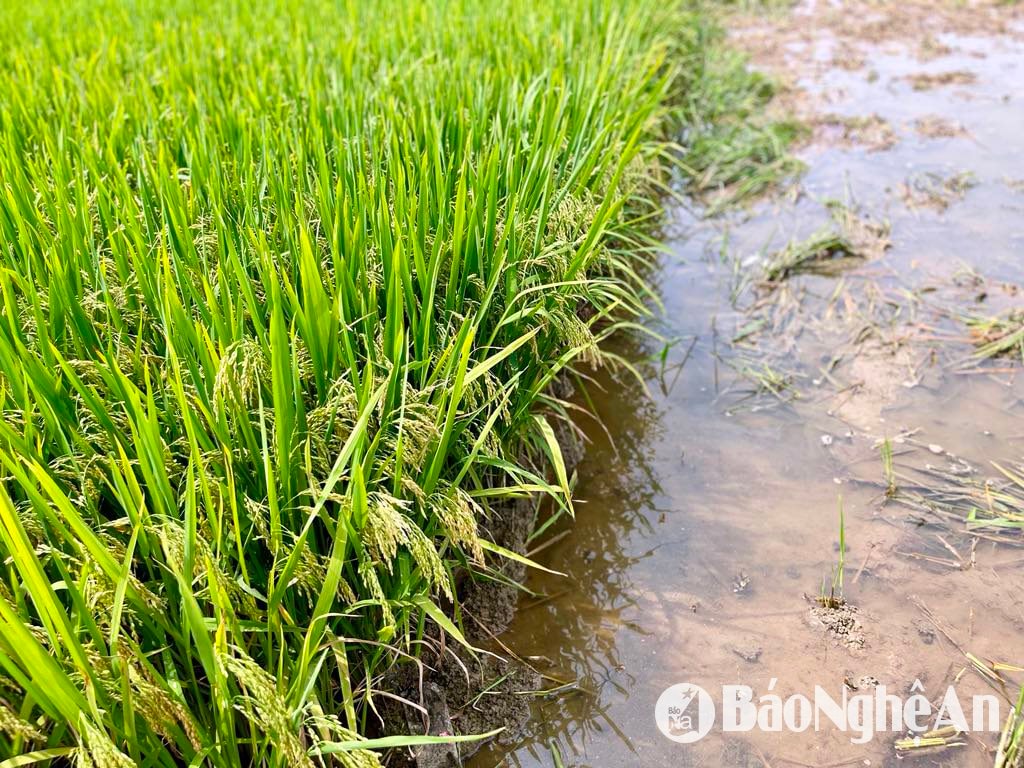
In some localities, such as Do Luong, despite adhering to the seasonal schedule and having the planting and transplanting areas basically within the agricultural calendar, according to Mr. Thanh Dang Long - Head of the Department of Agriculture and Environment, the yield of this year's spring rice crop has still decreased sharply, estimated at only 58 quintals/hectare on average, a decrease of about 8.4 quintals/hectare compared to last year's spring crop.
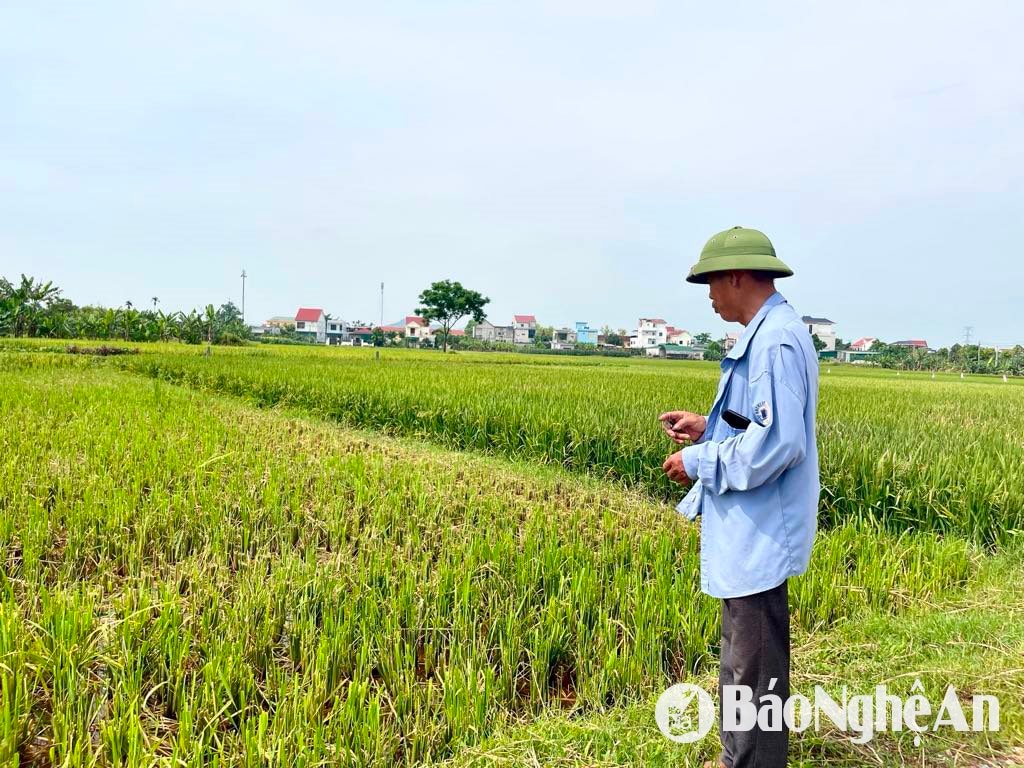
“Over 90% of our rice crop bloomed between April 20th and 30th, with a high percentage of filled grains per ear and few empty grains. However, the period from tillering to heading was affected by cold weather, with large diurnal temperature fluctuations, making it difficult for the rice plants to adapt. This led to prolonged and unfocused effective tillering, resulting in a low and uneven number of rice panicles.”
"Specifically for areas where AYT 77 rice seedlings were sown earlier for transplanting, prolonged low temperatures during panicle differentiation hindered panicle formation and development. During flowering, additional cold air masses disrupted pollination and grain setting, leading to a high percentage of empty grains, panicle head degeneration, and reduced yield," Mr. Thanh Dang Long shared.
"Going ahead of schedule" despite warnings.
Dien Chau district suffered the most severe damage, with 1,930 hectares of rice failing to fully flower, experiencing panicle degeneration, high rates of empty grains, and no grain formation, of which 610 hectares were severely affected (over 70%).
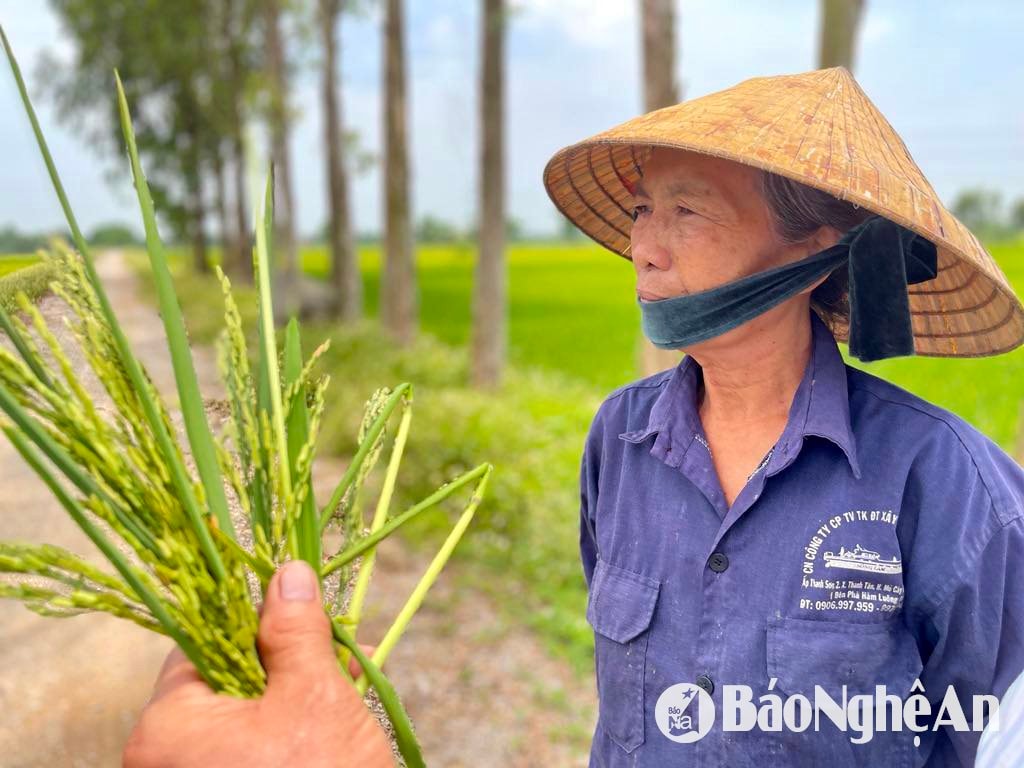
“Despite the harsh and unusual weather conditions, we cannot deny the subjective factors at play. Some areas were planted 7-10 days ahead of the district's scheduled planting time, and some areas did not receive adequate care suitable for the cold and humid conditions, especially during the panicle differentiation and flowering stages, which easily increased the incidence of empty grains,” said Mr. Le The Hieu, Head of the District's Agriculture and Environment Department.
Based on calculations of all relevant factors, the agricultural sector has established a specific production schedule for each crop and region. Accordingly, rice seedlings are sown from January 2nd to 15th, except for varieties with a growth period of less than 125 days, which are sown from January 10th. Direct-seeded rice is sown from January 7th to 9th, 5-7 days later than the seedling sowing schedule.
This agricultural calendar aims to help rice plants avoid adverse weather conditions during their growth and development stages, thereby maximizing yield. However, out of more than 91,000 hectares of spring rice, over 40,000 hectares were sown and transplanted before the scheduled time, despite recommendations from agricultural experts. In many areas, sowing and transplanting occurred 10-15 days earlier, and in some regions, even 25-30 days ahead of schedule.
Specifically: The total area of rice seedlings sown before the scheduled planting season reached 1,083 hectares, equivalent to a transplanted area of approximately 39,410 hectares (27,680 hectares of hybrid rice; 11,730 hectares of purebred rice), mainly in the districts of Yen Thanh, Tan Ky, Dien Chau, Nghia Dan, Quynh Luu, Con Cuong...
Throughout the province, over 866 hectares of rice were sown directly ahead of schedule in Tan Ky, Anh Son, Nghia Dan, Hung Nguyen, and Yen Thanh districts, including 175 hectares sown before December 20, 2024. In some areas such as Huong Son and Dong Van communes (Tan Ky); Binh Son and Tho Son communes (Anh Son); and Chau Nhan commune (Hung Nguyen), farmers even sowed and planted 22-30 days ahead of schedule.
The total area of rice that bloomed before April 15th reached 13,937 hectares, concentrated in Dien Chau (3,000 ha), Yen Thanh (6,500 ha), Tan Ky (2,000 ha)... In particular, over 1,000 hectares bloomed before April 10th, with prolonged blooming periods, slow panicle emergence, and some plants experiencing stunted growth.
According to Mr. Nguyen Tien Duc: In general, rice fields that flowered before April 20th had a higher degree of panicle degeneration. The phenomenon of a high percentage of empty, green grains and non-forming grains also appeared frequently in rice that flowered before April 15th, especially in areas that flowered early before April 10th, with over 2,736 hectares of rice having a high percentage of empty grains; while rice that flowered after April 20th basically flowered quickly, had a low percentage of empty grains, and was less affected in terms of yield.
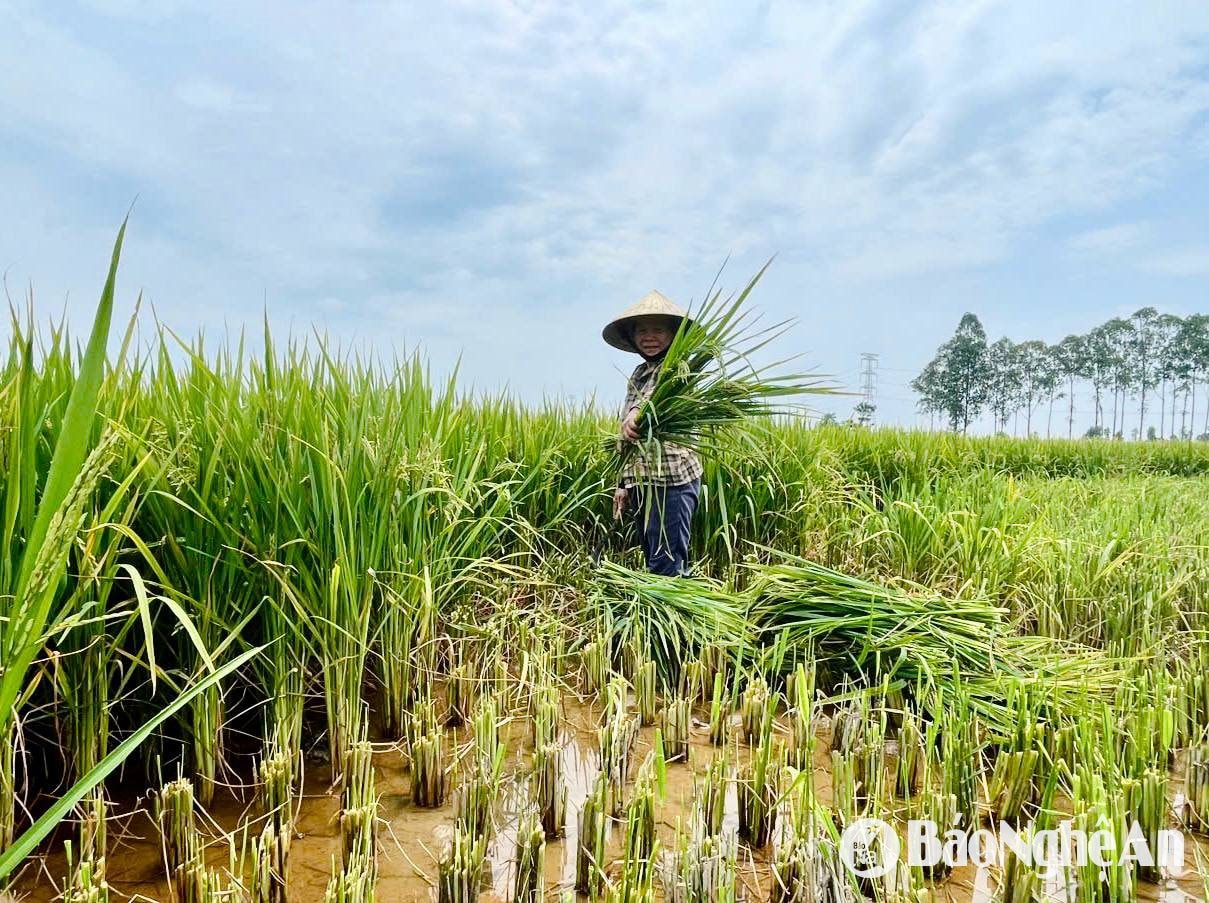
According to the plan for organizing rice production in the spring of 2025, Nghe An province has recommended 74 rice varieties for production, including 27 hybrid varieties and 47 purebred varieties. However, in reality, farmers are cultivating as many as 102 rice varieties in the fields.
According to aggregated results from various localities, 34 rice varieties (18 hybrid varieties, 16 purebred varieties) were affected, leading to significant panicle degeneration, high percentage of empty grains, or failure to set grains; among them were 10 rice varieties outside the agricultural sector's crop structure, including LC 25, Syn 12, Syn 18, C. ưu đa hệ số 1, Khang dân 18, Nếp A Sào, Q5, Ngọc Nương 9, KOJI, and DT 82.


