
Over 9,000 cases reported, 4 children die from hand, foot and mouth disease.
All the hand, foot, and mouth disease deaths in the South tested positive for EV71. The children were transferred to Ho Chi Minh City for treatment at the most severe level and did not survive.
According to a report from the Pasteur Institute of Ho Chi Minh City, the entire southern region has recorded 9,028 cases to date.hand, foot and mouth diseaseOf these, 4 deaths were due to stage 4 hand, foot, and mouth disease and testing positive for EV71.
In Ho Chi Minh City, the number of cases has increased rapidly over the past four weeks, accumulating to 2,407 cases to date, with no child deaths reported.
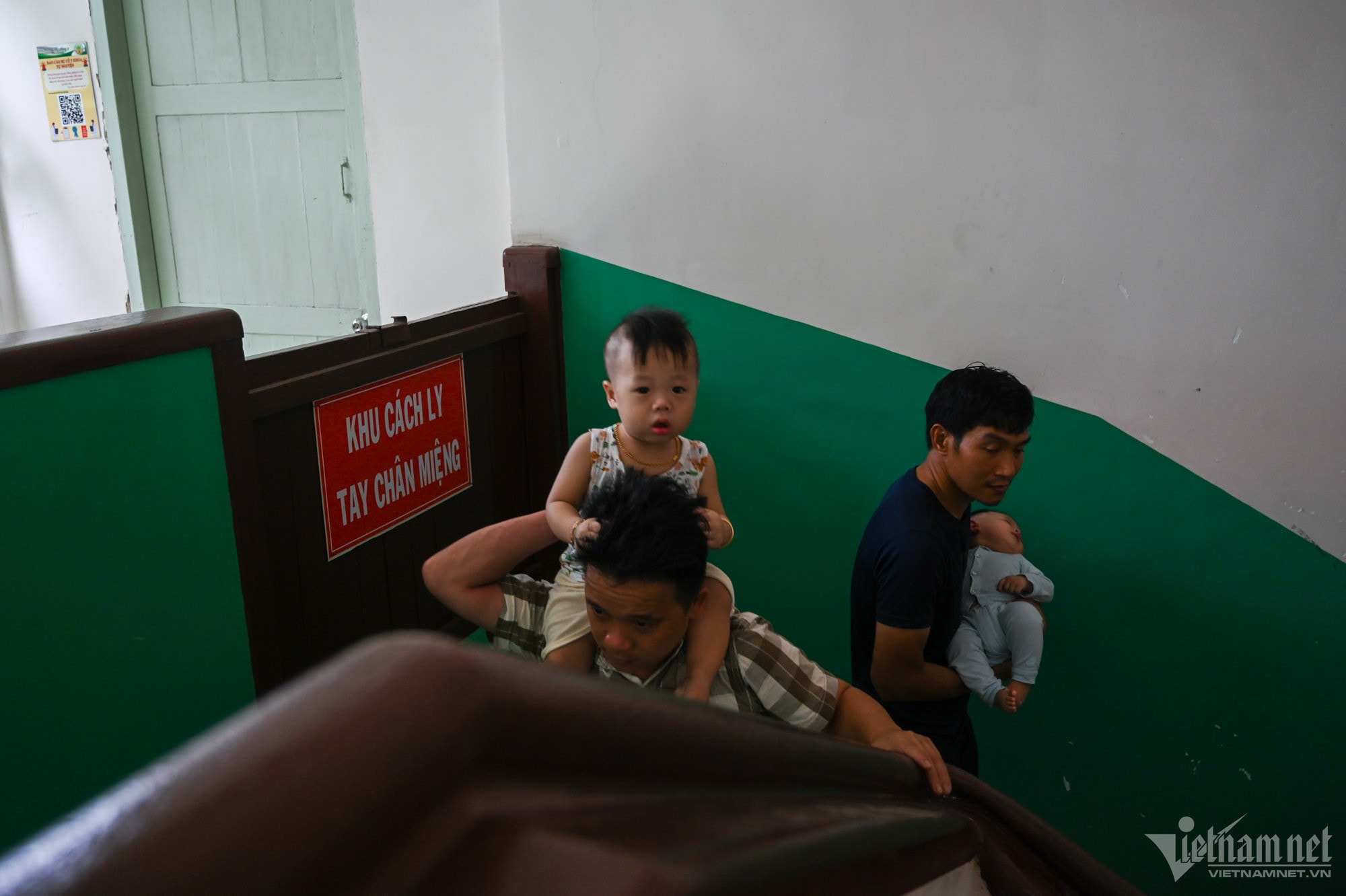 |
The hand, foot, and mouth disease treatment area at Children's Hospital 2 in Ho Chi Minh City. Photo: Nguyen Hue |
Regarding patient admissions, hospitals in Ho Chi Minh City have admitted 936 inpatients with hand, foot, and mouth disease, including 46 severe cases. Four deaths were reported among children with severe cases transferred from other provinces. Currently, 147 children are hospitalized, with 14 critically ill requiring mechanical ventilation and one requiring dialysis.
In order to proactively prepare resources for the treatment system to respond to a situation of a surge in cases, the Ho Chi Minh City Department of Health has developed a response plan with three scenarios:
Scenario 1: When there are fewer than 50 new hospitalizations per day, fewer than 200 inpatients, and fewer than 20 severe cases at hospitals. Accordingly, the total number of hospital beds needed for hand, foot, and mouth disease treatment is over 200, including 30 intensive care beds. Priority should be given to treating children with the disease at the three specialized pediatric hospitals in Ho Chi Minh City.
Second scenario: When the number of new daily hospitalizations increases from 50-100 cases, with 200-700 inpatients and 20-70 cases becoming severe at hospitals.
Currently, the total number of treatment beds is 700, including 80 intensive care beds. Pediatric patients are treated at 3 specialized pediatric and tropical disease hospitals.
Scenario three: When there are 100-200 new hand, foot, and mouth disease cases admitted to the hospital each day, with 700-1,400 inpatients receiving treatment, including approximately 70-140 severe cases.
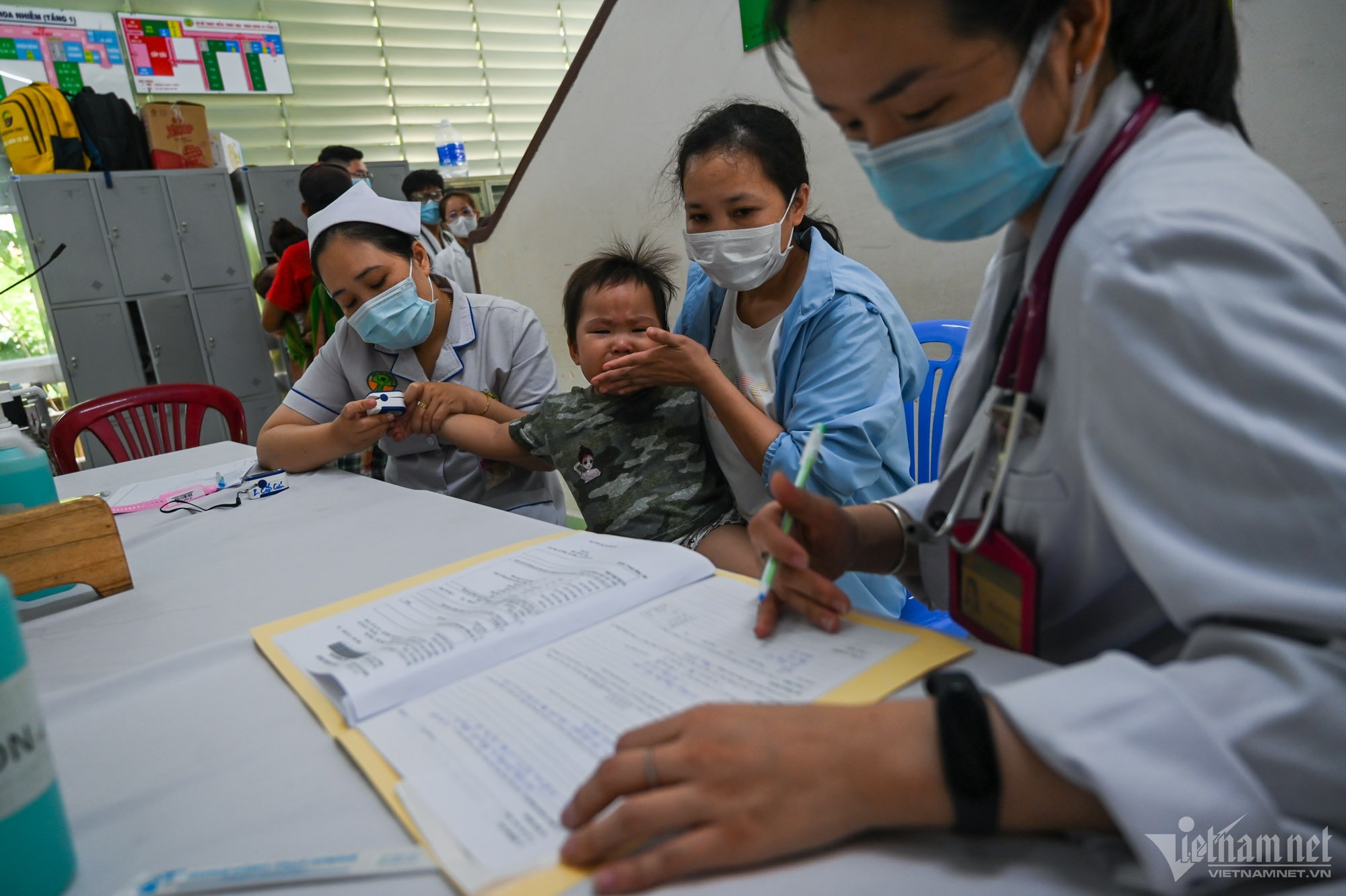 |
Currently, nearly 150 children in Ho Chi Minh City are hospitalized with hand, foot, and mouth disease. Photo: Nguyen Hue |
Currently, the total number of treatment beds needed is 1,400, with approximately 150 intensive care beds. Severely ill children are treated at three specialized pediatric and tropical disease hospitals. The healthcare system is classifying children for outpatient and inpatient treatment, and establishing a tiered treatment system to avoid localized overcrowding and minimize mortality.
The Ho Chi Minh City Department of Health has advised all units to urgently stockpile medicines, intravenous fluids, and medical equipment and supplies for three scenarios. Simultaneously, the agency has sent a letter requesting the Drug Administration of Vietnam to assist in finding additional suppliers of specialized medicines, and has requested the National Institute for Vaccine and Biological Products Testing to expedite the testing of medical biological products related to the treatment of hand, foot, and mouth disease, in order to promptly allow the circulation of imported medicines.
In addition, three specialized pediatric and tropical disease hospitals (in Ho Chi Minh City) will provide professional support for the treatment of hand, foot, and mouth disease to lower-level facilities and provinces in the region, preventing unsafe patient transfers from provinces to the city.
The Hand, Foot, and Mouth Disease expert team is on standby via hotline, ready to provide professional support. If necessary, tertiary hospitals will proactively send experts to provide direct support to local facilities.


