
Honda Super-ONE 2026: A compact, lightweight EV with 7-speed simulated transmission.
At the Honda Automotive Technology Workshop in Japan, Honda unveiled the 2026 commercialized Super-ONE (e: Dash BOOSTER) and a new hybrid platform that is 90 kg lighter; aiming for 2.2 million hybrid vehicles per year by 2030.
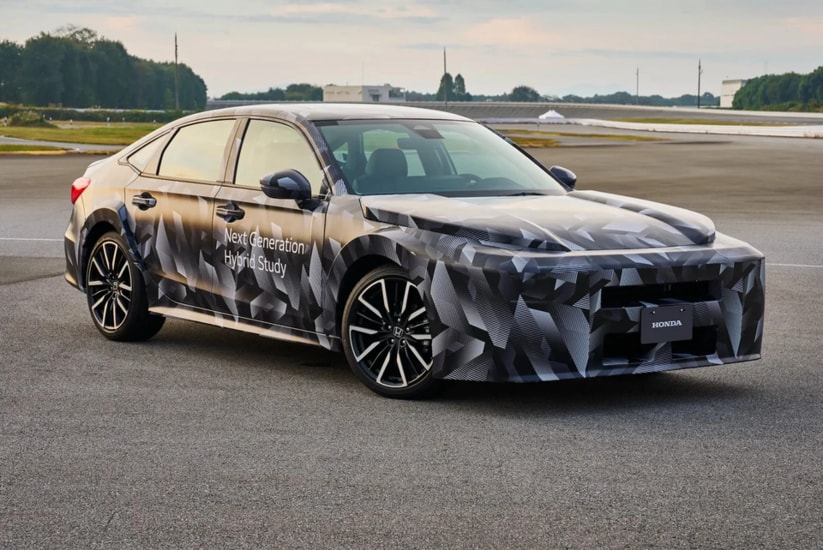
Honda introduced an updated electrification roadmap at its “Honda Automotive Technology Workshop” in Japan, and simultaneously unveiled the production version of the compact EV Super-ONE (expected to be named “e:Dash BOOSTER”), set to launch in Japan in 2026 before being available in the UK and select Asian markets. At the same time, the company revealed its next-generation hybrid platform: a lighter mid-size chassis (up to 90 kg lighter), a modular design sharing up to 60% of components, and the addition of tilt control technology to the Agile Handling Assist system. The long-term goal is to sell 2.2 million hybrid vehicles annually by 2030.
Hybrids serve as a bridge in a stagnant EV landscape.
While many automakers are adjusting their EV plans due to low sales and high costs, Honda says it is reassessing its electrification roadmap but continues to view hybrids as a crucial stepping stone before moving toward purely electric vehicles. Its target of 2.2 million hybrid vehicles per year by 2030 highlights the central role of gasoline-electric hybrid technology in its transitional product portfolio.
Mid-size hybrid platform: 90 kg lighter, more stable when cornering.
Honda's new generation of mid-size hybrid platforms features a redesigned body structure that is stiffer but reduces weight by up to 90 kg compared to the current model. The modular architecture allows for up to 60% component sharing, optimizing costs and increasing production efficiency. A notable feature is the body's ability to "flexibly bend" when cornering to distribute weight to each wheel, improving traction and emphasizing a sporty driving feel.
The company will add new lean control technology to its Agile Handling Assist system, aiming for smoother cornering trajectories in a variety of road conditions. This mid-size platform is expected to appear on Honda models from 2027 and will also be applied to next-generation electric vehicles.
Large hybrid platform for North America: faster acceleration, better fuel economy.
Simultaneously, Honda announced a large-scale hybrid platform for SUVs and full-size vehicles in North America. The goal is to increase acceleration by more than 10% at full throttle compared to traditional gasoline engines, while reducing battery and powertrain costs. Honda is developing a new V6 engine specifically for large-scale hybrid configurations, meeting stringent emissions standards and improving fuel efficiency by approximately 30% compared to comparable gasoline vehicles.
Super-ONE commercialized: compact, “boost mode” and 7 levels of simulation.
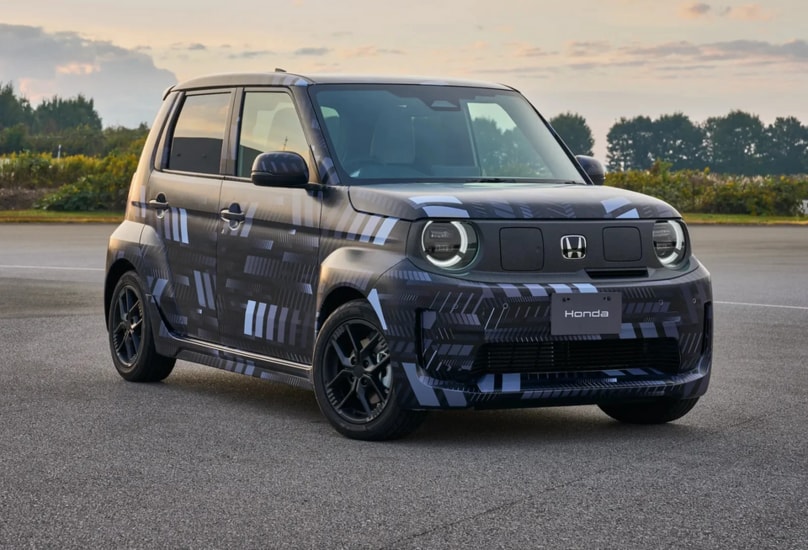
The commercial version of the Super-ONE, tentatively named “e:Dash BOOSTER,” is developed from a lightweight platform used in the N Series. It features a wide body, low ground clearance, and heavy components like the battery placed in the center of the floor to lower the center of gravity and increase stability when cornering. According to Honda, the body is among the lightest in the A-segment EV category, making the vehicle responsive and agile to driver input.
The model adds a “boost mode” to increase power when needed. Notably, the powertrain features a 7-speed simulated gearbox, recreating the familiar shifting feel of a petrol car, accompanied by simulated engine sounds to enhance the excitement – a similar approach to that seen on the Hyundai Ioniq 5 N. The Super-ONE will go on sale in Japan in 2026, followed by the UK and other Asian markets.
Expected experience: a "realistic" driving feel for urban EVs.
With its floor-mounted battery, lightweight body, and low ride height, the Super-ONE prioritizes responsive driving, with a low center of gravity resulting in less lateral roll when changing lanes or cornering. The simulated 7-speed transmission and engine sounds add emotional flavor to the driving experience, especially useful for users transitioning from gasoline to EVs but still wanting the feel of geared acceleration. “Boost mode” assists with quick overtaking or short-term acceleration – a feature well-suited to urban environments requiring instantaneous response.
Product timeline and direction
– Super-ONE/e: Dash BOOSTER: launching in Japan in 2026, followed by the UK and select Asian markets.
– A new mid-size hybrid platform: to be implemented from 2027; and also the basis for the next generation of EVs.
– Large hybrid platform: targeting SUVs and full-size vehicles in North America, focusing on acceleration performance and fuel efficiency.
Summary of key information
| Category | Key points |
|---|---|
| Electrochemical strategy | The goal is to sell 2.2 million hybrid vehicles annually by 2030. |
| Mid-size hybrid platform | Up to 90 kg weight reduction; stiffer body; up to 60% shared components; addition of tilt control to Agile Handling Assist; implementation from 2027; for next-generation EVs. |
| Large hybrid platform (North America) | Over 10% increase in acceleration at full throttle compared to gasoline vehicles; reduced battery and powertrain costs; V6 engine for hybrid configurations; 30% better fuel economy than comparable gasoline vehicles. |
| Super-ONE/e: Dash BOOSTER | Lightweight N Series platform; wide body, low ride height; battery located in the middle of the floor; body is among the lightest in the A-segment EV category; features a "boost mode"; 7-speed simulated transmission with audio. |
| Market roadmap | Super-ONE will launch in Japan in 2026, followed by the UK and Asia; the new hybrid platforms will be deployed sequentially from 2027. |
Conclude
Honda's message is clear: hybrids remain a cornerstone of the transition period, with new platforms focusing on optimizing weight, cost, and body dynamics. In the EV segment, the Super-ONE aims for an emotionally engaging driving experience in a compact urban body, thanks to its "boost mode" and 7-speed simulated transmission. The 2026–2027 milestones mark a significant technological shift in Honda's product portfolio.


