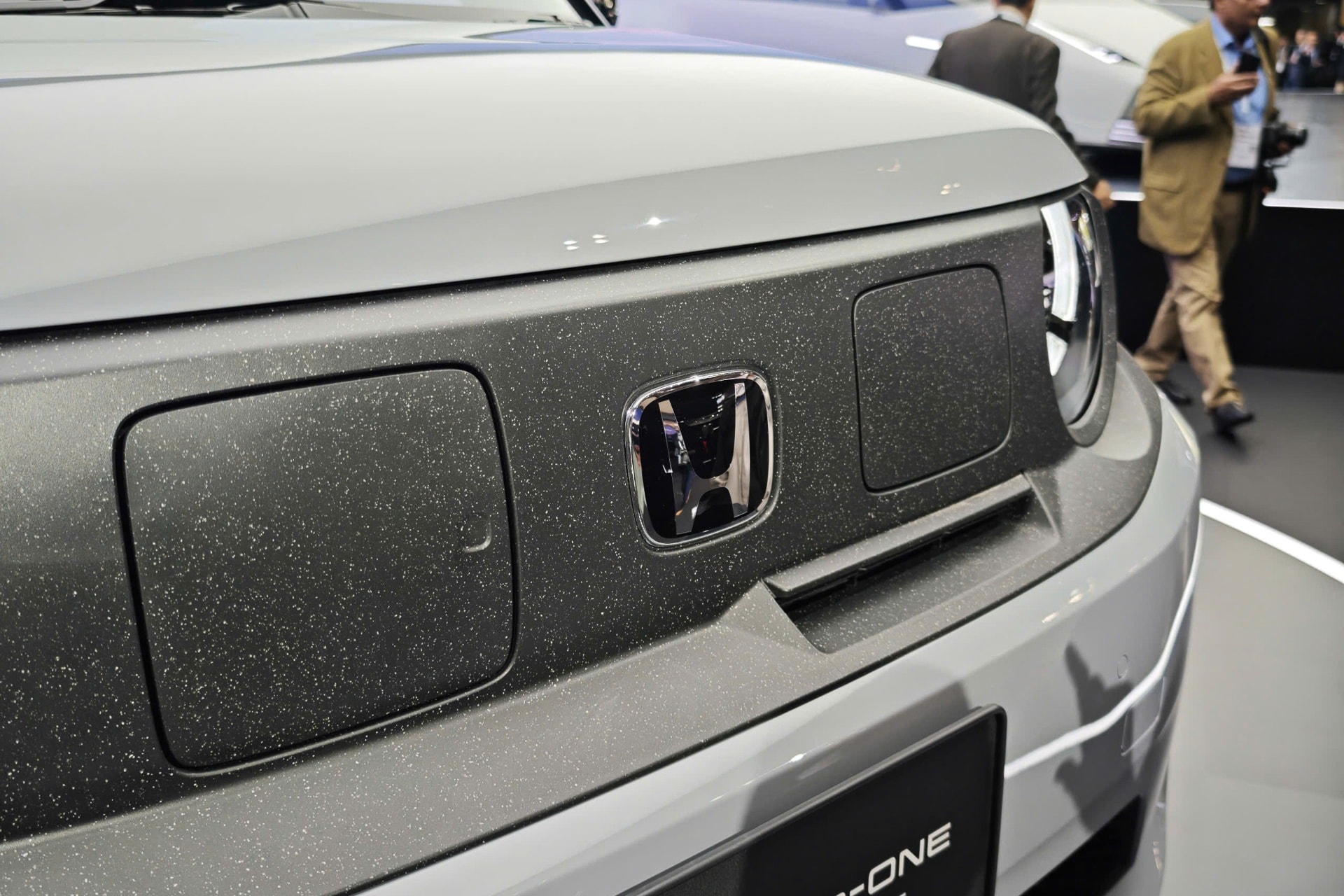
Honda Super-One pre-production: Small urban EV with a 220 km range.
On display at the Japan Mobility Show 2025, the Honda Super-One uses a 35.5 kWh battery, has a range of approximately 220 km, and features two charging ports at the front; it is expected to be sold in Japan from next year, with potential expansion to Southeast Asia.
The Honda Super-One appeared at the Japan Mobility Show 2025 in a nearly complete prototype, targeting the small urban electric vehicle segment. The model uses a 35.5 kWh battery, has a range of approximately 220 km, and Honda plans to sell it in Japan starting next year before considering other markets, including the UK, Asia, and Oceania.
Kei-car style, practical for cramped urban environments.
Staying true to the spirit of the Super EV concept first unveiled at the Goodwood Festival of Speed 2025, the Super-One features a boxy design from the front to the overall body, reminiscent of the kei-car style popular in Japan. Its compact body proportions and straight lines optimize cabin space and facilitate easy maneuvering in crowded urban areas.
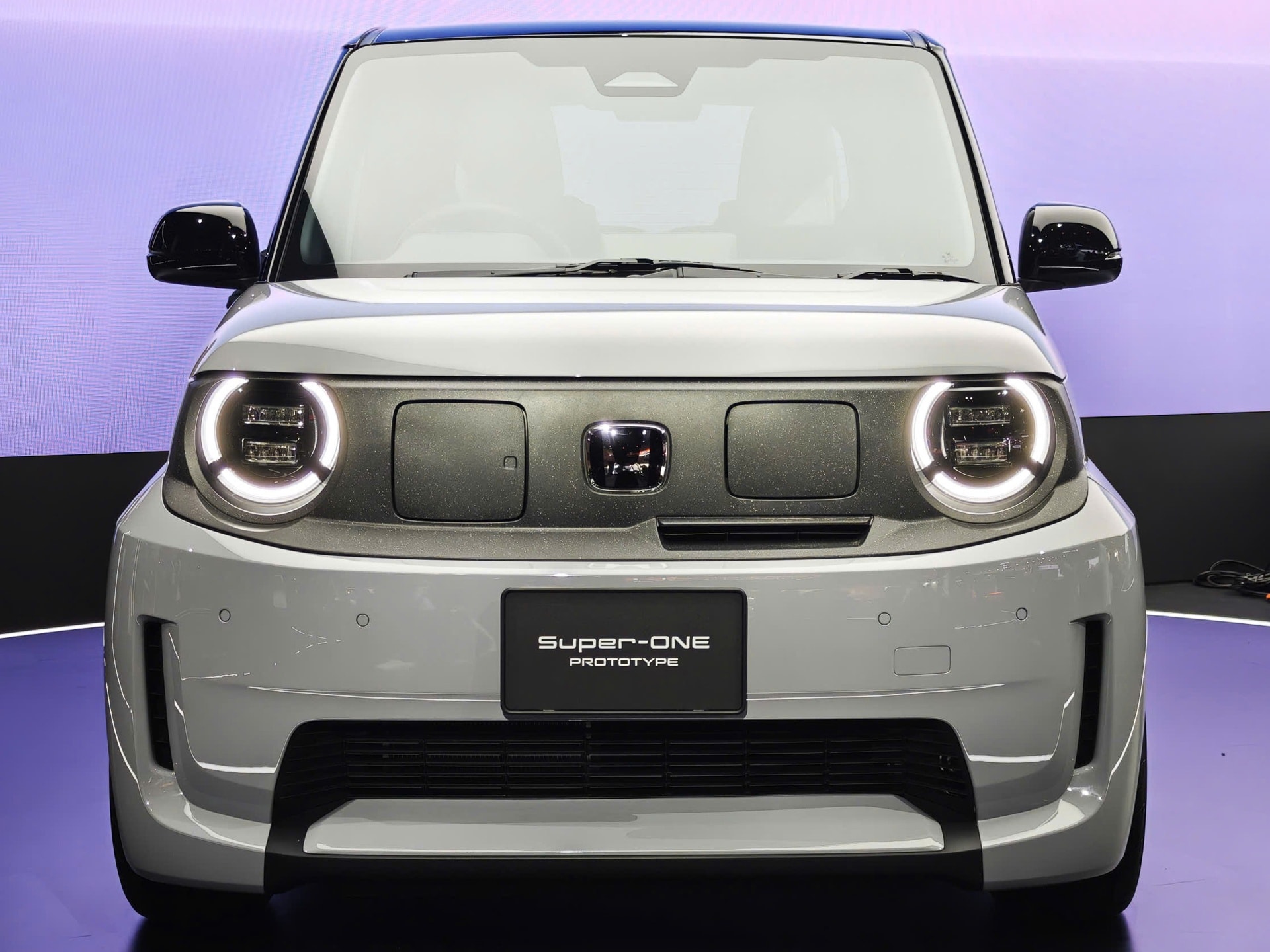
The front of the car is distinguished by its compact, high-mounted main headlights, combined with a simple front bumper. The rear is neat, with vertically positioned taillights, a letter-shaped brand logo in the center of the tailgate, and a slim rear bumper. The 16-inch four-spoke wheels feature a simple design in two contrasting colors, complementing the overall minimalist aesthetic.
Minimalist cabin design, prioritizing intuitive operation.
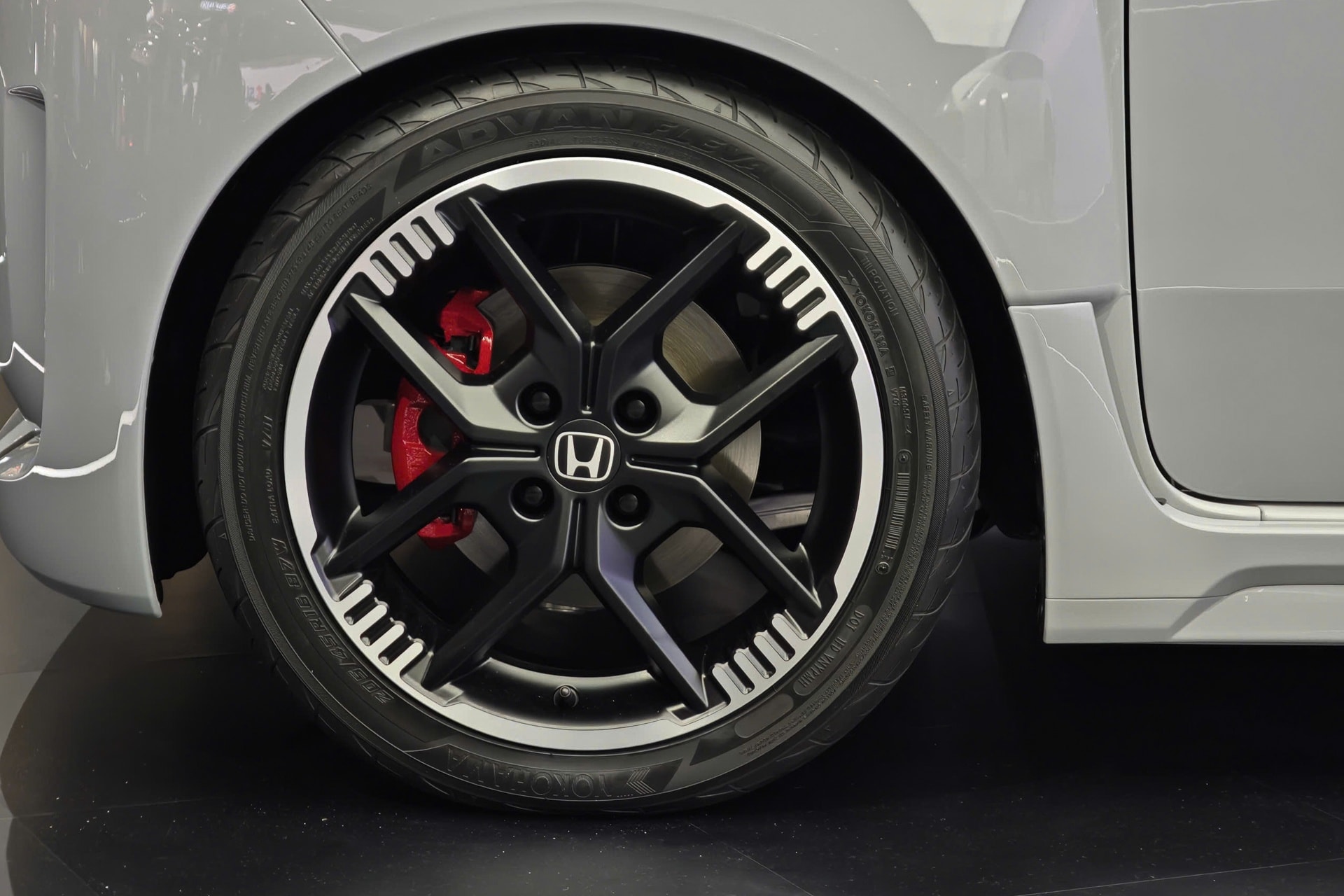
The cockpit is designed with simplicity and ease of use in mind. Behind the two-spoke steering wheel is an LCD instrument cluster. The center of the dashboard features a 9-inch infotainment screen, below which are physical buttons for frequently used functions such as gear selection, electronic parking brake, and climate control. This layout allows for quick operation without relying solely on the touchscreen.
The Super-One has a two-row, four-seat configuration. The rear seats can be folded down for flexible space conversion, increasing cargo capacity when needed. For a car positioned for city driving, practicality in luggage compartment layout is crucial, and the Super-One demonstrates this orientation even in its pre-production version.
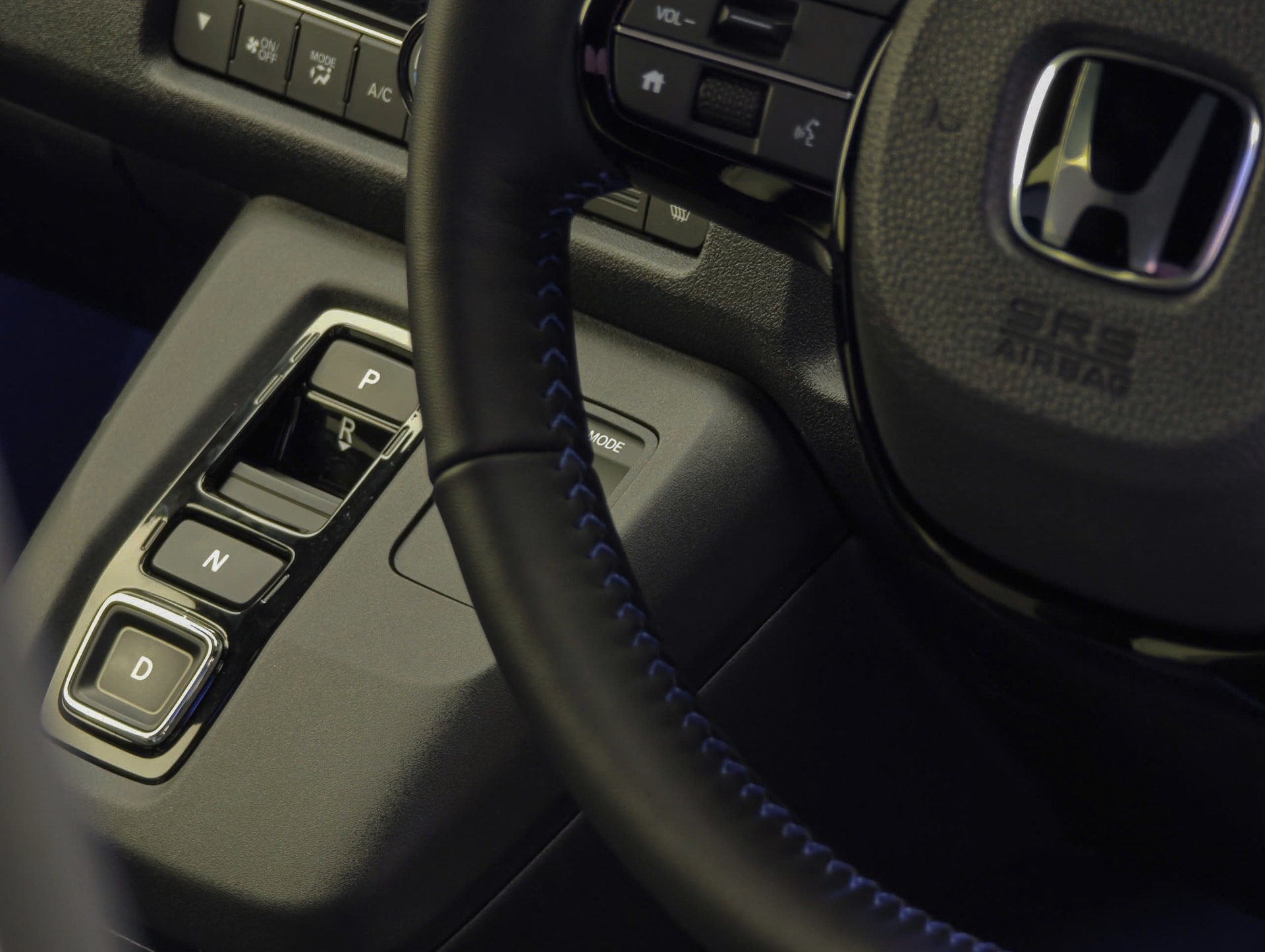
35.5 kWh battery, 2 front charging ports.
Honda equips the Super-One with a 35.5 kWh battery pack. According to information released for the pre-production model, the maximum range is approximately 220 km, suitable for daily commuting in urban areas. Notably, the bike has two charging ports located at the front, promising increased convenience for recharging in various parking lots. The specific charging standard and power output have not yet been announced by the manufacturer.
Powertrain: still under discussion, expectations are slightly higher than the concept version.
Honda has not yet released the powertrain specifications for the pre-production Super-One. According to sources at the event, it is likely that the power output will be slightly over 154 horsepower and the torque will be higher than 315 Nm. This is only a prediction at the pre-production stage and may change when the vehicle is commercialized.
With the aforementioned range and battery capacity, the Super-One shows a focus on short-to-medium-distance city driving. Its compact weight and body proportions (not yet specifically announced) typically offer agility, assisting with parking and maneuvering in tight spaces – typical priorities for urban users.
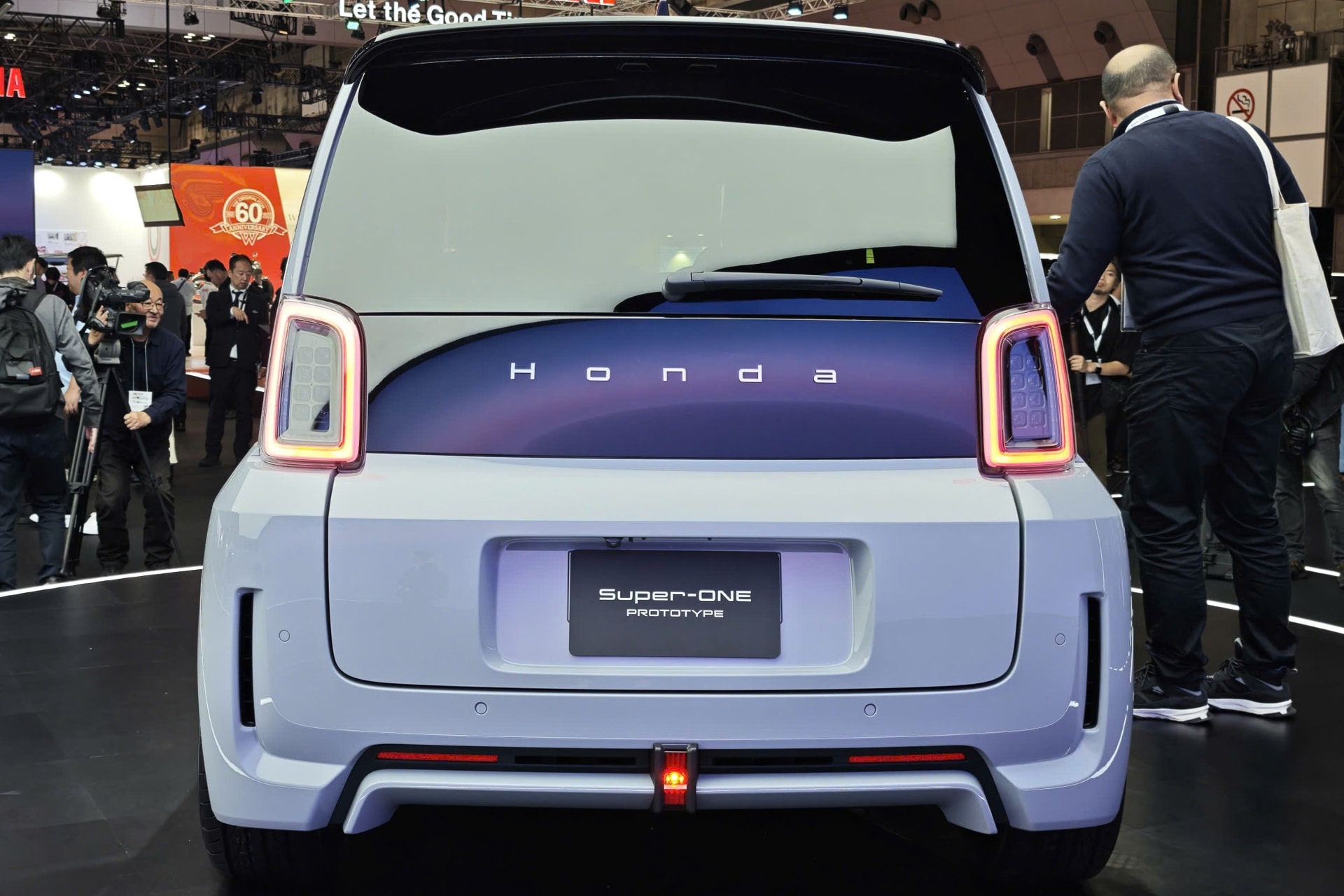
Design inspiration, pre-production quality
Even though it's a near-pre-production model, the Super-One's exterior panels show serious attention to detail, from the straight lines to the headlight and bumper trim. The boxy design not only creates a distinctive look but also benefits visibility and headroom for passengers. The presence of physical buttons in the center of the dashboard is also a practical choice in a context where many cars are following the "all-touch" trend.
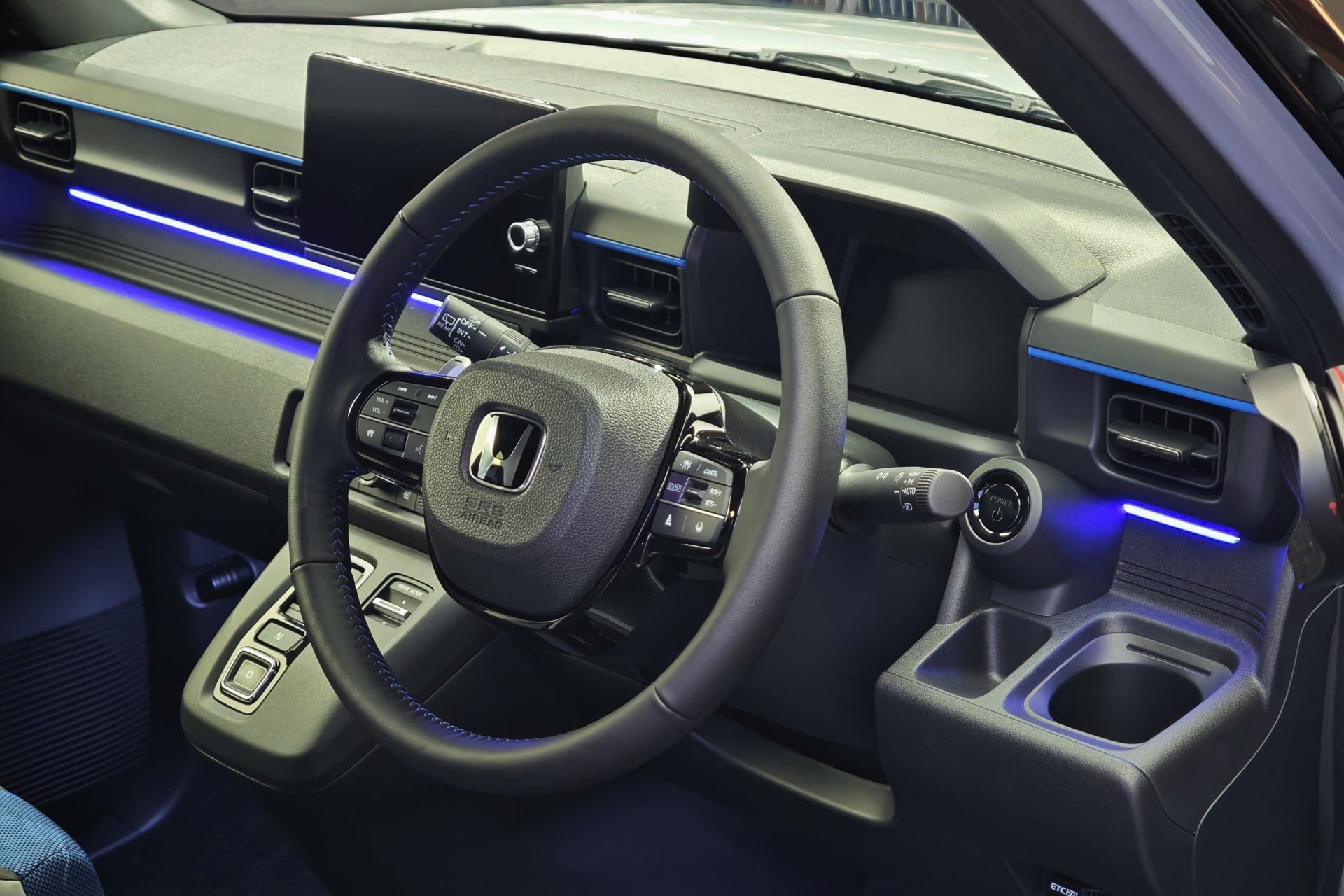
Main datasheet for the pre-production Honda Super-One.
| Category | Information |
|---|---|
| Launch event | Japan Mobility Show 2025 |
| Status | Near-pre-production prototype (developed from the Super EV concept, Goodwood 2025) |
| Segmentation/Positioning | Small urban electric vehicle, kei-car style. |
| Number of seats | 4 seats (2 rows of seats; rear row folds flexibly) |
| Central screen | 9 inch |
| Driver's clock | LCD screen behind the two-spoke steering wheel |
| Hand brake | Electronic parking brake |
| Control system | Physical buttons below the screen (number selection, air conditioning, etc.) |
| Tray | 16-inch, 4-spoke, two-tone |
| Battery | 35.5 kWh |
| Operating range | Approximately 220 km |
| Charging port | Two charging ports are located at the front of the vehicle. |
| Power/torque specifications | Not yet announced (most likely >154 hp, >315 Nm) |
| Sales plan | Expected to be sold in Japan starting next year; potentially expanding to the UK, Asia, and Oceania. |
Market and potential competitors
Honda plans to begin production and sales of the Super-One in Japan next year. Afterward, the company says it may introduce the model to markets with demand, including the UK, Asia, and Oceania. If it arrives in Vietnam, the Super-One would enter the small urban electric vehicle segment, where the VinFast VF 3 and Wuling Mini EV are attracting attention from consumers looking for compact vehicles with low running costs and easy access to parking and charging infrastructure in the city.
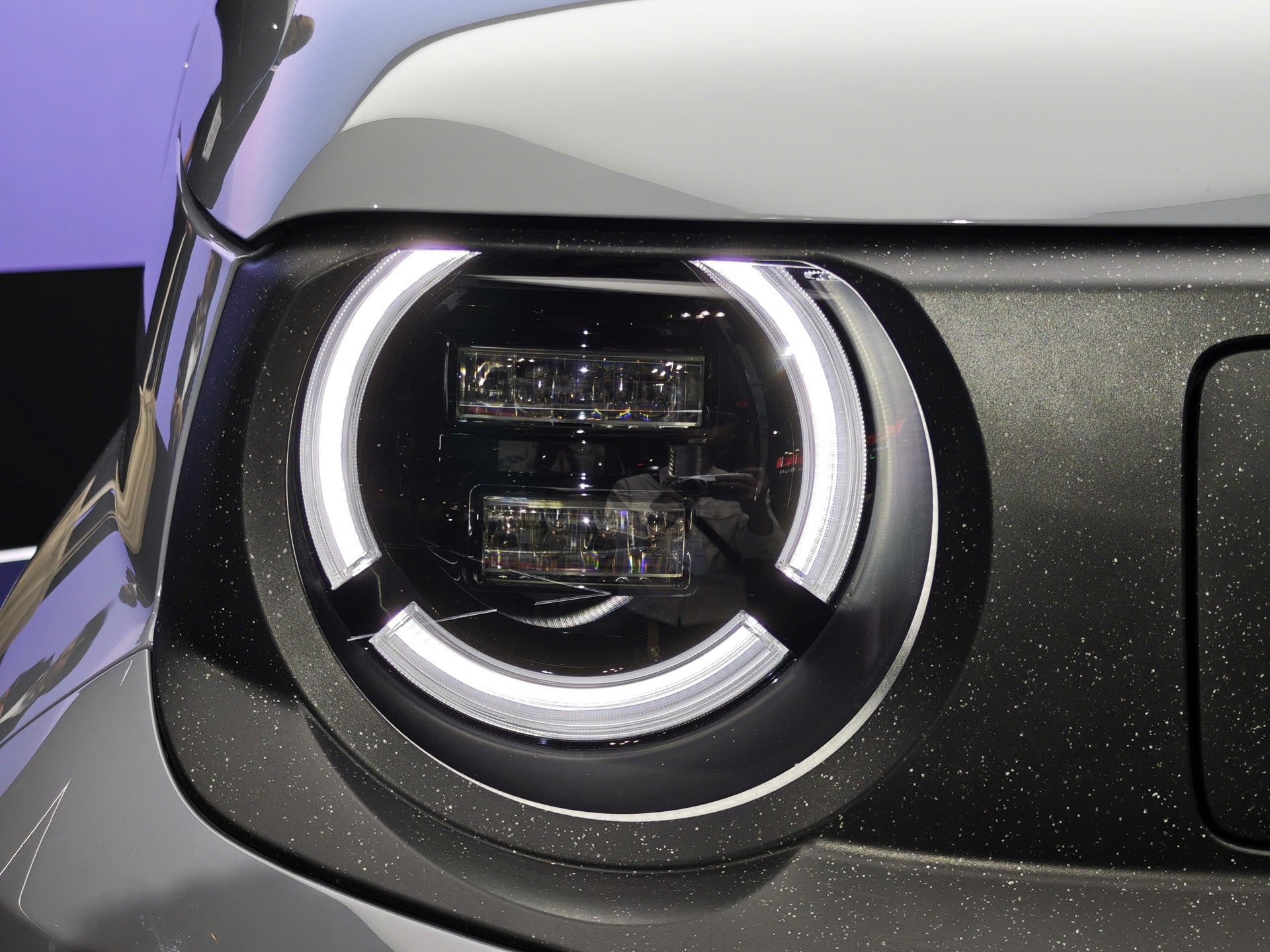
Conclude
In its pre-production phase, the Honda Super-One focuses on what urban users need: compact size, a simple and intuitive cabin layout, sufficient daily range, and the convenience of two front charging ports. Powertrain specifications and detailed features will ultimately determine its competitiveness, but with a clear direction and plans to sell it in Japan starting next year, the Super-One shows potential to become a worthwhile option in the small urban electric vehicle segment, especially in Asian markets like Vietnam where it will be distributed.