
Hong Kong: 4 days of slow living amidst wine and Michelin-starred establishments.
During my four-day trip to Hong Kong (China), the itinerary revolves around the Wine & Food Festival on Victoria Harbour, Michelin-starred restaurants, and rare conversations with renowned chefs.
During my four days in Hong Kong (China), my journey revolved almost entirely around food: from the Hong Kong Wine & Food Festival on Victoria Harbour to dinners with Michelin-starred chefs. Each small glimpse revealed why this city holds a unique position on the map of high-end Asian tourism, being both sophisticated and approachable enough for outsiders to easily blend into its rhythm.
Dinner by Victoria Harbour: the rhythm of Hong Kong life after 11 PM.
The highlight of the trip was the evening at Central Harbourfront, where the Hong Kong Wine & Food Festival took place. The festival space stretched along Victoria Harbour, with hundreds of wine, cocktail, and fine dining stalls arranged in brightly lit clusters.
A cool sea breeze blows up from the water, the lights from the skyscrapers reflect onto the harbor, mingling with the aromas of grilled food, hot sauces, and wine. The atmosphere is lively but unhurried, like an outdoor party where everyone can leisurely raise a glass, chat, and listen to the city.
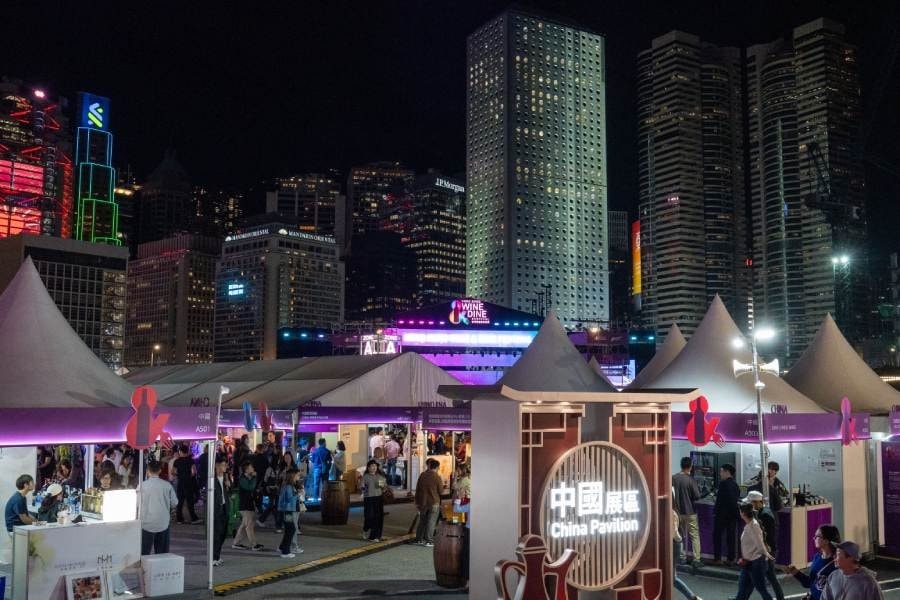
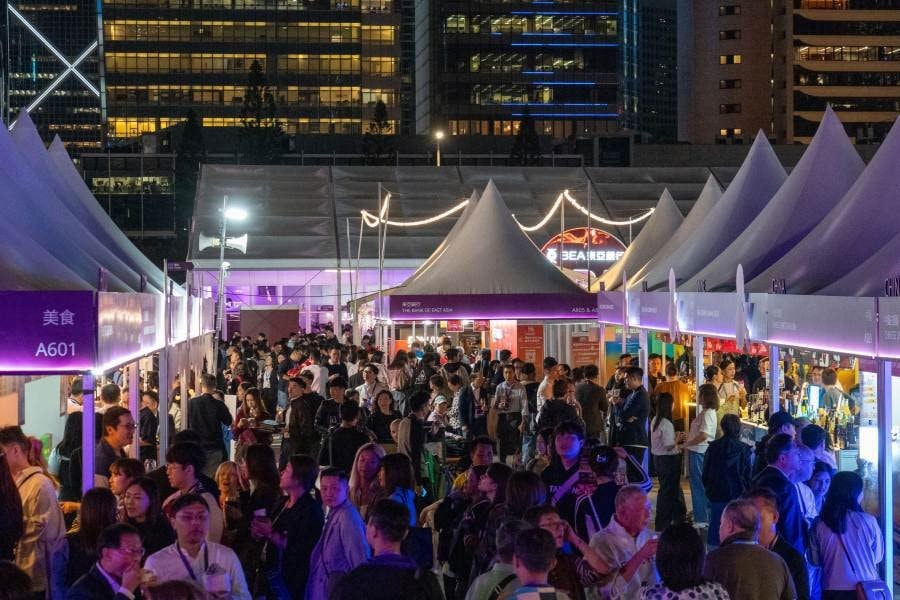
This year's Hong Kong Wine & Food Festival stays open until midnight, making the experience more relaxed. Instead of feeling pressured to "rush" to sample as many things as possible, people stroll leisurely among the stalls, stopping when captivated by the aroma from an open kitchen or an invitation to sample from a winemaker.
Three regions, one culinary journey.
The festival space is divided into three distinct areas, each representing a different chapter in the culinary journey.
BEA Grand Wine Pavilion: raising a glass amidst hundreds of wine labels
The BEA Grand Wine Pavilion is a dedicated wine area, showcasing hundreds of wine labels from numerous countries. The tasting booths are designed to be open and welcoming, making it easy for even those not particularly knowledgeable about wine to approach, raise a glass, and discuss grape varieties, growing regions, and tasting techniques with producers or experts.
Amidst the murmuring conversations, each sip of wine tells a small story: some glasses are rich in woody notes, others are light and fruity. Everything is told in a very ordinary language, without heavy jargon, making the world of wine more accessible.
Pairing Exploration: Playing with 5 basic flavors
The Pairing Exploration area is distinctly experiential. Here, wines are suggested to be paired with five basic flavor groups – sweet, sour, spicy, salty, and umami – based on an easy-to-understand color-coded system. Participants simply choose a flavor profile they like, then try the suggested dishes and wines in turn.
Instead of feeling like you're "learning" about wine, this journey is more like a taste game: try a piece of food, take a sip of wine, see which flavors are enhanced, and which are softened. All the knowledge therefore enters your mind very naturally.
Gourmet Avenue: a culinary street of open kitchens.
The busiest area is Gourmet Avenue – a food court with open kitchens that operate non-stop. Each dish is prepared in small portions, just enough for one taste, so that attendees can move from one kitchen to another without getting bored.
Notably, many of the stalls came from restaurants recognized by the Michelin Guide and Black Pearl Guide. Fine dining thus moved beyond the formal setting of a banquet table, into a more intimate context: you could stand and enjoy an exquisite dish while watching the chefs prepare new dishes right before your eyes.
What was unforgettable was seeing many renowned chefs directly in their booths, cooking and chatting with customers. It was from these open kitchens that I had the opportunity to meet two Michelin-starred chefs who left the strongest impression on me during the trip.
Alvin Leung: When failure becomes a philosophy of life
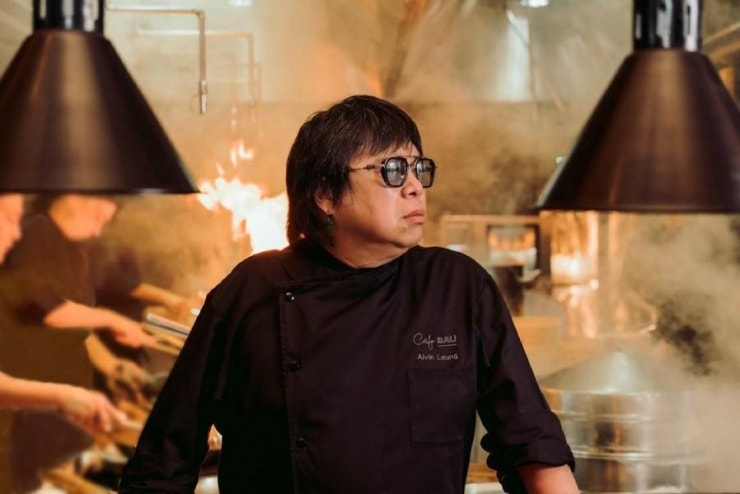
Amidst the bustling atmosphere of the festival, the image of Alvin Leung – 64, head chef and owner of Bo Innovation - The Hong Kong Story – standing right in his booth created a very different focal point. He has earned 3 Michelin stars for his restaurant, is one of the few completely self-taught chefs, and is known for his "rock and roll" style and experimental approach to contemporary Chinese cuisine.
Born in London, raised in Canada, and having worked as an engineer for many years, Alvin came to the culinary world in his 40s. He never attended formal culinary school, nor did he follow the traditional path of professional chefs.
When talking about his career journey, Alvin doesn't shy away from failure. He recounts times he was doubted, criticized for being too different, and even nearly went bankrupt. "You're going to make mistakes again and again. The important thing isn't to avoid making mistakes, but to learn how to recover faster," he says.
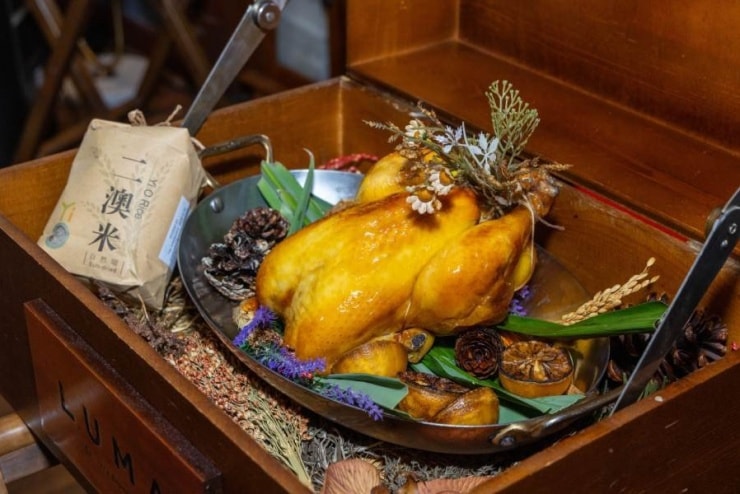
For Alvin, three Michelin stars are not the ultimate goal. “I don’t have a concept of ‘the pinnacle.’ If I stop searching, I’ll get bored,” he shared. That philosophy is reflected in every dish: not just the technique, but also the attitude of constant experimentation.
When it comes to Vietnamese cuisine, Alvin is particularly enthusiastic about rice paper, fish sauce, and coffee. “Your fish sauce is very different. That difference is what makes me curious and want to explore further,” he says. Right in the heart of Hong Kong, the story of a familiar condiment suddenly reveals an unexpected connection.
Aven Lau: The simplicity of someone who knows what they want.
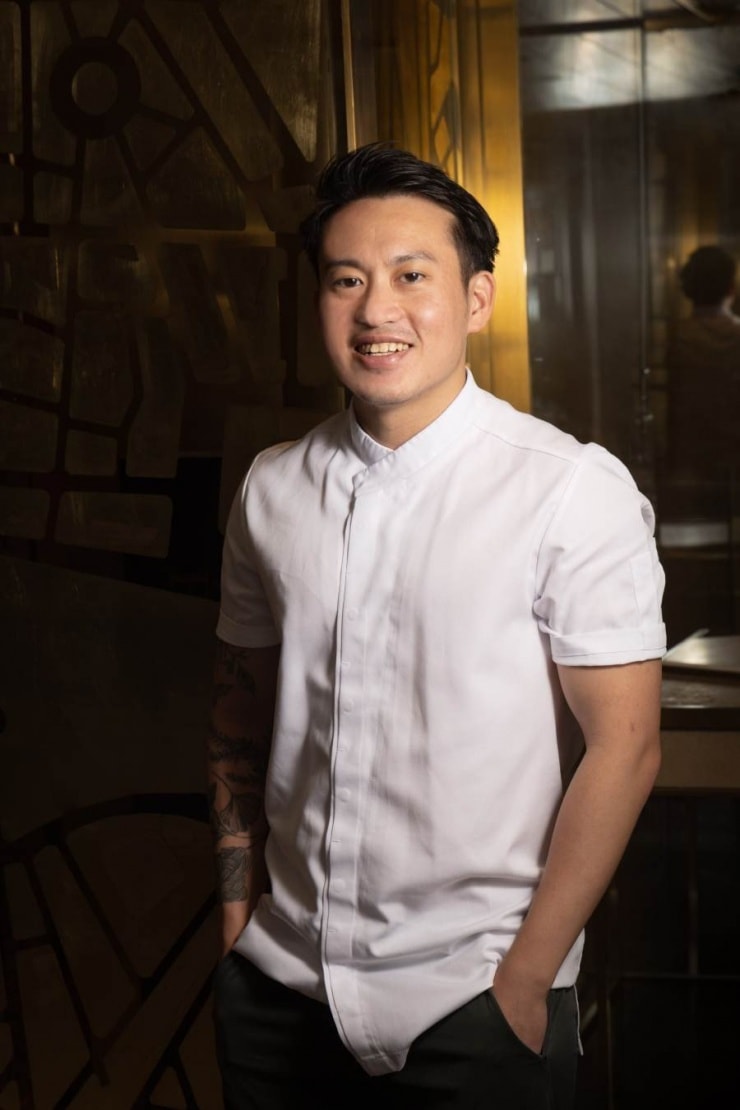
While Alvin Leung exudes a sense of explosive energy and intensity, Aven Lau – head chef of ÉPURE restaurant (awarded a Michelin star for four consecutive years) – impresses with his calmness and restraint. At the festival, his booth always has long lines of diners, even though the dishes are not at all ostentatious.
The dishes presented by Aven are sophisticated and appealing enough for diners to appreciate the meticulous attention to detail. There isn't an overly elaborate presentation; everything seems to be streamlined to make room for the flavors.
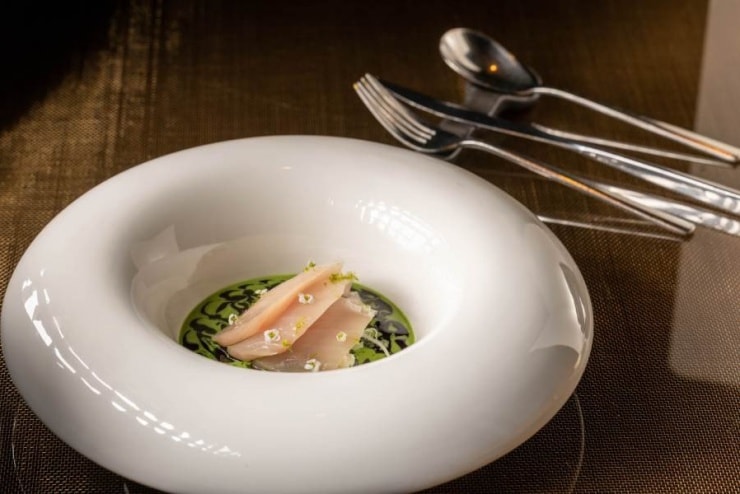
In a subsequent conversation, Aven recounted a time when he felt exhausted by the pressures of his culinary career, realizing he was cooking more out of habit than emotion. He decided to take a break to better understand where he stood and how he wanted to move forward. “Going slow isn’t losing. Going slow is going far,” he said.
That spirit stayed with me throughout my meal at ÉPURE afterwards. The dishes didn't try to overwhelm me, but rather guided the diner to focus on the unique flavors and rhythms of each dish.
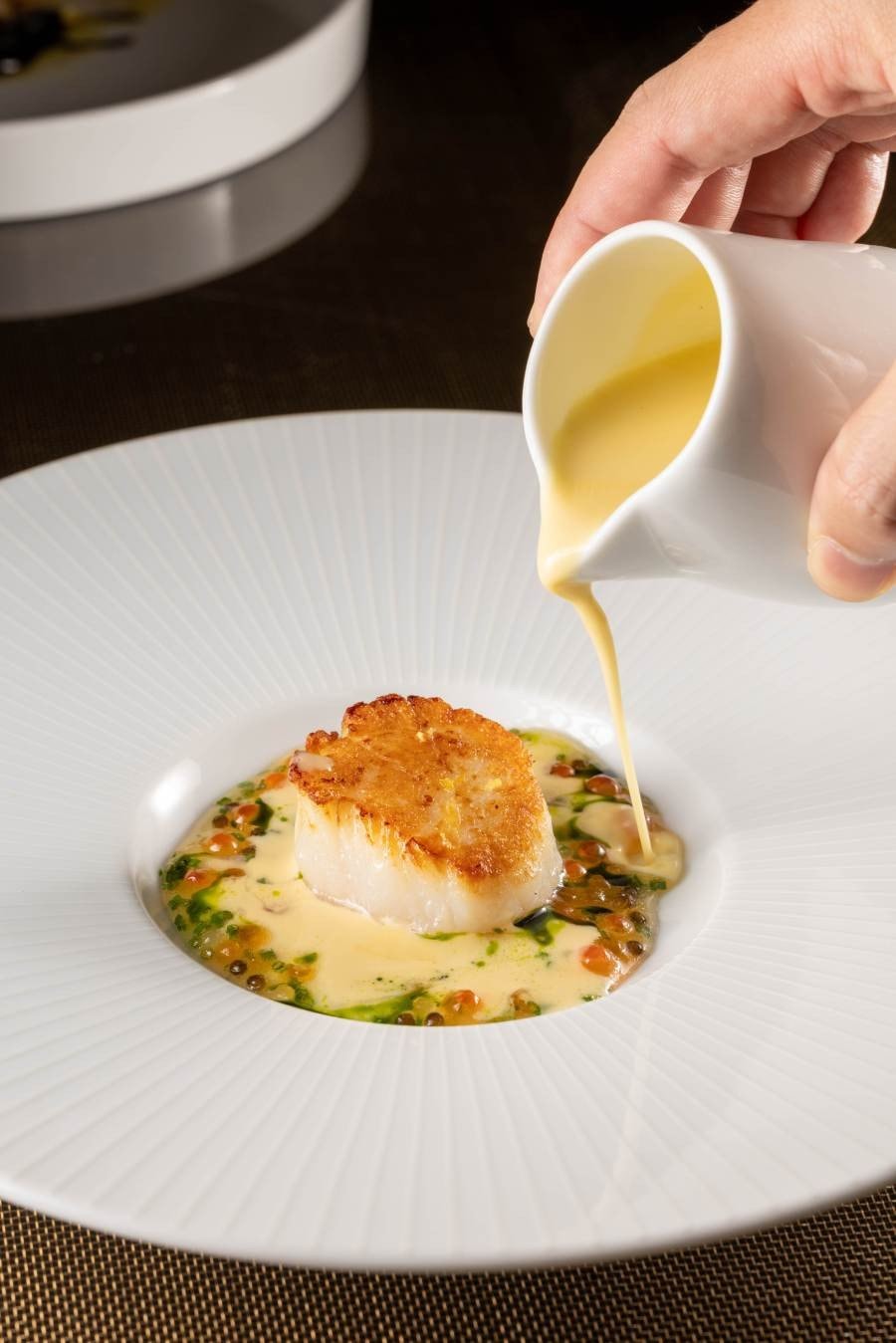
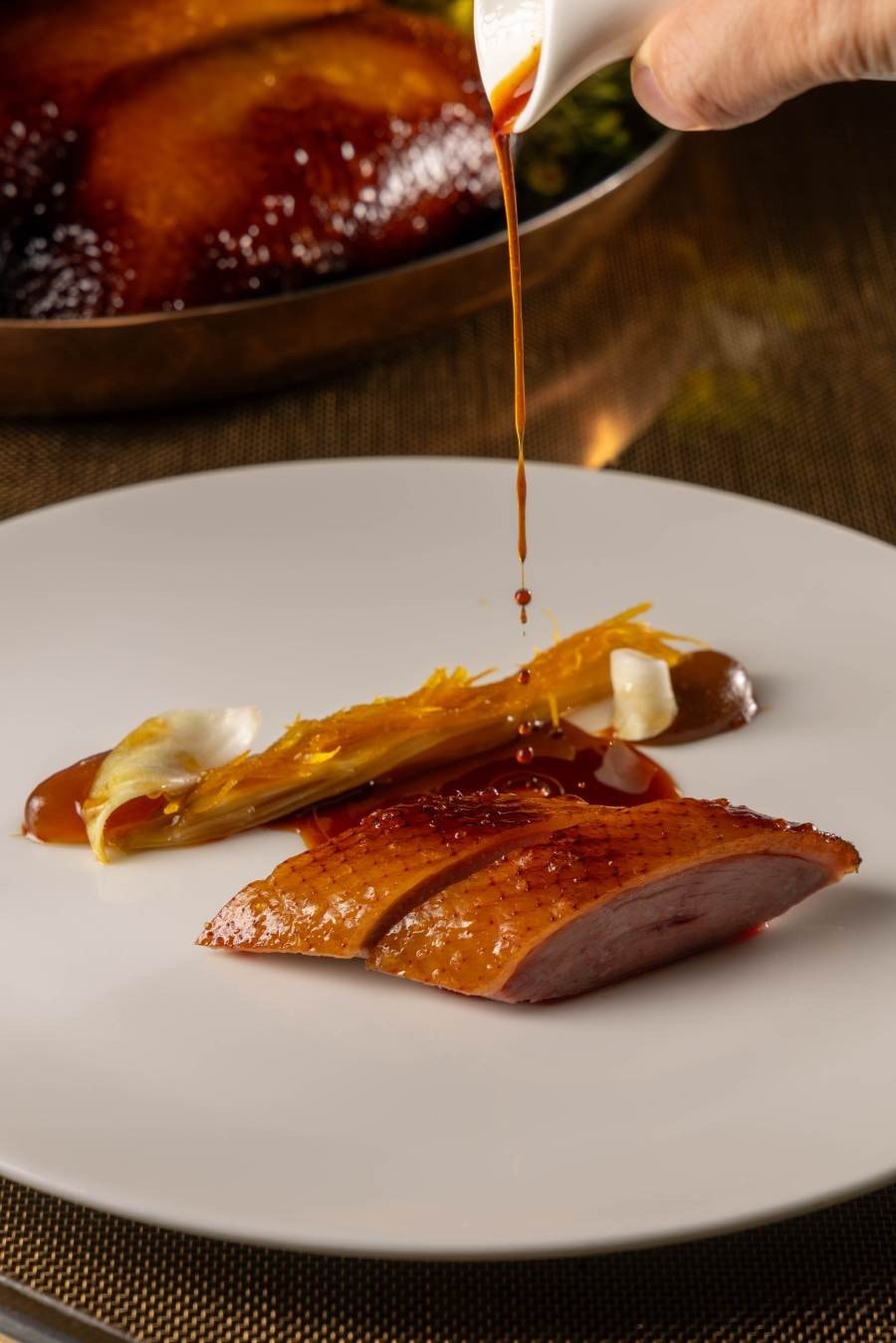
In my personal opinion, Aven's cuisine is calm, enduring, and deep enough for diners to savor the experience themselves, rather than being overly driven by emotions. It's the kind of experience that makes you think about the food long after you've left the table.
Hong Kong through moments beyond the dinner table.
Beyond the festivals and Michelin-starred dinners, the four-day itinerary is interwoven with numerous smaller experiences: a cocktail workshop, an afternoon exploring tea in a historic setting, and strolls through the city's dazzling nightlife. Each activity adds a new layer of appreciation to Hong Kong.
Amidst the towering buildings and fast-paced life, the city still reserves space for moments of tranquility: the moment you stand by the balcony overlooking the harbor, a freshly poured glass of wine in hand, or the quiet moment you sit before a cup of tea, letting the aroma slowly fill the air.
After four days, Hong Kong emerged not just as a destination to visit once, but as a place that makes people want to return, each time for a different reason: perhaps another wine festival, a new menu from a familiar chef, or simply to take a few more walks along Victoria Harbour as the city lights up.
Suggestions for a 4-day culinary journey following the trail of high-end cuisine.
If you love food and want to experience Hong Kong at a leisurely pace, four days is just enough time to focus on a few key points: an evening at the Hong Kong Wine & Food Festival (if you visit between October 23-26), a meal at a restaurant like Bo Innovation - The Hong Kong Story or ÉPURE, and some time for cocktails, tea, and evening strolls.
The important thing isn't to try everything, but to give each experience enough time to truly sink in. Lingering a little longer at your favorite stall, chatting a bit more with the cook, or simply sitting quietly and admiring Victoria Harbour for a few extra minutes – these small choices can make a trip more memorable than any packed itinerary.


