
Honor Magic V5: New hinge, silicon-carbon battery, heavy UI
The Honor Magic V5 solves the problem of thinness and durability with a new hinge, IP58/59 rating, and a 5,820 mAh silicon-carbon battery. However, MagicOS on Android 15 with VRR is not yet truly smooth, which is still frustrating.
The Honor Magic V5 is one of the rare foldable phones that attempts to push the limits of thin and durable hardware while maintaining a large user experience on both screens. It features a redesigned hinge for a thinner body, IP58 and IP59 ratings, a 6.43-inch outer screen, and a 7.95-inch inner screen. However, according to reviews, its biggest weakness lies in the software: MagicOS, based on Android 15, still has a lot of friction, especially in its interface organization and the smoothness of its variable refresh rate.
The thin-and-durable challenge in foldable phones: Honor's approach.
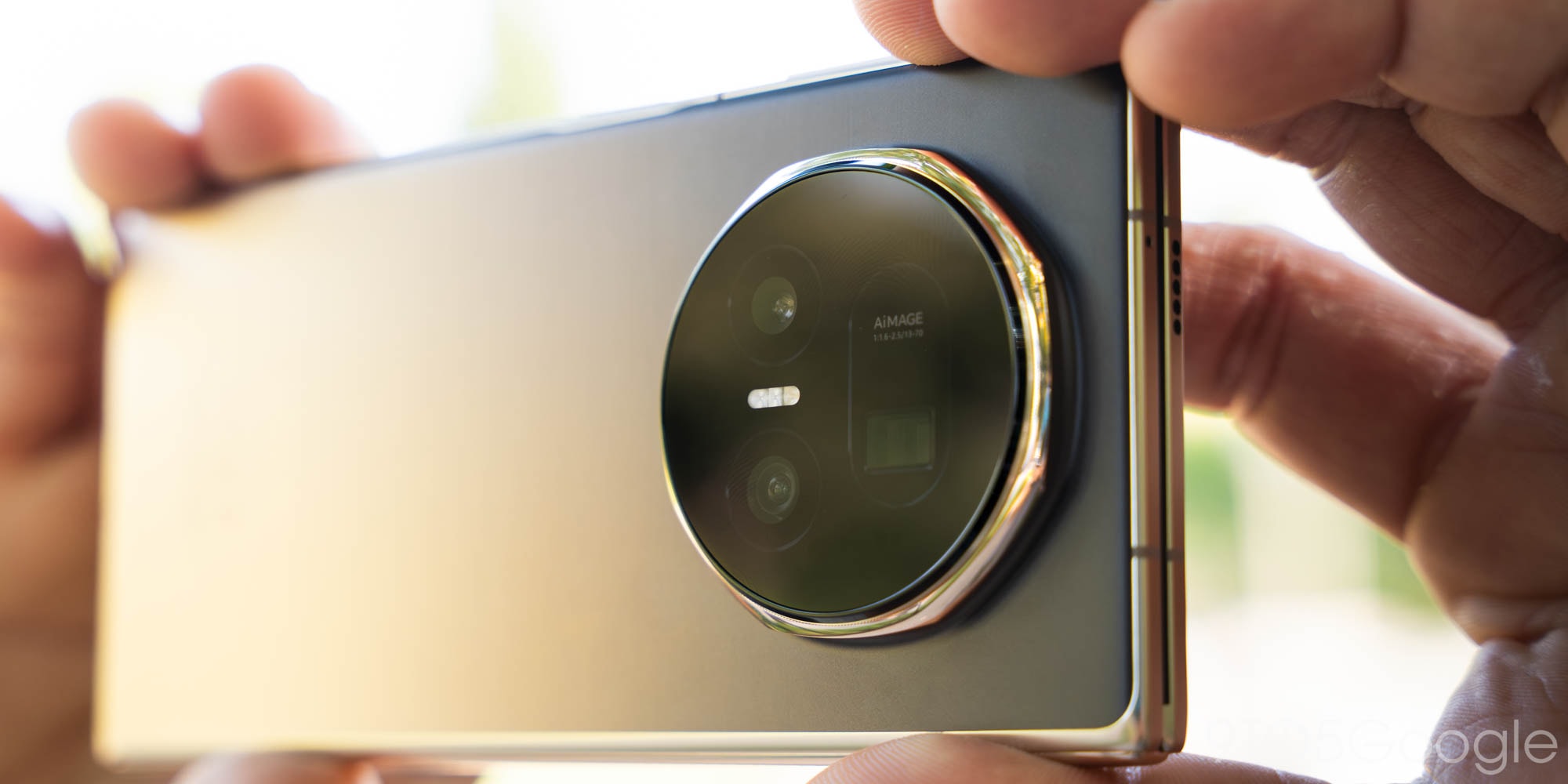
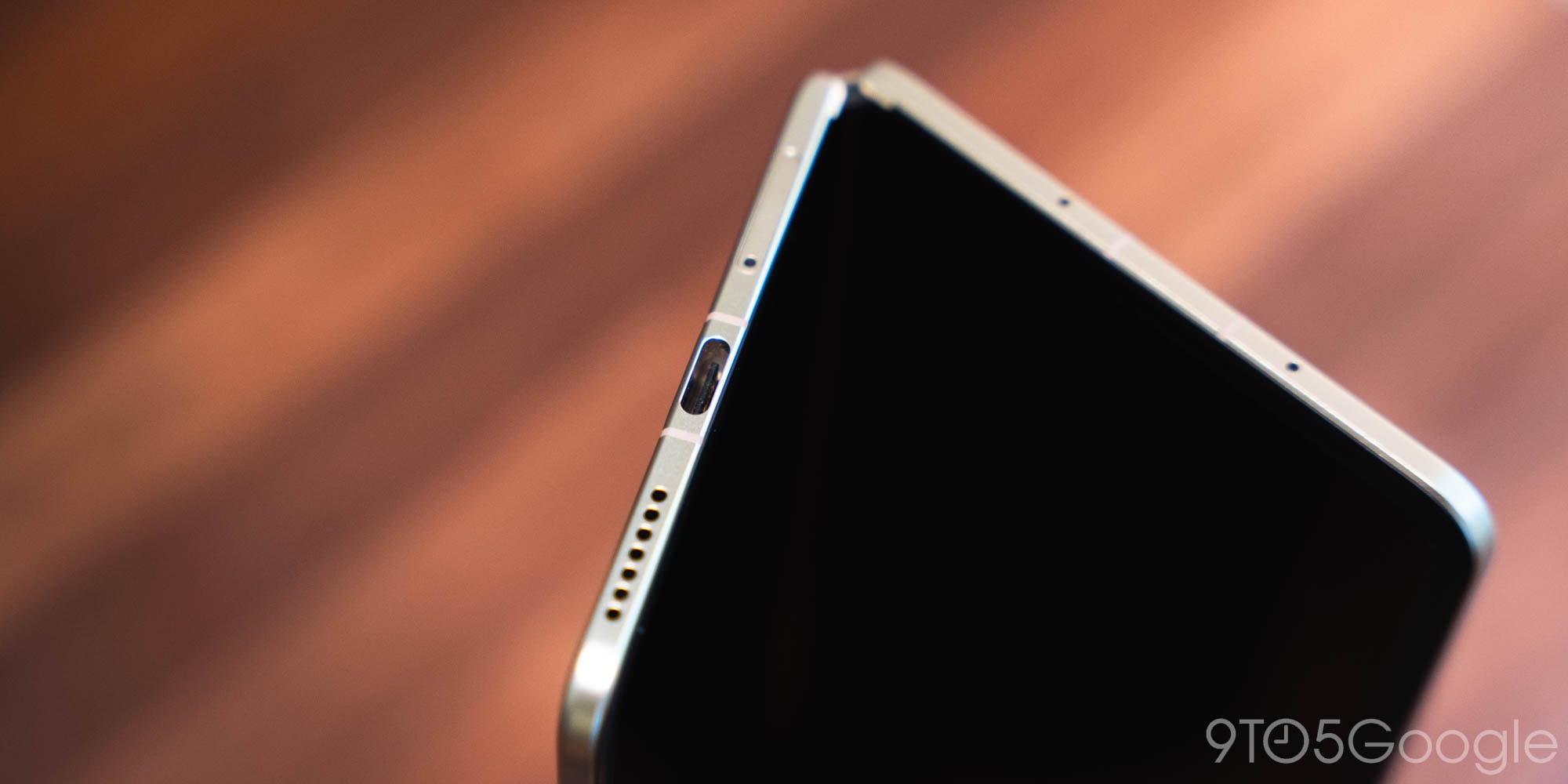
The Magic V5 feels well-built, with a newly designed and upgraded hinge that makes the device thinner and more durable. The thickness is 9mm in most color options, except for Ivory White which is only 8.8mm. The camera module is significantly larger than previous generations, protruding noticeably but inadvertently providing a comfortable finger rest when held. With the current screen size and thickness, the device achieves a good balance: it folds without feeling cramped, and opens just right for accessing content. The opening and closing action has a distinct "spring" and feels solid.
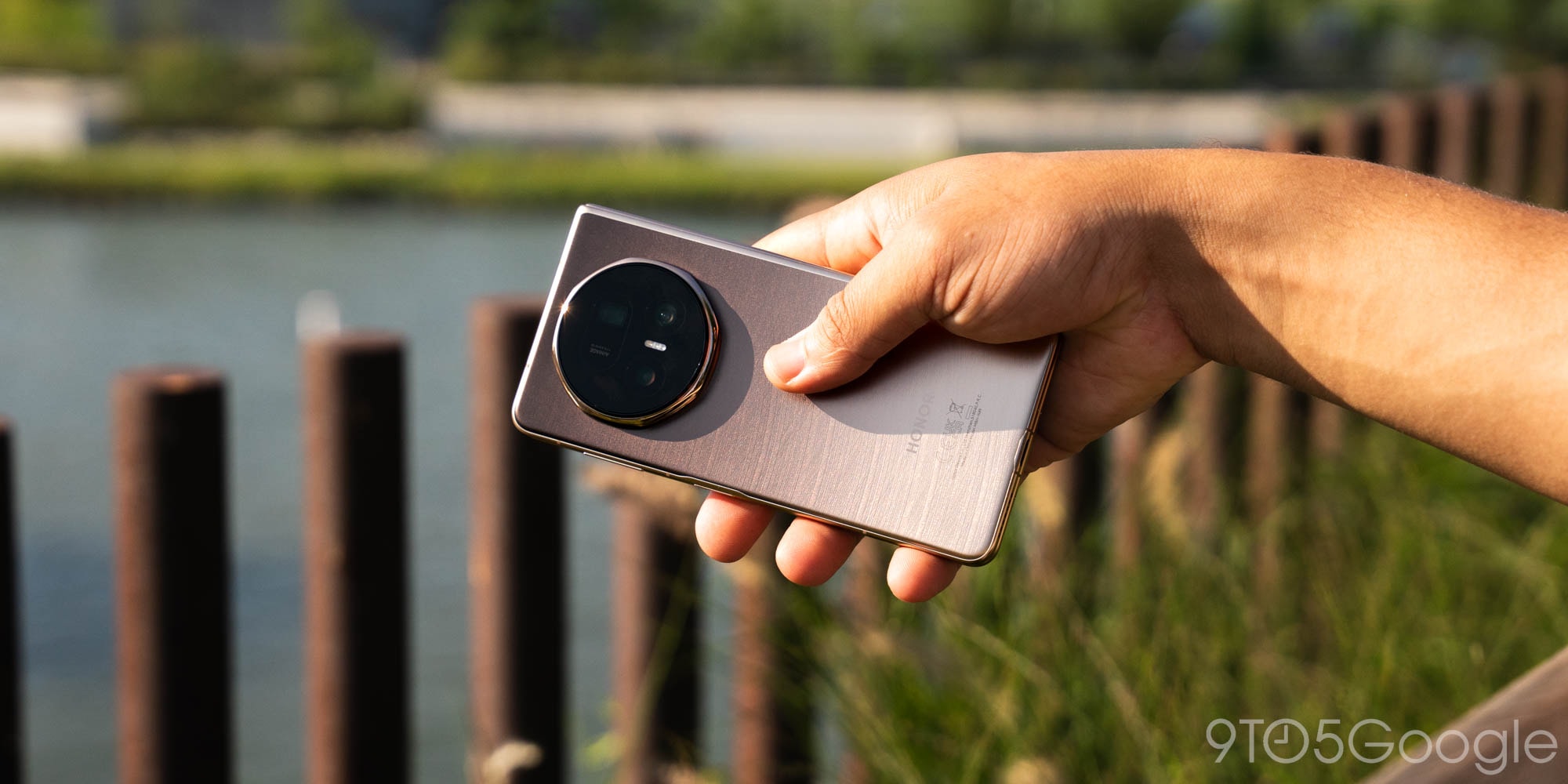
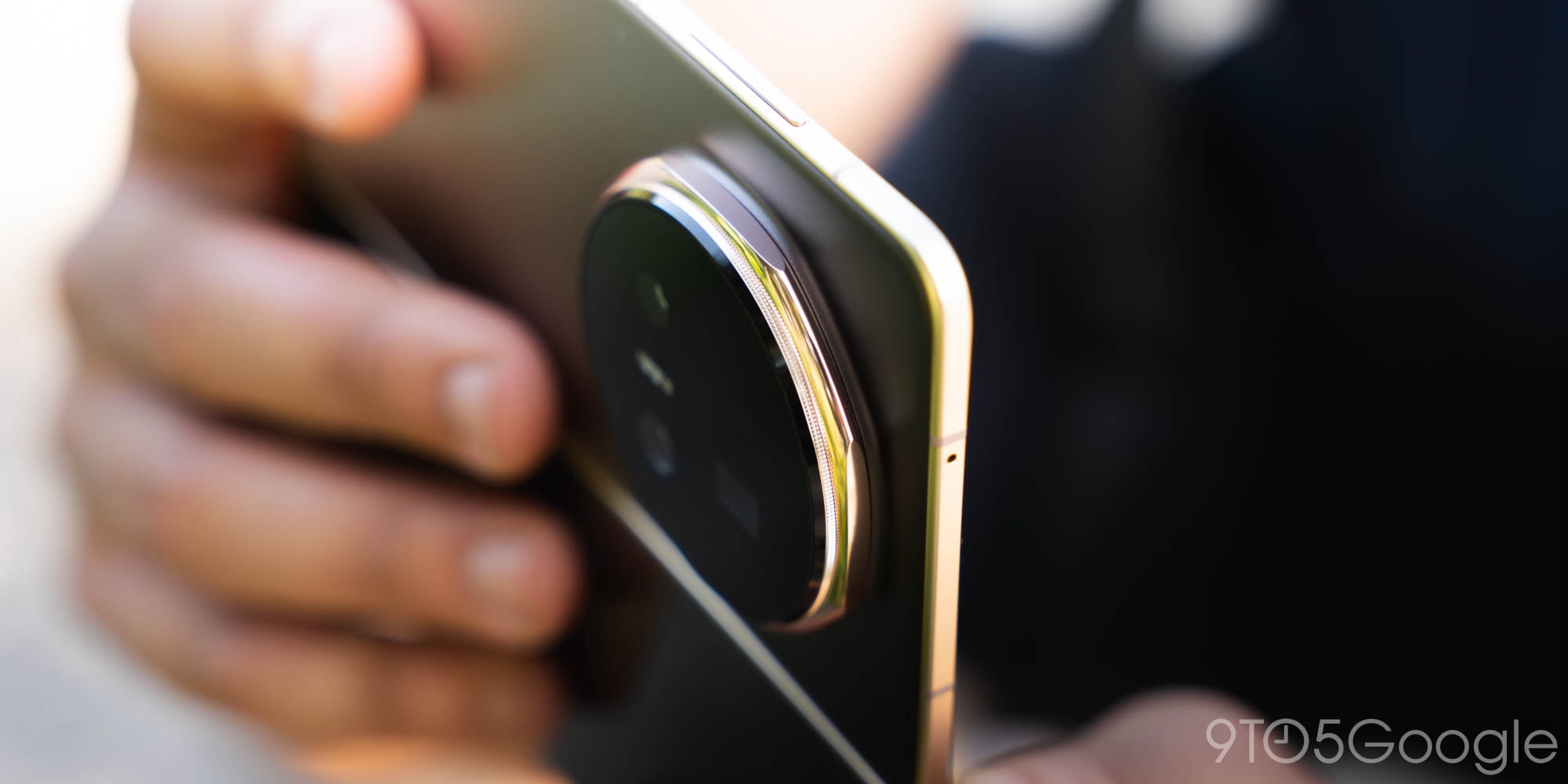
Screen size and folding experience
The 6.43-inch external screen is large enough for typing and everyday use; the 7.95-inch internal screen adequately meets multitasking and entertainment needs. It's noted that when unfolded, the feel in the hand approaches the point of being "uncomfortably thin" if it were a few millimeters thinner. This reflects the inherent challenge of foldable design: balancing size, thinness, and ergonomics for extended use.
MagicOS on Android 15: Useful but with a lot of friction.
MagicOS is a thick interface layer, significantly different from One UI or stock Android. The device comes pre-installed with many apps, both AI-powered and non-AI, replacing many options on the Play Store. Some useful features are built-in, such as motion sickness reduction and eye fatigue reduction. However, the way notifications and the control panel are separated, requiring users to swipe horizontally from the top edge to switch, is not intuitive for many. Based on previous experience with the Magic V4, this is more of a software issue than a hardware one.
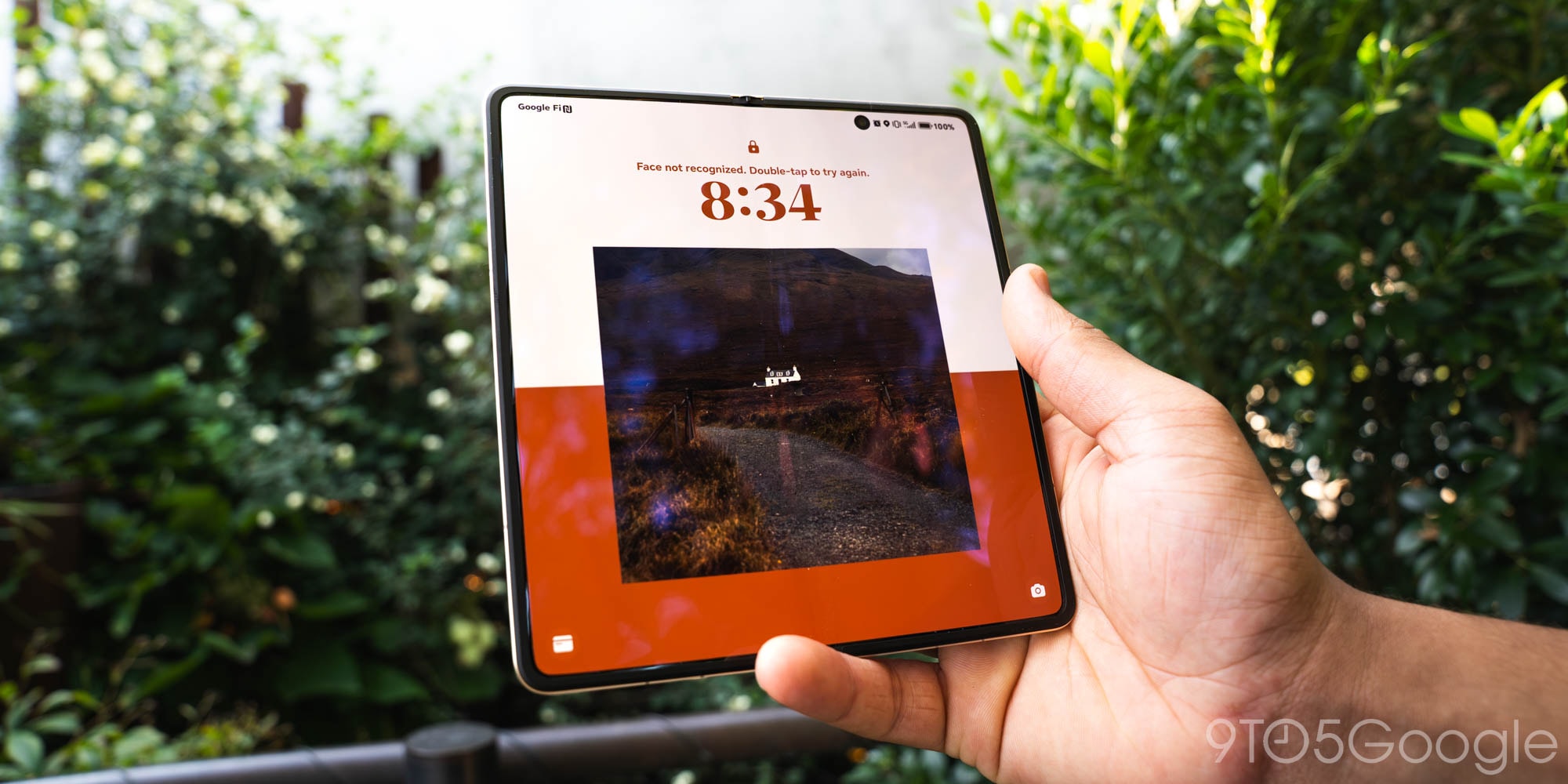
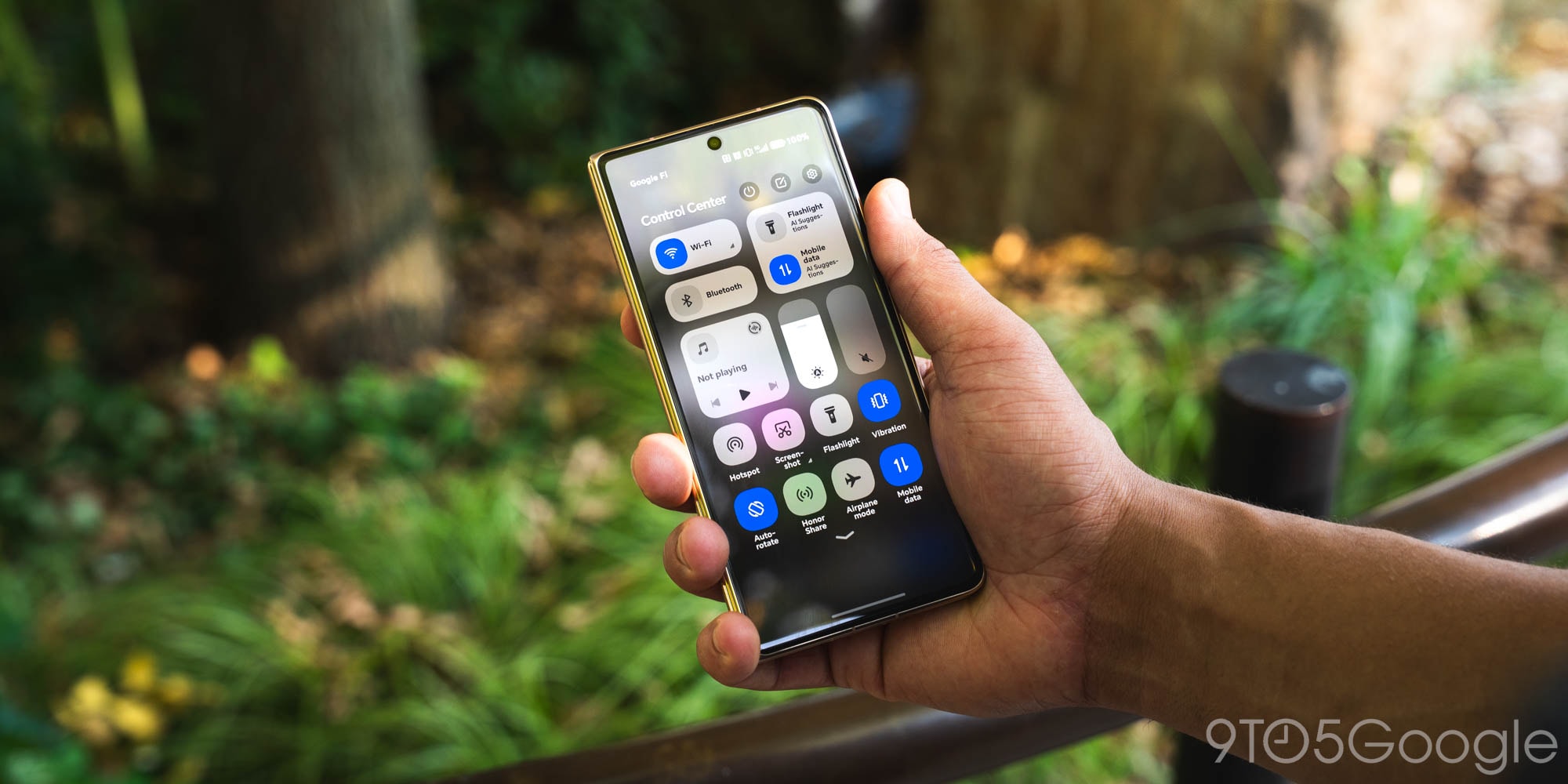
Honor committed to 7 years of operating system and security updates, a long timeframe in the Android world. However, the device launched with Android 15, while the Galaxy Z Fold 7 and Pixel 10 Pro Fold had already upgraded to Android 16, creating a sense of being out of sync in terms of platform.
Performance, 120 Hz VRR, and unusual latency.
The display supports a maximum refresh rate of 120 Hz with variable refresh rate. However, stuttering and frame jumping have been observed in some applications, giving the impression that the Snapdragon 8 Elite SoC can't keep up – something unlikely for basic tasks. This is more likely a software tweaking and VRR management issue rather than a purely hardware limitation.
5,820 mAh battery, 15% silicon-carbon: long-lasting battery life.
The 5,820 mAh battery, with 15% silicon, gives the Magic V5 impressive real-world battery life. After a few days of calibration, it can last about two days of normal use; in standby mode, it can last over a week without needing to be charged. Of course, power consumption will vary if you use the screen frequently or watch videos continuously – but overall, this is one of the foldable phones with remarkably long-lasting batteries.
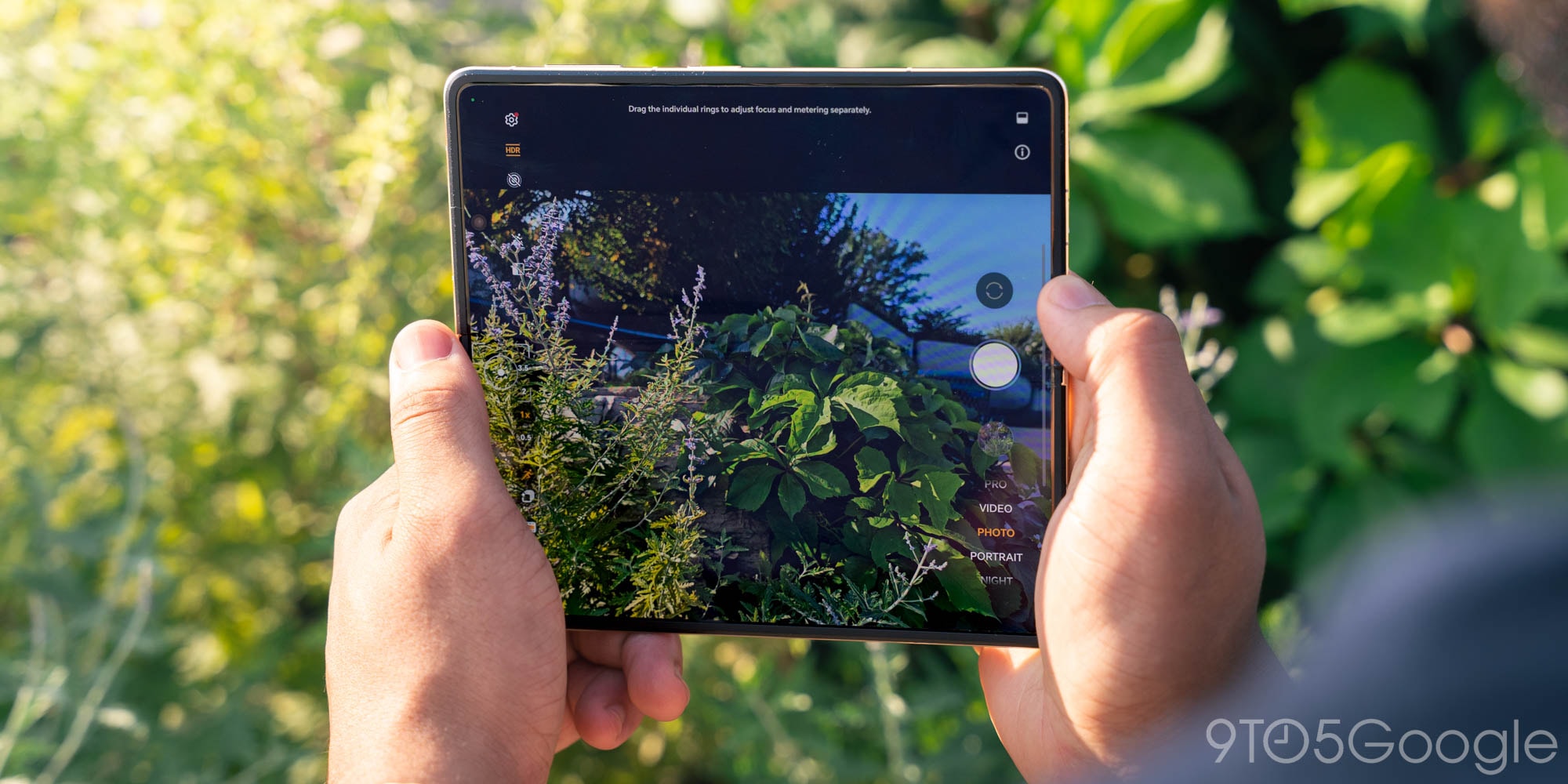
64MP camera with Falcon AI: post-processing delivers stable images.
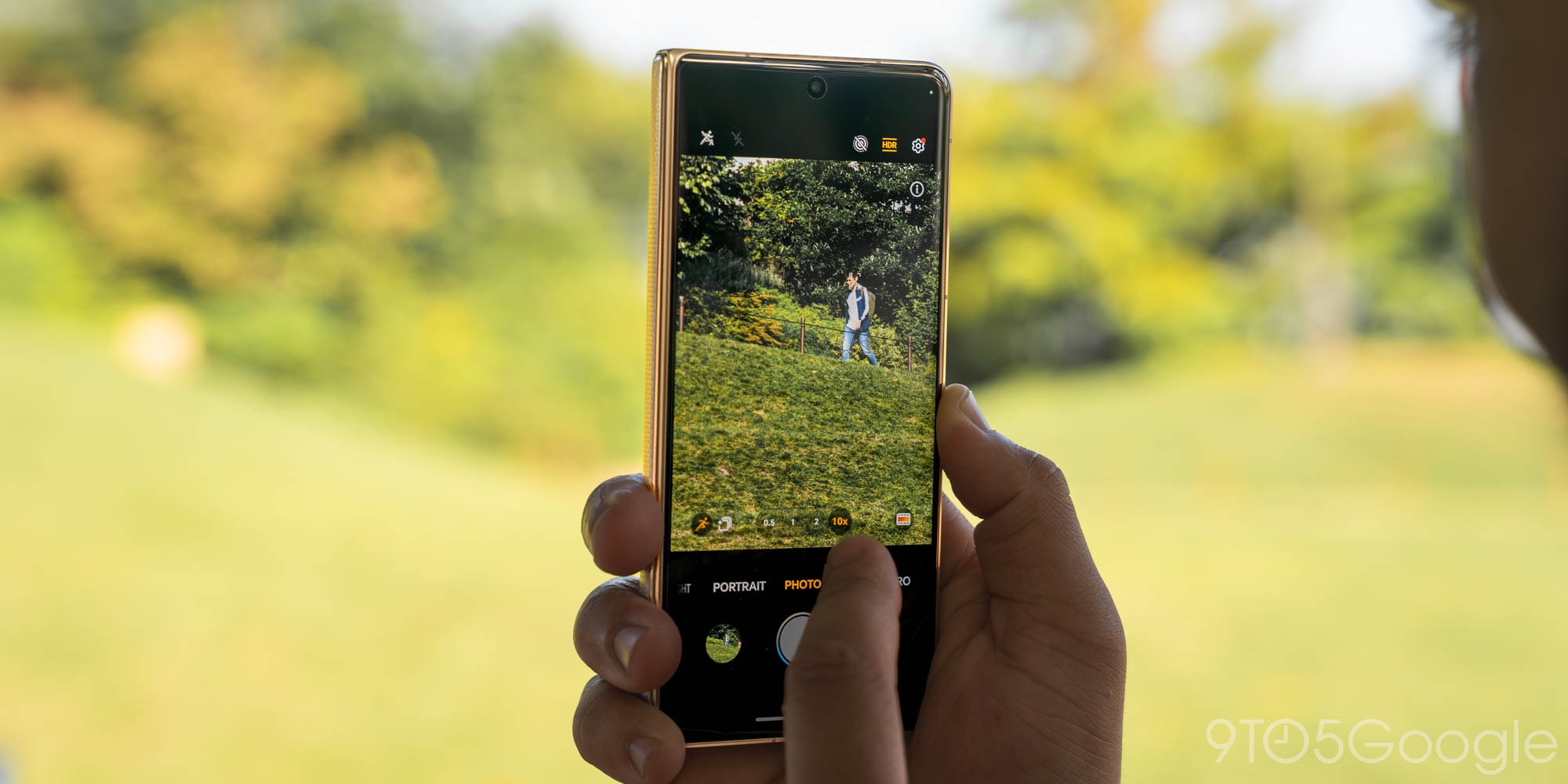
The 64MP main camera uses Falcon AI processing for pleasing post-processing quality; even at high zoom levels, images retain good detail. The drawback is the large camera module, but this is compensated by a stable shooting experience in various situations.
Key specifications
| Category | Parameter |
|---|---|
| Operating system when sold | Android 15 with MagicOS |
| SoC | Snapdragon 8 Elite |
| External display | 6.43 inches |
| Inner screen | 7.95 inches |
| Scanning frequency | Maximum 120 Hz; VRR |
| Thickness | 9mm; Ivory White version 8.8mm |
| Durability | IP58, IP59 |
| Battery | 5,820 mAh; silicon-carbon battery with 15% silicon |
| Main camera | 64 MP; Falcon AI imaging |
| Update the software. | 7 years of OS and security |
| Price | €1,999 (Europe), £1,699 (UK) |
Technical advantages
- The new hinge design allows for a thinner body and a solid, satisfying "snap-open" feel when opening and closing.
- Achieving IP58 and IP59 ratings is rare in the foldable phone segment.
- The 6.43-inch outer screen and 7.95-inch inner screen offer a balanced experience.
- The 5,820 mAh battery with 15% silicon content provides long battery life.
- The 64MP camera with Falcon AI processing delivers stunning photos.
- We are committed to providing 7 years of operating system and security updates.
Limitations and challenges
- MagicOS is heavy, with many components that are difficult to get used to; the notification/panel separation process lacks intuitiveness.
- The maximum VRR is 120 Hz, but frame jitter/switching occurs in some applications.
- Launched with Android 15, a generation behind some competitors.
- High price: €1,999 in Europe and £1,699 in the UK.
Compared to the Galaxy Z Fold 7 and Pixel 10 Pro Fold, and the next steps forward.
Compared to the Galaxy Z Fold 7 and Pixel 10 Pro Fold, the Magic V5 is at a disadvantage in terms of platform version (Android 15 versus Android 16). In terms of size, the Galaxy Z Fold 7 is said to be between the thicknesses of the Magic V5 versions. At a price of €1,999/£1,699, users will carefully consider their options between Samsung and Google.
If MagicOS were streamlined, more intuitive, and optimized for VRR, the Magic V5 would have the potential to compete more broadly in the global market. In terms of hardware, the device has proven the right approach: a new hinge, IP58/59 durability, impressive battery life, and a stable camera.


