
Honor Robot Phone: Unraveling the secrets of its 3-axis mechanical gimbal and 200MP camera.
Honor's groundbreaking smartphone is expected to launch in Q3 2026, featuring a 70% smaller physical image stabilization system. The device boasts a 200MP sensor and Arri color technology, positioning itself as a direct competitor to handheld camcorders.
Honor has officially confirmed the launch timeline for its Robot Phone, featuring a 3-axis mechanical gimbal system, in Q3 2026. This information was announced at the "China Night" event during the 79th Cannes Film Festival, where the device was first showcased in person, rather than just displayed in a glass case as at the previous MWC event.
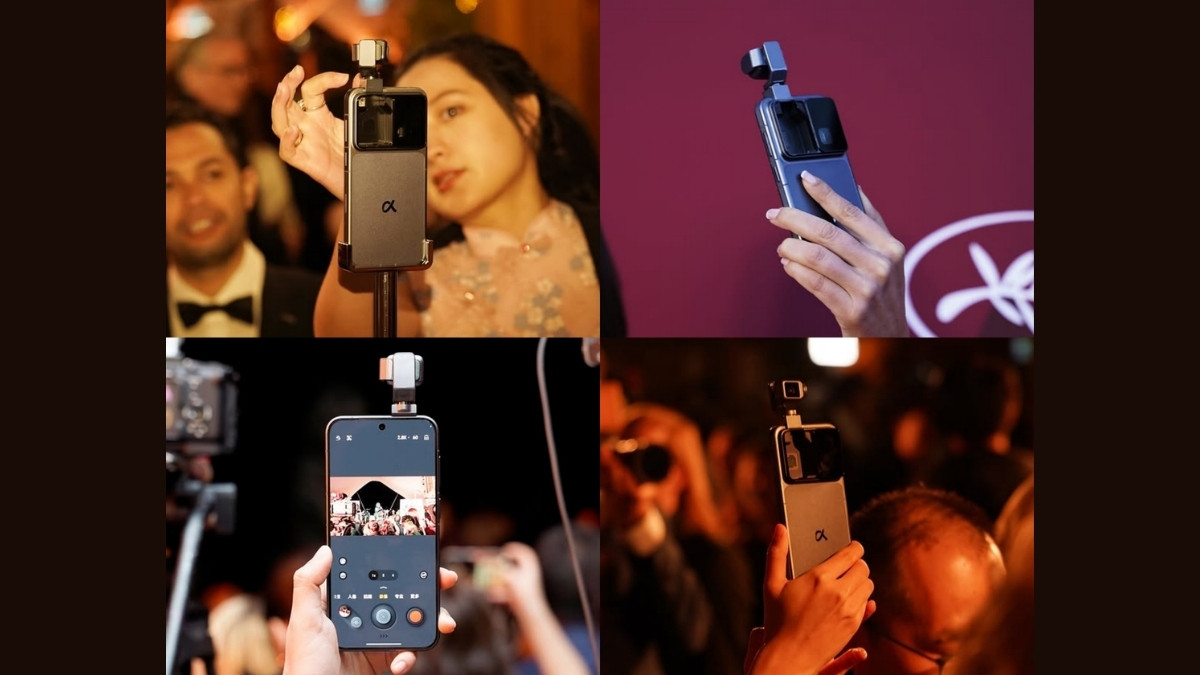
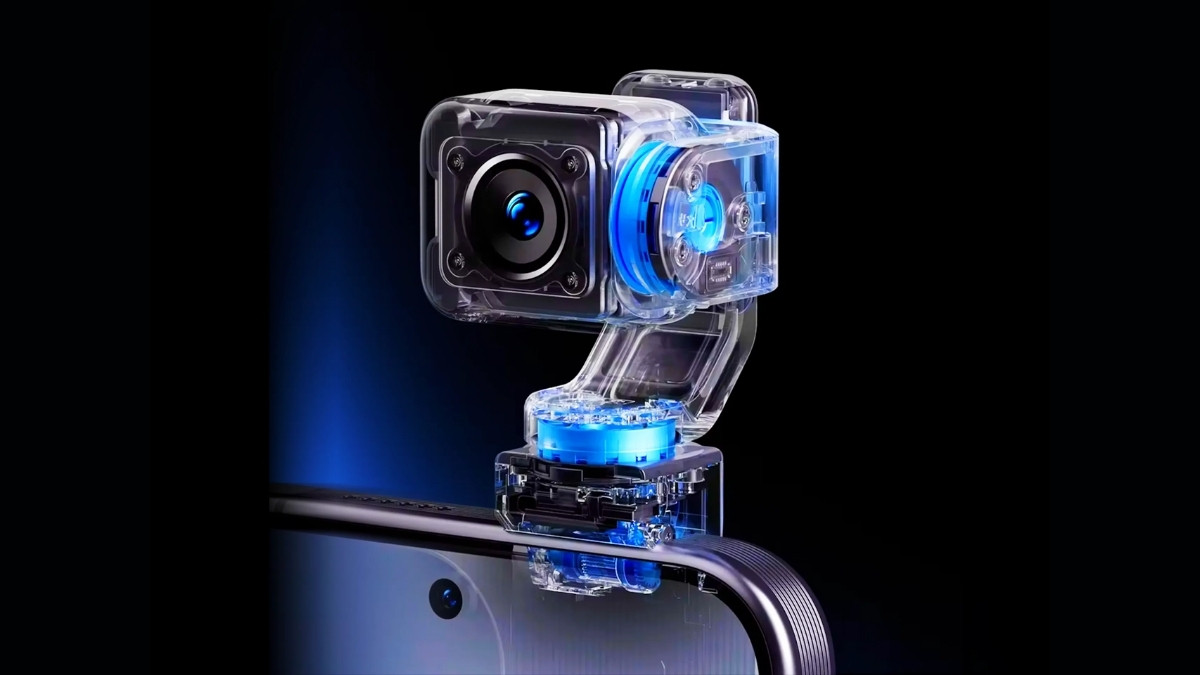
Ultra-miniature mechanical gimbal technology
The most significant technical highlight of the Honor Robot Phone is its 3-axis mechanical gimbal system with 4 degrees of freedom (4DoF). This marks the first time a complex physical stabilization mechanism, typically found in professional cameras, has been integrated directly into a slim and lightweight smartphone body.
To achieve this, Honor redesigned the custom micro-motors, reducing their size by up to 70% compared to conventional gimbal modules. This camera cluster not only provides stabilization but also interacts intuitively with the user through "nodding" or "shaking" movements to indicate its operating status.
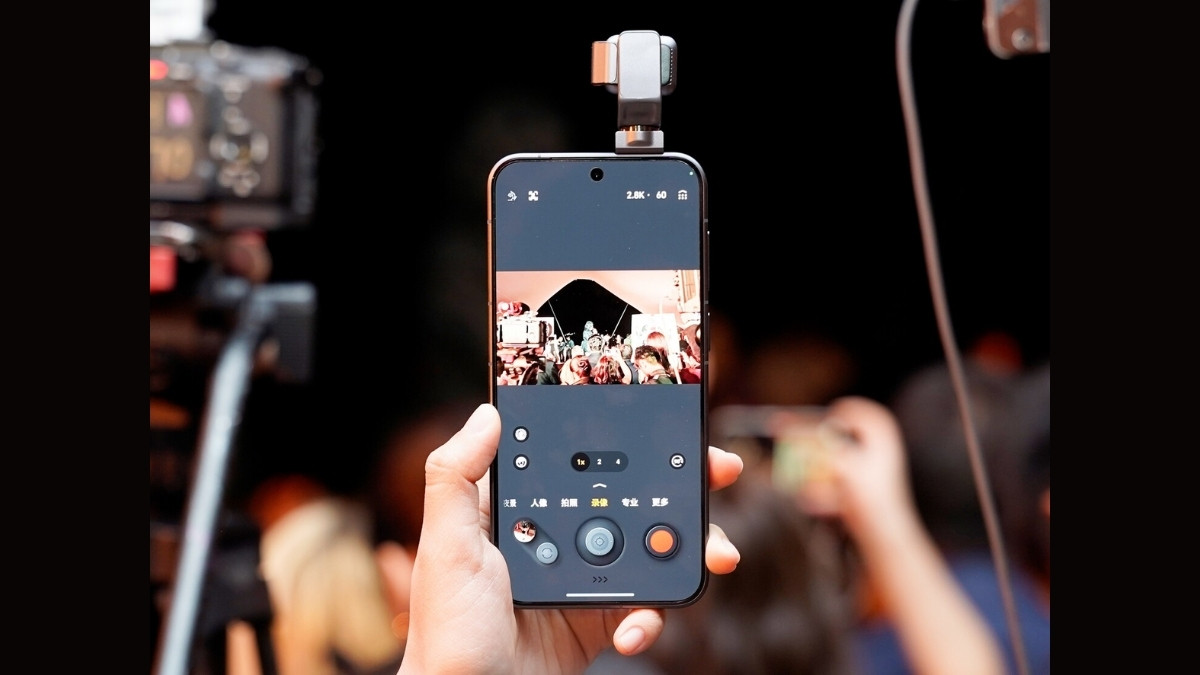
200MP optical system and Arri cinematic algorithm
Besides the motion mechanism, Honor equips the device with a main sensor boasting a resolution of up to 200MP. However, the real power lies in the combination of hardware and advanced image processing software:
- Collaborating with Arri:Honor has partnered with the renowned camera brand Arri to fine-tune cinematic color reproduction for its footage.
- AI Tracking:The intelligent tracking system locks onto the subject and automatically adjusts the frame in real time.
- AI SpinShot:This feature allows for smooth 90-degree camera rotations, simulating professional filmmaking techniques.
Competitive position and market challenges
With this configuration, the Honor Robot Phone not only competes with traditional flagship models like the Pixel 11 Pro but also directly threatens the market share of handheld camcorders like the DJI Osmo Pocket 4. Integrating a physical gimbal into a smartphone completely solves the anti-shake problem that conventional electronic image stabilization (EIS) or optical image stabilization (OIS) cannot achieve with the same level of perfection.
Below is a comparison table of the specifications between the Honor Robot Phone and a current high-end flagship model, the Xiaomi 17 Ultra, to clearly show their differentiating approaches:
| Parameter | Honor Robot Phone (Expected) | Xiaomi 17 Ultra |
|---|---|---|
| Main sensor | 200MP | 50MP (Large sensor) |
| Anti-vibration system | 3-axis mechanical gimbal (4DoF) | Traditional optical OIS |
| Special features | AI Interaction, Arri Color | Zeiss lens, 200MP periscope telephoto lens |
| Microprocessors | Next-generation flagship (2026) | Snapdragon 8 Elite Gen 5 |
| Battery capacity | Not yet announced | 6000mAh |

Prospects for content creators
The arrival of the Robot Phone is expected to spark a new race in mobile camera hardware. Instead of just competing on megapixel count or sensor size, Honor focuses on the actual filming experience. While the durability of the constantly moving mechanical components remains a question mark, this is clearly a bold move to transform smartphones into miniature professional filmmaking machines.


