
Are manual transmissions still faster than automatic transmissions?
Thanks to technological advancements and improvements, automatic transmissions have easily surpassed manual transmissions in terms of speed.
Nowadays, automatic transmissions are increasingly being chosen as standard by many manufacturers and are preferred by consumers, especially in many mainstream car models, due to their advantages of smooth gear changes and fuel efficiency.
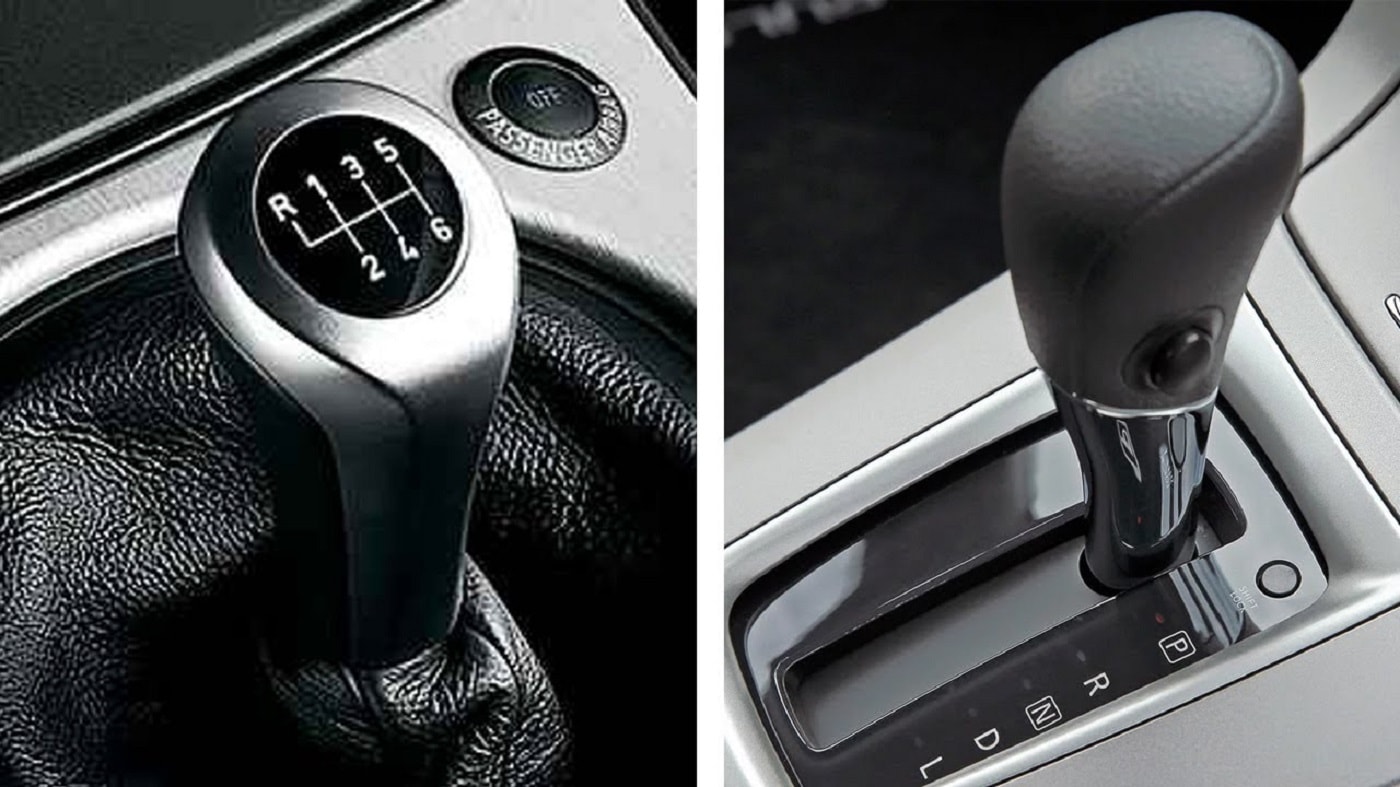
However, another question arises: will manual transmissions disappear? In fact, many manufacturers like Ferrari and Lamborghini are gradually phasing out manual transmissions on their models because these cars are quite niche.
Even now, manual transmissions are still the preferred choice for many car manufacturers. This is because customer demand in this segment goes beyond just transportation; many people also appreciate manual transmissions for the unique driving feel they offer, which is difficult to find with automatic transmissions.
Essentially, automatic and manual transmissions differ in how they control the clutch system, or the vehicle's clutch.
With automatic transmissions, the operation is primarily performed by automated mechanical and electronic systems. In contrast, with manual transmissions, the driver must manually operate the gears.
Distinguishing between automatic and manual transmissions is quite easy. While manual transmissions have three pedals: clutch, brake, and accelerator, and a clutch release pedal located next to the brake pedal, automatic transmissions only have an accelerator and brake pedal.
In addition, manual transmission vehicles require the driver to manually operate the gear lever, while automatic transmission vehicles automatically shift gears up and down according to speed and load.


