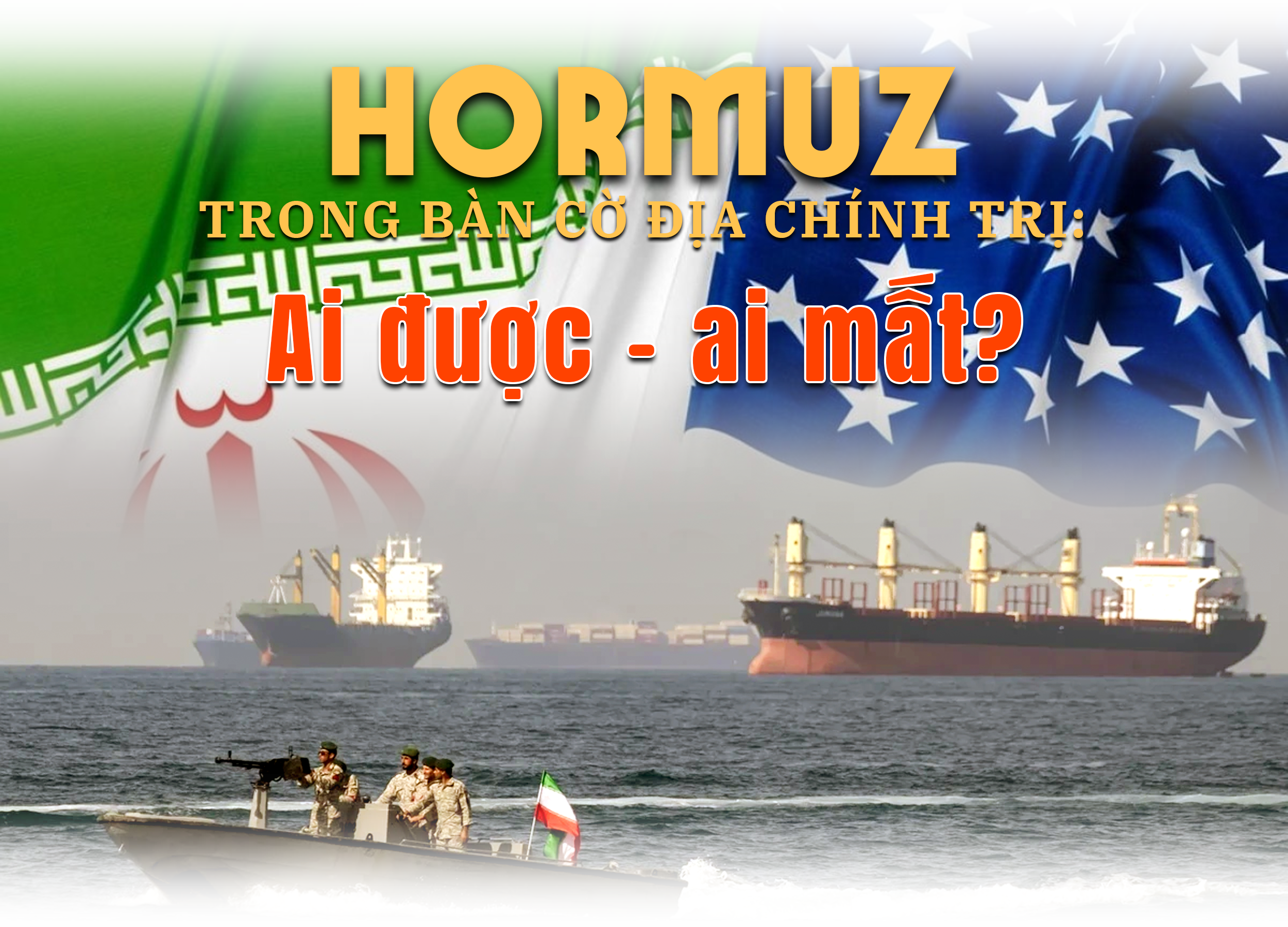
Hormuz in the geopolitical chessboard: Who wins – who loses?
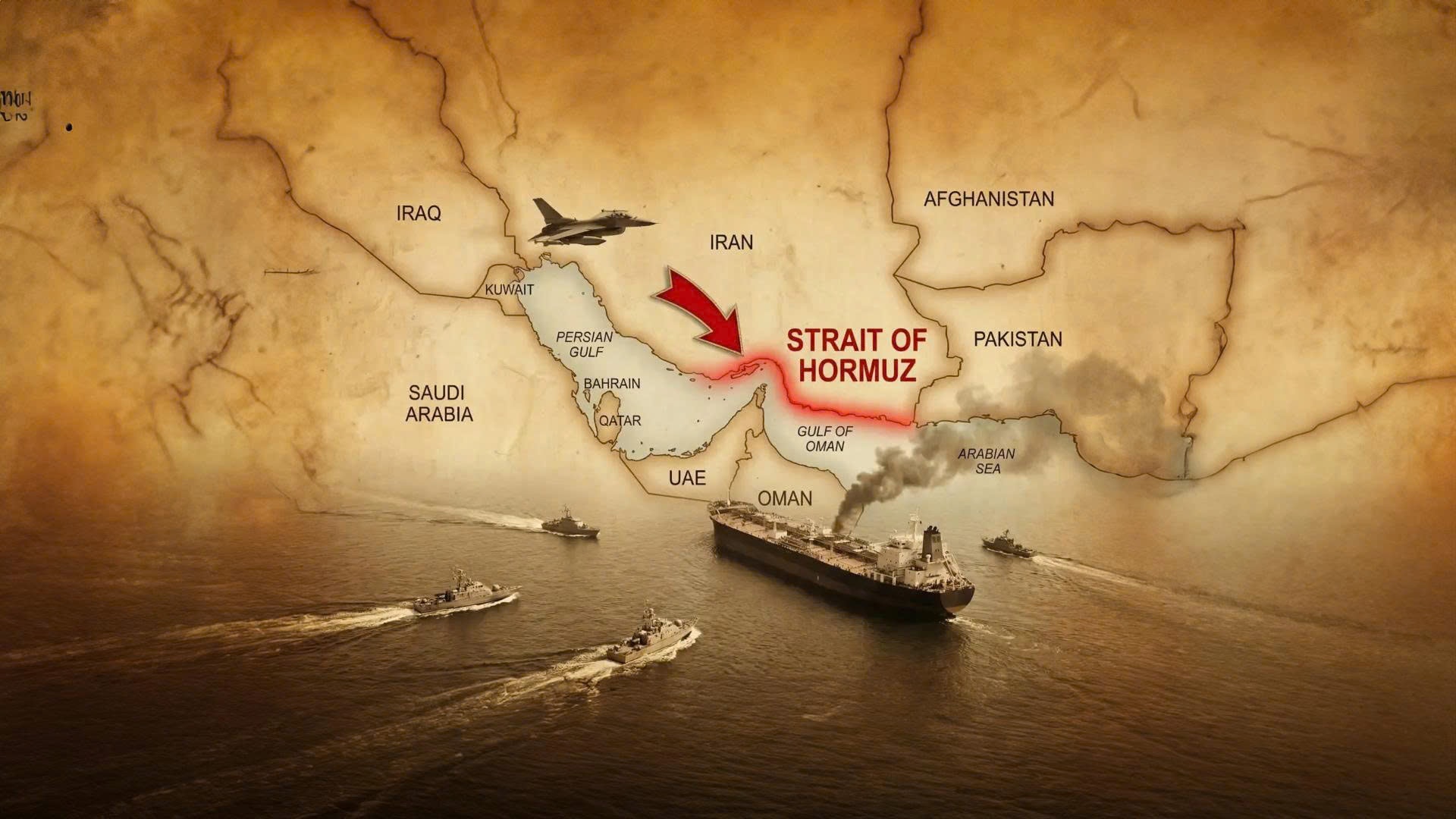
At its narrowest point, the Strait of Hormuz is only 33 kilometers wide, yet it holds the "heart" of the global economy. In recent days, the world has held its breath, watching every development at the Gulf gateway, as conflicting statements from US and Iranian officials, along with several attacks on commercial vessels, have turned the region into a focal point of global concern.
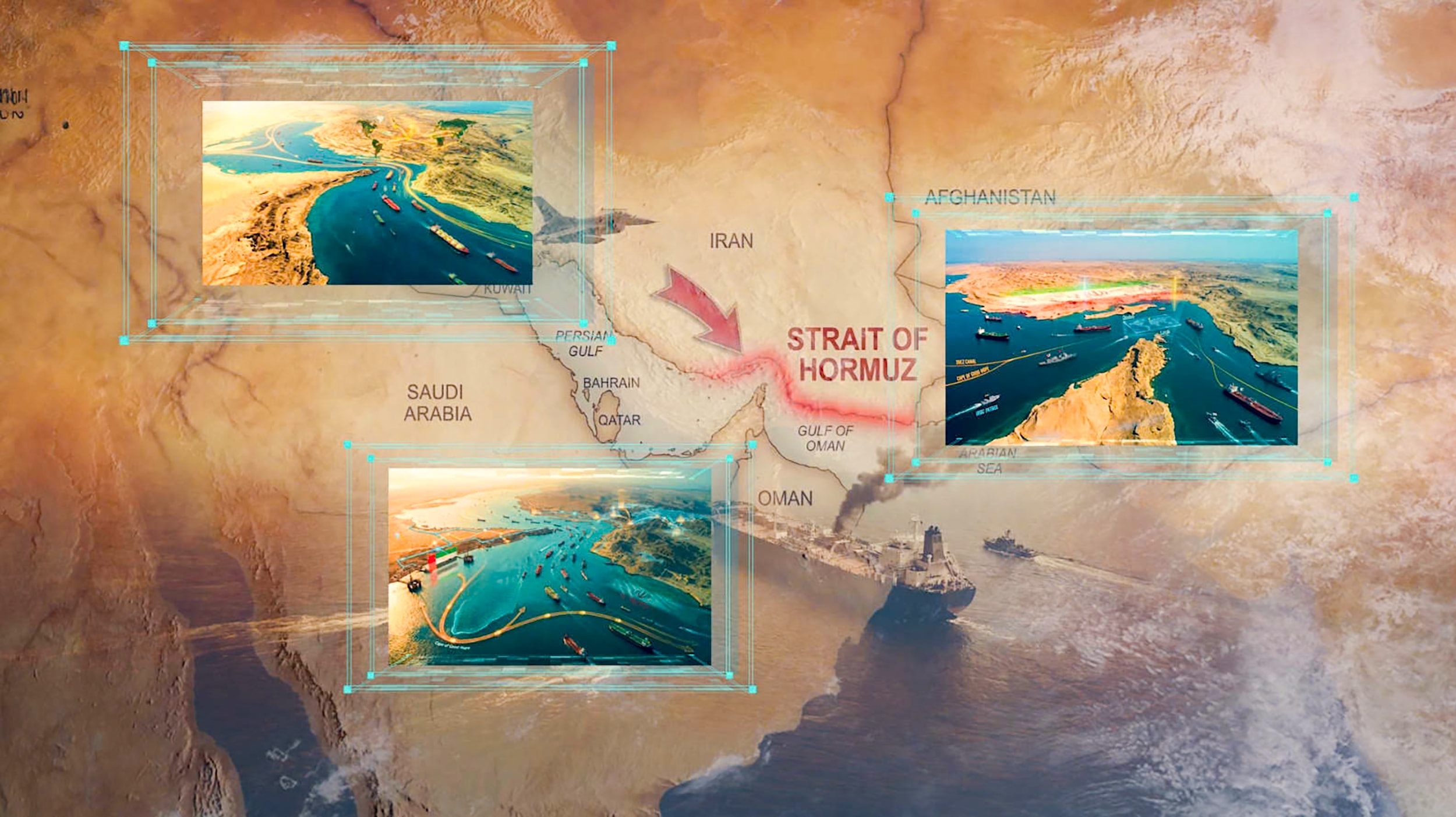
At its narrowest point, the Strait of Hormuz is only 33 kilometers wide, yet it holds the "heartbeat" of the global economy. In recent days, the world has held its breath, watching every development at the Gulf gateway, as conflicting statements from US and Iranian officials, along with several attacks on commercial vessels, have turned the region into a focal point of global concern.
The question now is: If there is no compromise or de-escalation from the US or Iran regarding the "closing" or "opening" of the Strait of Hormuz, what will happen when the flow of 20% of the world's oil is cut off? In this tense geopolitical battle of wits, who will gain the strategic advantage and who will pay the highest price?
Nghe An's newspapers, radio, and television stations conducted an interview with Mr. Pham Quang Vinh - former Vietnamese Ambassador to the United States and former Deputy Minister of Foreign Affairs of Vietnam.
Perform:Huong Giang - Truong Hang - Hoang Quan |
Present:Huu QuanApril 24, 2026

PV: Mr. Pham Quang Vinh, we recently witnessed Iran opening and then closing the Strait of Hormuz within just 48 hours. After negotiations in Pakistan failed, the US military deployed an aircraft carrier and directly participated in the blockade of Iranian seaports. In your opinion, did this move put Washington at risk?
Mr. Pham Quang Vinh:It's necessary to look at the overall developments since the conflict broke out on February 28th: the intense military attacks, Iran's reaction, the two-week ceasefire, the failed negotiations in Islamabad, and then the US increasing its blockade of the Strait of Hormuz.
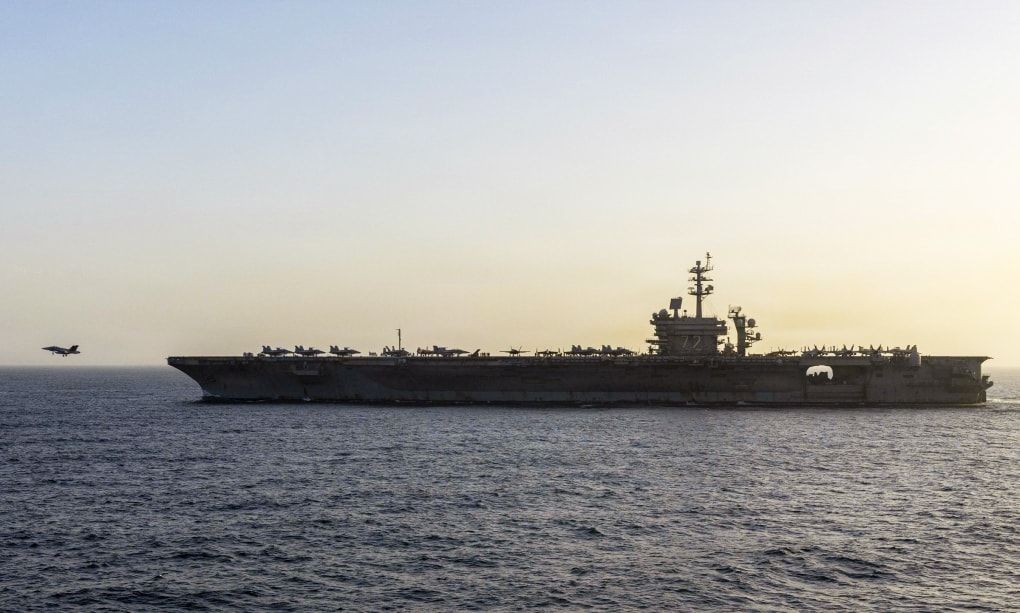
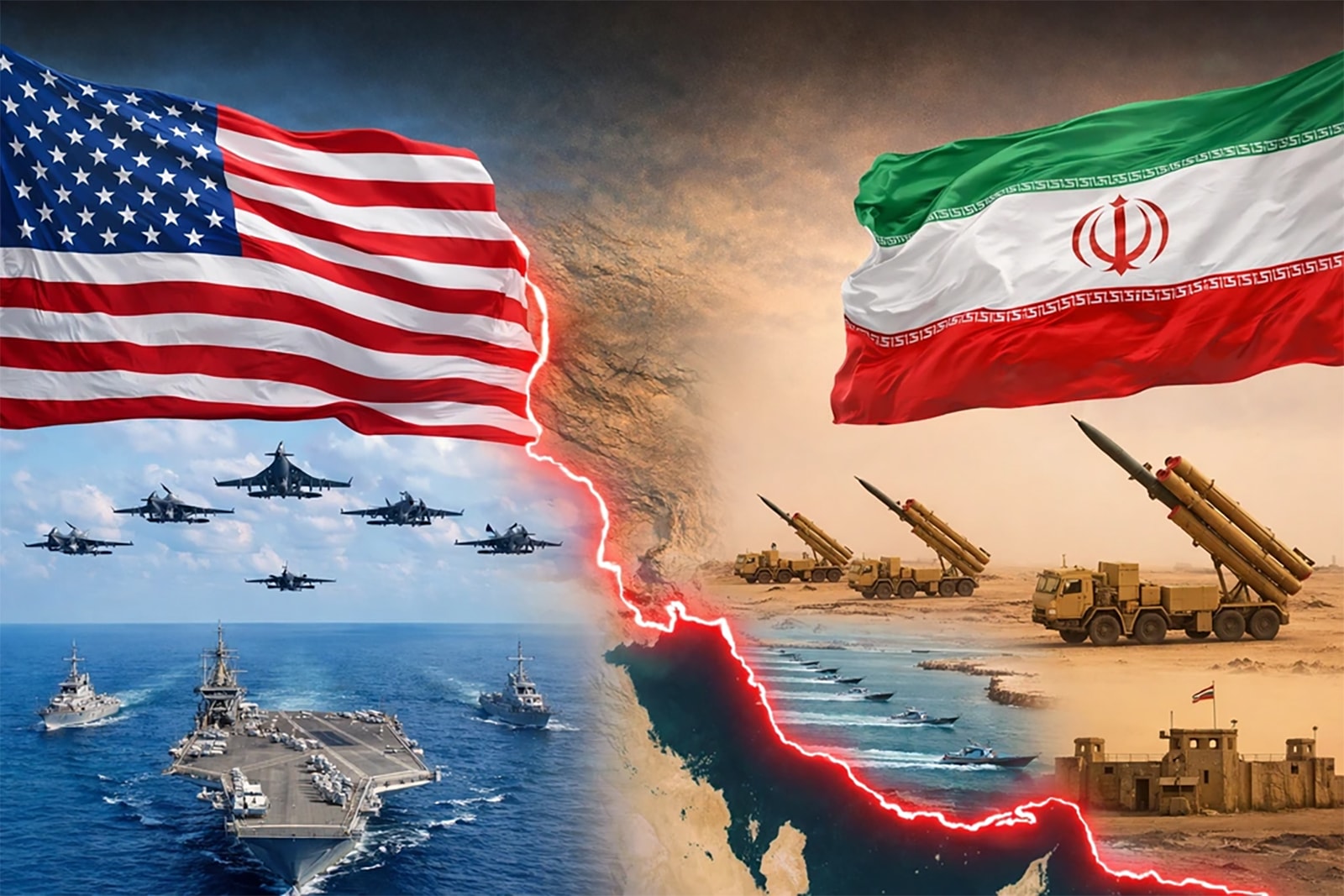
In my opinion, the US is using the blockade to put immense pressure on Iran. However, Iran is not directly confronting the situation but is instead exploiting it to make maritime security in the Strait of Hormuz a "hostage" of the conflict. If the US restricts shipping related to Iran, Tehran could completely paralyze the entire strait.
Thus, the disruption at Hormuz became a direct consequence of the US-Iran confrontation. From another perspective, the blockade served both as a tool for exerting pressure and as a way to avoid a full-scale military escalation, given that both sides had already suffered significant losses. However, it also carried the risk of retaliation, effectively holding this strategic shipping route hostage.
PV: Can you compare the current oil crisis to the 1973 crisis? Why, after more than half a century, is the Hormuz still a critical vulnerability for global energy security?
Mr. Pham Quang Vinh:Both crises were related to oil supplies from the Middle East – a region that provides about 20% of the world's oil. However, the geopolitical contexts were significantly different.
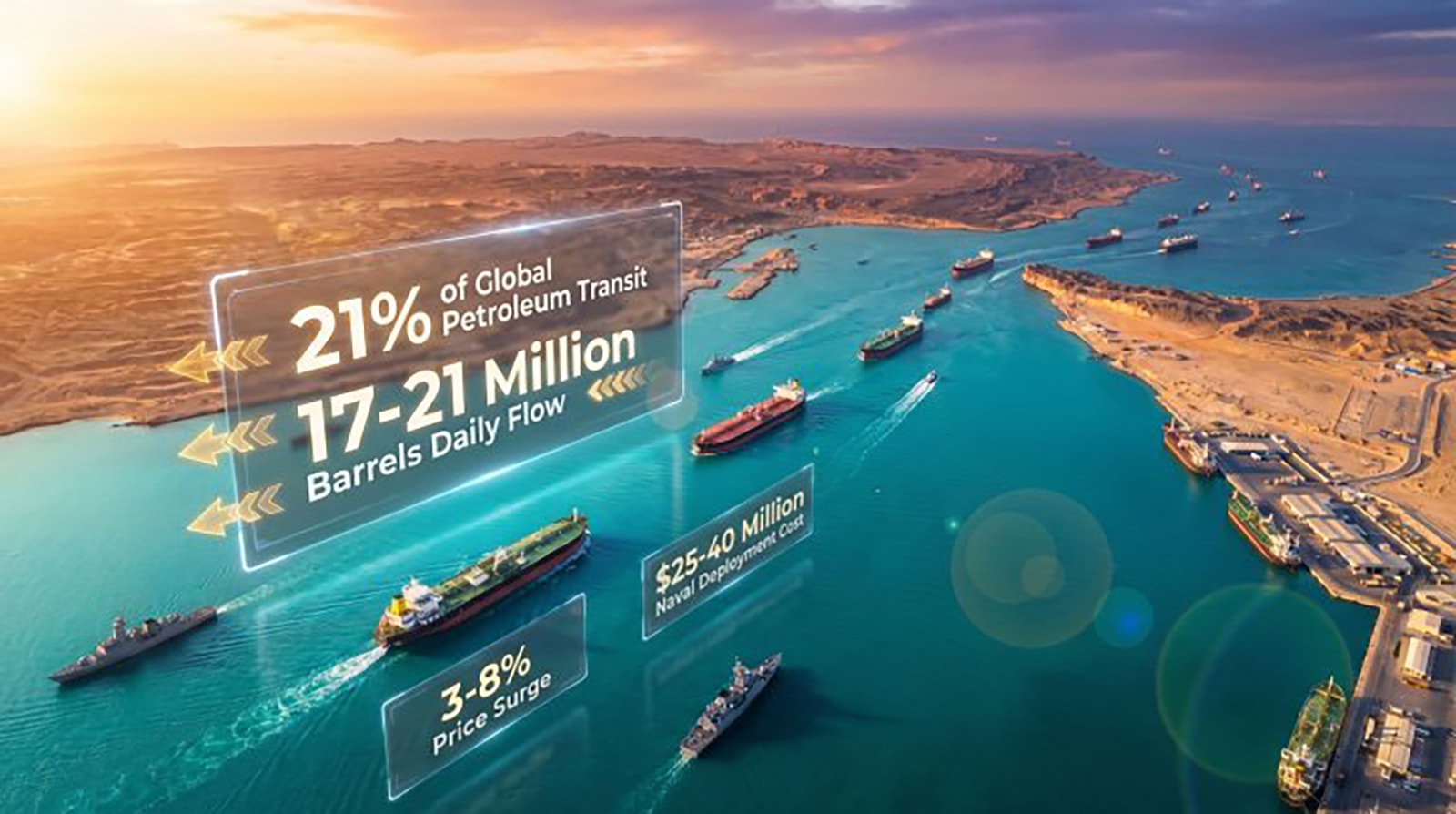
In 1973, the crisis stemmed from a deliberate embargo imposed by Arab countries on the US and the West. Currently, the main cause is the war, which has disrupted the shipping lanes through the Hormuz – meaning there is oil, but it cannot be exported.
A key difference is the export direction: Currently, about 80% of oil from this region is shipped to the Asia-Pacific, instead of primarily to the West as before. In addition, the conflict directly impacts production facilities in Qatar, Bahrain, and the UAE.
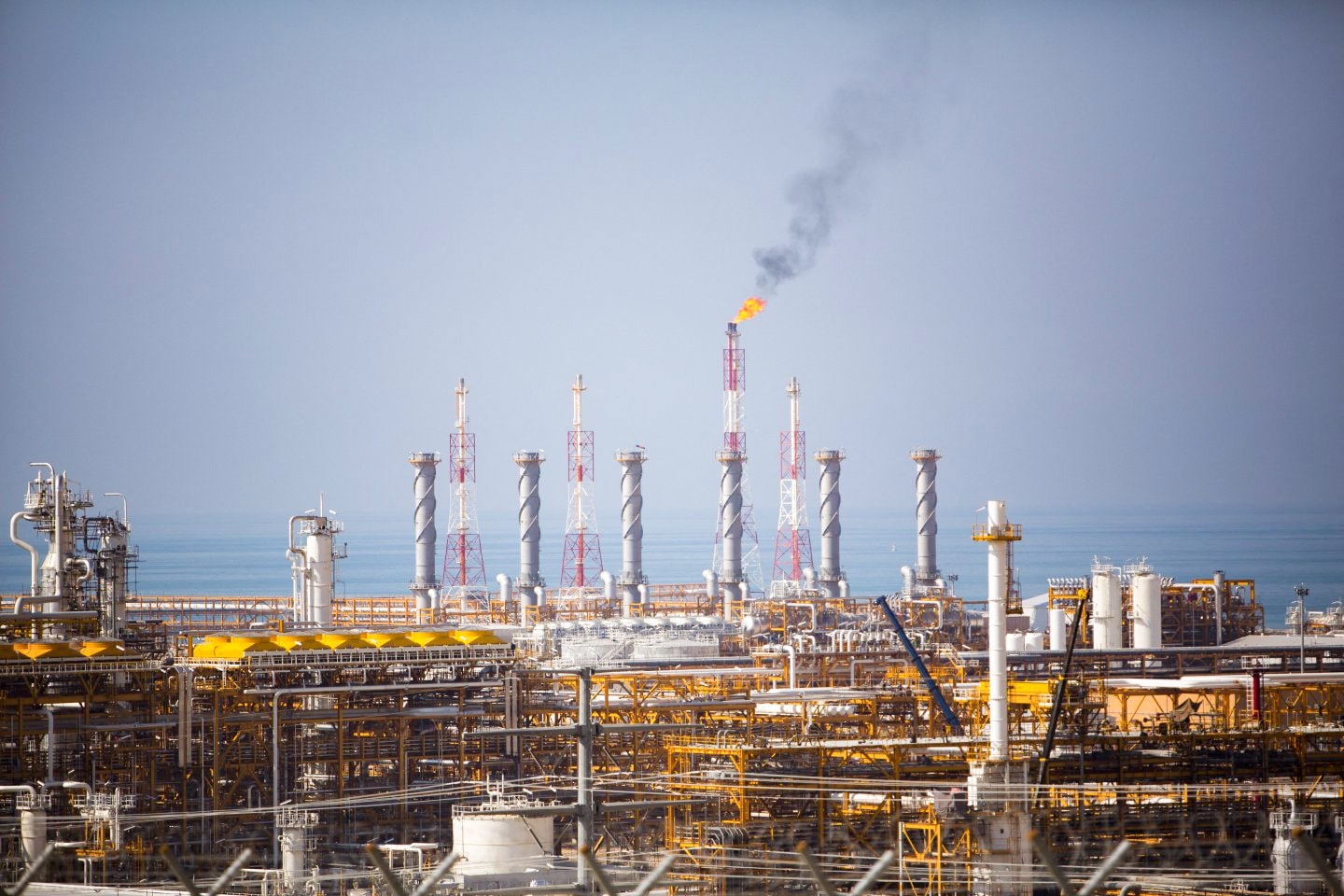
Financially, while 1973 saw a weakening of the USD and a shift of funds towards gold, the USD is now trending upwards – a very noteworthy difference.

PV: China and Russia have opposed a draft resolution on Hormuz at the UN Security Council, calling for restraint and diplomatic action. In your opinion, what role do these two countries play in the crisis?
Mr. Pham Quang Vinh:China and Russia oppose resolutions authorizing the use of “all necessary measures,” as this implies the use of force and could escalate tensions. Their position is to prioritize a political solution.
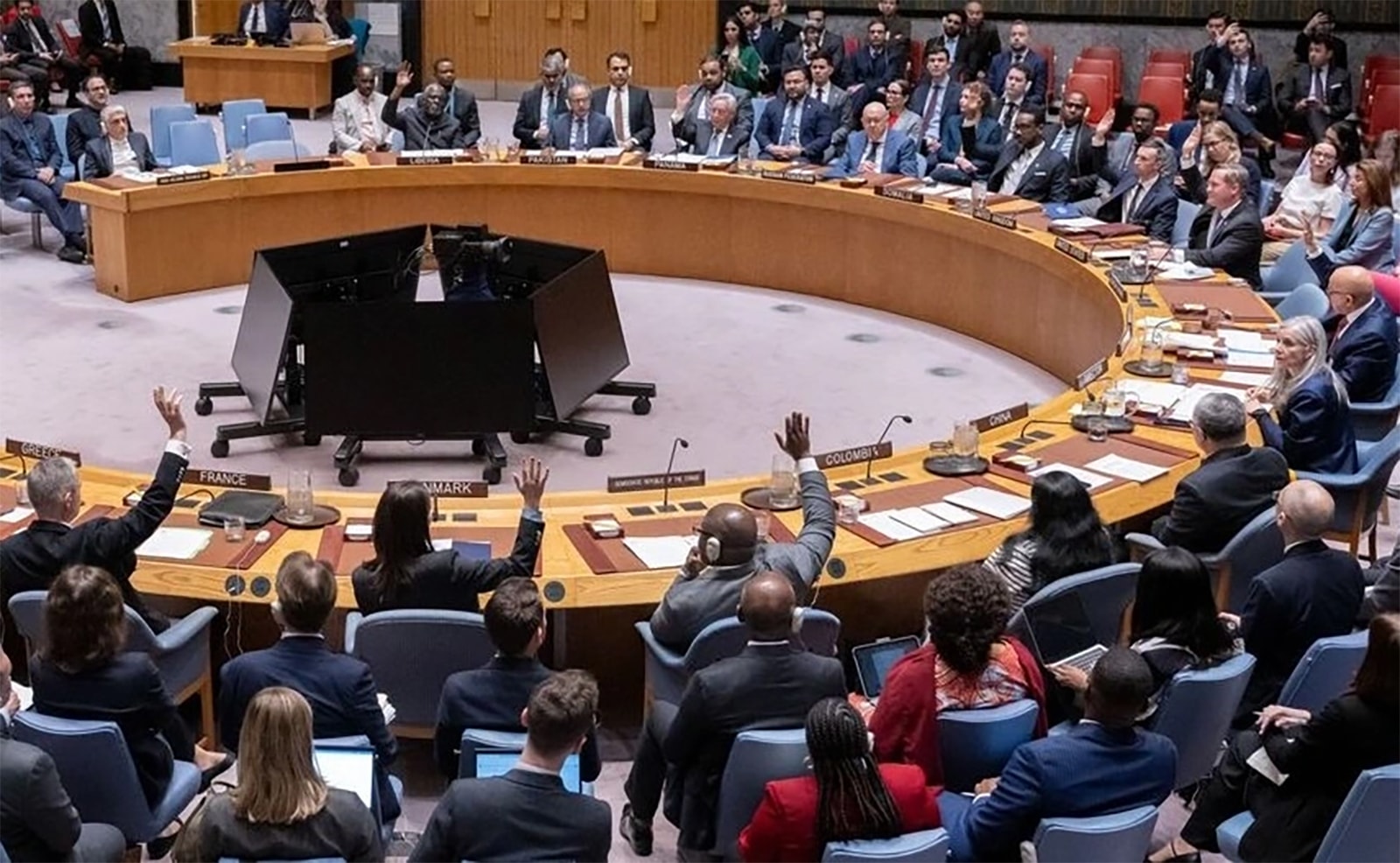
However, advancing negotiations is not simple, as it depends on the decisions of both the US and Iran. While there is information about the level of support for Iran, further monitoring is needed.
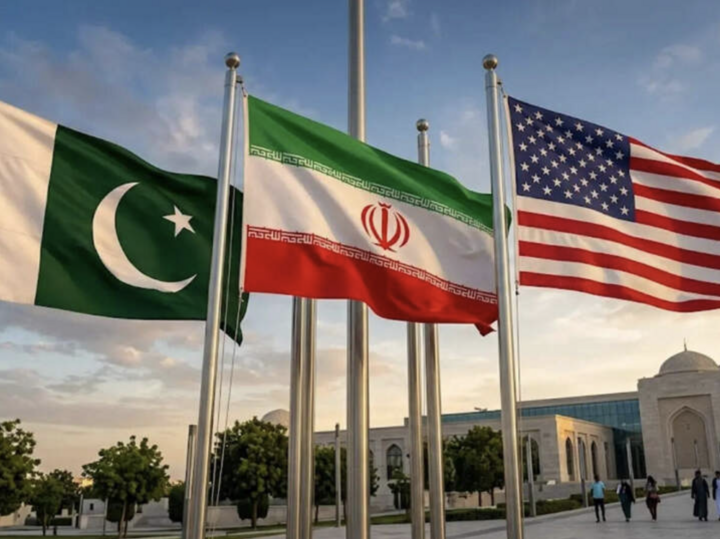
Notably, China played a mediating role, particularly through Pakistan, in bringing Iran to the negotiating table. Nevertheless, the US and Iran remained the two decisive factors.
PV: If the Hormuz system were disrupted for 3–6 months or shut down completely, how would the global energy order change? Are there any alternative transportation routes available?
Mr. Pham Quang Vinh:A disruption to the Hormuz cycle would have multifaceted impacts on the global economy: from growth, inflation, and exchange rates to financial markets.
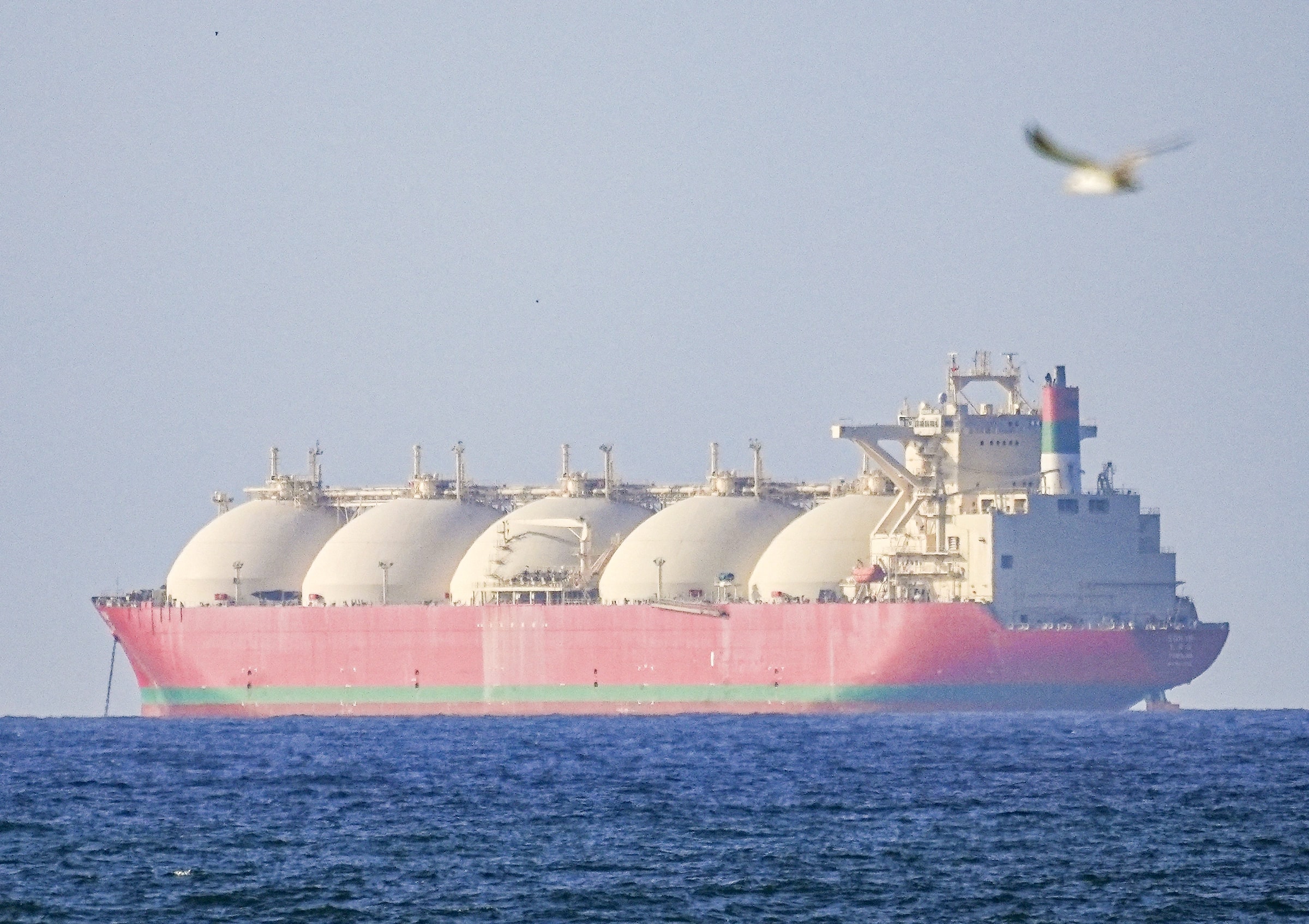
Currently, no other source of supply is capable of replacing 20% of the oil that passes through this strait. Options such as pipelines across the Caspian Sea or the Red Sea cannot meet the equivalent volume of transport.
Therefore, in the short term, there are almost no effective alternatives.
PV: When the Strait of Hormuz tightens, which countries could benefit and which economies would be most severely impacted?
Mr. Pham Quang Vinh:This crisis affected the entire global economy. However, the Gulf countries suffered the most, experiencing both disruptions to production and the inability to export oil – their primary source of revenue.
Asian countries that rely on energy imports are also facing difficulties. Some countries with large reserves, such as China and Japan, may be able to weather the storm in the short term, but many Southeast Asian countries will be affected immediately.
.png)
On the "beneficiary" side, the US could benefit relatively from its large reserves, export capacity, and strong dollar. Russia could also sell oil at higher prices, but remains constrained by other factors.
Overall, neither side truly "wins".

PV: What scenarios does he predict could unfold in the near future?
Mr. Pham Quang Vinh:There are three main scenarios:
Scenario 1:A strong military escalation – at worst, with serious consequences for the region and the globe.
Scenario 2:If a political agreement is reached – in the most positive scenario – Hormuz could be reopened.
Scenario 3:The stalemate continues – no major outbreaks, but disruptions persist.
I expect that mediation efforts from Pakistan, Egypt, Türkiye, and the role of China can promote dialogue, reduce tensions, and gradually restore traffic flow through Hormuz.
PTV: Clearly, the Strait of Hormuz is not just a shipping lane, but also a sensitive "balancing act" in the modern world order. In this geopolitical game, the line between winners and losers is extremely thin.
A lockdown might offer a temporary tactical advantage, but the price could be a global energy crisis from which no nation can escape. And the greatest “loss,” ultimately, is the stability and peace of humanity.
We would like to express our sincere gratitude to Mr. Pham Quang Vinh for participating in this interview with Nghe An Newspaper and Radio & Television.