The Huawei Mate 90 features a detachable lens and a groundbreaking Kirin chip with LogicFolding architecture.
The Huawei Mate 90 flagship series is notable for its camera system that supports detachable optical accessories and its new generation Kirin processor, which utilizes advanced logic circuit stacking techniques.
The Huawei Mate 90 series is becoming the focus of the tech world with leaks revealing a comprehensive overhaul in photography capabilities and processing performance. Following the strategy from the Pura 90 series, Huawei plans to expand its ecosystem of dedicated accessories, transforming its highest-end flagship line into a device that incorporates the most advanced camera technologies.
The camera ecosystem supports interchangeable lenses and true optical zoom.
The most notable feature of the Huawei Mate 90 is its compatibility with detachable teleconverters. These clip-on optical accessories multiply the focal length of the original lens, providing true optical zoom capabilities instead of relying on digital cropping algorithms or artificial intelligence (AI).
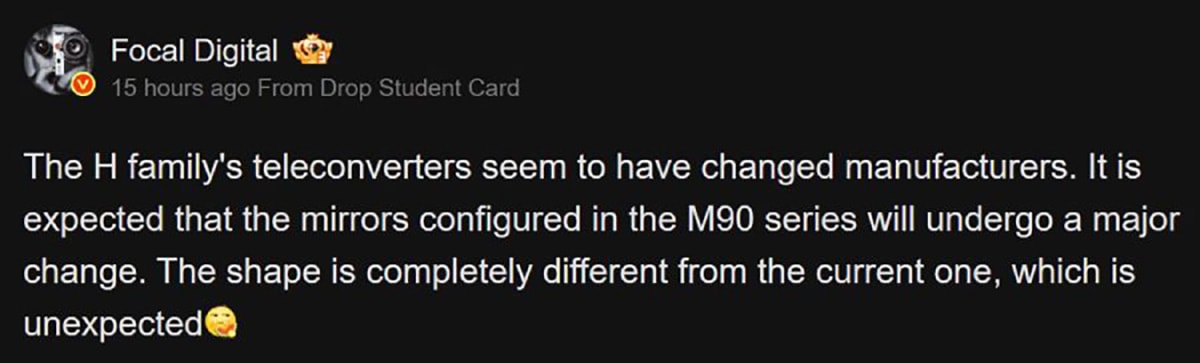
The addition of detachable optical accessories is seen as a strategic move by Huawei, given that the internal camera hardware of smartphones is gradually reaching its physical limits. This solution provides users with a more professional experience, especially in telephoto and portrait photography.
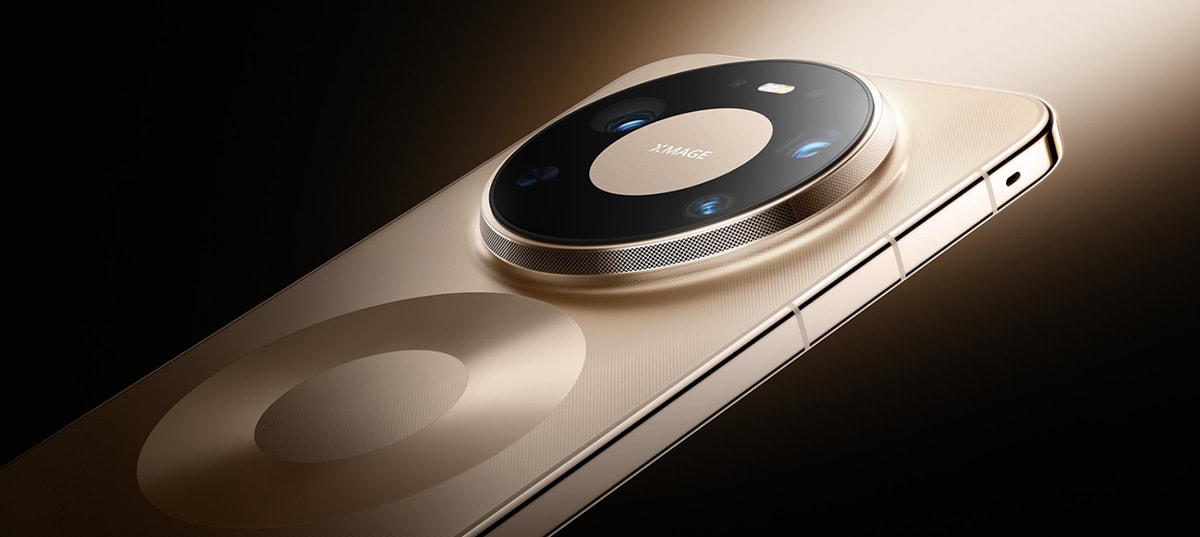
Upgrade the dual periscope camera system.
Besides detachable accessories, the internal camera structure of the device has also received significant improvements. High-end versions such as the Mate 90 Pro Max and Mate 90 RS may be equipped with a dual periscope telephoto camera system. Some prototypes show optical zoom capabilities of up to 10x, promising to make this series one of the best smartphones for telephoto photography on the market upon release.
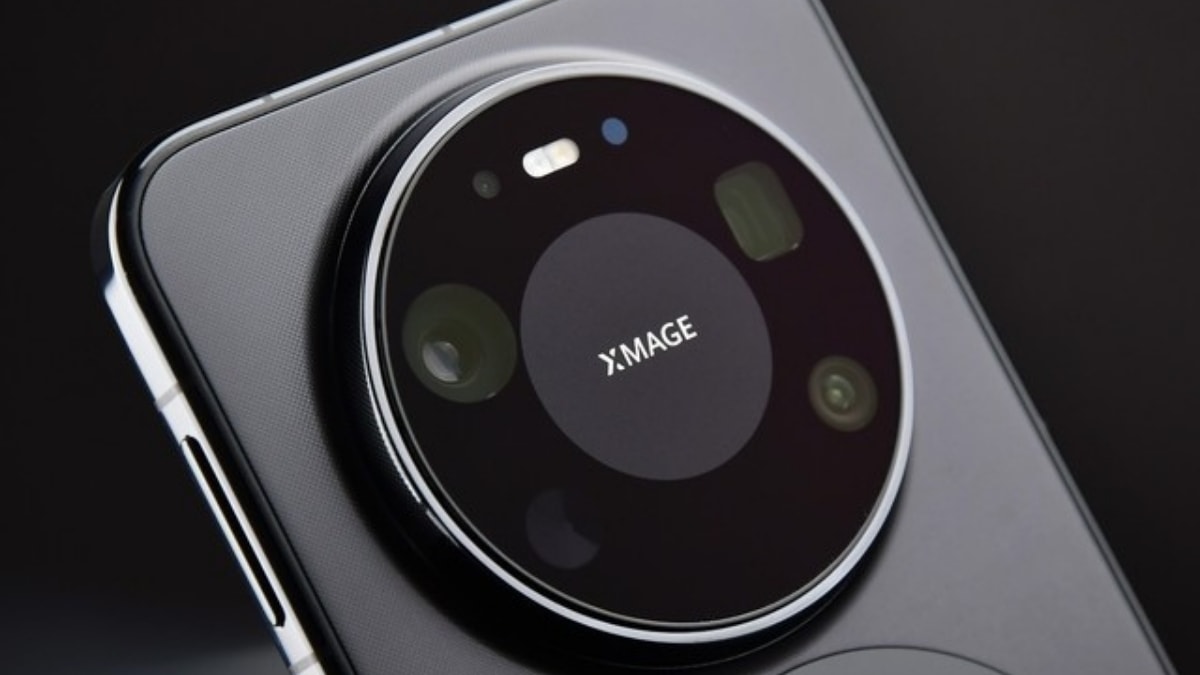
Breakthrough performance from the new Kirin chip architecture.
In terms of processing power, the Mate 90 series is expected to integrate the next-generation Kirin chip based on LogicFolding architecture. Instead of simply focusing on miniaturizing transistors in the traditional way, this design stacks critical logic circuits vertically, increasing transistor density by up to 53.5%.
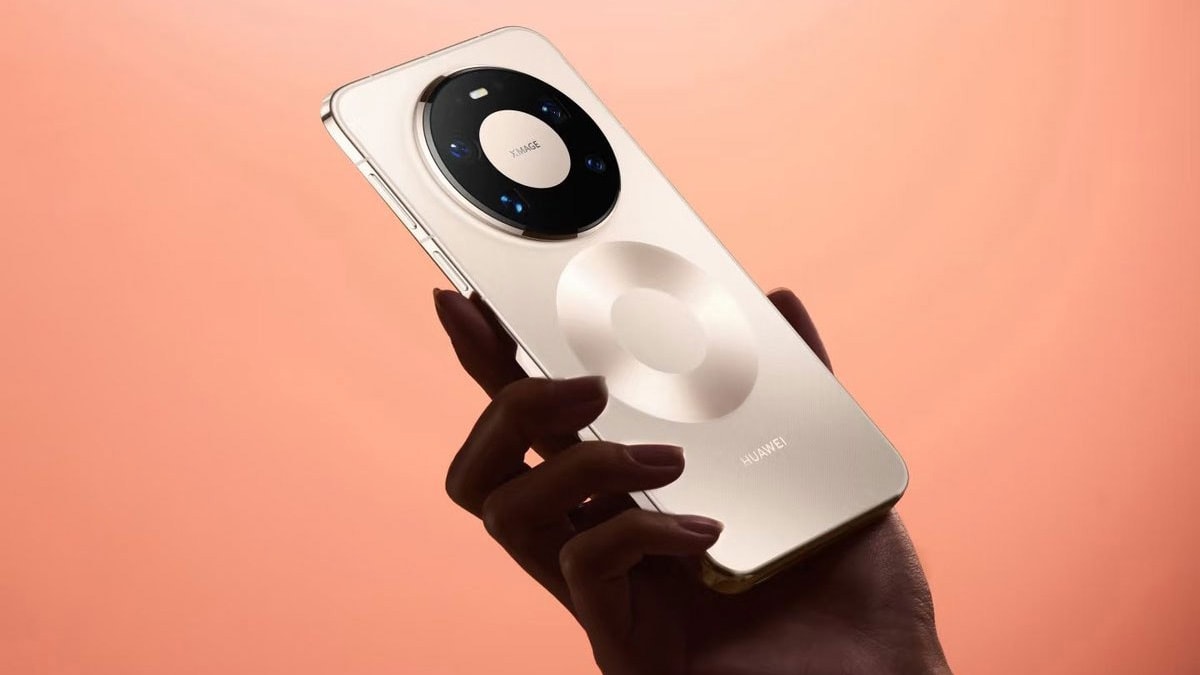
Leaked specifications suggest that energy efficiency on high-performance cores could improve by 41%, while maximum clock speeds could increase by approximately 12.7%. These improvements are expected to bring Kirin chip performance closer to Intel's 18A process and TSMC's first-generation 3nm technology, strengthening Huawei's semiconductor technology autonomy.
Expected release date
Huawei has revealed a launch timeline for the Mate 90 series in the fall of 2026. Based on the tradition of launching the Mate 80 series in November, it is highly likely that the successor generation will also be unveiled around the same time, with a new design to better be compatible with the expanded camera ecosystem.