
Hue: Recreating the solemn Nguyen Dynasty pole-raising ceremony to welcome the Year of the Horse 2026.
On the morning of February 10th, at the Hue Imperial Citadel, the Hue Imperial Citadel Relics Conservation Center organized the traditional ceremonial raising of the ceremonial pole, marking the beginning of a series of activities celebrating the Lunar New Year of the Horse 2026.
On the morning of February 10th, in the solemn setting of the Hue Imperial Citadel, the Hue Ancient Citadel Relics Conservation Center organized a reenactment of the "thuong neu" (erecting the ceremonial pole) ritual, following the customs of the Nguyen Dynasty. This is a key cultural activity to kick off a series of events celebrating the Lunar New Year 2026 (Year of the Horse), while also attracting a large number of locals and tourists to experience the atmosphere of Tet (Lunar New Year) in the past.
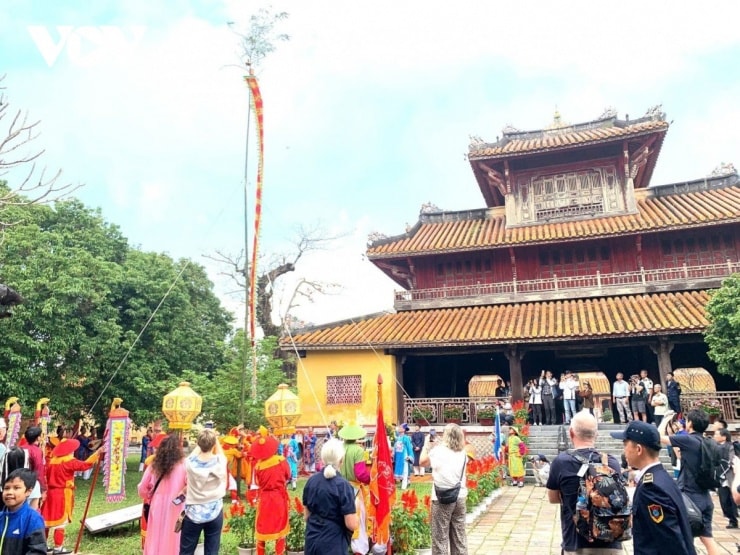
The formal ceremonial procedures at the Imperial Palace
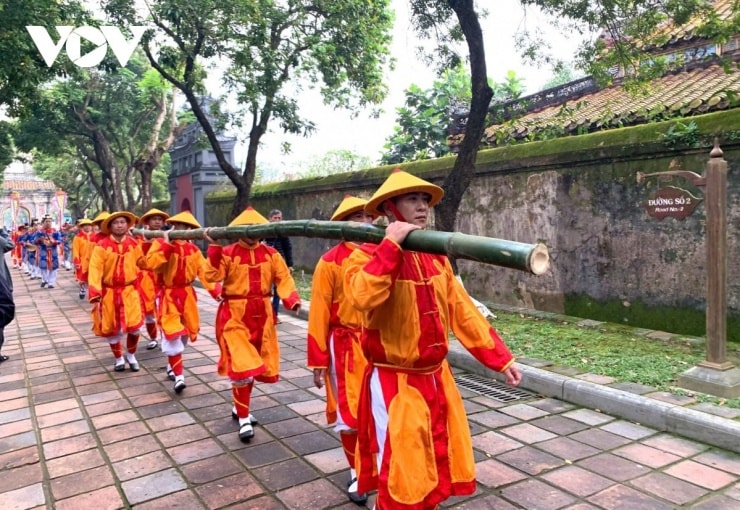
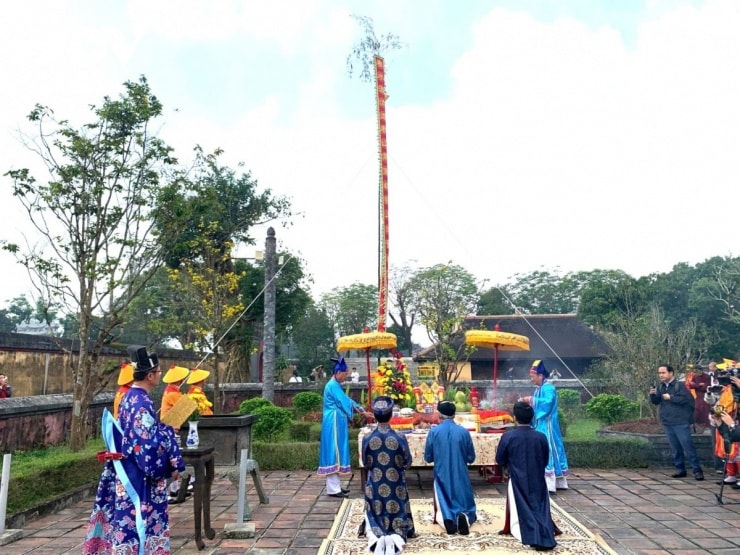
The ceremony begins with a procession carrying the ceremonial pole from Hien Nhon Gate towards Trieu Mieu and The Mieu. The pole is chosen from a tall, thick, and straight old bamboo tree. The ceremonial team includes guards carrying the pole, along with the ceremonial team and the royal court's music band, all performing to the majestic sounds of Nha Nhac (court music).
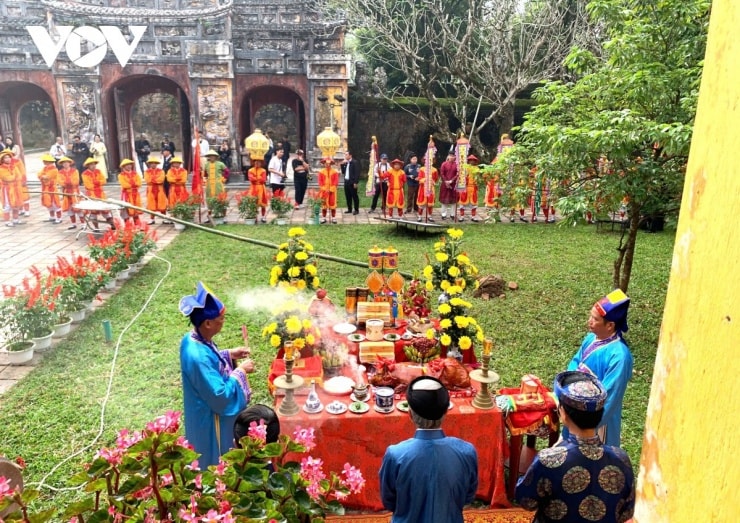
At the location where the ceremonial pole was erected, altars were fully set with offerings. The attendants and the orchestra performed the rituals of bowing, welcoming the deities, and celebrating with great care. After completing the spiritual procedures, the guards proceeded to erect the sturdy ceremonial pole, officially signaling that the Tet atmosphere had spread throughout the imperial palace.
The symbolic meaning of "sealing" the Lunar New Year.
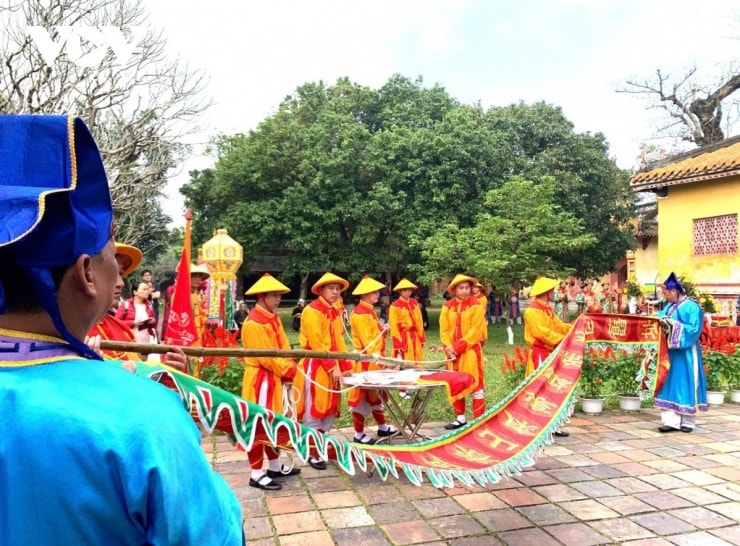
A unique aspect of the New Year's pole-raising ceremony in the Hue imperial palace is the hanging of symbolic items on the pole's top, including seals, insignia, and the four treasures of the scholar's study. This act symbolizes "sealing," signaling the court's temporary suspension of administrative work to enter the Tet holiday period, which lasts from the 23rd day of the 12th lunar month to the 7th day of the 1st lunar month.

Historically, during the Nguyen dynasty, only after the ceremonial pole was erected in the palace did people outside begin to perform this ritual in their homes, marking the uniformity in cultural life between the royal family and the common people. The ceremonial pole is not only a symbol of warding off evil spirits but also an important milestone in the spiritual life of the Vietnamese people.
Connecting heritage with modern travel experiences.
Mr. Nguyen Phuoc Hai Trung, Deputy Director of the Hue Imperial City Relics Conservation Center, shared that this activity not only recreates history but is also a highly interactive cultural performance. Through it, tourists can immerse themselves in traditional colors, recalling old values amidst the busy modern pace of life.
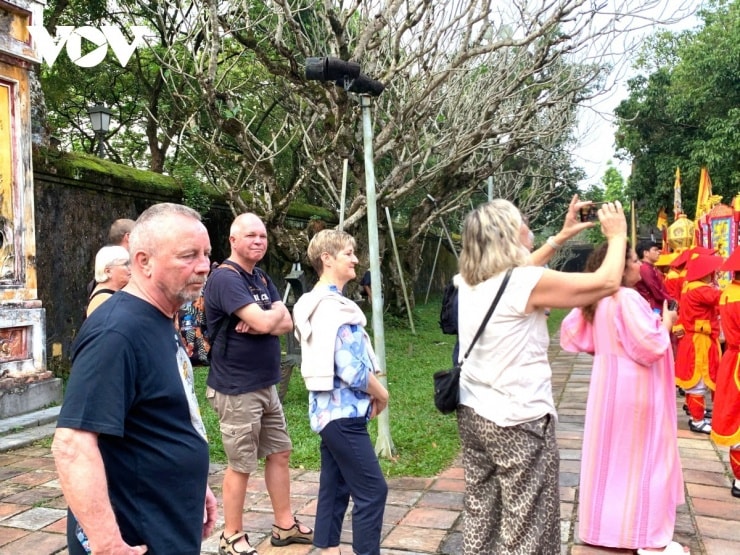
For many visitors, this is a rare opportunity to witness a part of the royal court ceremony firsthand. Ms. Hoang Hai Y Nhi, a first-time visitor, expressed her impression of the lively yet ancient atmosphere, which helped her better understand the traditional Tet customs of the ancient capital.
Maintaining and restoring the ritual of erecting the New Year's pole not only contributes to preserving Hue's cultural heritage but also creates a unique tourism product, educating the younger generation about their national origins during each traditional Tet holiday.


