
Green livelihoods in the mountainous region of Nghe An
Thanks to the National Target Program for socio-economic development in ethnic minority and mountainous areas (2021-2030), projects developing valuable medicinal plant cultivation areas along the value chain are opening up opportunities for entrepreneurship, attracting investment, and creating sustainable livelihoods in the highlands.
Macadamia, velvet antler, ginseng… take root in the forest soil
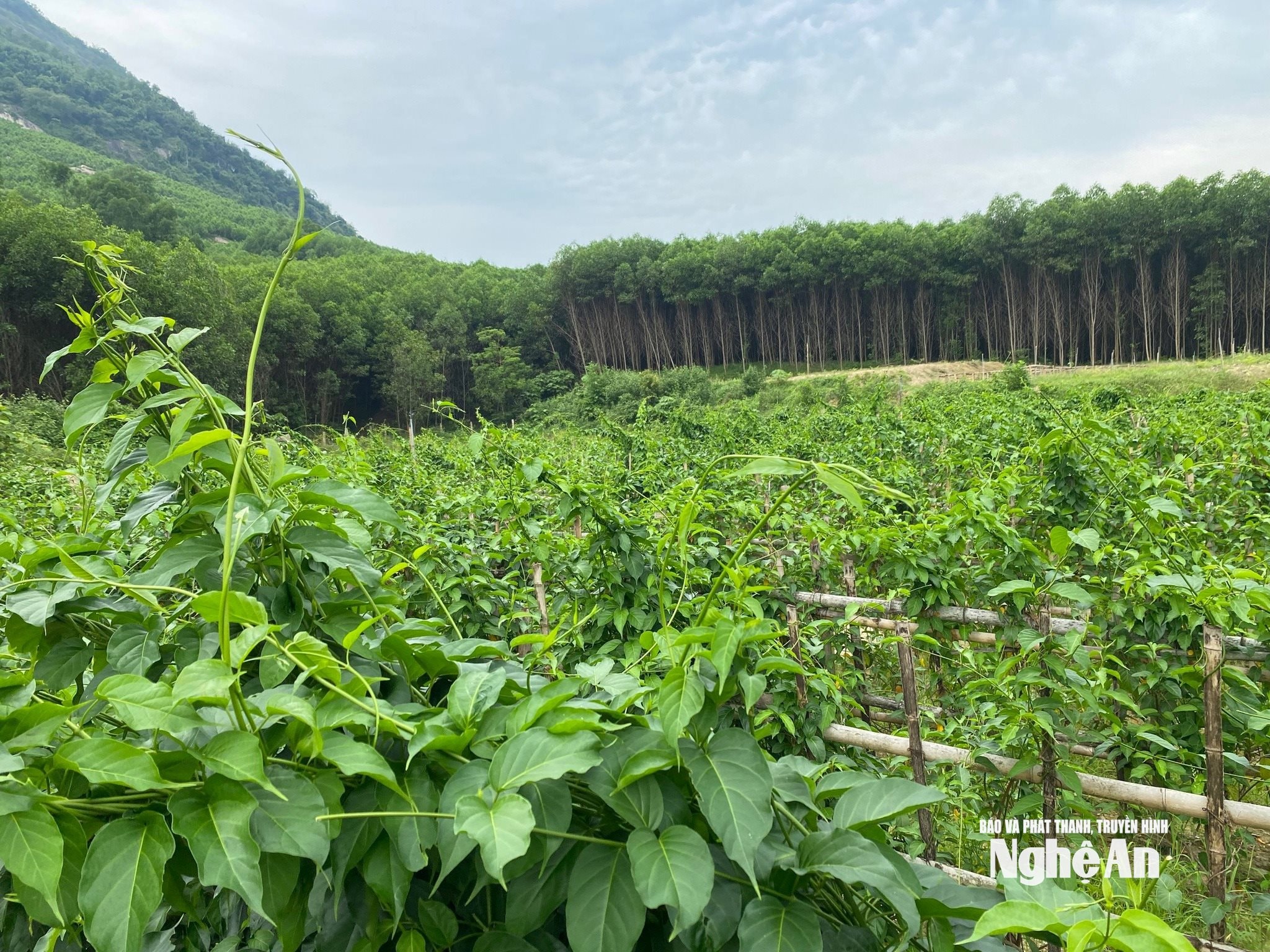
Mr. Quang Van Thanh, head of Muong Piet village, Thong Thu commune, enthusiastically led us to visit his newly planted macadamia orchard, which is just over a year old. Rows of lush green macadamia trees are stretching across the hillside. “Recently, six households in the village received support for planting under the Program 1719 project, and I planted 300 trees myself. The trees have taken root well, the survival rate is very high, and they promise to bear fruit in a few years,” Mr. Thanh said excitedly.
Since macadamia trees were introduced, the people of Muong Piet, Muong Phu, and Na Luom have gained renewed confidence in a new economic direction. The commune authorities have also stepped in, coordinating with specialized agencies to organize training, provide technical guidance, and encourage people to utilize unproductive vacant land and hillsides for conversion. To date, 29 households in the commune have planted macadamia trees with funding from the National Target Program. People receive seedlings, fertilizers, technical guidance on cultivation, and a stable market for their produce, so everyone feels secure and committed to long-term cultivation.
Also within the framework of the National Target Program for socio-economic development in ethnic minority and mountainous areas, Muong Xen commune is implementing a model of cultivating purple cardamom, opening up opportunities for sustainable poverty alleviation for dozens of Mong households. With a total support fund of 660 million VND, 70 poor and near-poor households received seeds, fertilizers, and training in planting and caring techniques. Nearly 70,000 purple cardamom plants were planted interspersed in peach orchards, under the canopy of secondary natural forests and 2-3 year old planted forests, with a survival rate of over 95%. This plant not only brings high economic value but also contributes to forest conservation, fire prevention, and erosion control thanks to its well-developed root system and water-rich stem.
According to calculations, when entering the stable harvesting phase from the third year onwards, the yield reaches about 1-1.5 tons of fresh fruit per hectare, generating an income of 50-70 million VND, many times higher than growing corn or cassava. Thanks to intercropping with other plants, purple cardamom also creates a multi-layered vegetation ecosystem, both protecting the environment and helping the soil become loose and retain moisture well.
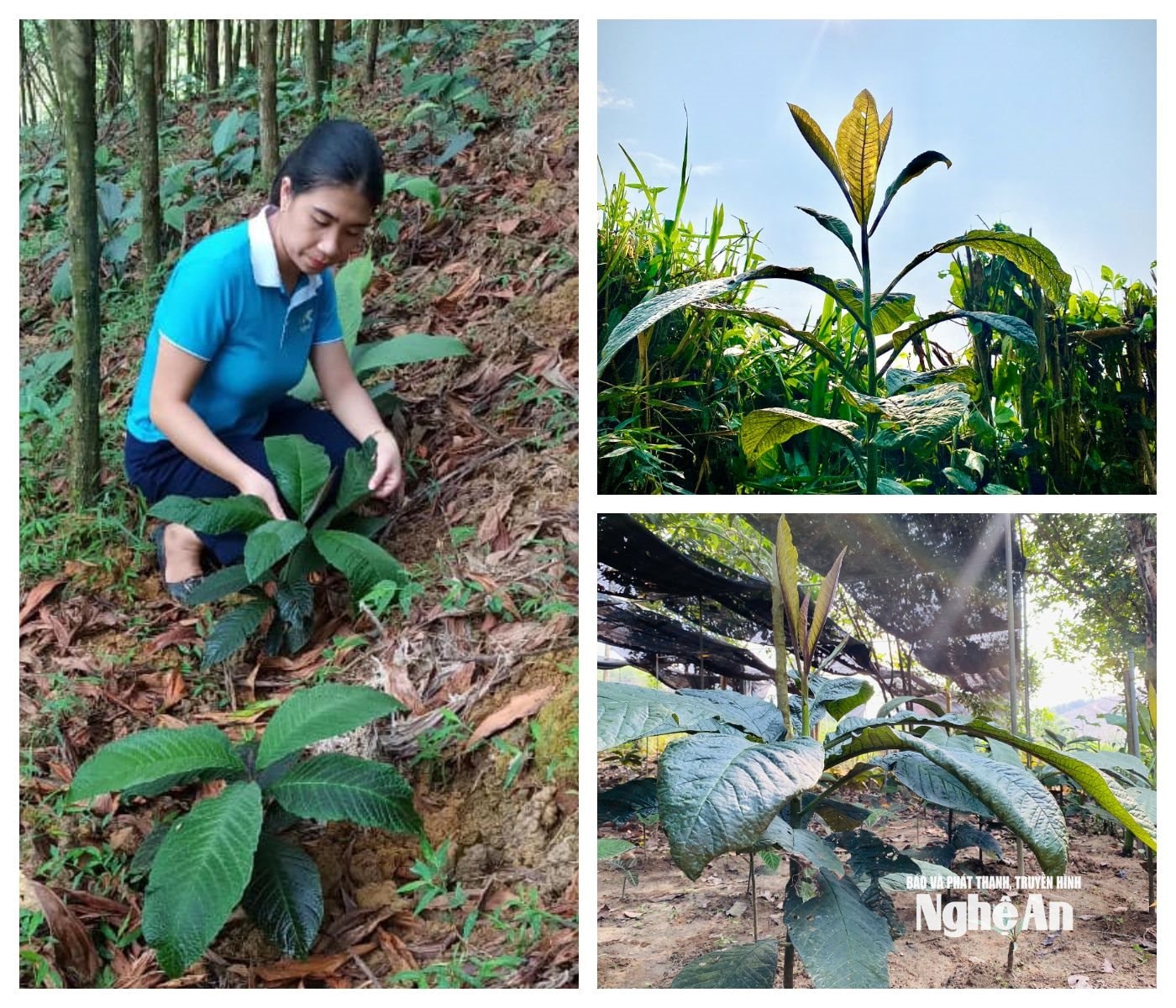
Currently, in the highland communes of the former Tuong Duong district such as Yen Hoa, Yen Na, Nga My, Tam Thai, etc., many households are utilizing forest and hill areas to cultivate medicinal plants. Within the framework of Project 3 on sustainable agricultural and forestry production development, leveraging local potential and strengths to produce goods along the value chain, two medicinal plant cultivation models have been implemented with 35 participating households. In Yen Hoa commune, over 3 hectares of purple velvet leaf (Khôi nhung tía) are planted under the canopy of the Săng lẻ forest; all the plants are thriving, growing rapidly, with a survival rate of nearly 100%.
Nearby, in the natural forests of Coc and Yen Tan villages, people are planting more medicinal herbs like Codonopsis pilosula and golden flower tea. After three years of implementation, Yen Hoa commune has over 9 hectares of various medicinal plants, a valuable resource supporting nearly 100 poor and near-poor households. Planting medicinal plants under the forest canopy not only provides people with stable income but also contributes to forest protection and creates sustainable livelihoods. These medicinal plant cultivation models, although newly implemented, have opened up a new direction for the mountainous economy. From relying solely on acacia, corn, and cassava, people now have access to high-value crops, helping to efficiently utilize land, reduce poverty sustainably, and create a foundation for the development of a green economy and forest economy.
KCreating a sustainable medicinal plant value chain.
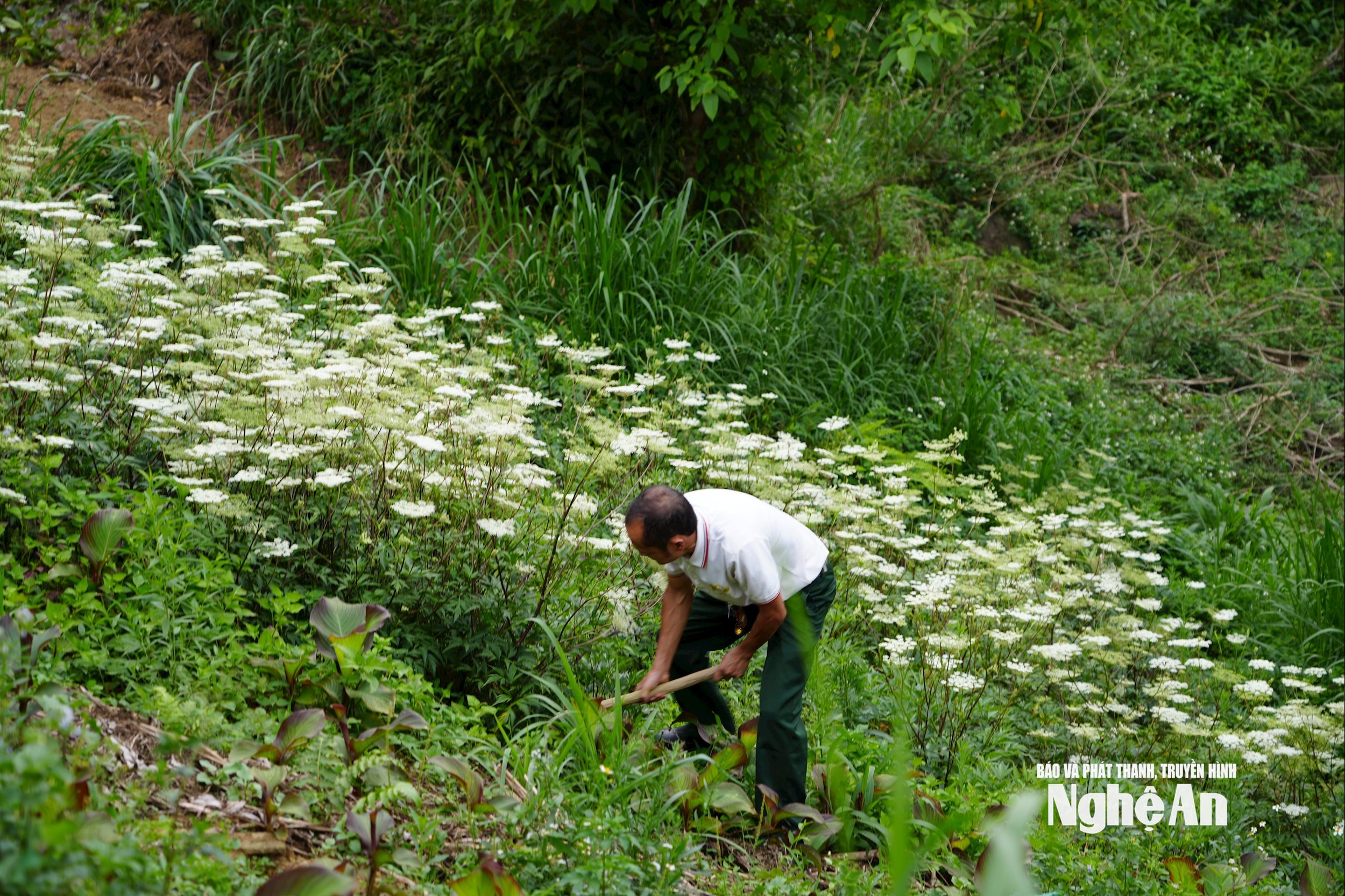
With over 1,000 species of rare and valuable medicinal plants, Nghe An is considered a "green treasure" of the country. Implementing Sub-project 2, Project 3 of the National Target Program for socio-economic development in ethnic minority and mountainous areas for the period 2021-2030, the development of valuable medicinal plant cultivation areas along the value chain has helped awaken this potential, transforming forests into a "source of income" for the people. Currently, the entire province has established over 1,450 hectares of medicinal plant cultivation areas. These include large-scale crops such as passion fruit, gac fruit, turmeric, and cardamom; scattered cultivation of cinnamon, *Cinnamomum cassia*, and shallots in the midland and mountainous regions; and traditional Vietnamese medicinal plants such as *Sophora japonica*, *Solanum nigrum*, *Plantago major*, *Gynostemma pentaphyllum*, and *Lysimachia nummularia*, serving the domestic market.
In particular, rare species such as Puxailaileng ginseng, seven-leaf one-flower ginseng, golden orchid, Eucommia ulmoides, and purple cardamom have also been experimentally cultivated in high mountainous areas. These results demonstrate efforts to establish concentrated medicinal plant raw material areas, creating a closed production chain from planting and harvesting to processing and consumption. In reality, income from medicinal plants is many times higher than that from traditional crops, with some achieving economic efficiency 10 times greater than corn and cassava, helping people to become wealthy right on their homeland.
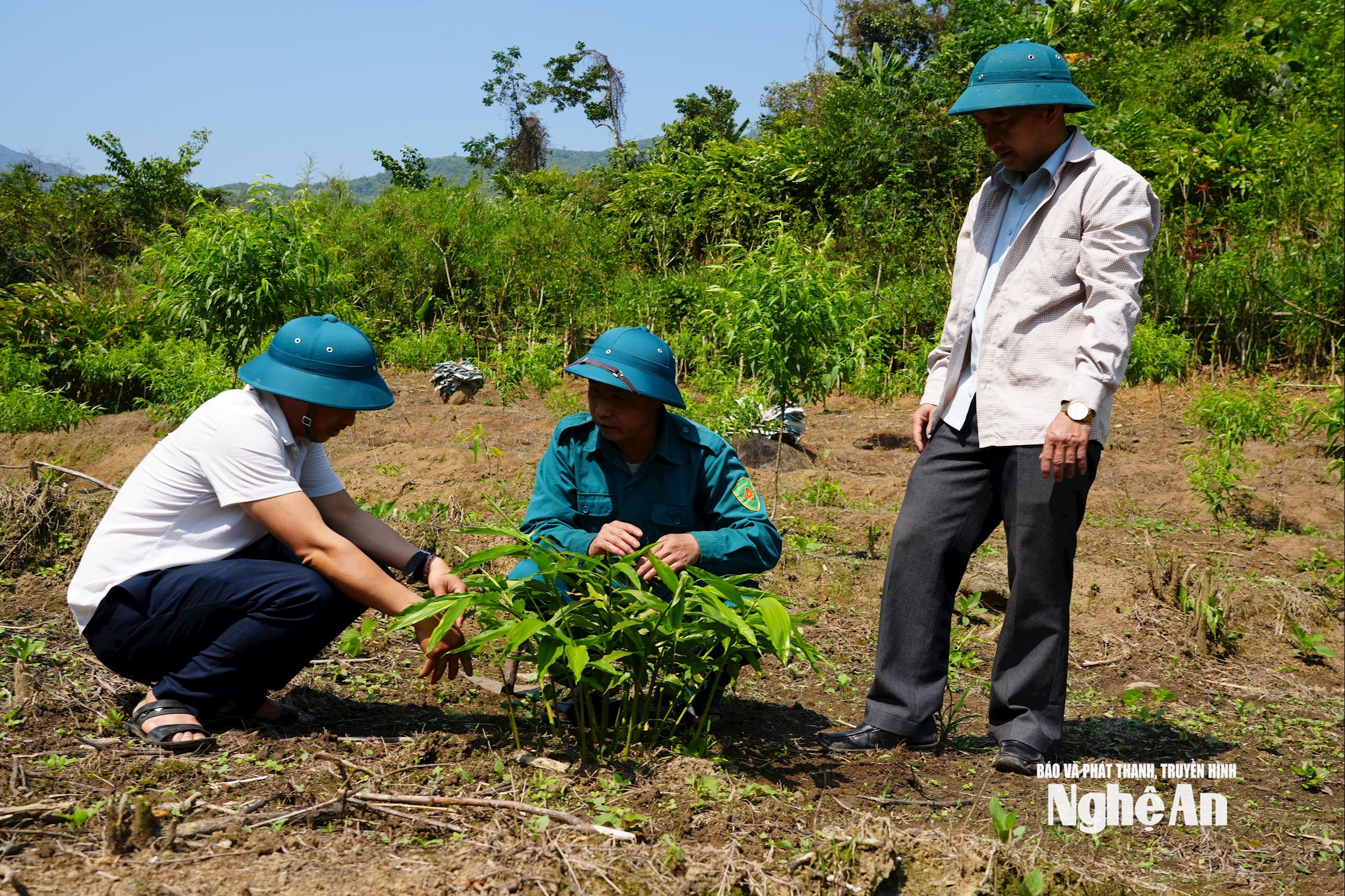
However, medicinal plants require significant initial investment, complex cultivation and care techniques, and lack adequate infrastructure in the growing areas. Therefore, attracting businesses to link production, processing, and product distribution has become a crucial step. This is also the direction Nghe An province is focusing on in the 2021-2025 period to form a sustainable medicinal plant value chain. To date, many large enterprises in the province have invested in this field, such as Nghe An Pharmaceutical Company, TH Group, HUDI Company, Pu Mat Medicinal Plant Company, Kim Son Company, and Vietnam Ngoc Linh Ginseng Pharmaceutical Group, covering nearly 2,000 hectares.
Projects are implemented in the form of production linkages and product buyback agreements, creating stable outlets for farmers and encouraging entrepreneurship and investment in the highlands. Many cooperatives and individual businesses also proactively cultivate, harvest, and process medicinal herbs, creating a widespread production network that contributes to increasing the value of local products. Plants such as *Ba kích* (Radix Polygoni multiflori), *Sa nhân* (Radix Amomum xanthioides), *Hà thủ ô đỏ* (Radix Polygonum multiflorum), and *Khôi tía* (Rhizoma Curcumae longifolia) are intercropped under the canopy of natural forests, providing additional employment for people while contributing to biodiversity conservation.
Simultaneously, numerous scientific programs and support projects have helped in seed production, quality analysis, and technology transfer to growing areas, aiming to standardize products to meet GACP-WHO standards, paving the way for Nghe An's medicinal herbs to reach domestic and export markets.
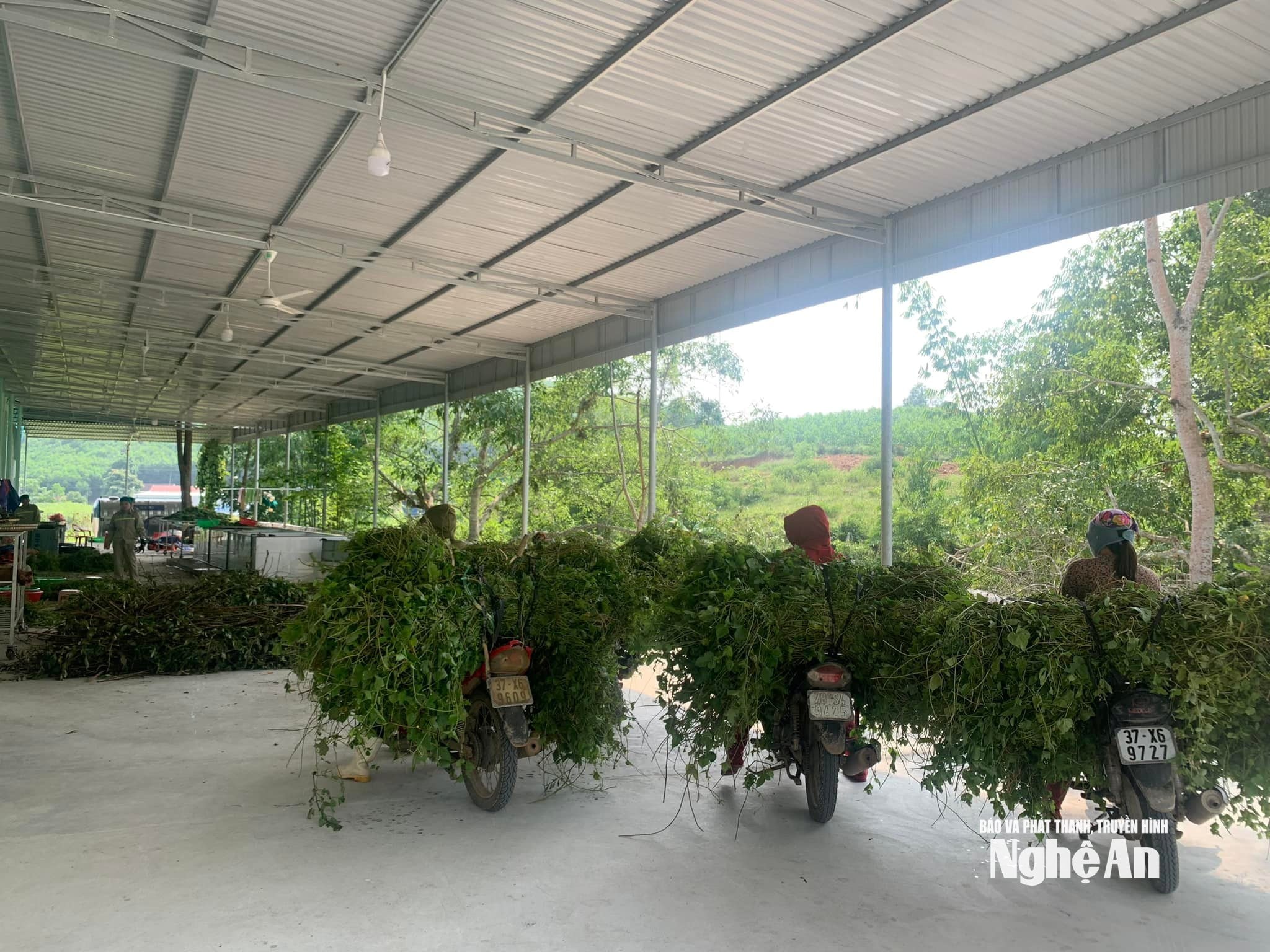
In fact, in many localities in western Nghe An province, medicinal plants are changing the face of the land and the lives of the people. Young people from the Mong, Thai, and Khmu ethnic groups no longer leave their hometowns to work elsewhere, but choose to stay and establish businesses with models of cultivating, processing, and trading medicinal plants. Once barren hills are now lush with precious medicinal plants, and the forests are better protected thanks to the economic benefits they bring.
Program 1719 has breathed new life into the highlands. Thanks to the development of medicinal plants along the value chain, people have more jobs, businesses have investment opportunities, and localities have more impetus for developing a green and sustainable economy. It's not just a story about growing medicinal plants; it's also a journey of economic development from forest resources, a journey of entrepreneurship and wealth creation for ethnic minority communities. Amidst the green hues of Nghe An's mountains and forests today, medicinal plants are gradually asserting their position, becoming the "key" to unlocking a prosperous and sustainable future for the people in the highlands.


