
Japan's U23 team crushed China 4-0, asserting their dominant position in Asia.
The overwhelming victory in the U23 Asian Championship final reflects the absolute synergy from the youth training system to the national team of Japanese football.
The Japanese U23 team is currently the only team in the region that possesses an operational system approaching the highest standards of world football. Their crushing 4-0 victory over China U23 in the final of the AFC U23 Championship was not just a simple scoreline, but a resounding affirmation of the "Blue Samurai's" absolute dominance on the Asian continent.
Superior class stemming from an assertive playing philosophy.
Throughout the tournament, the Japanese U23 team didn't just play to win; they played to impose their identity. The way the young players rotated their formation and controlled space showed a remarkable maturation in tactical thinking. Instead of relying on individual brilliance, Japan operated like a well-oiled machine with extremely high discipline.
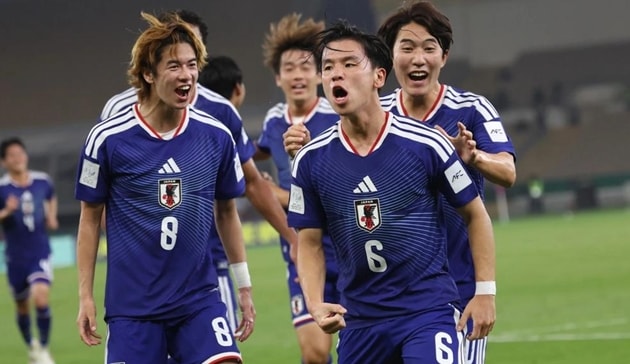
The Japanese team's playing style has been described by experts as "the Japanese version of Tiki-taka." It's a seamless combination of short passes, fast ball control, and intelligent off-ball movement. In the final, all efforts from the Chinese U23 team, from their physically demanding style to their frustrating tactics, were completely neutralized by Japan's relentless ball control.
The foundation lies in the centenary plan and a sustainable training system.
Japan's superiority over the rest of Asia doesn't come from luck. The most formidable aspect of their football is the sustainability of their youth development system. While many countries are still struggling with short-term plans, Japan has persistently pursued its "100-Year Plan" with a clear roadmap for each level of the national team.
The current strength of the Japanese U23 team is supported by the J-League, one of the most professional leagues in the region, and a scouting network that extends across Europe. This squad demonstrates incredible depth, where reserve players can perfectly fill starting positions without compromising the quality of play. This is the result of systematic investment in domestic players rather than over-reliance on external factors.
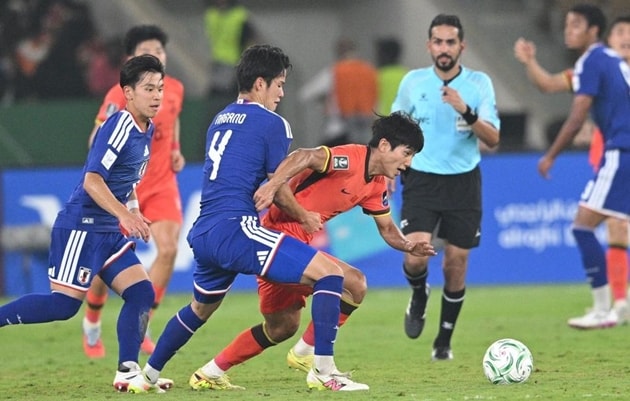
Asia's springboard for conquering the World Cup.
The one-sided victory against China U23 showed that the gap in skill level between Japan and its regional rivals is widening. For the "Blue Samurai," the continental stage now seems too small compared to their true ambitions. Each regional tournament is now seen merely as a solid stepping stone for young players to gain experience before venturing into the wider world.
Looking at the bigger picture, the ultimate goal of Japanese football is not just Asian titles, but conquering the World Cup. Their current position is a testament to their discipline, vision, and perseverance. For Japan, winning the U23 Asian Championship is simply a necessary milestone on their journey to becoming a global football powerhouse.


