
The IEA released a record 400 million barrels of oil from its reserves to cool down the global energy market.
The International Energy Agency (IEA) has decided to release the largest emergency oil supply in history to offset supply disruptions and stabilize world oil prices.
The International Energy Agency (IEA) has just announced its decision to release 400 million barrels of oil from its emergency reserves. This is the largest effort in the organization's history to offset supply disruptions and stabilize global energy prices amid escalating tensions in the Middle East.
Crude oil supply schedule in various regions
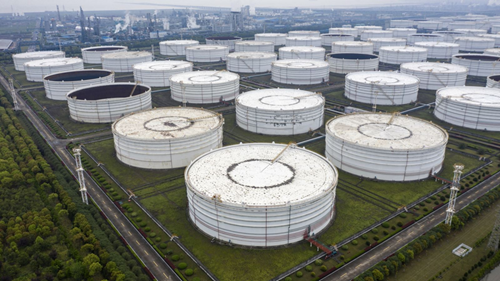
According to an announcement from the IEA on March 15, specific deployment plans have been submitted by member countries. Stockpiles in Asia and Oceania will be supplied immediately. Meanwhile, reserves from members in the Americas and Europe are expected to begin being released to the market from the end of March 2026.
The impact of geopolitical conflicts on energy security.
The decision to release reserves was made after member countries agreed on a response to supply disruptions caused by the conflict in Iran. Fatih Birol, Executive Director of the IEA, stated that tensions in the Middle East are having significant implications for energy security, affordability, and the global economy.
In addition to releasing reserves, the IEA emphasized the importance of restoring shipping activity through the Strait of Hormuz. This is a key factor in ensuring a stable flow of oil and gas to the global market amidst ongoing geopolitical risks.
Japan releases a record 80 million barrels of oil from its reserves.
In response to the IEA's plan, the Japanese government pledged on March 15 to release a record 80 million barrels of oil, equivalent to about 45 days of national supply. This move will reduce Japan's total national reserves by about 17% in an effort to stabilize rising gasoline prices.
Additionally, Japan's Ministry of Economy, Trade and Industry (METI) said it may release an additional 12 million barrels of jointly held crude oil reserves deposited by Saudi Arabia, the United Arab Emirates (UAE), and Kuwait. Domestic refineries have been instructed to prioritize the use of this crude oil to ensure domestic supply.


