
IEA: Middle East conflict creates 'the biggest oil shock in history'
Brent crude oil prices surpassed $100 per barrel amid escalating military clashes between Israel, the US, and Iran. According to the International Energy Agency (IEA), the risk of disrupting shipping lanes through the Strait of Hormuz is pushing the world into the worst supply disruption ever recorded.
The fighting escalated and spread across multiple fronts.
Early on March 13, the Israeli Defense Forces (IDF) announced that Iran had launched a new wave of missiles into Israeli territory, forcing the activation of air defenses and prompting residents to evacuate to bomb shelters.
On the northern front, the Hezbollah movement in Lebanon also fired approximately 200 rockets at Israel in a single night, marking the largest attack since the conflict began.
In response, Israel continued to expand its military campaign with airstrikes on the capital Beirut and further into southern Lebanon, ordering residents to evacuate urgently north of the Zahrani River.
At the same time, the Israeli military launched a wave of large-scale airstrikes on Tehran on the 13th day of the operation, targeting checkpoints of the Basij paramilitary force.
On the Iranian side, Mojtaba Khamenei, who recently became supreme leader after his father and family members were killed in the February 28 airstrike, vowed revenge against the US and Israel.
Israel claims that Khamenei was also injured and that Prime Minister Benjamin Netanyahu publicly challenged the leader to "show himself".
Meanwhile, US President Donald Trump declared that the operation was progressing very quickly and praised the strength of the American military.
Tensions are not limited to the main parties involved but are spreading throughout the Gulf region. In western Iraq, a US KC-135 refueling aircraft crashed, although the US Central Command confirmed the cause was not due to hostile fire.
In Iraq's Kurdistan region, six French soldiers conducting counter-terrorism training were injured in a drone attack.
In other developments, Saudi Arabia announced it had intercepted dozens of drones that had intruded into its airspace, while at least two members of an Iranian-backed armed group were killed in an airstrike on the outskirts of Baghdad.
Energy shock and maritime risks
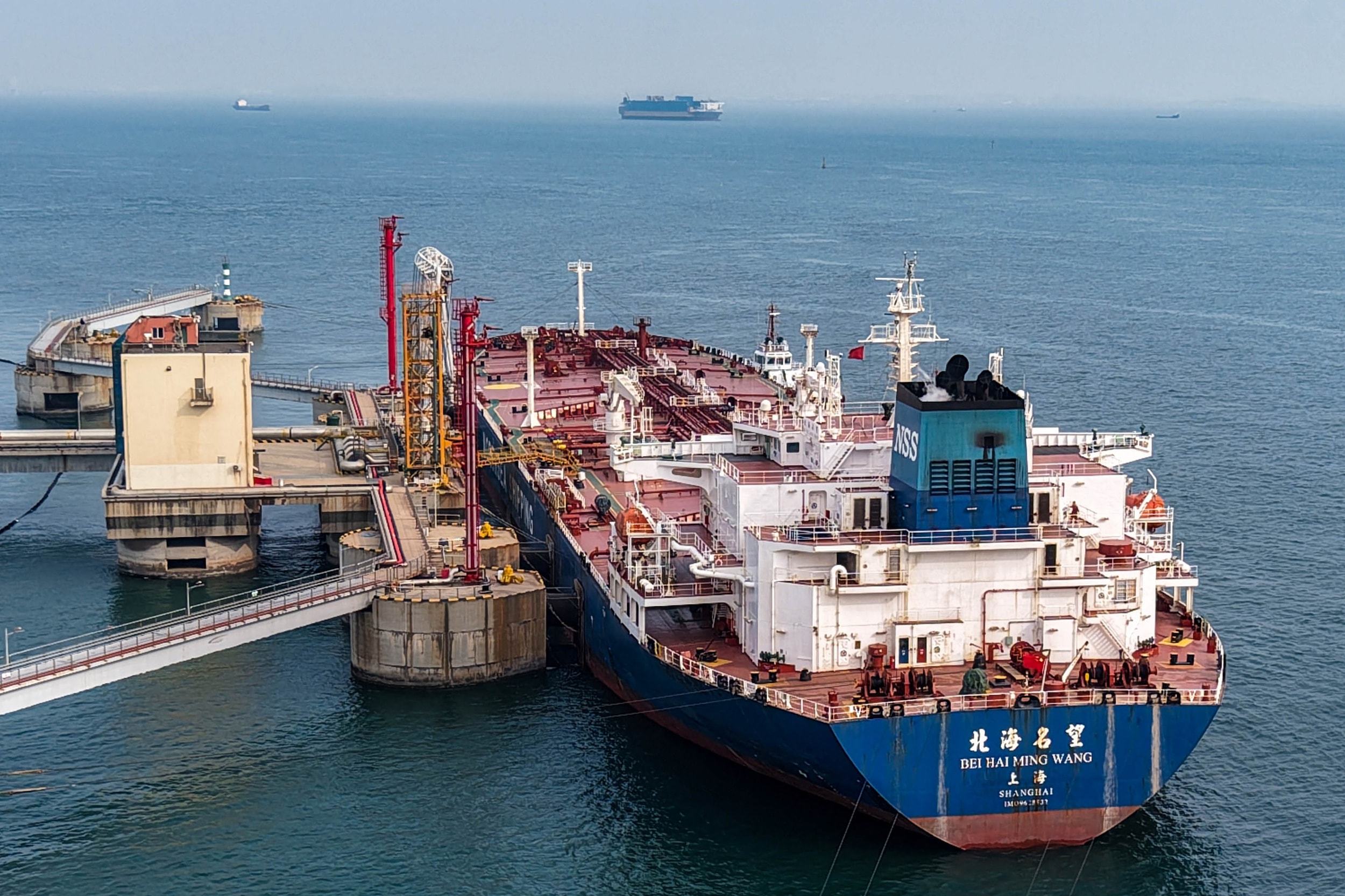
One of the most serious consequences of the conflict is the risk of closing the Strait of Hormuz, a vital waterway that carries one-fifth of the world's crude oil. Although Iran's Deputy Foreign Minister denies laying mines – contrary to Trump's claims that the US attacked 28 of Tehran's mine-laying vessels – this shipping lane is now almost completely paralyzed.
US Energy Secretary Chris Wright admitted that the US military is not currently ready to escort oil tankers through the area because it is focusing its resources on the operation.
Iran's supreme leader has also called for using the blockade of the strait as "leverage," while the Iranian military has warned it will target oil and gas fields in the region if its energy infrastructure is attacked.
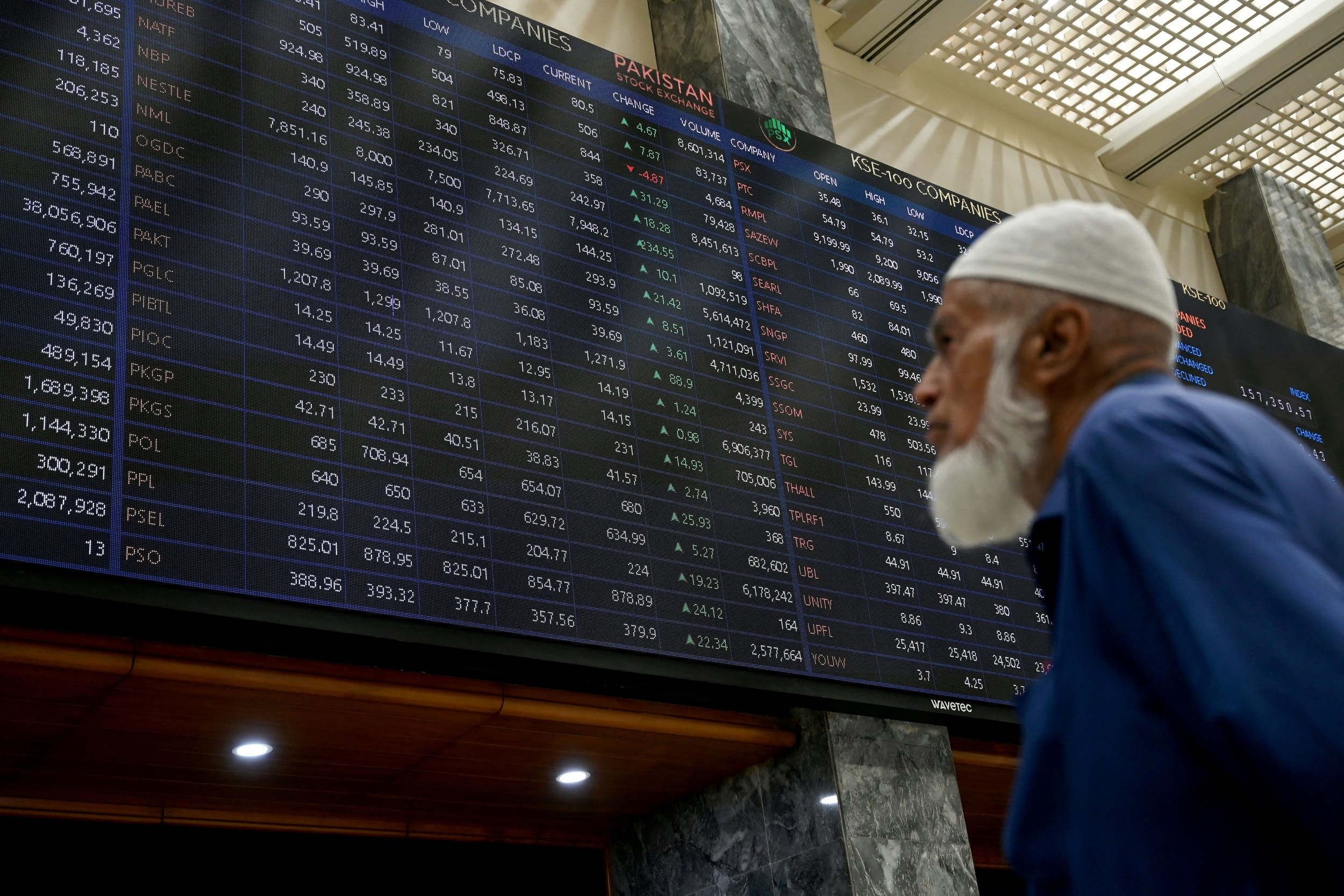
These geopolitical risks have pushed Brent crude oil prices above $100 a barrel for the first time since August 2022. In early morning trading on March 13th in Asia, Brent crude oil prices continued their upward trend, further above $100 a barrel, triggering a widespread decline in regional stock markets.
The International Energy Agency (IEA) has assessed this as the largest supply disruption in the history of the global oil market, with production falling by at least 8 million barrels per day.
A prime example of this situation is TotalEnergies, which announced it had to shut down 15% of its total oil and gas production.
To cool down the market, the US Treasury Department had to take a tactical step back by announcing a temporary suspension of the sale of Russian oil currently being transported by sea. This was a swift easing of economic sanctions against Moscow related to the conflict in Ukraine.
Global trade and the aviation industry are reeling.
The consequences of the conflict continue to severely impact the maritime and civilian trade sectors. An attack on two oil tankers off the coast of Iraq resulted in the death of an Indian sailor.
A Hapag-Lloyd cargo ship (Germany) also caught fire in the Persian Gulf after being hit by shrapnel. Even Dubai's financial district reported drone debris falling in the area, while Kuwait International Airport was damaged following the attacks.
Amid macroeconomic instability, many countries have been forced to implement emergency protectionist measures. According to Bloomberg, China has tightened export quotas for refined oil products to protect domestic supply.
South Korea has implemented fuel price caps for the first time, while Spain is preparing to introduce plans to curb rising electricity and gasoline prices.
In Australia, panic buying and stockpiling since the outbreak of hostilities has caused domestic petrol prices to skyrocket. The country's Energy Minister has warned against dangerous price gouging and announced a relaxation of fuel reserve regulations for businesses in order to urgently increase supply.
The aviation industry is also under immense pressure as fuel costs soar. Air New Zealand announced the cancellation of 1,100 flights over the next two months, while major airlines such as Cathay Pacific and Air France-KLM have simultaneously increased fuel surcharges and airfares.


