
Indonesia eliminates more than 750 state-owned enterprises.
Indonesian President Prabowo Subianto has announced plans to close more than 750 inefficient state-owned enterprises (SOEs) by the end of this year. This move comes after Jakarta discovered the actual number was nearly three times higher than initially anticipated, accompanied by a commitment to establishing a special auditing mechanism and court system to thoroughly address corruption.
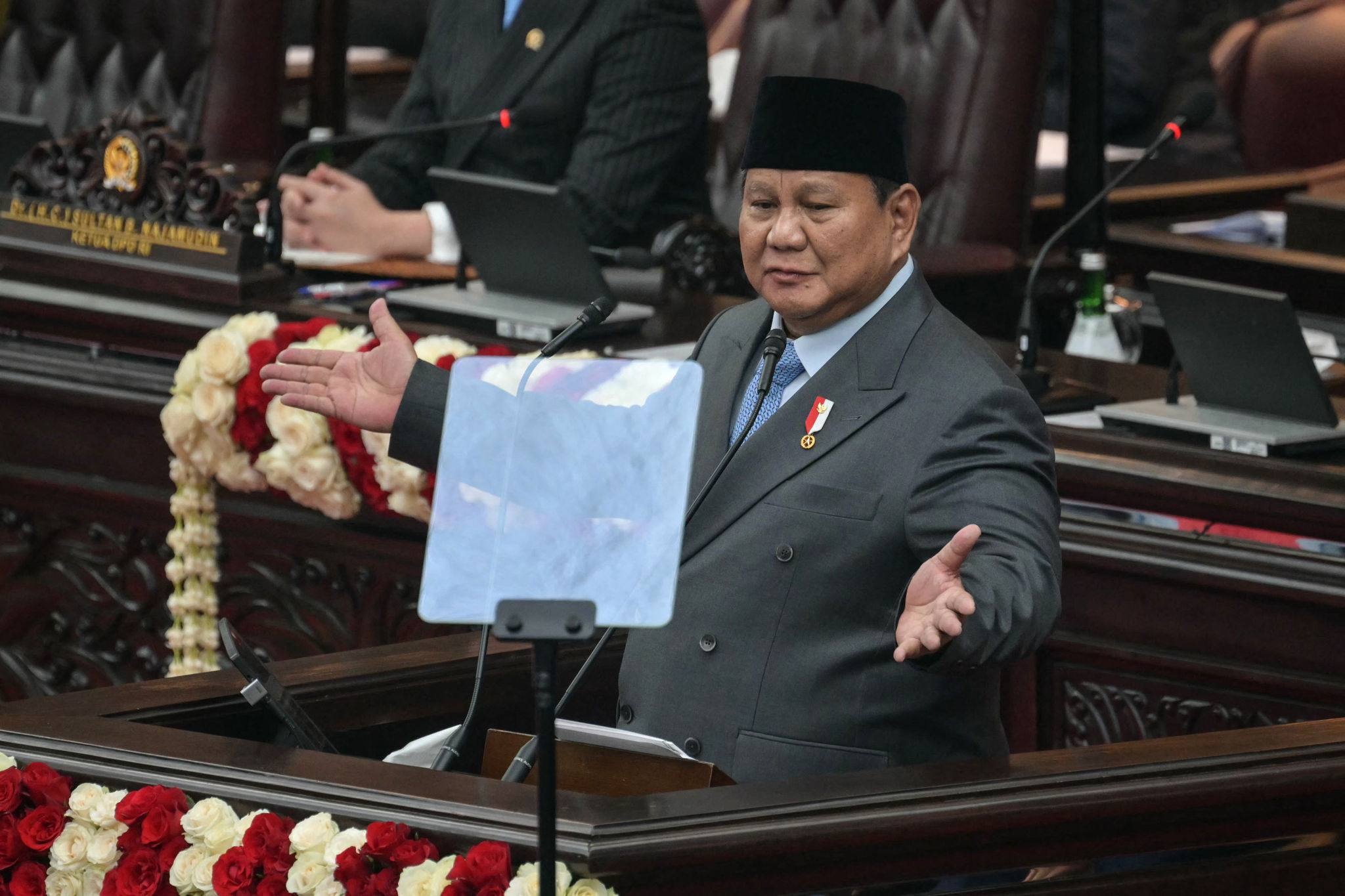
Speaking in a state of the nation address to Parliament, President Prabowo Subianto said that the establishment of the Danantara national investment fund last year revealed an alarming reality about the state-owned enterprise system of Southeast Asia's largest nation.
Instead of the initial estimate of only 300 to 400 enterprises, authorities discovered that as many as 1,074 state-owned enterprises (SOEs) were in existence. Many of these entities operated freely, lacking a sense of responsibility to the nation, and "always incurred losses but claimed to be profitable - those profits were simply fabricated," Mr. Prabowo emphasized.
To date, 290 businesses have been dissolved. Jakarta aims to retain a maximum of 300 truly efficient units that create added value for the people before December 31, creating what Indonesian leaders call "the world's largest corporate restructuring."
This campaign has initially yielded impressive financial results: cutting approximately 50 trillion rupiah (over $2.8 billion) from salaries for directors and commissioners, office rent, vehicles, and travel expenses. The goal is to save more than 70 trillion rupiah this year.
Faced with a lax management system over several periods, President Prabowo proposed the idea of establishing a special ad hoc court to investigate the management and directors of state-owned enterprises, with the scope of prosecution potentially going back up to 30 years. Simultaneously, he also urged lawmakers to consider a form of "special amnesty for those who show remorse."
This tough stance comes as Indonesia scores only 34 out of 100 points on Amnesty International's 2025 Corruption Perception Index. Public pressure and protests are mounting due to soaring living costs, heavily impacted by the energy price crisis stemming from the Middle East conflict.
Besides purging businesses, President Prabowo's administration remains steadfast in its core welfare programs, most notably the free school meal program. Despite criticism of the high costs, he affirms that the project will continue with a spirit of "improvement and effectiveness" to address the problem of stunting and malnutrition, a problem affecting one in four Indonesian children.
Indonesia's GDP growth reached 5.6% in the first quarter and 5.3% in the second quarter, although analysts remain somewhat skeptical about the official data. President Prabowo Subianto expressed confidence that the economy will reach 6.0% by the end of 2026, while asserting that the country is fully capable of ensuring food and energy security in the face of global fluctuations.


