
The ultra-thin iPhone 17 Air: Did Apple remove the SIM tray to increase battery capacity?
The ultra-thin design of the iPhone 17 Air may lead Apple to remove the SIM tray to increase battery capacity, a controversial change ahead of the iPhone 17 launch.
Leaked iPhone 17 Pro battery information reveals a controversial decision regarding the ultra-thin iPhone 17 Air.
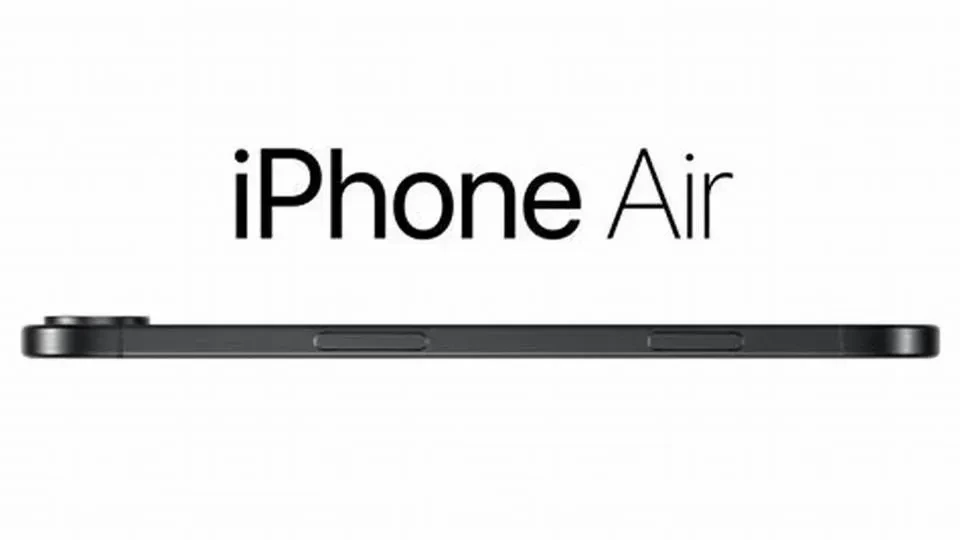
The iPhone 17 series, expected to launch in about a month, will mark the biggest design change since the iPhone X. The iPhone 17 Air model will have a similar screen size but will be significantly thinner. To achieve a thickness of just 5.5mm, Apple is reportedly making some important hardware adjustments.
According to leaked information, the iPhone 17 Air will only have a single rear camera, instead of two lenses like current iPhone models. It will also use a smaller battery, around 2,800 mAh, and notably, will not have a physical SIM tray in international markets that still maintain this format.
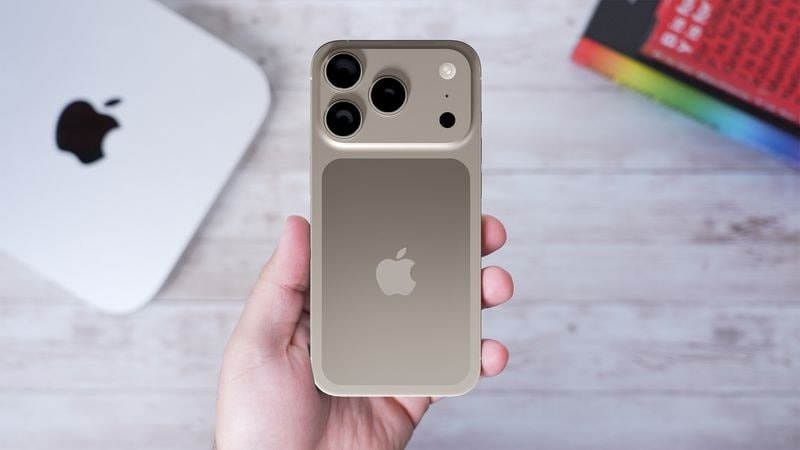
The stainless steel battery for the iPhone 17 Pro has been revealed.
Recently, leaker Majin Bu posted images allegedly showing the battery design of the iPhone 17 Pro, using a stainless steel casing similar to the iPhone 16 Pro. This design makes disassembly and assembly safer, improves heat dissipation, and complies with new European Union battery regulations.
Bu stated that Apple may use two different battery designs for the iPhone 17 Pro: one for the US market (no SIM slot, larger battery) and one for the international market (with a SIM slot, smaller battery). If true, this would be the first time Apple has used the space advantage from removing the SIM slot to expand battery capacity, something that hasn't happened with the iPhone 14 or 15 series, even though they also lacked physical SIM slots in the US.
iPhone 17 Air: Sacrificing the SIM tray to increase battery capacity.
This information has fueled speculation that Apple will also adopt a similar strategy for the iPhone 17 Air: sacrificing the SIM tray to make room for a larger battery, ensuring longer battery life in an ultra-slim body. However, this decision could be controversial in markets that still favor physical SIMs, such as Europe.
Furthermore, if Apple were to actually develop two separate battery models for the same product line, the company might have to publish different battery specifications depending on the region. This would also impact the supply chain and production costs, as standardizing component design has been a top priority for Apple for many years.
The final answer will be revealed when the first iPhone 17 units are "teardowned" after the expected launch in September. But for now, the decision to remove the physical SIM tray on the iPhone 17 Air is becoming a hot topic of discussion in the global tech community.


