
The iPhone 17 is poised to break the record for the longest-running flagship device in Apple's history, currently held by the iPhone 4.
The iPhone 17, launching in September 2025, could hold the standard flagship position until spring 2027, surpassing the 477-day record held by the iPhone 4 for the past 15 years.
After its introduction in September 2025, the standard iPhone 17 has the opportunity to set a completely new historical milestone for Apple. According to the predicted development roadmap, this smartphone model could maintain its position as the flagship device until the spring of 2027. This period of holding the top spot is equivalent to about 550 days (almost 18 months), enough to break the 15-year-old record of the iPhone 4.
Looking back at the iPhone 4's record-breaking 15.7 months of dominance.
Officially released on June 24, 2010, the iPhone 4 held the position of Apple's flagship phone until the iPhone 4S was launched on October 14, 2011. In total, this period lasted 477 days, equivalent to approximately 15.7 months. This marked a turning point as Apple shifted its flagship product launch cycle from summer to fall.
The delay in the iPhone 4's release stemmed from several specific reasons. At the time, AT&T held exclusive distribution rights for the model in the US for the first six months before partially transferring them to Verizon. Additionally, the white version of the iPhone 4 was delayed by 10 months before its official release. When the successor was launched, instead of introducing a new design as the market expected, Apple introduced the iPhone 4S, which retained the same exterior but significantly upgraded the internal hardware with the introduction of the Siri virtual assistant.
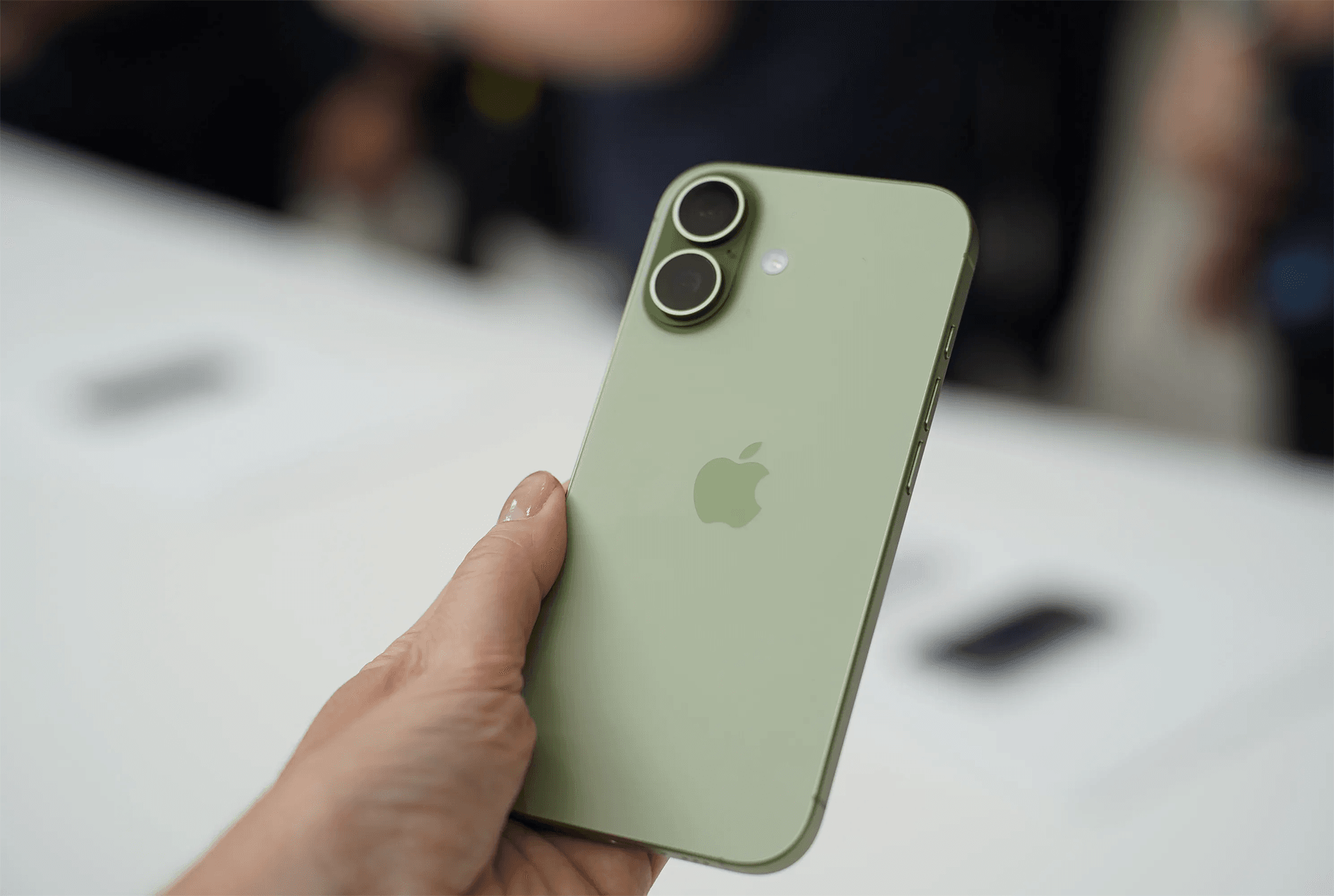
Why did the iPhone 17 manage to reach the 18-month milestone?
Besides the iPhone 4, the iPhone 11 Pro came very close to achieving this feat, holding the top spot for 399 days (from September 20, 2019 to October 23, 2020) due to the iPhone 12 launch being delayed by supply chain issues. However, for the standard product line, no model has surpassed the fourth-generation model's timeframe.
The iPhone 17's case is a major breakthrough, considering that its successor, the standard iPhone 18, is predicted to be released in the spring of 2027. This gap pushes the iPhone 17's lifespan to nearly 550 days, far exceeding the 477 days of the iPhone 4.
| iPhone generation | Release date | Successor generation | Time spent as flagship |
|---|---|---|---|
| iPhone 4 | 24/06/2010 | October 14, 2011 (iPhone 4S) | 477 days (~15.7 months) |
| iPhone 11 Pro | 20/09/2019 | October 23, 2020 (iPhone 12 Pro) | 399 days (~13.1 months) |
| iPhone 17 (Expected) | 09/2025 | Spring 2027 (iPhone 18) | ~550 days (~18 months) |
Multi-tiered hierarchical strategy and the emergence of foldable iPhones.
The biggest difference between the iPhone 4 era and the present day lies in Apple's product tiering strategy. While the standard iPhone 17 reigned supreme, users looking for technological upgrades could still choose the iPhone Pro series, which continued to maintain a regular annual upgrade cycle.
Furthermore, the transition period from the iPhone 17 to the iPhone 18 will likely mark the arrival of a completely new foldable iPhone line. This device is expected to revolutionize the user experience, while the standard iPhone 17 line will continue to maintain sales in the premium mid-range segment.


