
The iPhone 18 Pro could see a significant price increase due to rising component costs.
Global memory shortages and the booming demand for artificial intelligence (AI) are driving up smartphone production costs. According to the latest information, the iPhone 18 and especially the iPhone 18 Pro may face a significant price increase.
CEO Tim Cook admitted that price increases are unavoidable.
For months, analysts expected Apple to maintain stable pricing for the iPhone 18 series despite pressure from the global supply chain. However, recent statements from Apple CEO Tim Cook have made those expectations more fragile.
According to an interview with The Wall Street Journal, Cook stated that Apple could no longer delay adjusting prices given the sharply rising cost of components.
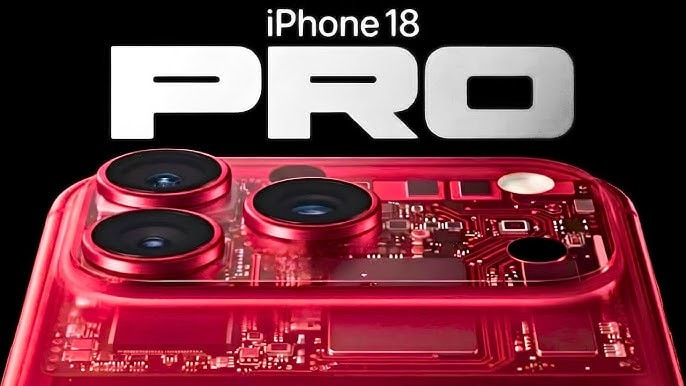
He emphasized that the current price increase is almost inevitable. Apple is trying to mitigate the impact of component price hikes and protect consumers, but market pressure has become too great.
Although not directly mentioning the iPhone 18 series, observers believe that this will be the product most significantly affected. Other devices such as iPads may also face a similar situation in the near future.
The AI craze is causing memory chip prices to skyrocket.
According to experts, the enormous demand from the AI sector is causing a global shortage of memory chips and storage.
Memory manufacturers are continuously raising prices due to limited supply while demand from AI data centers and electronic devices continues to grow. This is putting even Apple, a company known for its efficient supply chain management, under considerable pressure.
According to research by the Canadian technology research and analysis firm TechInsights, Apple may have to significantly increase the price of the iPhone 18 Pro line to maintain its current profit margins.
The iPhone 18 Pro could surpass the $1,300 mark.
Apple has long used storage capacity and RAM as a product differentiating factor. With AI features increasingly demanding more powerful hardware, the next generation of iPhones is expected to require significantly more RAM.
Currently, the iPhone 17 Pro starts at $1,099 with 256GB of internal storage and 12GB of RAM. However, according to Mike Howard, Director of Memory Markets at TechInsights, the price of memory components could increase many times over by the end of this year.
Estimates suggest that Apple previously spent around $39 on 12GB of RAM for the iPhone 17 Pro, but this figure could rise to $145 for the iPhone 18 Pro. Storage costs are also projected to increase from around $13 to over $50 for the base model.
The total cost of components and manufacturing for the iPhone 17 Pro is currently around $530. With the increased price of memory and numerous new hardware upgrades, the production cost of the iPhone 18 Pro could rise to around $726, equivalent to an increase of nearly 25%.
Based on these calculations, TechInsights suggests that the starting price of the iPhone 18 Pro could range from $1,299 to $1,399, depending on Apple's chosen profit strategy.
Will these upgrades be enough to convince users?
While the Pro version is predicted to see a significant price increase, some rumors suggest that the standard iPhone 18 model may retain its starting price of $799 despite the RAM being upgraded from 8 GB to 12 GB.
In addition, the iPhone 18 Pro is rumored to feature an A20 Pro chip manufactured using an advanced 2nm process, an upgraded camera system, and a more compact Dynamic Island design.
However, many experts believe these improvements are unlikely to convince the majority of users to spend an extra $200-$300 just to upgrade their device.
The differentiating factor could lie in the new generation of AI-integrated Siri features, which are said to only fully function on iPhone models equipped with 12GB of RAM. This could encourage users of older iPhone generations to upgrade, while iPhone 17 Pro users may not yet feel the need to change their device.
If the predictions come true, the iPhone 18 will mark one of Apple's most significant price increases in years, reflecting the growing impact of the AI race on the global consumer electronics industry.


