
The foldable iPhone costs $2,000 but lacks many important features.
Apple's first foldable iPhone is rumored to be called the "iPhone Ultra," but recent leaks suggest the device may have to compromise on several key features to achieve an ultra-thin design.
Amidst the rapidly evolving smartphone market driven by the foldable screen trend, Apple is reportedly preparing to enter the game with its first foldable iPhone, tentatively called the iPhone Ultra.
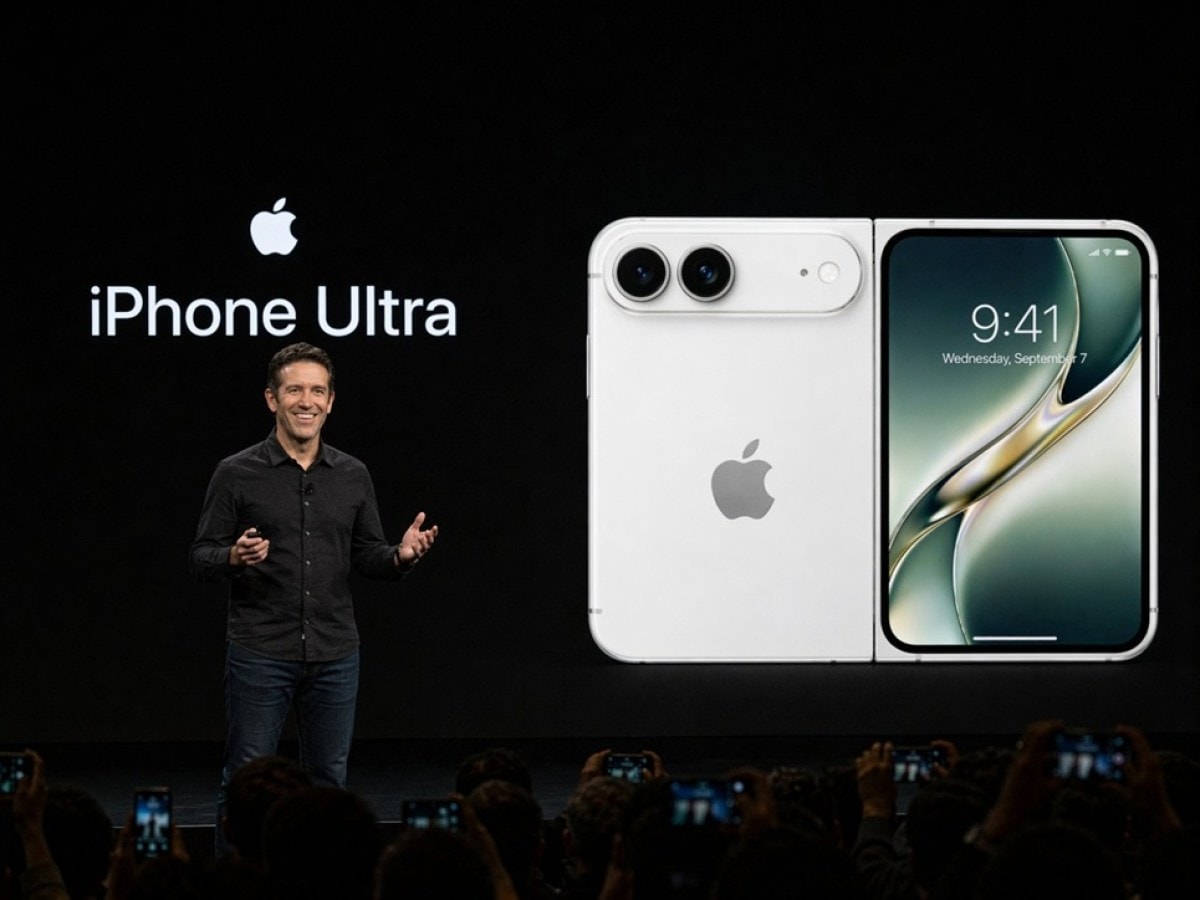
However, contrary to expectations of an "all-in-one" device, many sources suggest that this product may lack some features that are familiar on high-end iPhone models.
The new design features repositioned buttons to optimize space.
Dummy models used in accessory development suggest that the iPhone Ultra will have a significantly different button layout. Specifically, the volume buttons may be located on the top edge, similar to the layout on the iPad mini.
According to leaked sources, this change stems from the device's internal structure, where the motherboard is offset to one side to accommodate the folding design. This forces Apple to readjust the button placement to optimize space.
Notably, the Action button – which Apple introduced starting with the iPhone 15 Pro – is absent from these models. If the information is accurate, this would be the first time a high-end iPhone model lacks both an Action button and a silent switch.
MagSafe charging is not supported.
Another notable point is the absence of MagSafe magnetic charging and accessory connection technology on the test models. This technology allows iPhones to quickly connect to wireless chargers and accessories.
The reason may stem from the ultra-thin design, measuring only about 4.5 mm when unfolded, arguably the thinnest ever on an iPhone. With this thickness, fully integrating the MagSafe system could become challenging.
Abandon Face ID, go back to Touch ID.
Due to space limitations, the iPhone Ultra is said to lack sufficient room to integrate the TrueDepth camera system, a crucial component for Face ID.
This means Apple may have to revert to Touch ID, most likely integrating it into the power button. If this happens, it would be a significant move, as Face ID has been the standard on high-end iPhones for many years.
The camera system has been scaled back.
Unlike the Pro models with their triple camera setup, the iPhone Ultra may only have two rear cameras, including a wide-angle camera and an ultra-wide-angle camera.
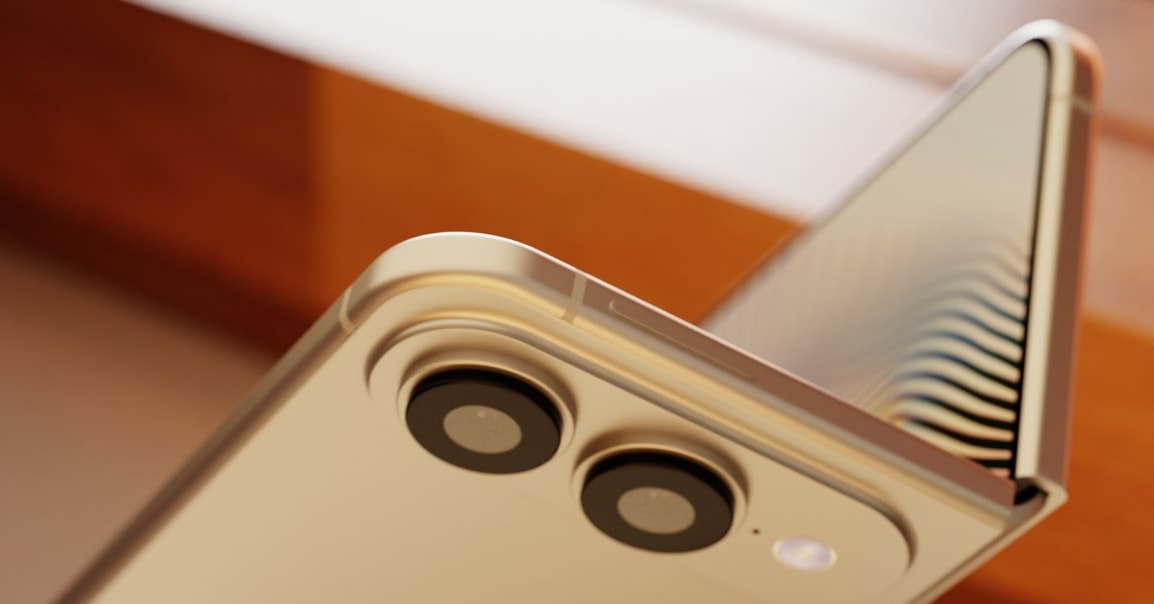
This means there's no telephoto lens, limiting optical zoom capabilities compared to the iPhone Pro models.
No more physical SIM slot
Another possible change is the complete removal of the physical SIM slot, in favor of eSIM – a trend Apple has already implemented in some markets.
This optimizes interior space, but it can also be inconvenient for users in areas where eSIM is not yet widespread.
These changes suggest that Apple may be prioritizing an ultra-thin design and folding mechanism over retaining all the premium features. The iPhone Ultra is rumored to have a titanium frame, a glass back, and a design style similar to other slim and lightweight iPhone models.
The starting price of the iPhone Ultra is predicted to be around $2,000, almost double that of the current iPhone Pro models.
Meanwhile, models like the iPhone Pro retain all of the aforementioned features. This could make the iPhone Ultra a controversial product, as its groundbreaking design comes with many trade-offs.
If the leaks turn out to be true, the iPhone Ultra would be clear evidence of a familiar trend in technology, meaning that to achieve a new design, manufacturers are forced to sacrifice some other elements.


