
Foldable iPhone faces problems before launch.
Apple's first foldable iPhone model is facing production difficulties, as stringent requirements for the screen and hinge could limit supply right from launch.
Apple is expected to introduce a foldable iPhone, often referred to as the iPhone Ultra, at its event taking place at 0:00 AM on September 10th (Vietnam time). However, the product may not be widely available immediately after launch due to difficulties in the manufacturing process.
According to Nikkei Asia, by the end of August, the production of foldable iPhones was only a few hundred units per day. This is a very low number compared to the tens of thousands of devices per day that Apple and its partners need to achieve to meet their production targets.

Suppliers are reportedly working continuously to improve productivity. However, the process of increasing production may take more time. This means that users who want to own Apple's new foldable iPhone model may have to wait a long time, especially in the first few weeks after the product goes on sale.
The real challenge lies in the screen and the hinge.
One of the main reasons for the low production of foldable iPhones is believed to be Apple's stringent quality requirements.
According to sources in the supply chain, Apple added an extra round of quality testing and verification in August. This process focuses on two key factors: screen flatness and hinge performance.
For a foldable phone, these are particularly important components. The screen must withstand constant opening and closing, while the hinge must be both sturdy and stable after thousands, even hundreds of thousands, of folding cycles.
Apple reportedly demands more rigorous testing, with more folds and higher durability standards than some competitors. This requirement can lead to a lower pass rate for devices, directly impacting production speed.
A source indicated that the current issue is primarily related to manufacturing quality, rather than a serious design flaw. Surface flatness requirements and hinge performance are seen as factors impacting productivity.
This also partly explains why Apple had to conduct additional testing right before the planned launch date. The added testing process delayed commercial production by several weeks.
Apple may still launch a foldable iPhone as planned.
Despite production difficulties, sources suggest Apple is likely to announce a foldable iPhone at its September 10th event.
The issue lies in when the product will actually go on sale and the number of units available. In recent months, there have been many predictions that Apple might announce the product on schedule but have to delay pre-orders and shipping.
The scenario being discussed is that the iPhone Ultra might only start shipping in late October or November, instead of immediately after the launch event. There have even been rumors that the product might be pushed back to next year, although this is considered a less likely possibility.
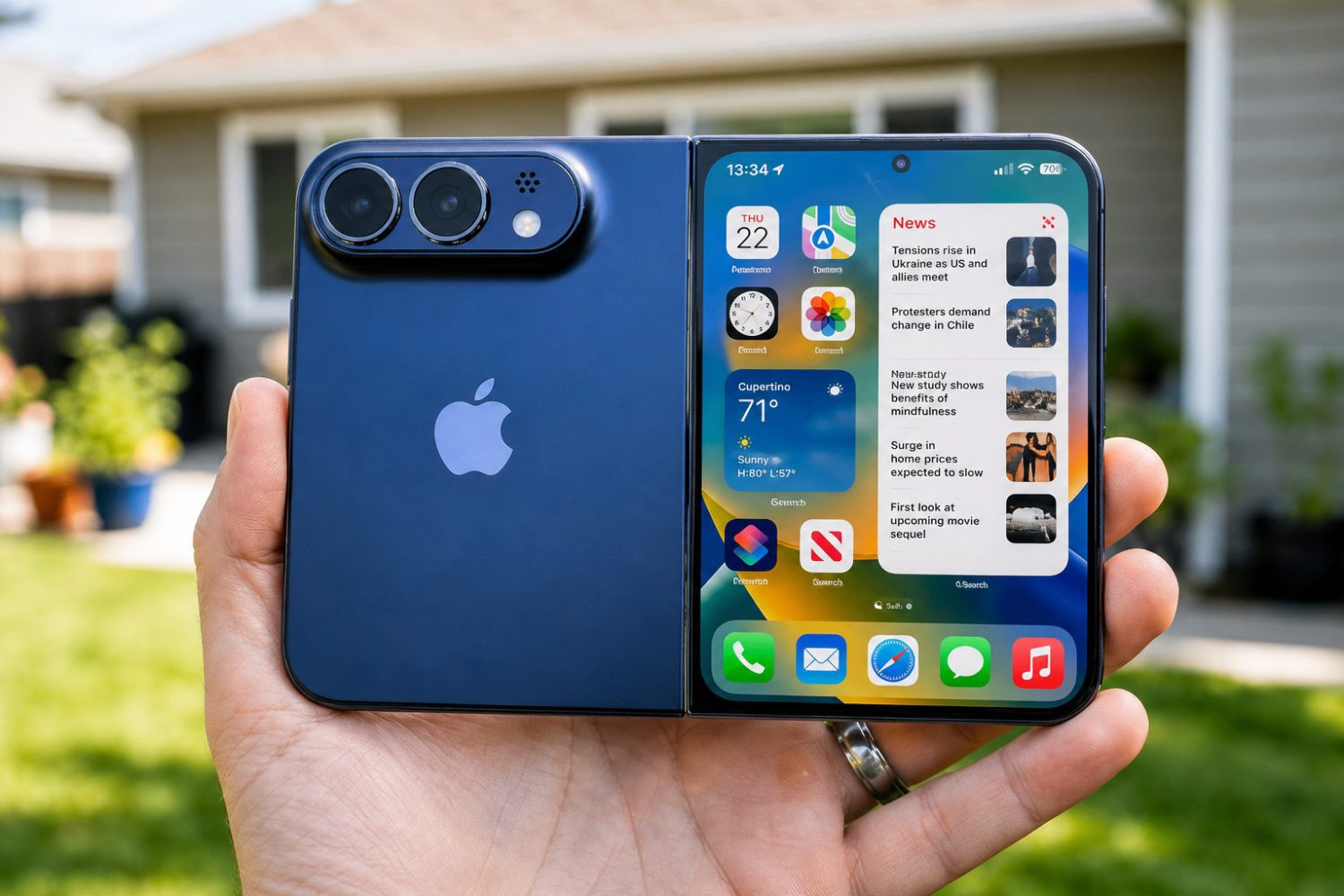
If supply remains limited, Apple may also choose to release the product in select markets before expanding to other regions.
According to previous reports, Apple had initially aimed to sell around 7-8 million foldable iPhones in the first year, a number that was later suggested could increase to around 10 million units.
However, with production levels at only a few hundred units per day by the end of August, this goal will be a major challenge if productivity doesn't improve quickly.
Opportunities for Samsung and its competitors.
The possibility of foldable iPhones being in short supply upon launch also creates opportunities for competitors with years of experience in this field.
Samsung is currently one of the market leaders in foldable phones and is continuing to develop the Galaxy Z Fold series. Meanwhile, Huawei is preparing to introduce the next generation of triple-folding phones, and Xiaomi is also reportedly preparing another foldable product.
Notably, China will be a crucial competitive market. Huawei and Xiaomi have a significant advantage as their foldable phone models are focused on this market, where Apple is also facing strong competition.
However, Apple's slow entry into the foldable phone market isn't entirely a disadvantage. The company seems to want to wait until the technology is sufficiently mature before launching the product.
If Apple can resolve issues with the hinge, flatness, and durability of the screen, a foldable iPhone could set a new standard for user experience. Conversely, if supply is too limited or delivery times are extended, the advantage of brand appeal may not translate into immediate sales.
For consumers, the key thing to look forward to is not just whether Apple will unveil the foldable iPhone on schedule, but also when the product will actually reach buyers and whether Apple can meet demand in the first few months.


