
iPhone XR and iPhone 11 in the 4 million VND price range: Are they still worth buying with Face ID and the Bionic chip?
Despite being released many years ago, the iPhone XR and iPhone 11, priced around 4 million VND, still adequately serve the needs of making calls and browsing the web thanks to their Bionic chips and Face ID features.
In the used phone segment around 4 million VND, the iPhone XR and iPhone 11 continue to be two popular choices for users who want to own an Apple device within their budget. Despite their age, these two models still provide a stable experience for everyday tasks.
High-resolution notch design and Face ID feature.
In terms of appearance, both the iPhone XR and iPhone 11 feature a 6.1-inch screen with the characteristic "notch" design. A valuable common feature on both devices is the 3D Face ID facial recognition system, which helps users unlock their devices and authenticate applications quickly.
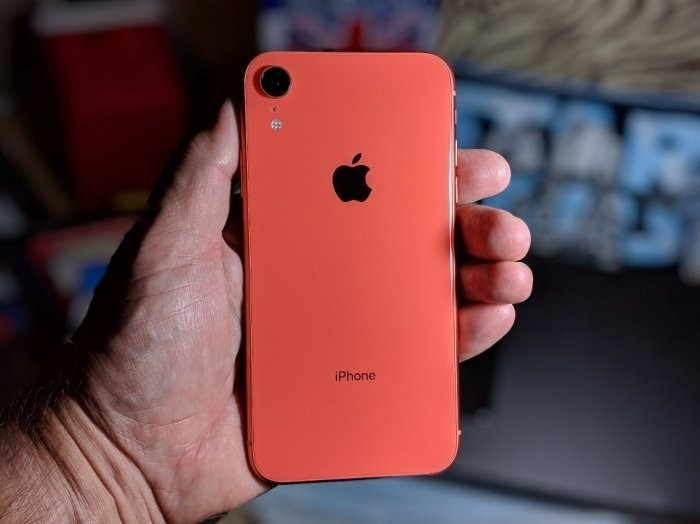
Thanks to their accessible price points, these two models are particularly suitable for students or anyone needing a secondary phone for communication, browsing social media, watching videos, and playing popular games.
Configuration comparison: A12 Bionic vs. A13 Bionic
Hardware power is the most significant difference between the two product lines. The iPhone XR uses the Apple A12 Bionic processor combined with 3GB of RAM, which is sufficient for typical usage needs. Meanwhile, the iPhone 11 is equipped with the Apple A13 Bionic processor and 4GB of RAM, providing smoother multitasking and maintaining stable performance over a long period.
| Specifications | iPhone XR | iPhone 11 |
|---|---|---|
| Screen | 6.1-inch LCD, HD+ resolution | 6.1-inch LCD, HD+ resolution |
| Microprocessors | Apple A12 Bionic | Apple A13 Bionic |
| RAM | 3 GB | 4 GB |
| Rear camera | Single camera | Dual cameras (Wide-angle + Ultra-wide-angle, with Night Mode support) |
| Biometric security | Face ID | Face ID |
Real-world photography experience and battery life
If users prioritize image quality, the iPhone 11 excels thanks to its dual rear camera system, consisting of a wide-angle lens and an ultra-wide-angle lens. The device also supports Night Mode, which significantly improves image quality in low-light conditions.
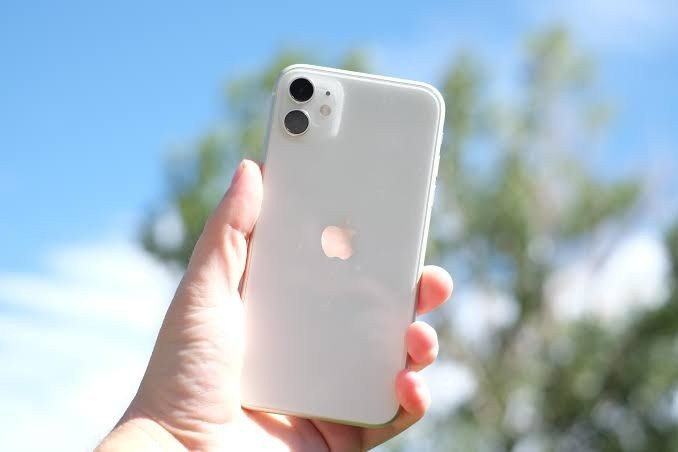
Conversely, the iPhone XR only has a single rear camera, which limits its flexibility in creative shooting angles. In terms of power, with good battery life, both devices can easily last a full day for typical tasks.
Trade-offs to consider before making a choice
Having been released many years ago, users choosing to buy these two devices will have to accept some technological limitations. The screen bezels of both devices are relatively thick compared to modern design standards.
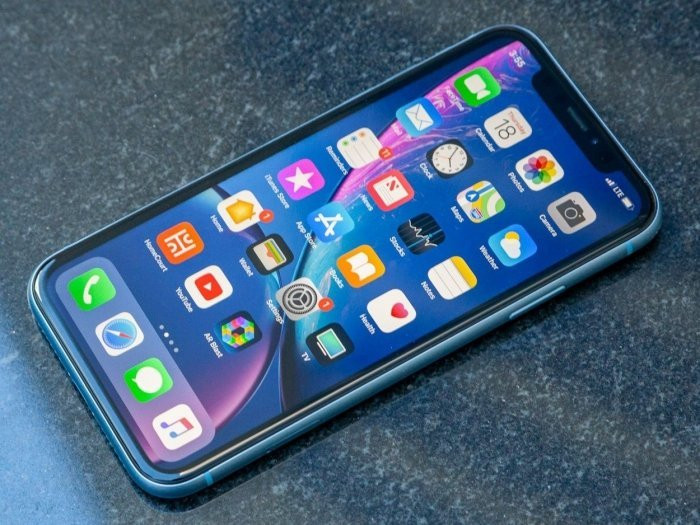
Furthermore, the use of HD+ resolution LCD panels means the display quality is only average; the contrast and color depth cannot match that of newer generation OLED screens. Apple's software update support for these devices will also gradually diminish.
In summary, the iPhone XR is a reasonable option for those who want to maximize cost efficiency. Meanwhile, spending a little more on the iPhone 11 will provide more powerful performance from the A13 Bionic chip, a larger 4GB of RAM, and a more versatile dual-camera system for long-term use.


