
Iran upgrades its Etemad ballistic missiles and prepares for a protracted conflict.
Tehran is ramping up production of new-generation ballistic missiles capable of penetrating air defense systems, while asserting its readiness for a long-term combat scenario.
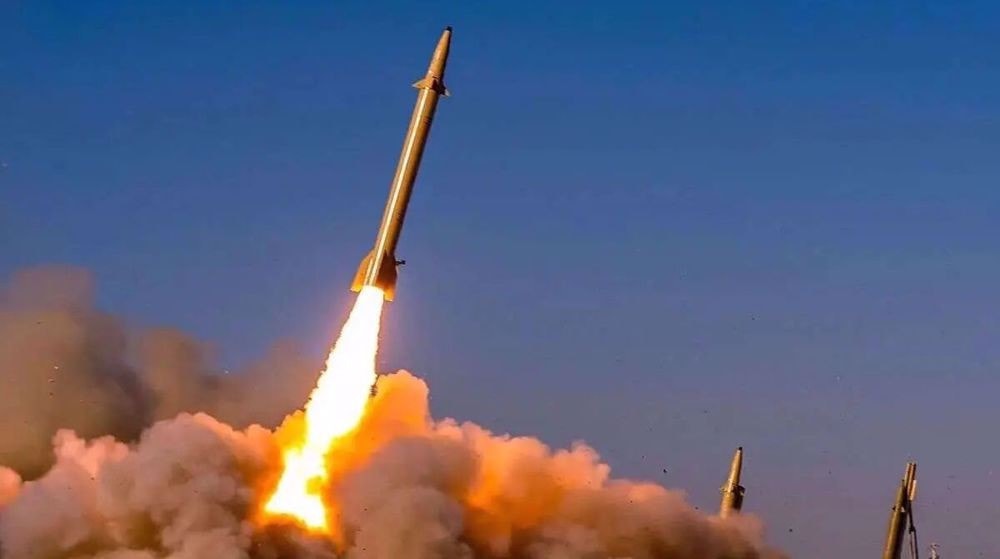
The Islamic Republic of Iran is stepping up production and upgrading its strategic weapons arsenal at key locations to counter regional tensions. Notably, the new Etemad missile system has been significantly improved in its guidance system based on combat experience from previous operations.
Technical analysis: The next-generation Etemad ballistic missile.
According to the Islamic Republic of Iran Television (IRIB), weapons production capabilities at strategic locations are steadily increasing. The focus of this upgrade is the Etemad missile, a deeply modernized version of its predecessor, the Emad. This weapon was developed and refined based on real-world data from Operation True Promise 4.
The most significant improvements focus on guidance systems and maneuverability. These upgrades allow the missiles to enhance their penetration capabilities and evade modern enemy missile defense networks. In addition, Iran continues to widely deploy ballistic missile launchers to maintain a high level of combat readiness.
Operational strategy and the ability to sustain conflict.
In an interview with Al Jazeera in Tehran, Foreign Minister Abbas Araghchi asserted that Iran was prepared for a conflict lasting at least six months. He stressed that the country was not bound by any timeline set by its adversaries and would continue military operations for as long as necessary.
Regarding the scenario of an enemy land attack or targeting strategic islands, Iran assesses this as unlikely due to the risk of heavy casualties for the attacking forces. Tehran affirms its position of not actively seeking war but is ready to respond forcefully based on its extensive combat experience and domestic weapons capabilities.
Regional security vision and the role of host countries
Foreign Minister Araghchi also addressed the rebuilding of trust with countries in the region, particularly in the Persian Gulf. He asserted that regional security should be the responsibility of the countries themselves, rather than depending on external forces.
Tehran criticizes the presence of US military bases as a destabilizing factor and an obstacle to sustainable development. Iran calls for the establishment of a collective cooperation mechanism aimed at building a foundation for long-term security and prosperity for the entire region without international interference.


