
Iran develops new warheads, Israel deploys laser weapons.
Iran is suspected of developing unconventional warheads, China is testing the YJ-20 hypersonic missile, and Israel has officially put its Iron Beam laser system into active service.
On December 30th, the international arms and security markets witnessed three significant developments: Iran's Islamic Revolutionary Guard Corps (IRGC) is suspected of accelerating its unconventional warhead program; China released a video of a hypersonic missile test from a Type 055 destroyer; and Israel officially put its Iron Beam laser system into combat readiness.
Iran and the suspected use of unconventional warheads for ballistic missiles.
According to military sources from Iran International, the IRGC is reportedly accelerating a program to develop unconventional warheads, including chemical and biological payloads. The goal of the program is to integrate these warheads into its existing ballistic missile force to enhance deterrence capabilities amid escalating regional tensions.
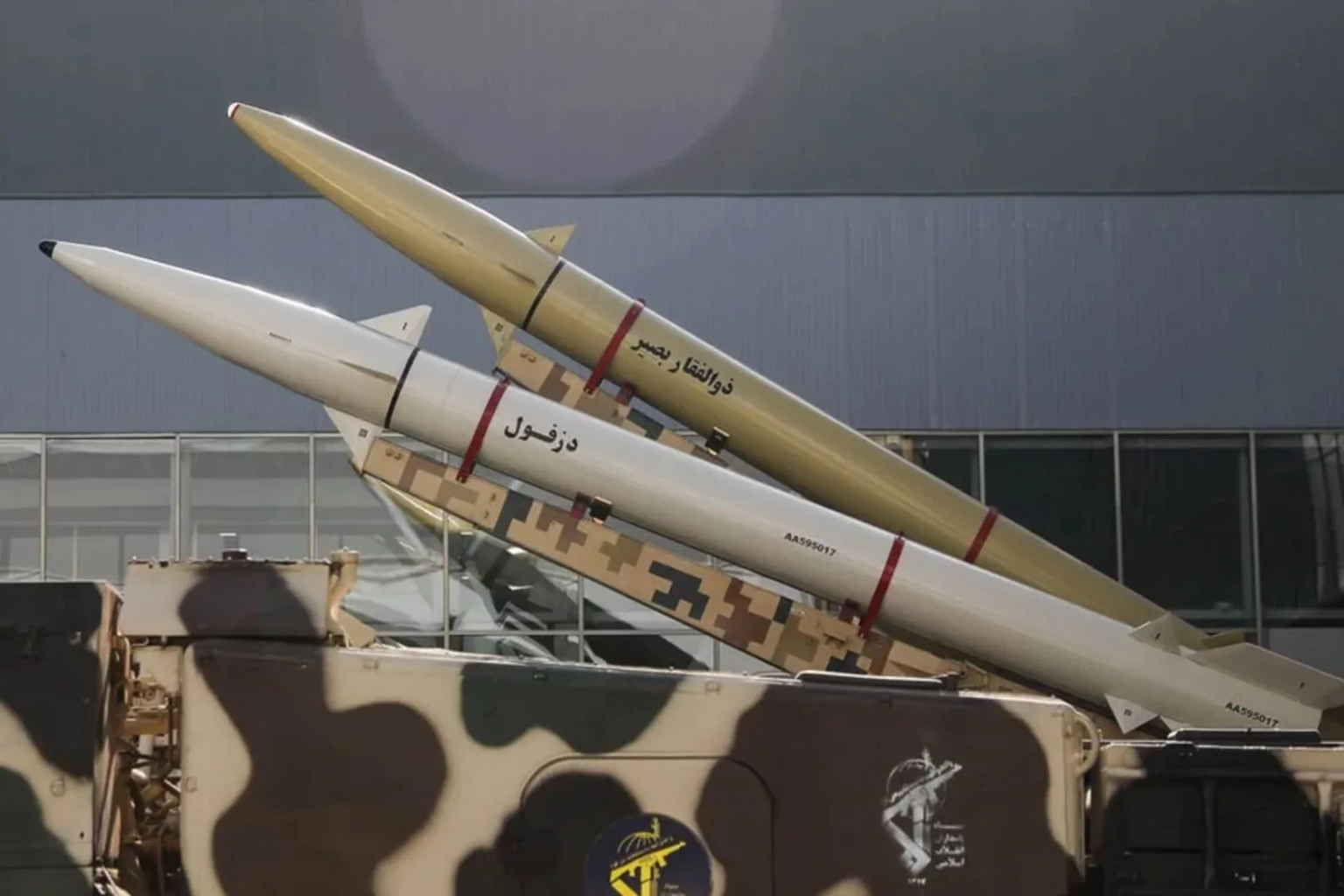
Technically, analysts believe Iran is focusing on adapting solid-fuel missiles such as the Fateh-110 and Zolfaghar. With chemical warheads, a viable option is to use sealed containers designed to disperse the agent at a predetermined altitude. Meanwhile, biological warheads require a more complex preservation system to ensure the agent remains effective after re-entering the atmosphere at high speeds.
Western intelligence agencies have reported unusual logistical signals surrounding Iranian mobile missile units in the eastern region. Iran currently possesses the most diverse ballistic missile arsenal in the Middle East, with the large-payload Zolfagher series considered a leading candidate for testing these specialized warheads.
China tests YJ-20 hypersonic missile from Type 055 submarine.
The Chinese military has released video footage of a test launch of the YJ-20 hypersonic anti-ship missile from a Type 055 stealth destroyer. This is the first time images of this strategic weapon being fired from a surface ship platform have been publicly released, marking the completion of its design phase leading to mass production.
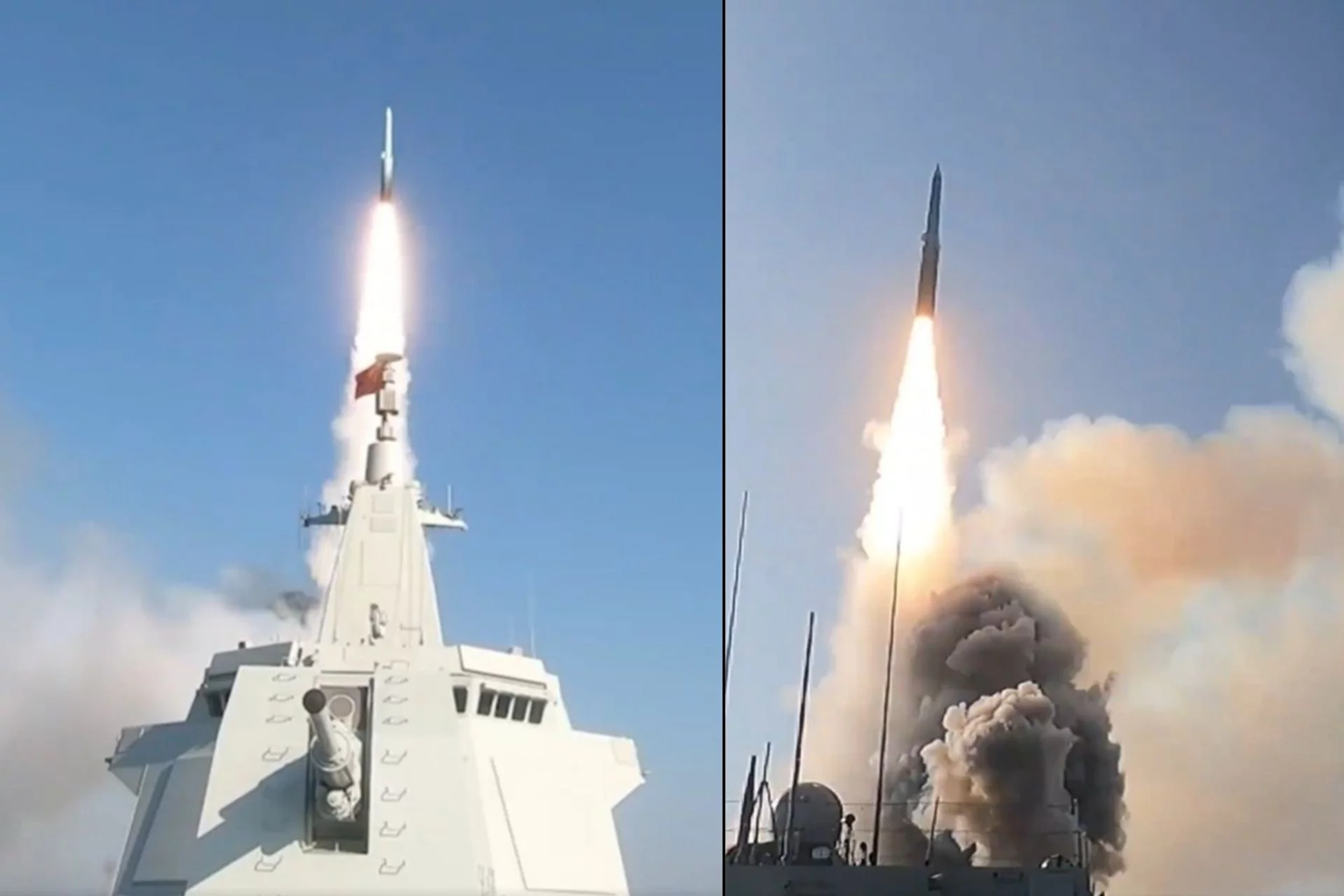
The YJ-20 uses a "cold launch" method from a vertical launch system (VLS). The missile is propelled out of the tube by compressed air before the main engine is activated, protecting the launch platform structure from extreme heat. According to military experts, the YJ-20 consists of a booster rocket and a twin-cone hypersonic glide warhead, capable of reaching speeds above Mach 5 and performing complex maneuvers in the final phase to penetrate air defenses.
Equipping Type 055 destroyers with the YJ-20 significantly expands the Chinese Navy's offshore combat range. Its ability to dive towards targets in a near-vertical trajectory at hypersonic speeds makes the YJ-20 one of the greatest challenges to current interceptor systems.
Israel deploys the Iron Beam anti-aircraft laser system.
The Israeli Ministry of Defence has officially announced that the Iron Beam high-power anti-aircraft laser system has been put into combat readiness. This is the world's first laser weapon system to reach this level of combat capability, designed to complement the Iron Dome system in a multi-layered defense network.
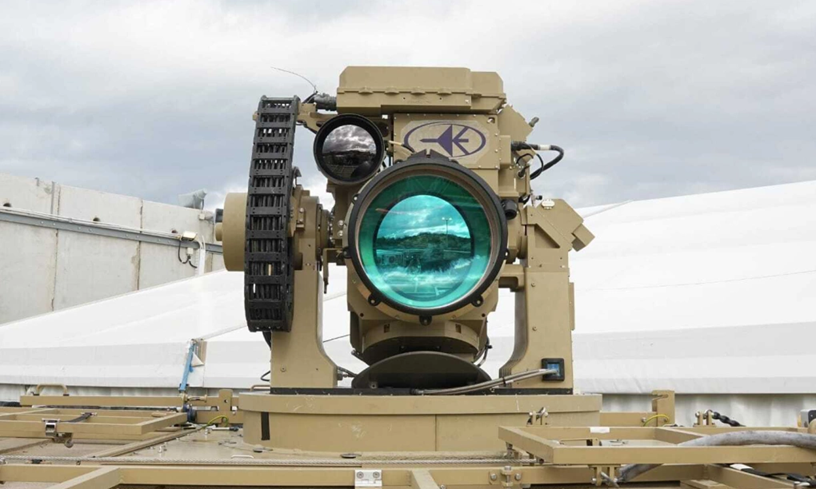
The Iron Beam system, developed by Rafael, specializes in intercepting short-range targets such as rockets, mortar rounds, and unmanned aerial vehicles (UAVs). The outstanding advantages of this laser weapon are its extremely low cost per shot compared to traditional interceptor missiles and its ability to fire continuously without limit, as long as a power supply is ensured.
However, Israeli military officials note that Iron Beam still has physical limitations, particularly a significant drop in performance in adverse weather conditions such as fog or heavy rain. Therefore, the system will function as an additional layer of defense, working in conjunction with interceptor missiles to optimize effectiveness and cost in situations involving swarms of UAVs or large-scale rocket attacks.


