
Iran attacks Al-Kharj base and the US Tomahawk missile depletion problem.
The IRGC has just carried out its 84th missile and drone attack on the Al-Kharj base, while the US has used more than 850 Tomahawk missiles in just four weeks of fighting.
The Iranian Islamic Revolutionary Guard Corps (IRGC) Air Force, with support from naval units, has launched a large-scale coordinated missile and drone (UAV) operation targeting US military bases. This is the 84th attack in Tehran's series of military operations, marking a significant escalation in the intensity and sophistication of its combat tactics in the region.
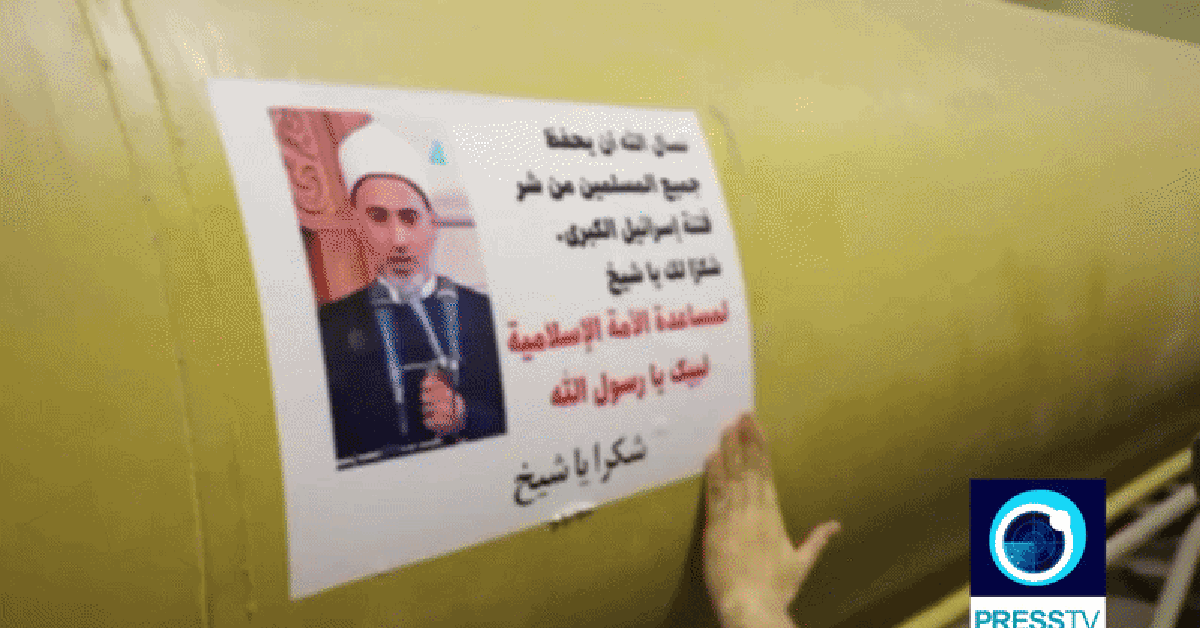
Details of the attack on the Al-Kharj base.
According to a statement from the IRGC, the enemy's missile defense systems were neutralized in this attack. This allowed Iran's liquid-fueled and solid-fuel missiles to penetrate the defense network and strike targets at the Al-Kharj base. Key targets identified included refueling aircraft, heavy transport planes, and airborne logistics support forces.
Preliminary reports indicate that several wide-body aircraft and heavy support vehicles were destroyed or severely damaged. To date, Iranian armed forces claim to have carried out a total of 84 attacks using advanced weapons against US and Israeli military facilities in the region.
Pressure on the US cruise missile stockpile.
In addition to direct losses of equipment, the U.S. military is facing an alarming rate of weapons depletion. According to a report from the Washington Post, the U.S. launched more than 850 Tomahawk cruise missiles in just four weeks of fighting with Iran. This number far exceeds the current production capacity of the country's defense industry.
Military experts point out that the US only produces about 90 to 100 Tomahawk missiles per year. Thus, the number of weapons consumed in just one month is equivalent to the total production of nearly a decade. With a price ranging from $2 to $4 million per missile, the total cost for this missile alone is estimated at around $3 billion, contributing to the total cost of the war exceeding $18 billion.
Challenges from the supply chain and production capacity.
Replenishing Tomahawk missile stockpiles is projected to take years. Manufacturing a complete missile takes 18 to 24 months due to the complex processes involved in components such as the solid-fuel engine, advanced seeker, and terrain-sensing system. Currently, the supply chain is exhibiting numerous vulnerabilities, making scaling up production difficult.
To address the situation, the Pentagon signed a seven-year framework agreement with Raytheon (part of RTX) to increase annual Tomahawk missile production to over 1,000 units. However, US officials acknowledge that even with increased capacity, compensating for the shortfall at the current rate of consumption remains a long-term challenge.


