
Russia's new Iskander missile: 1,000 km range, equivalent to Kinzhal.
Ukrainian intelligence and experts believe that Russia has put into service a new version of the Iskander tactical ballistic missile, with a range of 900-1,000 km, maneuverable trajectory, and effectiveness near Kinzhal, but Moscow has not confirmed this.
Ukrainian sources claim that Russia has deployed a new version of the Iskander tactical ballistic missile, with a range of up to 1,000 km and performance assessed as comparable to the Kh-47M2 Kinzhal missile. This information currently originates only from Ukraine and has not been officially confirmed by Russia.
Overview of information from the Ukrainian side.
According to Ukrainian media, Russia's Iskander tactical ballistic missile system has been equipped with a new type of ammunition capable of striking targets at a range of up to 1,000 km. This is a much longer range than previous assessments of the Iskander-M system.
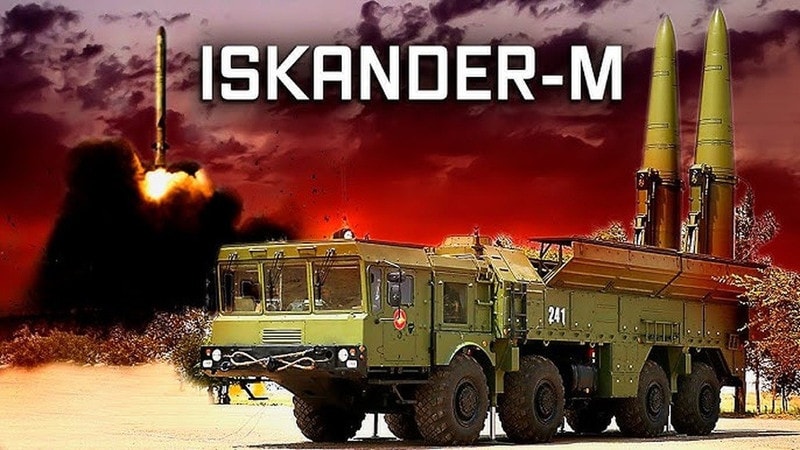
Reports on public groups related to the Ukrainian military indicate that a recently upgraded Russian Iskander missile system struck a target within Ukrainian territory from a distance of approximately 800 km. This development is seen as the first field evidence of the increased range of the Iskander.
Subsequently, Ukrainian military intelligence confirmed the information, stating that the Russian Army had indeed put into service a new generation of missiles with a range of up to 1,000 km since last year. Thus, according to the Ukrainian side, the process of equipping the new Iskander variant had been underway for some time before the recent reports were published.
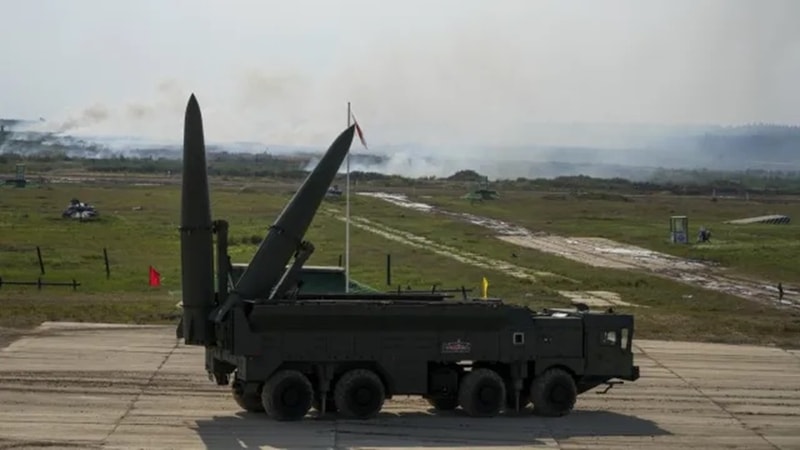
The technical specifications were provided by the Ukrainian side.
Ukrainian military experts assess that the new Iskander missile has characteristics very similar to the Kh-47M2 Kinzhal air-launched hypersonic ballistic missile. The similarity is emphasized in its maneuverability throughout its entire flight path, making the trajectory unpredictable and difficult for enemy air defense systems to counter.
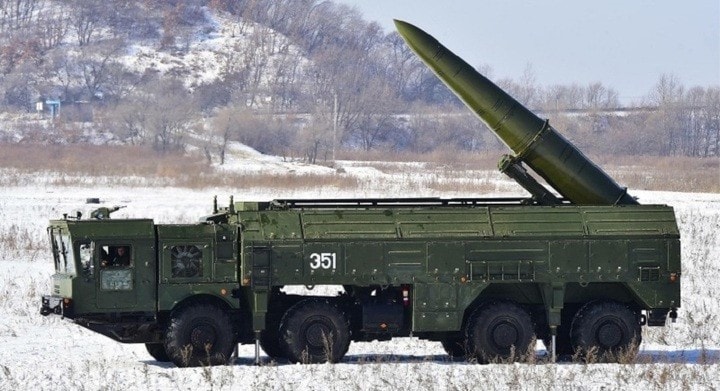
According to reports released by Ukraine, the improved version of the Iskander missile has a range of 900-1,000 km thanks to an increased amount of solid fuel. The missile is said to reach speeds close to that of the Kh-47M2 Kinzhal, while maintaining maneuverability throughout its flight.
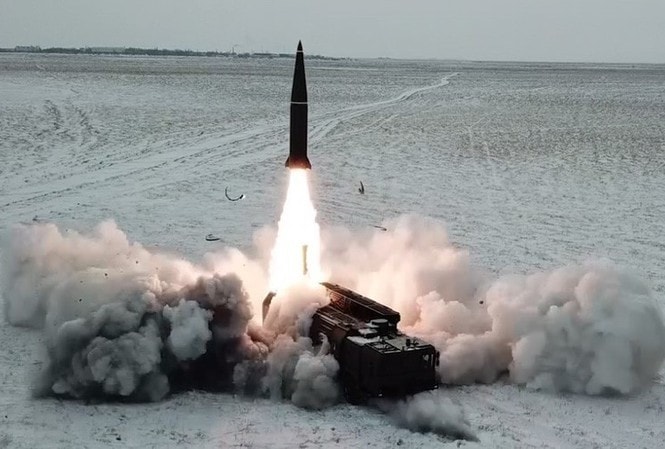
Summary of information based on the Ukraine report.
| System / Variant | Range information is provided. | Trajectory/velocity characteristics as reported | Confirmation status |
|---|---|---|---|
| The new Iskander missile | 900 - 1,000 km | Highly maneuverable throughout its flight path, with a speed nearly equal to that of the Kh-47M2 Kinzhal. | According to reports from Ukrainian intelligence and experts, there has been no confirmation from Russia. |
| Upgraded Iskander launch | The target was hit within a range of 800 km in Ukrainian territory. | No further details were given beyond hitting the target at this range. | Reported by Ukrainian sources and confirmed by Ukrainian military intelligence. |
| Iskander-1000 | It is referred to as a version of the Iskander ballistic missile with a range of 1,000 km. | Associated with descriptions of maneuverability and extended range. | The name appeared in Ukrainian information; there has been no public statement from Russia. |
| Kh-47M2 Kinzhal | Not specified in these reports. | Used as a benchmark for comparison in terms of speed and maneuverability with the new Iskander. | The information in this article only reflects how Ukraine uses comparisons. |
Level of authenticity and source of information
Reports from Ukraine note that there have been rumors about a new version of the Iskander tactical ballistic missile system being put into service with the Russian Armed Forces. However, to date, there has been no official confirmation from Moscow regarding the existence or specifications of this variant.
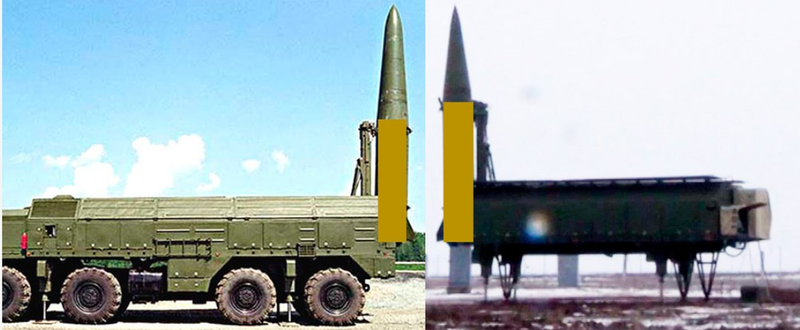
The only source directly mentioning the Russian Army's deployment of an unidentified improved version of the Iskander-M missile is the Intelligence Directorate of the Ukrainian Ministry of Defense. Even these reports state that acceptance or skepticism of the information is entirely up to the reader, as there is no publicly available evidence from Russia.
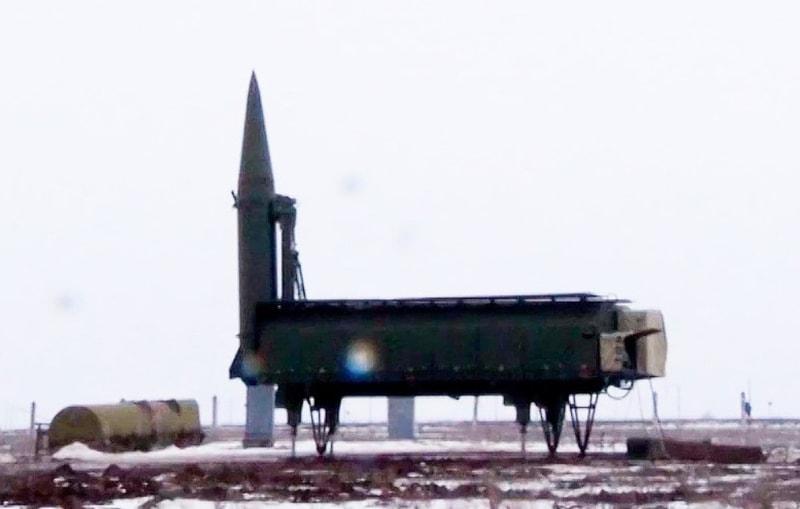
The impact that Ukraine anticipates on its air defenses.
According to assessments from Ukraine, if Russia has indeed deployed the Iskander-1000 ballistic missile, Ukrainian air defenses will face significantly more difficulties. The reason given is that detecting and tracking the ground-based launch vehicles to organize interceptions is far more complex than guarding MiG-31K fighter jets carrying Kinzhal missiles.
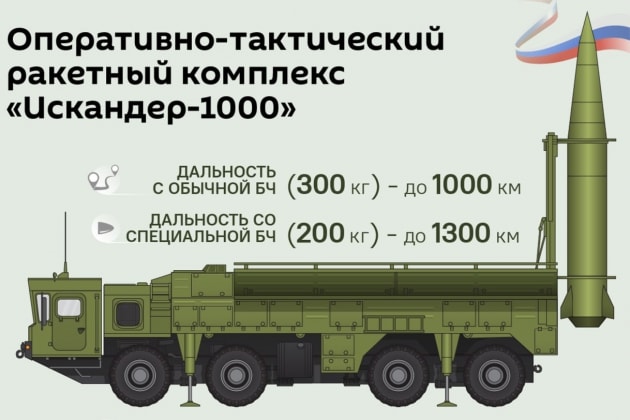
These assessments all originate from the Ukrainian side, based on field observations, intelligence analysis, and comparisons with existing Russian missile systems. Until further independent data or official statements from Moscow are available, any information regarding detailed technical specifications, deployment numbers, and the doctrine for using the new Iskander variant should be considered with a certain degree of caution.


