
Israel is accelerating the development of the next-generation Arrow 4 and Arrow 5 missile defense systems.
Israel is accelerating production of the AI-integrated Arrow 4 system and deploying the Arrow 5 project to counter future long-range ballistic missile threats.
Israel is accelerating the development and modernization of its multi-layered ballistic missile defense network, focusing on next-generation Arrow systems. This decision comes as the country has faced continuous long-range missile attacks from Iran and Houthi forces in Yemen since late 2023.
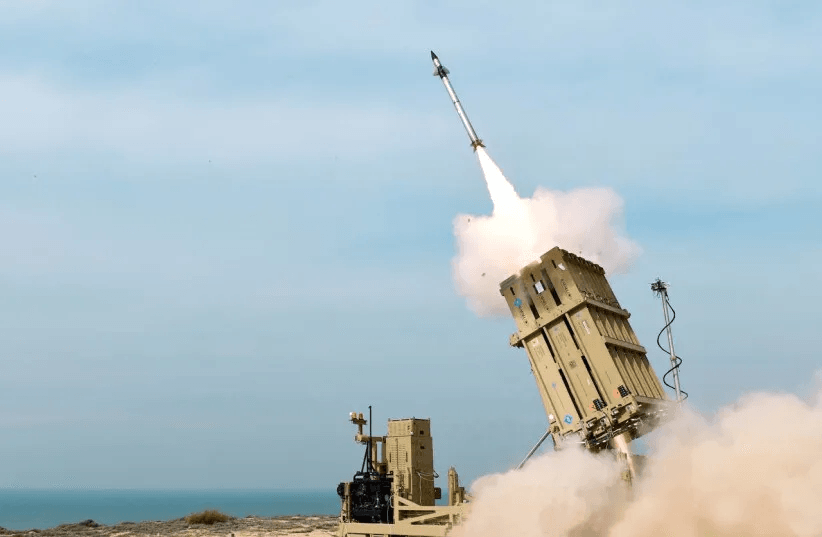
Arrow 4: The transition to mass production and the application of AI.
The Arrow 4 interceptor missile system is currently entering its final development phase. According to Moshe Patel, Director of the Israel Missile Defense Agency, the project is moving from the experimental development phase to large-scale production. This is considered a significant milestone in enhancing Israel's strategic defense capabilities.
Arrow 4 is designed to gradually replace the Arrow 2 system, which has been in active service since 2000. A key feature of this new generation is the deep integration of artificial intelligence (AI) technology. The application of AI optimizes target recognition, trajectory analysis, and enables more accurate interception decisions in complex attack scenarios. Arrow 4 is capable of operating both inside and outside the atmosphere, providing maximum flexibility against modern ballistic missiles.
Arrow 5 and the future of multi-layered defense strategies.
Alongside completing Arrow 4, Israel has also begun the full deployment of the Arrow 5 program. The goal of this system is to build an additional, specialized layer of defense to counter more advanced generations of ballistic missiles that may emerge in the future. Moshe Patel emphasized that Arrow 5 will play a key role in reducing the operational burden on existing systems.
Notably, the Arrow 5 project will be implemented in close coordination with the U.S. Missile Defense Agency (MDA). This collaboration not only ensures financial support but also provides Israel with access to the most advanced American sensor and guidance technologies. Maintaining a multi-layered defense structure, from Iron Dome (short-range), David's Sling (medium-range) to Arrow (long-range), helps Israel create a dense air defense network.
Challenges from real-world situations and the need to expand stockpiles.
Since October 2023, Israel has had to counter more than 1,300 ballistic missiles launched from various directions. Battlefield experience has shown that the Arrow systems have been effective in conjunction with the US military's THAAD and Aegis systems. However, the prolonged intensity of the conflict has revealed challenges in supply capacity.
Earlier this year, the Israeli government decided to significantly increase production of the Arrow 3 missile. Defense officials warned that the current production rate needs to be accelerated further to ensure strategic stockpiles are not depleted in attrition conflicts. Expanding the production line serves not only domestic needs but also aims to fulfill international commitments.
Export prospects and market position in the arms sector.
The successful combat performance of the Arrow missile system has attracted significant international attention, particularly from European nations. Germany became the first foreign customer to purchase the Arrow 3 system, with a contract worth approximately $6.5 billion. This is one of the largest defense export deals in Israel's history.
Many other European Union (EU) countries are also expressing interest in Arrow 3 and its successors due to concerns about long-range missile threats in the region. Israel's demonstration of its ability to intercept multiple ballistic missiles in real-world conditions has built strong confidence among potential partners, opening up significant opportunities for its defense industry in the global market.


