
Israel is accelerating production of Arrow 3 missiles to bolster its long-range defense network.
The Israeli Ministry of Defence has approved a plan to accelerate the production of Arrow 3 missiles at IAI to replenish strategic stockpiles and counter ballistic missile attacks.
Israel's Ministerial Committee on Procurement, headed by Defense Minister Israel Katz, has officially approved a plan to expand Arrow 3 missile production capacity at the Aerospace Industries (IAI) corporation. This move aims to accelerate the delivery of interceptor missiles amid growing threats from long-range ballistic missiles.
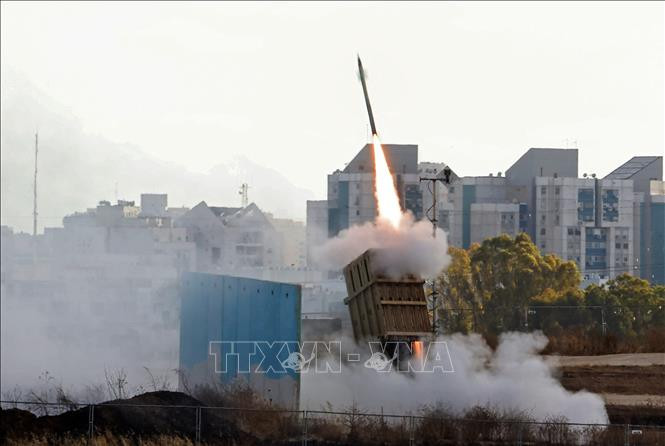
Arrow 3's extra-atmospheric interception capabilities
Arrow 3 currently serves as the highest level of defense in Israel's multi-layered air defense system. Its key advantage lies in its ability to intercept ballistic missiles even while they are still outside the Earth's atmosphere. Since the events of October 7, 2023, the system has been continuously deployed to counter attacks from Iran and Yemen.
Each Arrow 3 missile has an estimated production cost of over $2 million. To optimize costs and protect its stockpile, Israel sometimes uses the David's Sling system to intercept targets at lower altitudes. Even so, the Arrow 3 remains the top priority for long-range, high-risk targets.
Resolving defense budget conflicts
The approval of the production plan followed a delay stemming from disagreements between the Department of Defense and the Department of Finance over funding. While the Department of Finance sought to control public spending as the defense budget had skyrocketed, the Department of Defense insisted that replenishing stockpiles was vital given the potential for a prolonged conflict.
In addition to domestic demand, IAI's production capacity is also boosted by international orders. Most notably, a $6.5 billion export agreement for the Arrow 3 system to Germany has tripled the missile's production over the past year.
Strategic vision for security
Israeli officials assert that despite the depletion of weapons stockpiles following major attacks, production continues uninterrupted and has been ramped up to its highest level. The increased production capacity at IAI is expected to ensure combat readiness in the face of any escalation of conflict in the region.
This decision not only reflects an effort to strengthen national security but also highlights the challenge facing the Israeli government in balancing financial stability with the urgent need for wartime defense capabilities.


