
Israel establishes new Heron MK II UAV squadron to enhance combat capabilities.
The Israeli Air Force is preparing to operate a new squadron of Heron MK II UAVs at Hatzor Air Base, enhancing its long-range reconnaissance and attack capabilities amid a fivefold increase in operational needs.
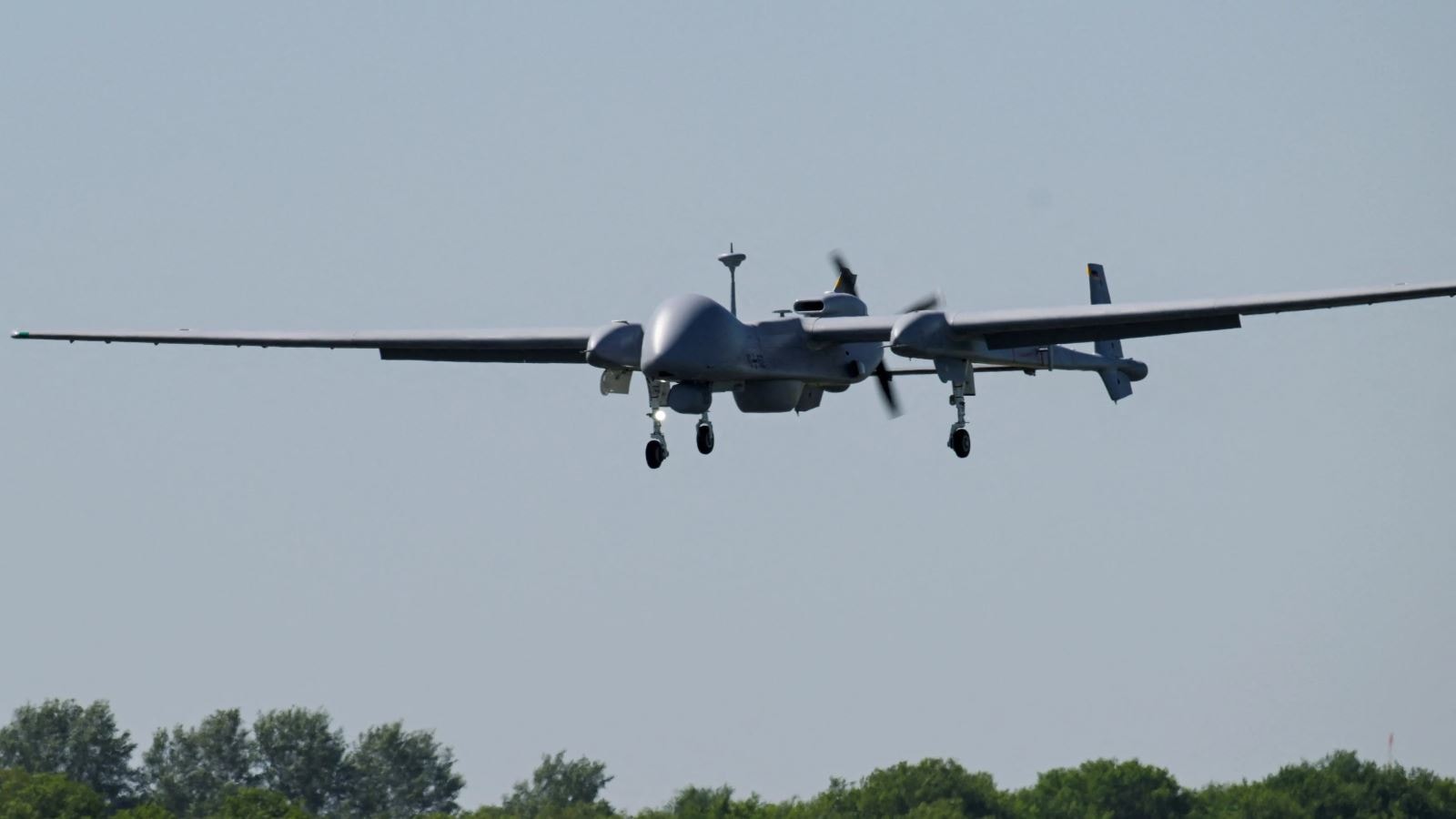
The Israeli Air Force is establishing a new squadron of unmanned aerial vehicles (UAVs) using the advanced Heron MK II. This is a strategic move to expand its long-range surveillance and combat capabilities, as the force's need for unmanned vehicles has increased fivefold compared to the pre-conflict period.
Implementation plan and specifications
The new squadron is expected to officially enter service this summer at Hatzor Air Force Base. The first UAVs are expected to be delivered as early as next month. Approximately 20 Heron MK II drones are estimated to be operational, with a base price of around $10 million each, not including additional mission systems.
The Heron MK II is a versatile UAV capable of being equipped with a wide range of equipment, from surveillance and intelligence gathering systems to offensive weapons. Its outstanding advantage is its ability to operate continuously in complex environments and perform dangerous missions without endangering the pilot.
Tactical roles on the battlefields
The new unit will work closely with existing squadrons to conduct reconnaissance and target identification missions in real time. In recent military operations, particularly those involving Iran, Israeli UAVs have played a key role in detecting missile launchers and supporting manned aircraft in attacking strategic targets.
In addition to the Heron MK II, Israel continues to operate a diverse ecosystem of UAVs, including:
- Heron TP:Heavy reconnaissance and assault version.
- Hermes 450 and Hermes 900:Popular medium-range UAVs are widely used.
- New platforms:Currently under research and development to enhance future combat capabilities.
Military analysts believe that expanding the deployment of UAVs is an inevitable response to the increasingly complex regional security environment. Currently, Israeli UAV operations cover a wide range of fronts from Iran, Lebanon, and Syria to the Red Sea and Gaza, becoming a central component in all military operations.


